
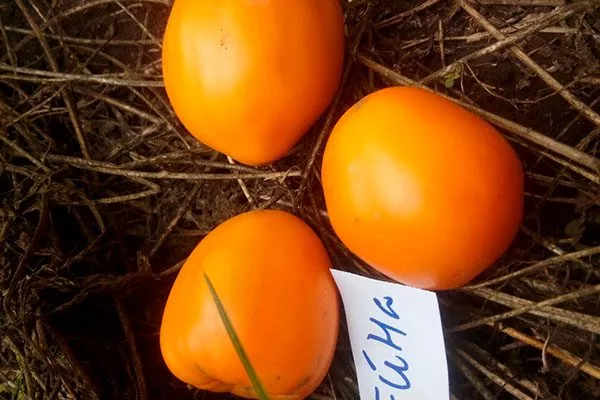
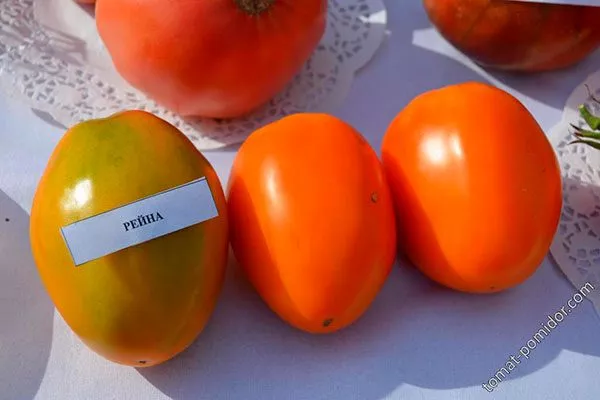
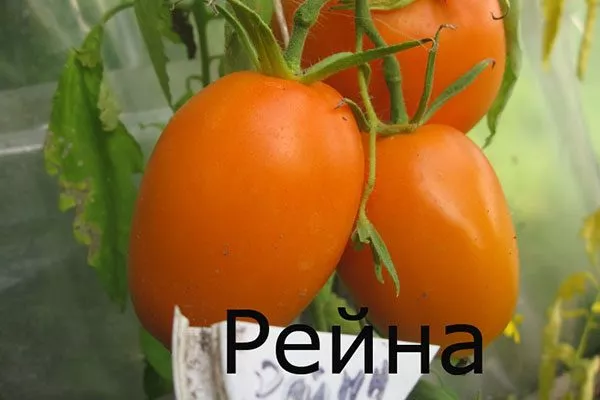
Reina tomatoes are eye-catching due to their large size and elongated shape. The plants grow tall, requiring stem support. These tasty and aromatic tomatoes are ideal not only for fresh consumption but also for canning and processing. Their thick skin makes them resistant to mechanical damage during transportation.
History of origin
This variety was developed in 1973 in Germany by Heinz and Werner Schmidt. Its name refers to the Rhine River, which flows through the country. It was created by hybridizing the Roma and Red Cherry varieties.
Initially, the Reina variety was intended for greenhouse cultivation, but over time, it also became popular among gardeners cultivating tomatoes in open beds. Today, the crop is widespread in many countries, including Russia.
Description of the bush and fruits
This indeterminate variety is characterized by excellent taste and commercial qualities. Features:
- The plant reaches a significant height: in open ground it grows up to 180 cm, and in greenhouses – up to 200 cm.
- The bush forms strong stems that require tying and structuring.
- The tomatoes are juicy and sweet, and the flesh is moderately firm. Their tough skin protects them from damage during transportation and storage.
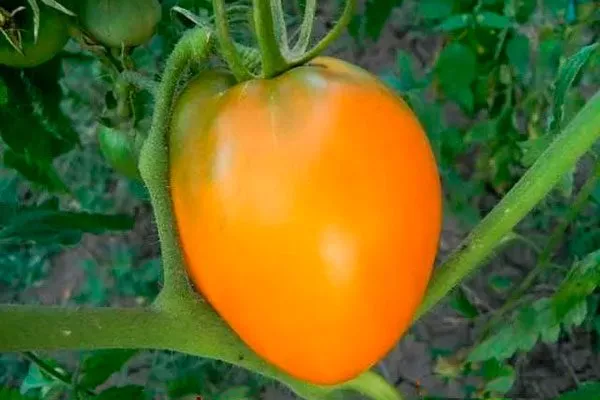
- The shape of the fruits is elongated, reminiscent of a plum, and their weight varies from 200 to 400 g.
Main characteristics
This mid-season variety ripens 115-125 days after planting. You can enjoy your first harvest after just four months.
Positive qualities of culture:
- If agricultural practices are followed, up to 8-9 kg of tomatoes can be harvested from 1 square meter of planting.
- The Reina tomato has good resistance to most common nightshade diseases. It is virtually immune to late blight, cladosporiosis, and blossom-end rot. It is rarely susceptible to fusarium wilt.
- The strong skin prevents vegetables from cracking.
The variety has high resistance to pests, but for prevention, it is recommended to regularly inspect the plants and treat them with biological preparations or folk remedies.
Growing and care
To grow strong, high-quality Reina tomato seedlings, use a loose, nutritious, and disinfected soil. The optimal soil composition is:
- 50% of garden soil;
- 30% humus or compost;
- 20% sand or vermiculite.
To increase plant germination and resistance, prepare the planting material:
- Disinfection. Soak the grains in a solution of potassium permanganate (1%) for 20 minutes, then rinse with clean water.
- Growth stimulation. Soak in Epin, Zircon or aloe juice for 12 hours.
- Germination. Wrap the seeds in a damp cloth and leave in a warm place for 1-2 days until sprouts appear.
Follow these recommendations:
- Sow seeds in containers or trays 1-1.5 cm deep, leaving 2 cm between them. Cover the seeds with plastic wrap or glass and place in a warm place (23…25°C).
- Once the seedlings emerge, remove the covering and move the seedlings to a bright room, reducing the temperature to 18–20°C. When they have 2–3 true leaves, transplant the seedlings into individual containers.
- The seedlings are ready for transplanting in 50-60 days, when they have 5-7 leaves. Plant them outdoors or in a greenhouse when the temperature is consistently above 15°C.
- Place the seeds in a 50x50 cm pattern. There should be no more than 4 bushes per 1 square meter.
- Harden off the seedlings 10-14 days before transplanting: take them out into the fresh air for 1-2 hours at first, gradually increasing the time.
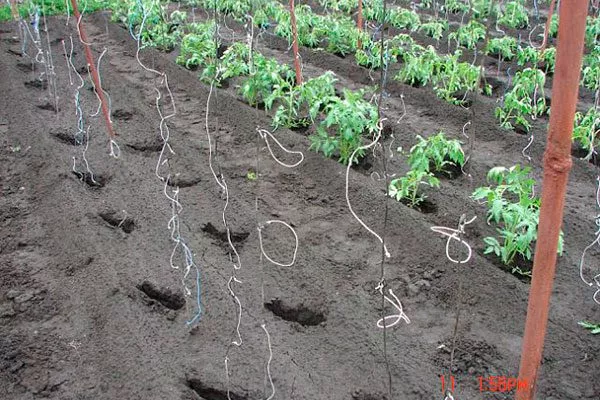
- After planting, water the plant generously and tie the shoots to supports.
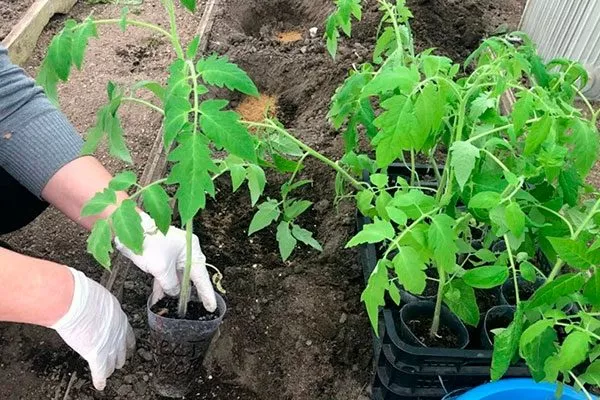
Careful crop maintenance promotes bountiful harvests. Follow these simple agricultural practices:
- Watering. Provide moderate but regular watering. Before flowering, water the plants once every 5-7 days; during flowering and fruit development, water every 3-4 days; and more frequently in hot weather, depending on soil conditions.
Water the roots with warm, settled water, avoiding contact with the leaves to reduce the risk of fungal diseases. - Top dressing. For high yields, fertilize 3-4 times per season:
- 10-14 days after planting - nitrogenous substances (infusion of mullein or bird droppings) for the growth of green mass;
- during flowering - phosphorus-potassium compounds (superphosphate, ash) for fruit setting;
- during the fruiting period - Potassium fertilizers (potassium sulfate) to improve taste and increase disease resistance.
- Formation. Train the plant into 1-2 stems, removing side shoots (suckers) every 7-10 days. Pinch the top when the plant reaches the desired height. Trim the lower leaves back to the first flower cluster to improve ventilation.
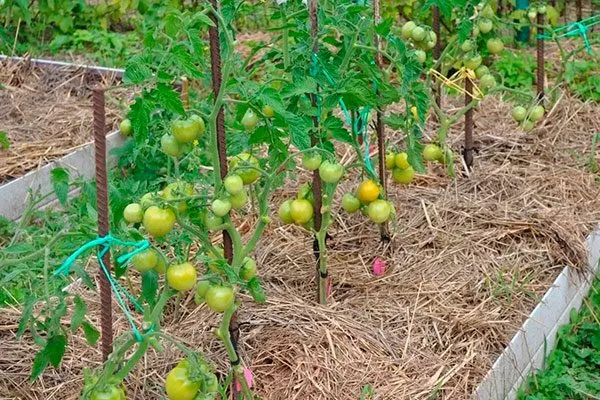
- Garter. Since the bush grows to 180-200 cm, it requires support. Secure the shoots immediately after transplanting the seedlings into the ground using trellises, netting, or individual stakes.

- Loosening and mulching. After each watering, loosen the soil to prevent crusting. Mulch the beds with straw, hay, or peat. This helps retain moisture and reduces the risk of disease.
To prevent late blight, spray the crop with Bordeaux mixture or Fitosporin. To combat aphids, whiteflies, and spider mites, use garlic infusion, tobacco infusion, or biological preparations.
Reviews
Reina combines good productivity, excellent flavor, and low maintenance. With proper cultivation, the plants produce abundant fruit and are disease-resistant. The tomatoes have a long shelf life, resist cracking, and are suitable for all culinary purposes. They are the best choice for both greenhouses and open fields.