
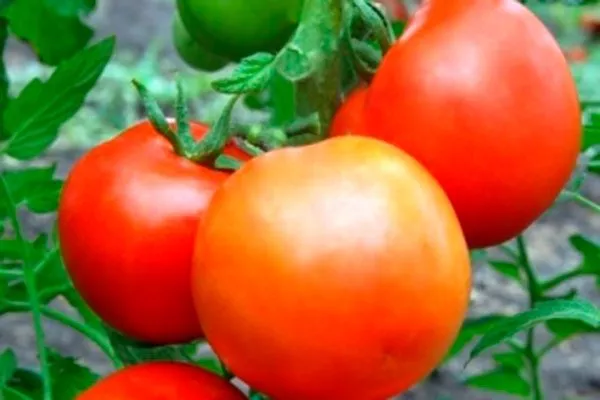
Rassvet tomatoes have an attractive round shape and a red hue. Their medium size makes them suitable not only for fresh consumption but also for canning. This hybrid is characterized by strong immunity and good adaptability. The compact plants don't take up much space in the garden and produce good results with proper care.
Description of the bush and fruits
The variety was bred by breeders V. V. Ognev, S. V. Maksimov, N. N. Klimenko and A. N. Kostenko. It was officially registered in 2008. It belongs to the determinate type.
Distinctive features:
- plant - reaches 60-70 cm in height;
- leaves - medium, colored in green;
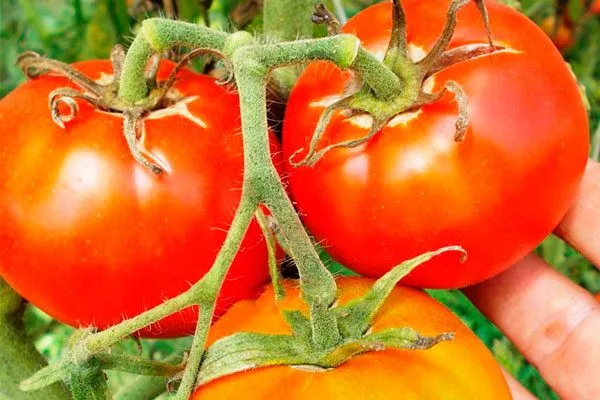
- tomatoes - round in shape, light green when unripe, and turn a deep red as they ripen;
- weight - varies from 120 to 140 g;
- pulp – moderately dense, contains 3-4 seed chambers;
- peduncle – with articulation, ensures the strength of tomatoes and increases their resistance to damage during transportation and storage.
These vegetables have excellent flavor and are suitable for fresh consumption, pickling, and canning.
Main characteristics
Rassvet is a mid-early hybrid. Fruit begins to form 100-105 days after planting. The harvest is from July 10 to August 20.
Other positive features:
- The variety can't be called highly productive—its yields are average. Gardeners get about 2 kg of tomatoes per square meter.
- The crop is resistant to common diseases, including Alternaria leaf spot, Fusarium wilt, and tobacco mosaic virus (TMV). This makes the plants well-adapted to cultivation without the use of chemical pesticides.
Growing and care
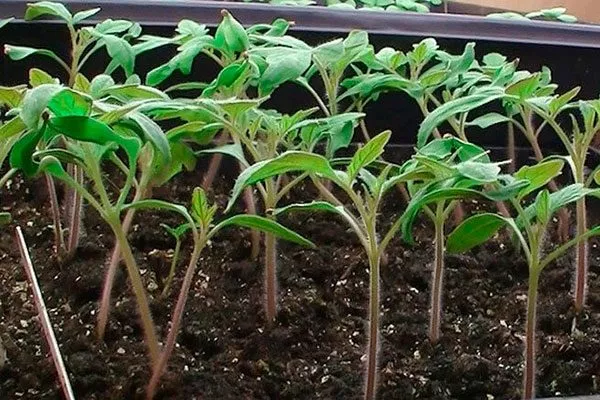
Before planting, treat tomato seeds with a potassium permanganate solution or a growth stimulant. To obtain seedlings, sow the seeds 50-60 days before transplanting, planting them 1-1.5 cm deep. The optimal temperature for germination is 22 to 25°C. After germination, reduce the temperature to 18 to 20°C.
Follow agricultural recommendations:
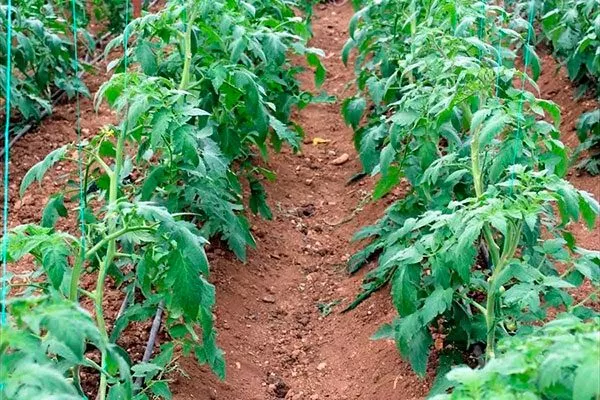
- Prick out seedlings when they have 2-3 true leaves. Before planting in the ground, harden them off, gradually acclimating them to fresh air. Move them to a greenhouse or garden when the soil warms to 15°C and the danger of frost has passed. Space the plants in a 40x50 cm pattern.
- Water the bushes moderately at the roots, avoiding contact with the leaves. Water 1-2 times a week, more often in hot weather. The soil should be moist, but not excessively soggy.
- Apply the first fertilizer 10-14 days after planting – nitrogen fertilizer. During flowering, use phosphorus-potassium fertilizers, and during mass fruiting, potassium solutions to improve the taste and quality of tomatoes. You can also use ash, herbal infusions, and organic fertilizers.
- Cover the beds with straw, grass clippings, peat, or rotted sawdust to a depth of 5-7 cm. This helps retain moisture, prevents weed growth, improves soil structure, protects roots from overheating, and prevents soil cracking. Carefully loosen the soil and remove weeds.
- When the first shoots appear, thin out the plantings, leaving 2-3 strong shoots on each plant. To prevent the stems from breaking under the weight of the fruit, tie the bushes to supports.
Dawn is resistant to major diseases, but if not properly cared for, it can be susceptible to various problems:
| Disease/Pest | Signs | Methods of control |
| Alternaria | Dark dry spots on leaves, stems and fruits.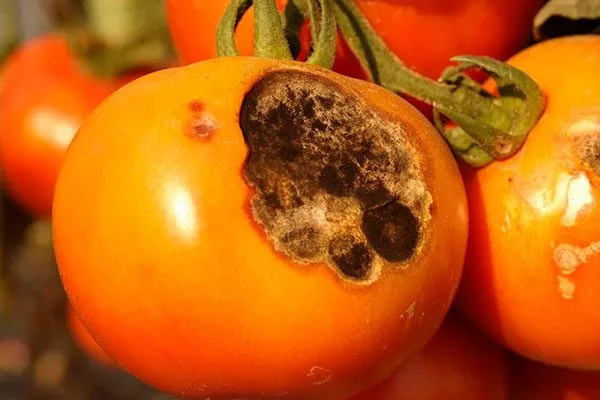 | Treat bushes with fungicides: Antracol, Hom, Abiga-Peak. Remove affected areas beforehand. |
| Fusarium | Yellowing and wilting of foliage, stunted growth.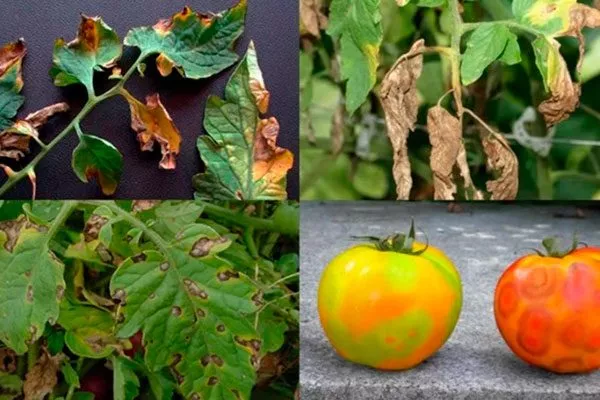 | Spraying with Previkur or Fitosporin, soil disinfection, moderate watering. |
| Tobacco mosaic virus (TMV) | Mosaic pattern on leaves, their deformation, decreased yield.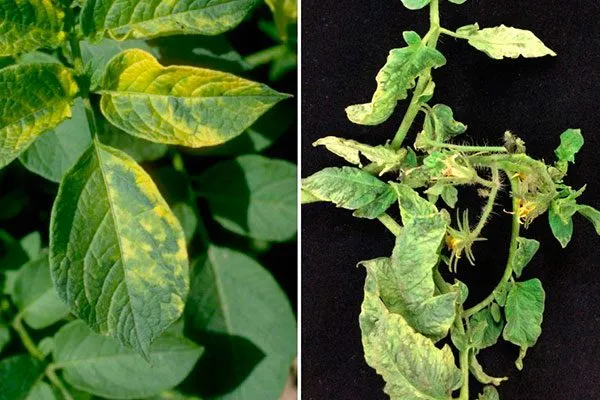 | Use of Farmayod, removal of diseased plants, disinfection of garden equipment. |
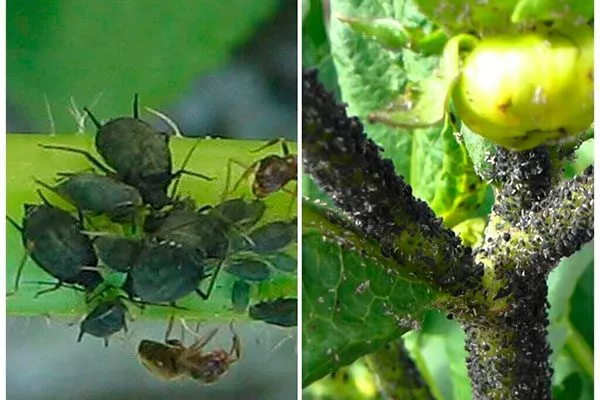
| Aphid | Small insects, usually green, black or yellow, that congregate on the underside of leaves and distort their shape.
Affected areas may have a sticky coating (honeydew) that promotes the development of sooty mold. | Use of soap solution, garlic or tobacco infusion, insecticides (Fitoverm, Aktara). |
| Spider mite | The appearance of whitish spots on the leaves, their yellowing and wilting, cobwebs on the shoots and green mass.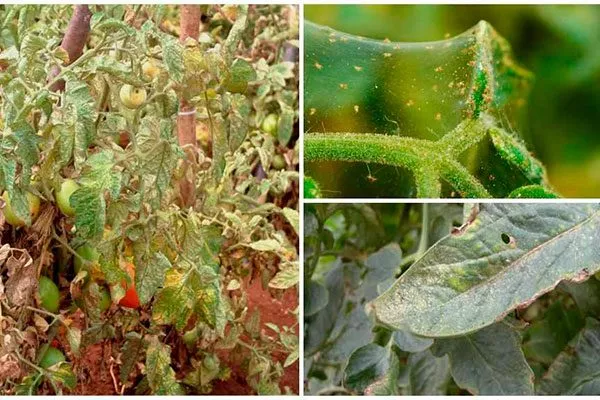 | Effective insecticides are Fufanon and Akarin, and soapy liquid. |
| Whitefly | White, winged insects, similar to moths, fly when plants are shaken. Yellow spots appear on the undersides of leaves, which become weak and deformed.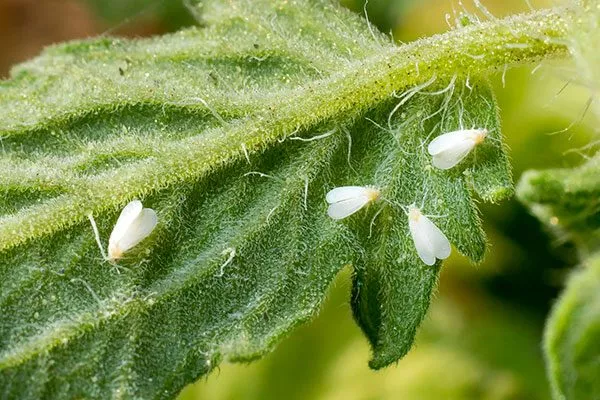 | Installation of glue traps, treatment with Confidor or Aktara. |
| owl | The caterpillars feed on leaves and fruits, leaving holes and characteristic lesions on the surface. They also damage the stems, leading to their rot.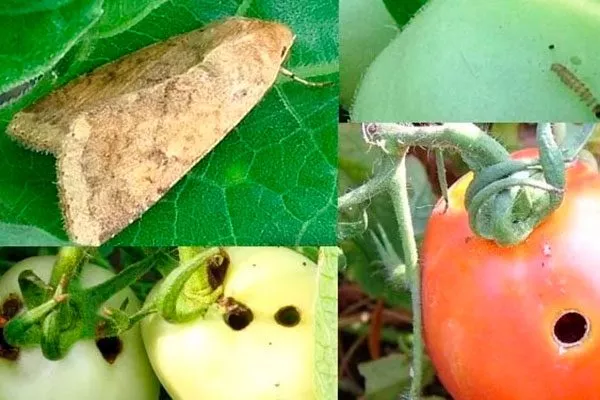 | Collection of parasites by hand, spraying with the biological product Lepidocide or infusions of wormwood and garlic. |
Reviews
The Rassvet tomato combines ease of care, disease resistance, and excellent flavor. It's suitable for both greenhouse and outdoor gardening, easily tolerates temperature fluctuations, and delivers consistent results. This hybrid is ideal for novice gardeners, requiring minimal maintenance.