
The Rocket tomato is an ideal variety for both novice and experienced gardeners. It produces compact bushes that require little care or training. The plant is resistant to diseases and pests, but can suffer from problems if not properly cared for. Proper cultivation practices will ensure good productivity.
History of creation
It was developed in the 1970s by Crimean breeders, and its name was officially registered only in 1980. It was zoned exclusively for the North Caucasus region, but in practice, it adapts well to other areas of the country, including the Urals.
Over time, the variety gained popularity throughout Russia. It is grown both in greenhouses and open beds, and yields good results in both cases. Although officially recommended for canning, the tomato's developers consider it a versatile crop suitable for a variety of purposes.
Features of the bush and description of the fruits
This is a determinate variety. The plant is compact, reaching no more than 80 cm in height, allowing for efficient use of space.
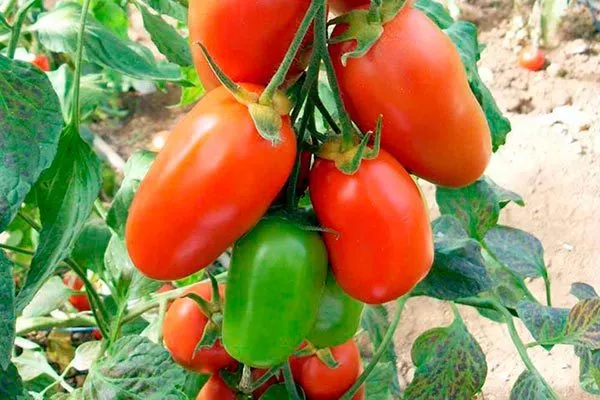
Distinguishing characteristics:
- The bush is sparsely foliated, with dark green leaves, which provides the fruits with good lighting and access to sunlight.
- The inflorescence is simple, with a characteristic feature of the formation: the first one is formed above the 5-6th leaf, and the subsequent ones - after 1-2 leaves.
- The tomatoes are not large – their weight varies from 34 to 58 g. A bunch can contain up to 6 tomatoes.
- The skin is smooth and dense, does not crack during moderate rainfall.
- The pulp is fleshy and dense, with 2-3 chambers containing soft seeds.
Ripe tomatoes are red in color and have an elongated plum-shaped form, which fully corresponds to the name.
- ✓ Resistance to drought and major tomato diseases.
- ✓ Compact bushes allow for efficient use of space on the site.
Characteristics
Despite its long history, Raketa continues to be popular even with the emergence of numerous new hybrid varieties. Its main value lies not only in its taste and appearance, but also in its consistent yield. Regardless of planting conditions, it always produces excellent results.
Taste and uses of tomatoes
Tomatoes are rated by tasters at 3.8-4 points on a special scale, with a maximum score of 5. Vegetable growers prize them for their firm flesh, pleasant flavor, and delicate acidity.
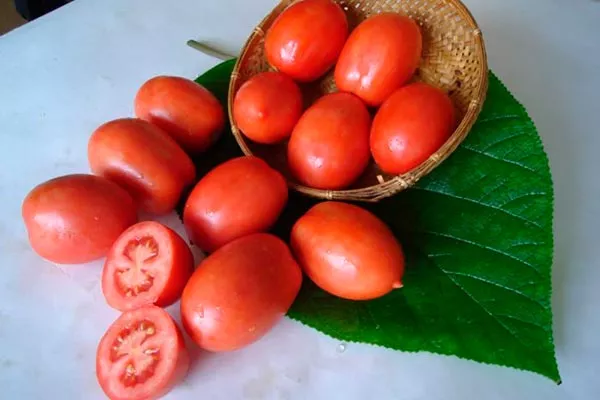
This variety is versatile. Tomatoes store and transport well, making them popular among farmers for distribution to retail outlets and restaurants. They are also used in the food industry for the production of tomato paste, ketchup, and sauces.
Ripening time and growing regions
This variety is not considered an early one. It takes 120-130 days from the first shoots to harvest, so if seedlings are planted in March, fruit can be expected no earlier than July.
Once fruiting begins, the variety produces a quick and uniform harvest—all the fruits ripen almost simultaneously, making it convenient for processing. However, for those who enjoy periodically visiting their dacha and picking fresh tomatoes from the vine, Raketa won't offer this option for a long time.
Productivity, fruiting
For a low-growing, standard-type plant, this cultivar is renowned for its relatively high productivity. Its compact size allows for planting densities up to 6 plants per square meter in open ground. In greenhouses, the plants grow taller and more spreading, so planting densities are lower.
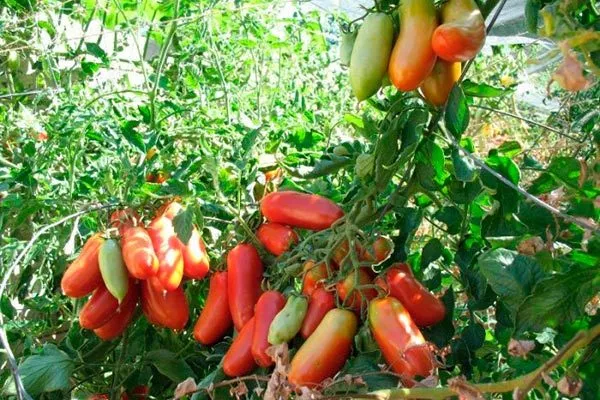
Agricultural practices do not significantly affect the yield. A single plant can yield up to 2.5 kg of fruit, and an average of 12 kg per square meter of open ground. In greenhouses, the yield remains high due to the extended fruiting period.
The best varieties of the line
The Raketa variety includes several varieties, each with its own characteristics. They have gained popularity due to their excellent performance, stable yield, and versatility.
Below are detailed descriptions of the different subspecies:
- Yellow Rocket. An indeterminate variety with strong shoots. Bushes can reach 1.5-1.6 m in height. Fruits weigh 150-170 g and are cylindrical. The flesh is golden, moderately juicy, and sugary, with a predominantly sweet, slightly tart flavor. Ripening time is 90-95 days from germination.

- Crimean missile. Compact determinate bushes grow up to 50 cm, making this variety ideal for small plots. Plants require no staking or pinching. The tomatoes are elongated and plum-shaped, with smooth, durable skin that resists cracking.
The flavor is sweet with a slight tartness, and the flesh is plump and juicy. A single plant yields up to 2 kg. These tomatoes are suitable for whole canning, making thick ketchups, and making juices. They are prized for their transportability and long shelf life. - Altai Rocket. An early-ripening variety, ripening in 115 days. This indeterminate plant reaches a height of 1.2-1.5 m and requires staking, especially when grown in a greenhouse. The cylindrical tomatoes are a rich yellow color, weighing 150 to 170 g, with some reaching 300-600 g.
The tomatoes have smooth, medium-thick skin. They are fleshy, sweet, and delicious, with few seeds. They are ideal for fresh eating, pickling, and canning. The harvest retains its attractive appearance for a long time and can be transported over long distances.
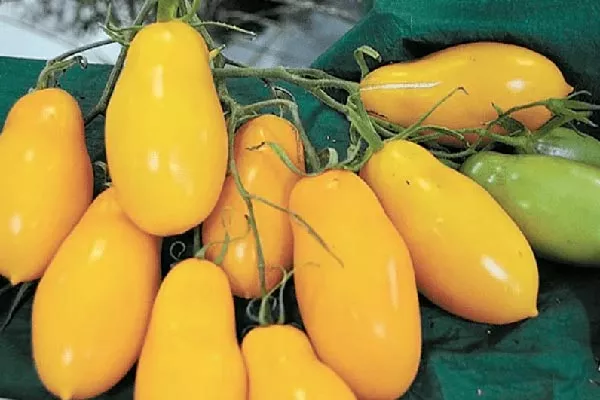
The varieties are suitable for growing in various climatic conditions and are characterized by excellent qualities.
Sowing and growing
In southern regions of Russia, Rocket tomato seeds can be sown directly into open ground. Elsewhere, seedlings are first grown indoors and then transplanted to their permanent location. Sowing of seedlings occurs approximately 55-60 days before the expected transplanting date.
- ✓ Optimum soil temperature for sowing seeds: not lower than +15°C.
- ✓ Distance between plants when planting in open ground: 40 cm between bushes and 50 cm between rows.
Preparation of seed material
Seeds purchased from specialty stores have already undergone the necessary pre-sowing treatment by the manufacturer. However, seeds harvested from home gardens require additional treatment before sowing.
Soak the seeds in a pink solution of potassium permanganate to disinfect them. Before planting, germinate them by wrapping them in damp cheesecloth. Sprouted seeds will sprout in the soil a few days earlier than untreated seeds.
Preparing soil and containers
You can purchase seeding soil at specialty stores along with the seeds, or prepare your own nutrient-rich substrate by mixing equal parts of turf, leaf mold, peat, and river sand. Add wood ash to this mixture.
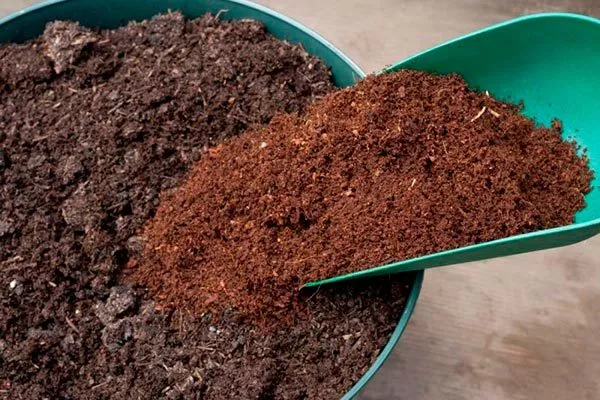
Before placing the soil into containers, disinfect it with a pink solution of potassium permanganate. Thoroughly rinse the containers in which you will be sowing with the same solution before use.
Planting seeds for seedlings
Place the seeds on the soil surface, spacing them 1.5-2 cm apart. Sprinkle a thin layer of nutrient mixture on top and gently moisten with a spray bottle.
Cover the containers with plastic to create a greenhouse effect and place them in a warm, dark place until seedlings emerge. Seedlings typically appear 5-7 days after sowing.
Further care of Rocket tomato seedlings
Once the seedlings emerge, remove the plastic wrap and move the containers to a bright location. Set the room temperature to 17°C to harden off the plants. Then gradually increase it to 22°C and maintain it until transplanting the seedlings into the open ground or greenhouse.
Transplanting into beds and greenhouses
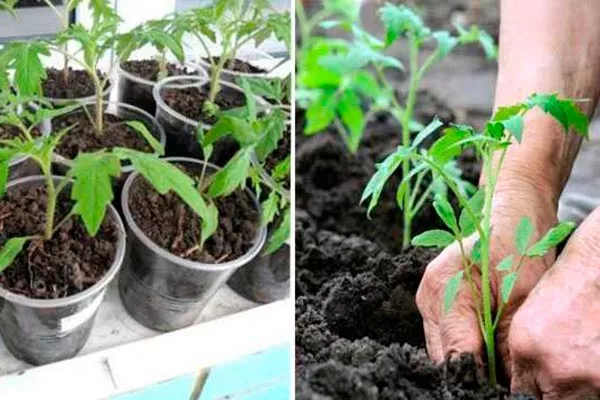
Before transplanting seedlings into open ground, each tomato plant should have at least five true leaves. Prepare the planting beds in the fall: dig the soil and enrich it with compost or humus. Tomatoes grow best after root vegetables, cabbage, onions, or legumes.
Planting in a greenhouse:
- Perform this procedure two months after germination. This variety is ideal for growing indoors under film, polycarbonate, or glass.
- Prepare the greenhouse in the fall: remove the top layer of soil (up to 10 cm), in which fungal spores and insect larvae can overwinter.
- Dig up the remaining soil and add organic fertilizers – humus or rotted compost.
When planting Rocket tomatoes, maintain a distance of 40 cm between bushes and 50 cm between rows.
Planting in open ground:
- For planting outdoors, prepare the beds in the fall: dig the soil and add compost. In the spring, deep-till the soil.
- Before planting, harden off the seedlings on a balcony or loggia so that they can quickly get used to outdoor conditions.
- When planting in several rows, leave a gap of 50 cm between rows. After this, water the seedlings and tie them up.
If frost is possible in the region, use film or agrofibre for protection.
Care Features
This variety is considered easy to grow and requires little effort from the gardener, provided standard growing conditions are met. Regular watering, fertilization, and pinching are essential.
Watering tomatoes
During the growing season before flowering, water tomatoes moderately and generously, 1-2 times a week. This promotes the development of a strong root system that penetrates deep into the soil in search of moisture.
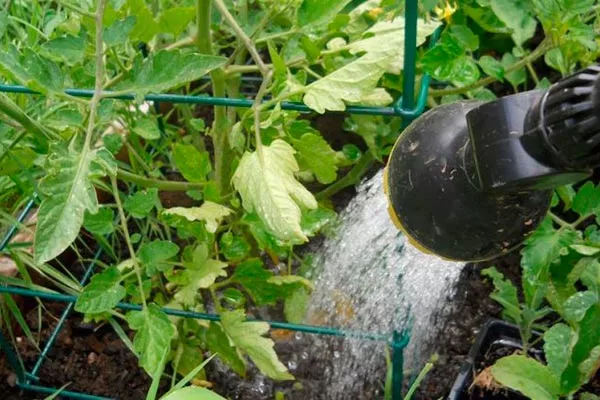
From flowering through the fruiting period, water Raketa twice a week, using 5-8 liters of water per bush. The water should be warm and non-chlorinated. Water only at the roots, avoiding drips on the leaves.
Fertilizing
For vigorous growth, tomatoes require fertilizers containing phosphorus and potassium. Phosphorus helps develop a healthy root system, while potassium improves the taste of tomatoes and increases their resistance to disease and adverse weather conditions.
For fertilizing, use a superphosphate solution, dissolving 40 g of the substance in 10 liters of water. Pour it under the plant roots. After a week, apply a similar solution using potassium sulfate.
Wood ash, rich in nutrients, is a good alternative to mineral fertilizers. Alternate root feeding with spraying your tomatoes. For foliar application, prepare a solution of 6 g of boric acid and 20 g of manganese sulfate, dissolved in 20 liters of water.
Pinching out and tying up
The Raketa variety is characterized by compact bushes. Pinching out side shoots is optional, but it's best to remove side shoots before the first inflorescence forms. Side shoots up to 5 cm long that appear in the leaf axils should be twisted out by hand.
When growing outdoors, train the plant to 3-4 stems, and when planting in a greenhouse, train it to 2-3 stems. Tie the bushes to a support to keep the stems straight and strong. This helps prevent the plant from breaking under the weight of the vegetables.
Mistakes when growing
Gardeners who have grown the Raketa variety in their gardens for several years already know that certain mistakes need to be avoided when caring for it. Despite the plant's low maintenance, it's important to follow proper agricultural practices to avoid harming the plants:
- Avoid trimming leaves too much or exposing shoots. Trying to ensure good ventilation can damage the bush and delay fruit set.
- Avoid splashing water on the leaves when watering. Wet foliage exposed to hot sun can cause sunburn, which can easily be mistaken for signs of disease.
- Avoid watering the plants if the top layer of soil is still wet. Although the variety is resistant to late blight, this does not prevent its development. Furthermore, excess moisture can cause the tomatoes to crack.
- Do not plant tomatoes in open ground until the threat of night frost has passed, otherwise the seedlings may die.
Failure to follow these rules may result in low yields or no yield at all.
Protection from diseases and pests
Despite the relative resistance of the Raketa tomato variety to diseases such as late blight, blossom-end rot, septoria leaf spot, and powdery mildew, the plants can still be susceptible to pest attacks. This is especially true for those who don't practice crop rotation and frequently plant the crop in the same spot.
Most often, tomatoes are affected by:
- Colorado beetle. It harms not only tomatoes, but also potatoes and eggplants. The beetle larvae consume leaves and shoots, which leads to decreased photosynthesis and weakening of the plant.
In small areas, collect beetles and larvae by hand. In other cases, dusting the leaves with ash or cornstarch is effective. For larger plantings, use chemical pesticides. - Slugs. They damage not only the leaves and shoots but also the fruits themselves, especially in rainy weather. Collect them by hand or scatter ash along the beds to prevent pests from reaching the plants.
- Wireworm. A small worm that damages the roots and stems of tomatoes. Chemicals are effective against it, but there's also a folk remedy: bury potato tubers along the garden beds. After a few days, the wireworms will infest the tubers, which should then be burned.
- Mole cricket. A dangerous insect that gnaws at tomato stems at ground level. They often end up in areas with cow manure. Use poisons or set traps: dig holes around the perimeter of the area and lay fresh manure. When the mole crickets lay their eggs, destroy the holes.
Marigolds planted around the beds will help repel insects.
Timely pest control is the key to a good harvest. The choice of control methods depends on the size of the crop and the severity of the infestation.
Collection and storage
As soon as the tomatoes turn bright red or yellow, begin harvesting, usually in July. Pick the tomatoes carefully to avoid damaging them and the shoots. Use newspaper-lined boxes for storage. Avoid overcrowding the tomatoes in one box to prevent the ones on the bottom from getting crushed.
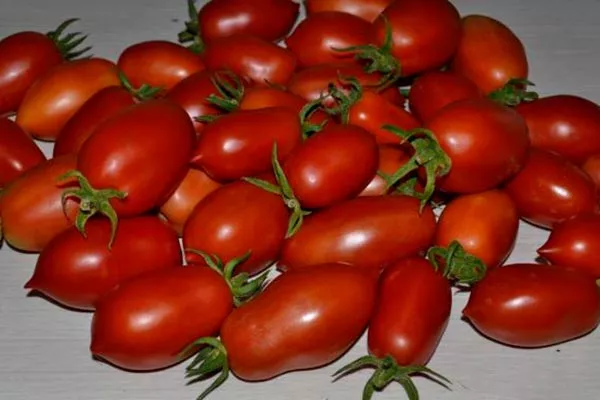
Store the harvested tomatoes in a dry place, away from direct sunlight. The room temperature should not exceed 6°C, otherwise the tomatoes may begin to spoil. This way, the tomatoes will stay fresh for three weeks. You can pick them from the vines when they're slightly unripe and store them in containers for ripening.
Pros and cons
The tomatoes' shape and size make them suitable for canning whole. They ripen evenly, hold well on the vine, and don't crack or spoil. This variety is ideal for mechanical harvesting, which is a significant advantage in terms of marketability.
Gardeners appreciate this variety's long fruiting period. Another characteristic is its combination of compact bushes and good productivity.
Other advantages of the variety:
Disadvantages include the need for proper fertilization and watering, as well as the taste of the vegetables (there are varieties with a richer flavor). Some vegetable growers dislike the fact that the fruits ripen simultaneously.
Similar varieties of tomatoes
There are several varieties with characteristics similar to the Raketa. Popular analogs are listed below:
- Valentina. An early, low-growing, all-purpose tomato. The plants are compact, producing small, plum-like red-orange fruits weighing up to 80 g. They are firm, fleshy, and have thick skin, offering excellent flavor. The variety is drought-resistant and has good immunity.
- Guzel. A low-growing, early-ripening hybrid tomato. The tomatoes are ovoid-shaped, red, and have excellent flavor, weighing 60-100 g. The yield is good – 2-3 kg per bush.
- Artek bonfire. A compact bush up to 80 cm tall. The fruits are red, pepper-shaped, weighing up to 120 g, and have a sweet and sour flavor. They ripen 90 days after germination. Fruiting is prolonged.
- Phenomenon. A determinate variety for open ground, only 45 cm tall. It produces red, elongated, very fleshy fruits weighing from 40 to 70 g. Fruiting is early and uniform. It is resistant to all major diseases.
- Duchess. A mid-season, dwarf hybrid. The plant is small, reaching up to 70 cm in height. The tomatoes are elongated, with a pointed tip, red, and weigh 50 g. The flavor is delicate and sweet. Yields reach 2-2.5 kg per bush. It exhibits resistance to all common crop diseases and tolerates drought and heat well.
If you haven't found Rocket seeds for sale or haven't collected any from the previous harvest, you can grow one of these varieties in your garden.
Reviews
The Rocket tomato is drought-tolerant and virtually disease-free, making it a reliable choice for growing in greenhouses and open ground. This variety requires little maintenance, and its yield is stable and high. The tomatoes have a pleasant sweet-and-sour flavor, making them ideal for fresh consumption and processing.