
The current crop of tomato paste combines beauty, versatility, and other positive qualities. These large tomatoes are rich in vitamins and can be used in a variety of dishes. They are resistant to diseases and pests, boasting bountiful harvests and low maintenance. They are an ideal choice for both novice and experienced gardeners.
Description of the plant and fruits
This variety is indeterminate in growth. The bush reaches 1.8-2 m in height. The shoots are covered with thin, slightly drooping stems. The root system is strong and well-developed. Each cluster produces 4-5 fruits.

Fruit characteristics:
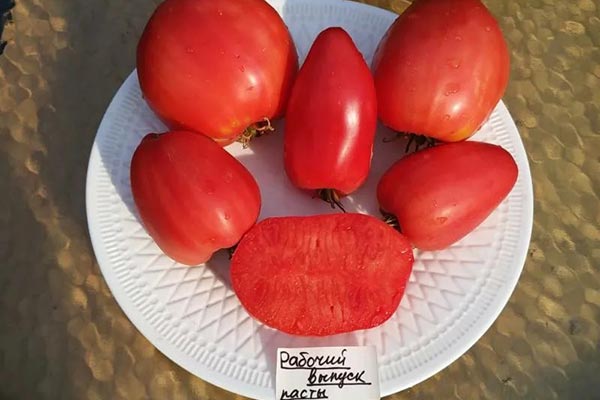
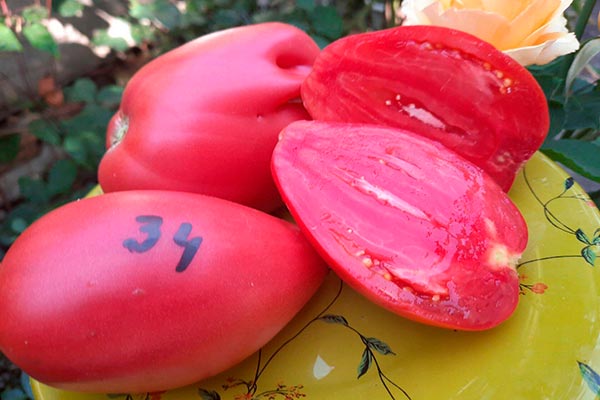
- They are painted crimson and are large in size.
- The weight varies from 200 to 300 g, and the largest specimens can reach 600 g.
- The shape is elongated, spear-shaped.
- The skin is firm, the flesh is tender, creamy in texture, dense, juicy and virtually seedless.
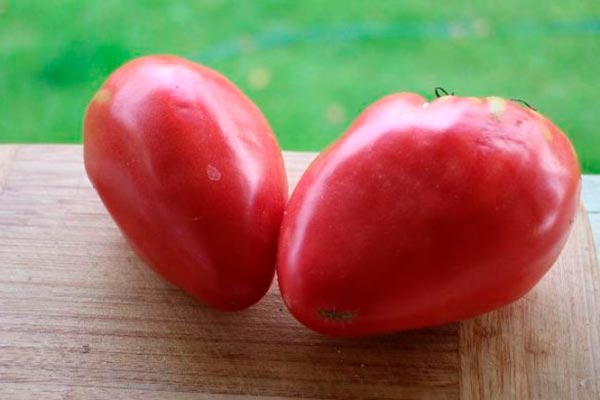
Tomatoes are characterized by a sweet, buttery, and rich flavor. They are versatile: they are suitable for slicing into salads, making pastes, adding to various dishes, and freezing in chunks.
Characteristics of the variety
This crop, developed in Italy, is an early-ripening variety. The vegetables begin to ripen 80-95 days after germination, and fruiting continues for a long period, ensuring a stable harvest.
Other distinctive qualities:
- The Working Paste Release is highly productive. Vegetable growers can harvest up to 8-10 kg of tomatoes from a single plant, provided they follow proper agricultural practices.
- The plants adapt well to hot and dry climates. Their robust root system allows them to remain viable even with infrequent watering.
- This variety is resistant to most common tomato diseases, including late blight, cladosporiosis, and fusarium. It is rarely attacked by pests thanks to its thick skin and natural defense mechanisms.
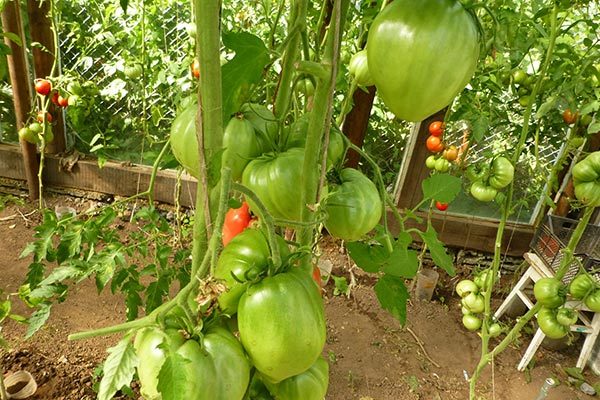
This variety is successfully grown in southern regions or in greenhouses. Its fruits are characterized by excellent flavor, versatility, and the ability to be transported over long distances, making it an ideal choice for both home gardens and industrial production.
Landing features
Growing the Rabochiy Vozdukha Pasta tomato variety requires careful preparation. Choose a sunny planting site with light, well-drained soil rich in organic matter. In the fall, dig the soil and add humus, and in the spring, apply mineral fertilizers (superphosphate, potassium salts).
Before sowing and planting, it's important to practice crop rotation. Tomatoes grow best after onions, carrots, zucchini, or legumes. Avoid planting after potatoes or peppers to minimize the risk of disease.
Sowing seeds
Sow seeds 50-60 days before planting. Follow these recommendations:
- Pre-soak the planting material in growth stimulants or a weak solution of potassium permanganate to disinfect. Then rinse with clean water and dry.
- The soil for seedlings should be loose and nutritious. You can use a mixture of garden soil, peat moss, and humus in equal proportions.
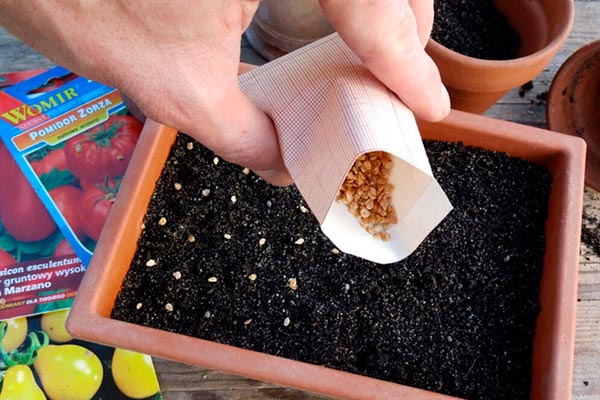
- Plant the seeds to a depth of 1-1.5 cm, then cover the containers with film or glass to create a greenhouse effect and place them in a warm place (+25°C).
- ✓ The optimal soil temperature for planting seedlings should not be below +14°C, which is critical for preventing stress in plants.
- ✓ The seeding depth must be strictly maintained within 1-1.5 cm to ensure uniform germination.
Growing conditions
To ensure good growth and development, create a suitable environment for the seedlings. Daytime room temperatures should not exceed 22-26°C, and nighttime temperatures should not fall below 16°C. Ensure daylight hours are at least 12-14 hours. Install phytolamps if necessary.
Humidity should be moderate, without sudden fluctuations. Regularly moisten the soil, but avoid stagnant water. Apply the first fertilizer 10-14 days after germination – apply nitrogen fertilizer to promote foliage growth.
Transplanting
Transplant the seedlings into open ground or a greenhouse once the danger of frost has passed and the soil temperature reaches 14–16°C. Harden off the seedlings by placing them outdoors 7–10 days before planting, gradually increasing the time spent outside the greenhouse or indoors.

Prepare holes according to a 50x60 cm planting pattern. Add compost or humus to each hole. After planting, water the seedlings generously with warm water and mulch the soil with straw or peat to retain moisture.
The intricacies of caring for tomato bushes
To achieve bountiful harvests, it's important to take care of your crops, pay a little attention to planting, and follow standard care procedures. Basic care procedures include:
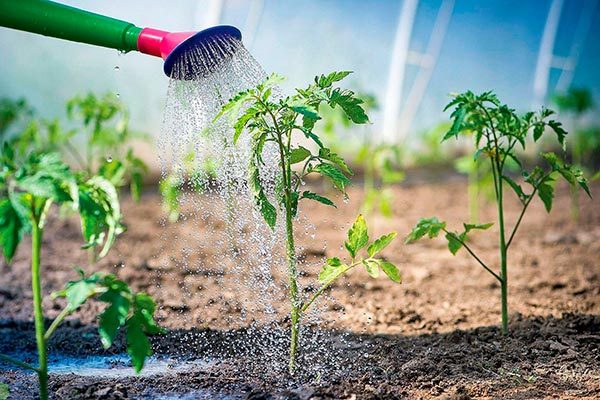
- Watering. Water the bushes regularly, preventing the soil from drying out or becoming overwatered. Pour warm, settled water under the roots.

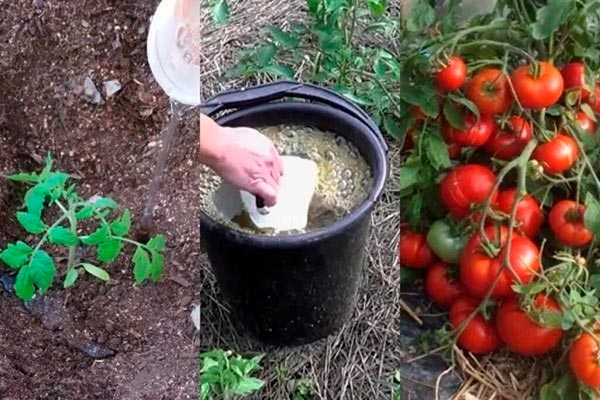
- Top dressing. Two weeks after planting, apply a complex fertilizer containing nitrogen, phosphorus, and potassium. During flowering, focus on phosphorus and potassium to stimulate fruit formation.
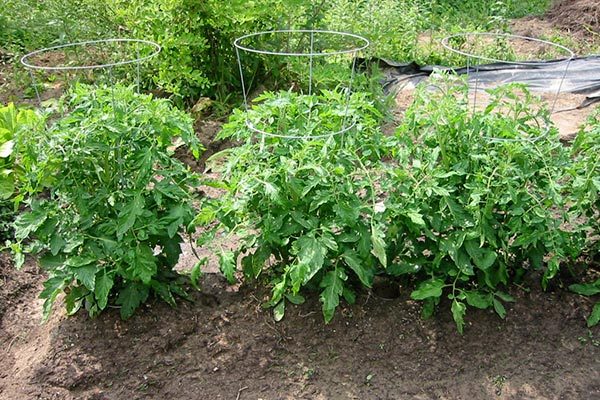
- Formation of a bush. The working release of the paste tomato requires proper shaping. Remove side shoots, leaving 1-2 main stems. Pinch off the top 1-2 months before the end of the season to allow the plant to focus on fruit ripening.
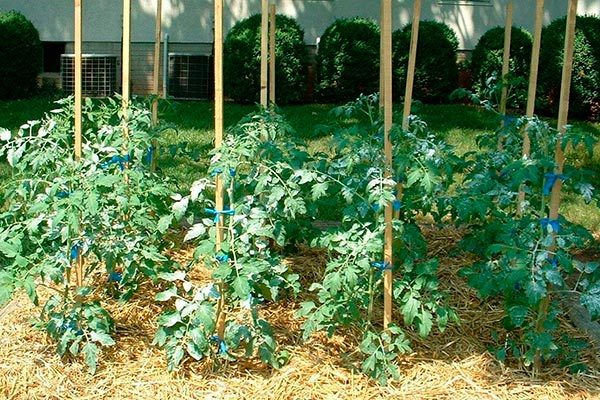
- Garter. The bushes are tall, so secure the stems to supports or trellises to prevent them from breaking under the weight of the fruit.
- Prevention of diseases and pests. Treat the crop with fungicides (such as copper sulfate) and insecticides to protect against pests. Folk remedies such as garlic or tobacco tincture are also effective.
- Loosening and mulching. Loosen the soil after each watering to improve oxygen access to the roots. Mulching helps retain moisture and suppress weed growth.
Pros and cons
An interesting feature of this variety is the fruit's shape, reminiscent of elongated hearts. Moreover, a single plant can produce both rounded and more elongated tomatoes.
Gardeners consider the only drawback to be the fruit's tendency to crack, but this does not affect their taste in any way.
Reviews
The Rabochiy Voydu Pasty tomato impresses with its high productivity, low maintenance, and exceptional taste. This variety is resistant to adverse conditions and shows positive results with timely cultivation. Even beginners will appreciate it, as it requires minimal time and effort.