
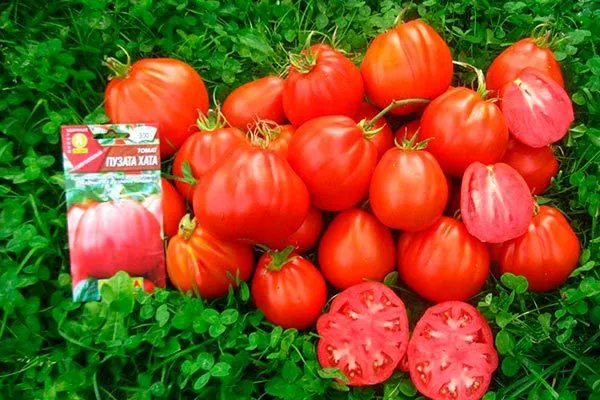
The Puzata Khata tomato is one of the most interesting and popular varieties, combining excellent productivity with low maintenance. Its unusual ribbed fruits attract attention with their unique shape, and their flavor makes them an excellent choice for a variety of dishes. By following proper cultivation practices, you can reap bountiful harvests.
Historical background
It was developed through selective breeding. The first plant was obtained in 2012 under the guidance of experienced scientist V. Kachainik. In 2013, it was added to the State Register, and registration was handled by Agrofirma Aelita LLC.
Productivity of the Puzata Khata tomato variety
To obtain larger volumes when planting in open ground, it is recommended to plant up to 4 bushes per 1 square meter, which allows for a yield of up to 12 kg per square meter.
- ✓ The optimal soil temperature for planting seedlings should not be below +12°C.
- ✓ The distance between bushes when planting should be at least 50 cm to ensure sufficient ventilation and lighting.
Ripening period
This is an early-ripening variety—the vegetables ripen in 95-100 days. The bush blooms with yellow inflorescences that quickly fade, giving way to small green fruits. In a warm, sunny summer, the first harvest can be collected as early as late June.
Description of bushes
The plants are indeterminate. They reach a height of up to 2 m in a greenhouse and up to 1.5 m in the open ground. The stems are covered with medium-sized, dark green leaves.
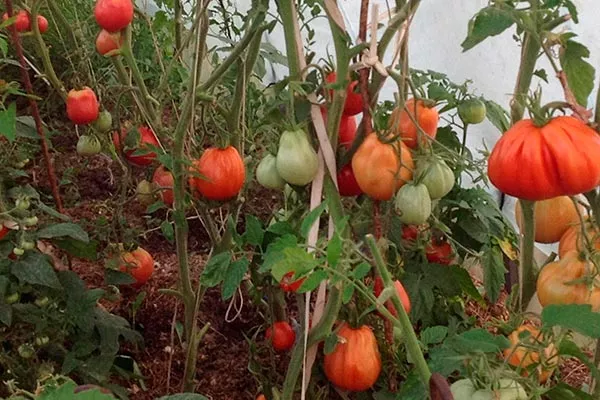
The inflorescences are of an intermediate type. The peduncle is unjointed. Each bush produces ovaries with 4-6 locules.
Characteristic qualities of fruits
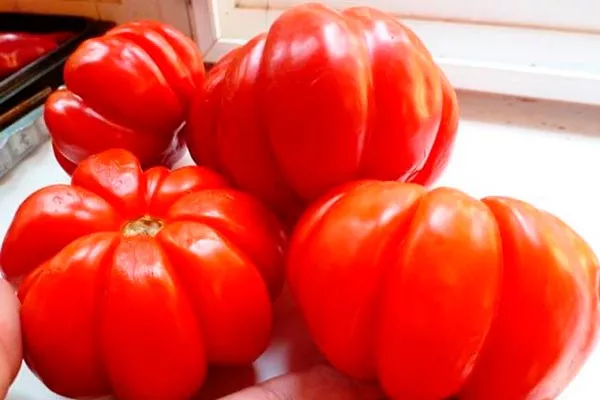
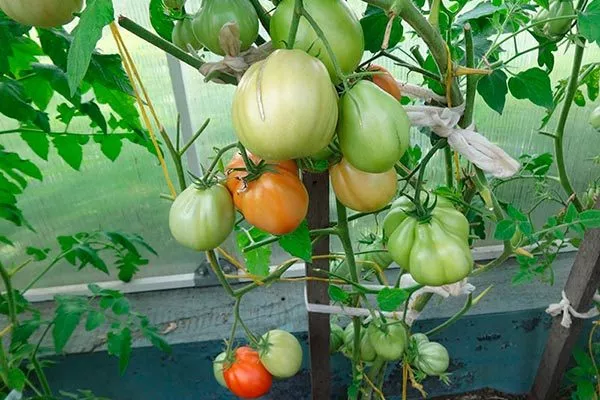
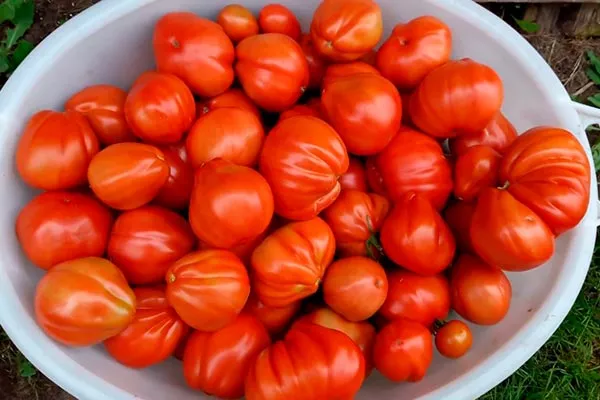
Tomatoes have a distinctive shape that can change depending on environmental conditions. They are pear-shaped and ribbed. They taper toward the stem and widen toward the tip. They can be more or less round, and the grooves are sometimes barely visible.
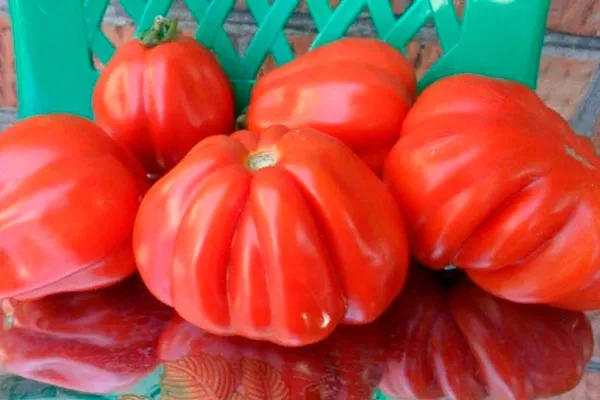
Distinguishing features:
- red;
- dense, fleshy pulp;
- granular structure when fractured;
- strong peel - even when falling to the ground, the fruits do not burst;
- Tomatoes can be picked when they are brown - they ripen well during storage.
The size of tomatoes depends on various factors:
- intensity of feeding;
- bush formation;
- standardization of brushes;
- watering;
- weather conditions.
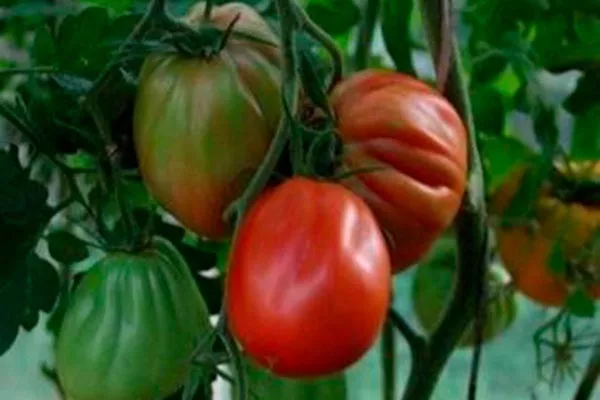
The weight of a single fruit varies from 200 to 300 g. To increase the size, it is recommended to thin the ovaries. To reduce their size for whole-fruit canning, you can train the bush not with 1-2 stems, but with 3-4 stems and avoid plucking excess specimens and flower clusters.
Taste characteristics of tomatoes
The vegetables have a sugary flavor with a barely noticeable sourness, which is why gardeners consider the variety bland. It's an ideal product for people with diabetes and gastrointestinal diseases.
Scope of use
The Puzata Khata variety is suitable for fresh consumption. It's ideal for salads both in winter and summer, and also for vegetable slices. The tomatoes are great for making paste, sauces, or ketchup. The tomato juice is thick and sweet.
Resistance to diseases and pests
This variety is rarely affected by infections and is almost immune to insect attacks. However, if improperly cared for, it can suffer from various diseases requiring immediate intervention.
Transportability
Puzata Khata tomatoes are highly resistant to transportation and long-term storage. The peel of the fruit reliably preserves the contents for a long time.
Geography of cultivation
Tomatoes are successfully grown throughout Russia. In the northern regions, seedlings are grown in greenhouses or in open ground, covered with plastic.
In the southern regions, the fruits reach their maximum parameters, but in some cases they may not ripen completely, and their size remains small.
Weather resistance
The bushes produce fruit actively, even in hot weather. However, they do not tolerate cold temperatures or sudden temperature fluctuations well. Unstable temperatures during the flowering period can lead to changes in the shape of the tomatoes.
The plants are sensitive to light. Although the variety is early ripening, the first tomatoes ripen two weeks later than expected, especially in regions with short daylight hours. Insufficient light affects the taste. To address this issue, supplemental lighting is used in greenhouses where necessary.
Seed producers
Currently, Puzata Khata tomato seeds are produced not only by Aelita, but also by other producers, such as Timiryazevsky Nursery, Russkiy Ogorod-NK, and GL SEEDS.
Growing seedlings
Growing seedlings is straightforward, making it easy even for beginners. However, it's important to follow certain guidelines to ensure bountiful harvests throughout the season.
Seedling sowing dates by region
Although the Puzata Khata tomato variety was bred for all regions of Russia, most recommend growing it indoors—in greenhouses, hotbeds, or under plastic. Outdoor gardens in temperate climates often fail to fully ripen the vegetables, or they are smaller in size.
In southern regions, fruit ripening isn't a problem, but you'll need to water the plants more frequently. High yields can only be achieved by planting seedlings. Seedlings should be 55-60 days old before transplanting to the garden.
The timing of seedling transplants varies by region, so plan your sowing time according to your local climate. Ideally, sowing should be done between March 1 and 15, and planting should be done between May 15 and June 5.
Consider the landing features:
| Oblast, region | Peculiarities |
| Urals, Siberia | Start sowing in the second ten days of March, and transplant into greenhouses or gardens in late May or early June. |
| The center of the country, central regions | Sowing is in February and March, transplanting into greenhouses is in mid-April, into open ground is from mid-May (if there are no recurrent frosts). |
| Krasnodar Krai, North Caucasus, southern regions | Open ground sowing is possible in April, provided the soil temperature is at least +12°C. Sow for seedlings in January-February. Transplant after 2 months. |
Seed processing
Before sowing, treat seeds purchased from growers with growth stimulants and fungicides to increase their disease resistance. If you're harvesting seeds from your own tomatoes, they'll require additional pre-sowing treatment:
| Processing method | Target | Solution/composition | Processing process |
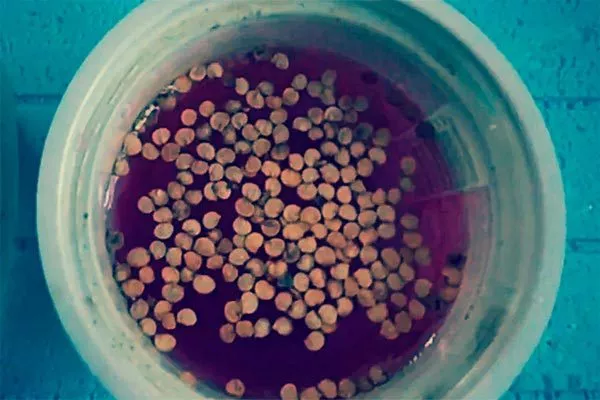
| Rejection | To select quality seeds. | Warm solution of water and salt (1 tbsp. per 0.5 l of water). | Soak the seeds in the solution for 10 minutes. Discard any that float to the surface and keep those that sink to the bottom. |
| Hardening | To increase resistance to temperature changes. | Wet cloth. | Place the seeds alternately in the refrigerator for 12 hours, then in a warm place for 12 hours. Repeat this process for 5-7 days. |
| Disinfection | To increase resistance against infections. | Fungicidal mixture or solution of potassium permanganate. | Soak for 6 hours in potassium permanganate or treat with a fungicide according to the instructions. |
| Stimulation | For fast germination and strong seedlings. | Preparations such as HB-101, Epin (2 drops per 100 ml of water). | Immerse the grains in the solution for 2 hours. |
| Germination | To increase germination up to 99.9%. | A damp cloth or growth stimulator solution. | Place the seeds in a cloth at 22-25°C, moistening regularly. When sprouts appear, sow them in the soil. |
Selecting a container and preparing the soil mixture
Pricking out tomato seedlings remains a contentious issue even among experienced gardeners. In their recommendations for the Puzata Khata variety, the originators recommend transplanting the seedlings and then fertilizing them.
Here are some options for sowing technology:
- Sow the seedlings in small containers. When the seedlings have 2-3 true leaves, transplant them into larger containers, leaving the root ball intact.
- Sow seeds directly into peat or plastic cups, or peat pellets. This method eliminates the need for transplanting, as the plants are planted in the soil along with the "house" or transferred with the soil ball. It's important that the container be at least 10 cm high.
- Place the seeds deep into common boxes, then transplant them as the seedlings grow.
Be sure to disinfect any potting mix, even if it's store-bought, by steaming, freezing, pouring boiling water over it, or heating it. To prepare your own potting mix, use:
- garden soil;
- black peat;
- compost or humus;
- ash;
- sand;
- perlite.
Mix all ingredients thoroughly until the resulting mixture is homogeneous.
Sowing seeds
Begin planting the seeds, but do so carefully to maximize germination rates. Here's a step-by-step guide:
- Place a 1.5 cm thick drainage layer at the bottom of the common container, then fill it with moistened substrate.
- Spread the seeds on moistened soil mixture and press them lightly into the soil. If the seeds sprout, carefully place them to avoid damaging the sprouts.
- Cover with a 1.5 cm layer of soil. The distance from the edge of the container to the soil surface should be at least 4-5 cm.
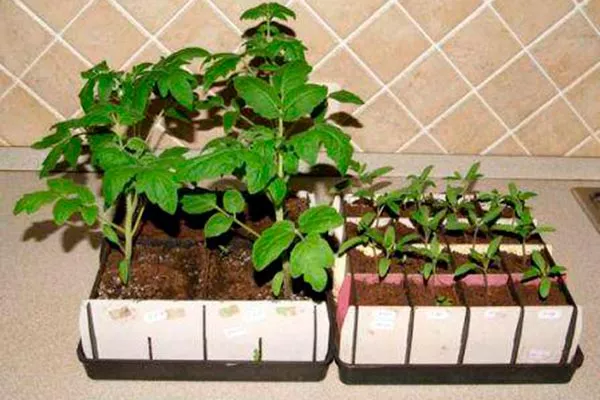
As the seedlings grow, periodically add new soil to encourage lateral root growth. Moisten the seeds with a spray bottle. Until germination, keep the containers in a warm, shaded area and cover with plastic or glass to create a greenhouse effect. Ventilate the soil daily.
Caring for seedlings
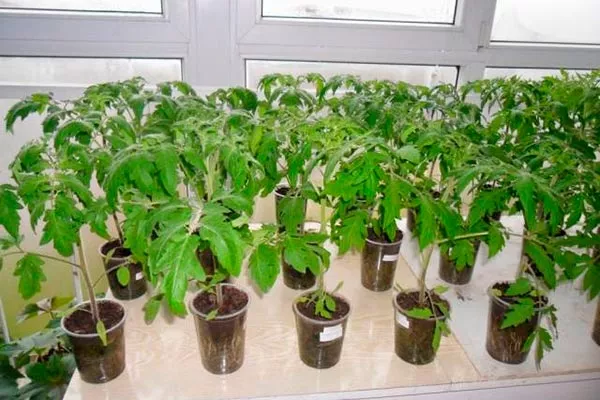
Once the seedlings emerge, remove the cover and move the containers to a location with diffused sunlight. If growing seedlings in winter (February, March, and April), supplemental lighting with phytolamps for 12 hours of daylight is recommended.
Helpful tips:
- If the seeds were sown in shared containers, transplant the seedlings into individual cups after 2-3 true leaves appear. Sprinkle the seedlings in individual containers with soil as they grow to encourage additional root development.
- Provide moderate watering. Water the seedlings only after the top layer of soil has dried out.
- Consider weekly fertilizing with small doses of humate or biological fertilizers such as Baikal, Siyanie, Effekton, Agricola, or Ideal. Fertilizer dosages are indicated on the packaging.
A week before planting the seedlings in the ground, begin hardening them off by placing them outside. Initially, leave them outside for 30 minutes, then gradually increase the time spent outside. At the end of the week, leave the seedlings outside overnight. During this period, reduce watering to a minimum.
Cultivation of tomatoes
Proper crop care is the key to a high yield and quality fruit. It's important to follow basic agricultural practices to maintain healthy plants and ensure bountiful harvests.
Planting in the ground
Prepare the soil for growing tomatoes in the fall: dig it over, remove weeds, and add compost. Repeat the process in the spring, adding humus at a rate of 10 kg per square meter.
Follow the recommendations:
- Dig holes 20 cm deep, treat them with a strong solution of potassium permanganate and cover with a handful of ash.
- Moisten the seedlings in the pots and transfer them, together with the lump of soil, into the prepared holes.
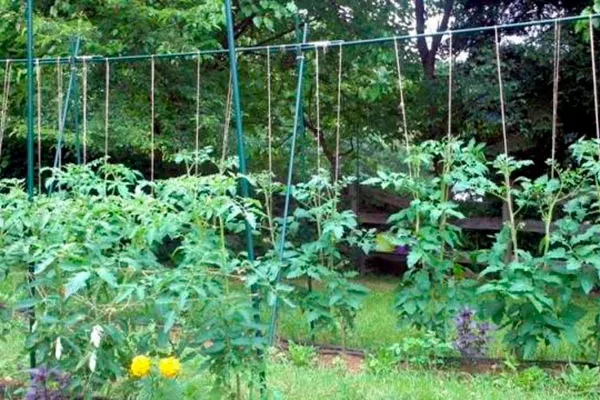
Since tomatoes need to be supported, place the plants next to trellises to which you will later tie the stems and clusters of fruits.
Pinching out side shoots and garter
After planting in open ground, wait until the plant has fully recovered before shaping the bush. Follow these rules:
- Remove side shoots with scissors or by hand, pinching them no more than once a week. Leave no more than 2 cm, and the side shoots themselves should not exceed 5 cm in length.
- To obtain a healthy bush, grow a tomato plant in two stems, leaving the stepson that appears from under the first leaf.
- To obtain large fruits, no more than 8 clusters should remain on the plant during growth.
- Remove any leaves touching the ground. To retain moisture in the roots, create a hole after planting.
- To prevent the bush from stretching, pinch the growth point.
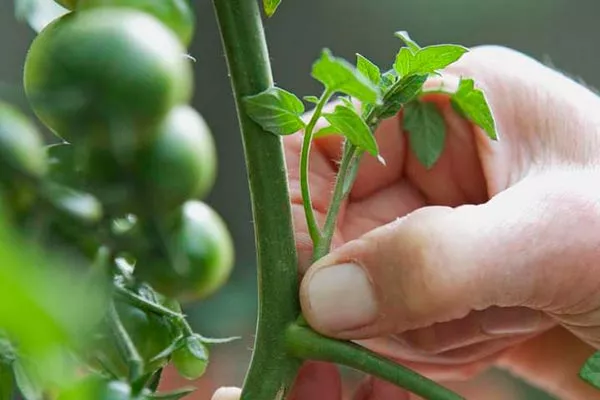
To avoid damage to plants during the fruiting period, tie the stems to pre-installed supports. You can also use taut ropes.
Watering, weeding and loosening
After planting the seedlings, moisten the soil thoroughly. Subsequently, water the bushes once a week with warm water. Increase the frequency of watering during drought conditions. Weed the beds regularly, removing weeds. Frequent loosening of the soil promotes water and air permeability.
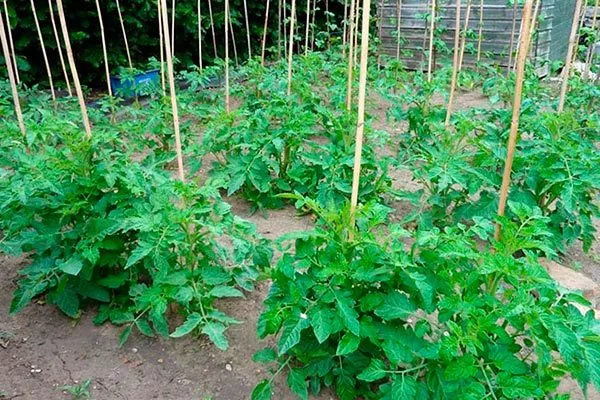
To make care easier, mulch the soil with wood chips, pine needles, peat, or straw. This helps retain moisture in the soil and is an excellent preventative against bacterial diseases.
Top dressing
To ensure a high yield, fertilize your plants regularly with both mineral and organic fertilizers. Here's a convenient schedule:
- Dilute the manure in water at a ratio of 1:10 and let it sit for 8-10 hours. Use the resulting mixture to water the bushes at the roots.
- Apply nitrogen fertilizer before tomatoes begin to bloom. To do this, dissolve 1 tablespoon of nitrophoska in 10 liters of water and water the soil under the plants.
- Mineral complexes (Kemira Lux, Kristalon, Rastvorin, Cytovit) help replenish potassium, phosphorus, magnesium, zinc, and manganese deficiencies, stimulate fruit set, and accelerate ripening. Apply fertilizers once every two weeks as foliar feeding.
| Type of feeding | Periodicity | Efficiency |
|---|---|---|
| Organic | Once every 2 weeks | High |
| Mineral | Once a week | Average |
Treat the bushes with superphosphate once every two weeks. To do this, use 20 g of the product and 40 g of ash per 10 liters of water.
Possible difficulties
The Puzata Khata variety requires little care, thrives in a variety of climates, and is highly resistant to most diseases. However, some gardeners notice that the tomatoes may appear dry and hollow at the stem. This is usually due to insufficient watering or insufficient fertilizing.
Diseases and pests
The variety is resistant to most diseases. However, experienced vegetable growers recommend preventative measures to prevent fungal infections, including:
- regular ventilation of the greenhouse;
- dusting plants with ash;
- Planting pest-repellent plants: marigolds, mustard, garlic or calendula.
If signs of disease or pests appear, spray the bushes with a solution of potassium permanganate, Epin or Fitosporin, insecticides to control insects, or biofungicides, especially during fruiting.
Growing in open and closed ground – nuances
The main thing is to maintain the correct watering and fertilizing regimen. Don't transplant the seedlings into the greenhouse until mid-April, and into the open ground until late May.
To protect the plants in the first few days after planting, set up a temporary greenhouse using awnings and plastic. Choose a south-facing location for the tomatoes, away from standing water and drafts.
In a greenhouse, increase watering frequency to twice a week, especially in hot weather. Ventilate the room regularly to maintain optimal growing conditions.
Harvesting and storage
When the fruits reach maturity and turn bright red, you can pick them from the vines. Tomatoes produce fruit from late July until autumn. Harvest the vegetables when they are fully colored, but you can also harvest slightly unripe ones for storage if frost or rain is expected. Leave a small stalk.
Store the harvest in a cool, dry place at a temperature of 5-12°C with good ventilation. Store tomatoes in boxes or crates, but do not pack them too tightly. Leave unripe tomatoes to ripen at room temperature, but check them regularly for damage or rot.
For canning, use medium-ripe tomatoes—they're perfect for preserves like tomato juice, paste, pickling, and pickling. For longer storage, you can freeze the vegetables, but this will reduce their flavor as they lose their texture when defrosted.
Pros and cons
The Puzata Khata tomato variety has several distinct advantages that set it apart from others. It's important to consider its downsides to avoid growing difficulties.
Advantages of culture:
Among the negative qualities, some gardeners note the need for shaping and staking, as the bushes are quite fragile. Furthermore, the variety requires fertile soil for proper growth and yield.
Reviews
The Puzata Khata tomato is a variety that will meet the expectations of even the most demanding gardeners. Its high productivity, excellent taste, and strong immune system make it an ideal choice not only for experienced gardeners but also for beginners. With proper care, this tomato will reward you with abundant harvests throughout the season.