
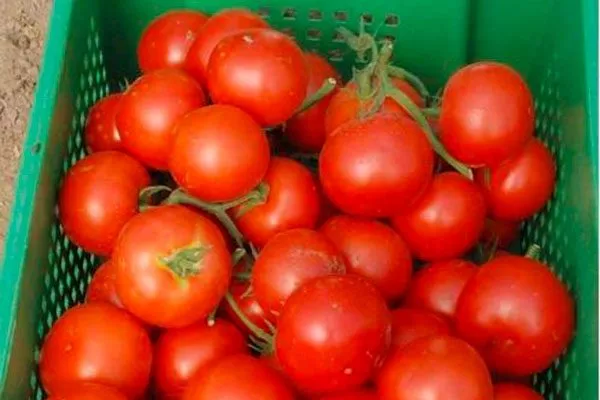
Prima Donna is an early-ripening hybrid tomato variety with high yields and excellent flavor. The medium-sized tomatoes are a rich red color. They do not crack when ripe, have a balanced flavor, and a slight tartness. The variety is disease-resistant and tolerates adverse weather conditions well.
Description of the bush and fruits
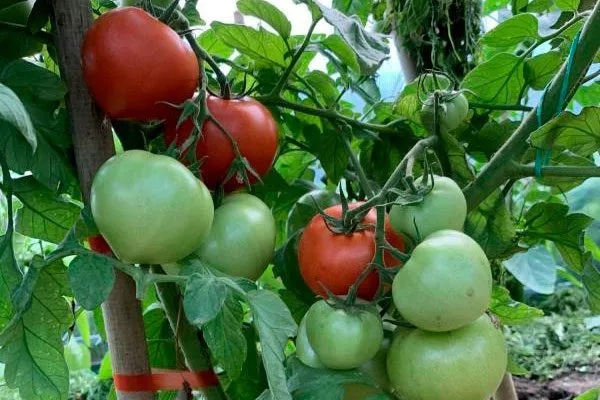
This medium-sized, determinate plant reaches a height of 120-130 cm. It has a strong central stem covered with barely noticeable pubescence, a developed root system that spreads outward, and moderately dense large green leaves.
Other important features:
- The inflorescences are simple, and the first fruiting cluster forms above the 6th to 8th leaf, where 5 to 7 tomatoes typically grow. A single bush can produce 6 to 8 clusters.
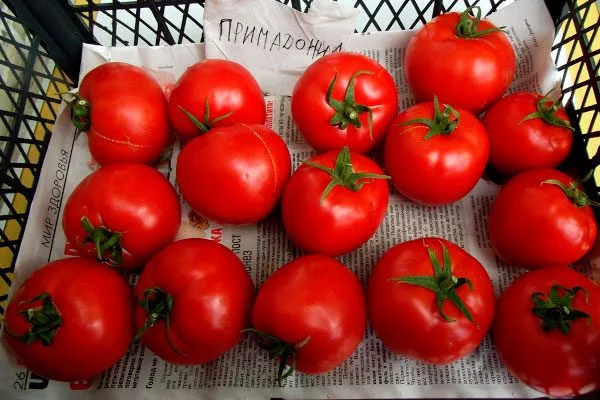
- Tomatoes weigh between 100 and 180 grams. They have a heart-shaped, rounded shape with a distinct "nose," a slightly ribbed, dense, and shiny surface. All the tomatoes are generally of the same size and shape, giving them an attractive presentation.
- The skin is tough, preventing cracking. When ripe, the fruits are bright red, while when unripe, they are light green with no distinct spot at the base.
Characteristics of the Prima Donna tomato variety
In areas with short, cool summers, tomatoes are especially prized for their ability to produce an excellent harvest in a short period of time. One such variety is an early-ripening variety with a striking name—it grows successfully both in open ground and in a greenhouse.
Growing regions, origin
The crop was developed by Russian breeders and, after successful testing, was added to the State Register in 2007. Yu. Panchev became the head of the development team.
The hybrid was developed taking into account cultivation in the following areas:
- Northern;
- Central;
- Northwestern;
- Central Black Earth;
- Volga-Vyatka;
- North Caucasian;
- Ural;
- Far Eastern and others.
The bushes show good results even in areas with less than ideal conditions for farming.
Ripening period, yield
The hybrid's key feature is its early ripening period—the growing season lasts only three months. This allows for two harvests per season with proper care. The crop is highly productive—gardeners harvest up to 6 kg of tomatoes per square meter. This applies to both open-field and greenhouse cultivation.
To increase yields, it's important to select high-quality planting material, discard weak seedlings, fertilize regularly, water the plants properly, and stimulate fruit set by spraying with boric acid. It's equally important to prune the bushes and remove excess leaves.
Resistance to diseases, pests, and bad weather
Prima Donna has strong disease resistance. It is virtually immune to Alternaria, Verticillium wilt, tobacco mosaic virus, and Fusarium wilt. Thanks to its early ripening period, it produces a harvest before the onset of late blight on nightshades.
Purpose and application
These tomatoes have excellent flavor, despite their hybrid origins. Their flesh is dense, meaty, and juicy, with few seeds and not watery. The flavor combines tartness and sweetness, with a vibrant aroma and subtle spicy notes.
These vegetables are ideal for fresh consumption, vitamin-rich salads, and sliced vegetables. They are also used for canning and processing. They are also used in baking, stewing, and hot dishes.
How to grow?
Tomato seedlings begin to be cultivated two months before they are scheduled to be planted outdoors. In most regions, seeds are sown in March. It's important to do this correctly to ensure strong, high-quality seedlings.
How to prepare seeds?
Before planting, sort the seeds—choose firm, light-colored ones without spots or damage. Be sure to check the expiration date on the packaging.
Disinfection of planting material helps prevent plant diseases: soak the seeds for 30 minutes in a solution of potassium permanganate (1 g per 10 ml of water), then rinse them under running water.
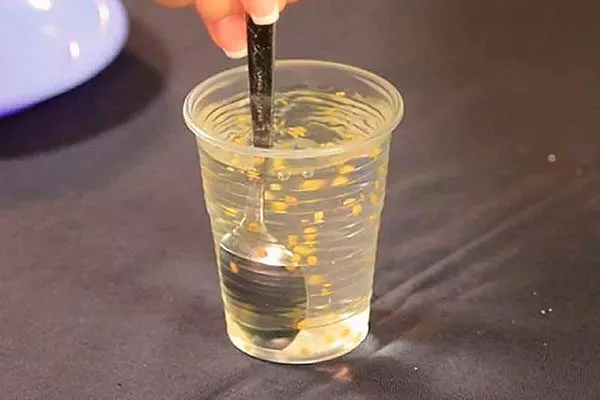
To speed up germination, soak the seeds in a growth stimulator or use another method. The most popular ones are:
- Purchased drugs. Experienced gardeners often choose Epin or Fitosporin. Treat the seeds according to the package instructions.
- Folk remedies. Effective solutions include: aloe juice diluted with water in a 1:1 ratio, a baking soda solution (5 g per 200 ml), and a honey mixture (5 g honey per 200 ml). Soak the seeds for 12 hours.
| Method | Processing time | Efficiency |
|---|---|---|
| Purchased drugs | According to the instructions | High |
| Folk remedies | 12 hours | Average |
Seeds can be germinated in cheesecloth soaked in clean water. Wrap them in the cloth and place them on a saucer, then cover with plastic wrap and place in a warm place. They will sprout in a few days.
Selection of soil and containers
When growing tomatoes, choose containers that provide comfortable growing conditions for the plants. Large, shallow trays are convenient for sowing. Special containers and boxes aren't necessary—usually available materials will do just fine:
- instant noodle boxes;
- plastic containers for herring and seafood;
- cake packaging;
- disposable tableware;
- cut eggplants.
For transplanting seedlings, choose containers with a capacity of approximately 300 ml. Before use, disinfect them by soaking them in a strong solution of potassium permanganate for half an hour.
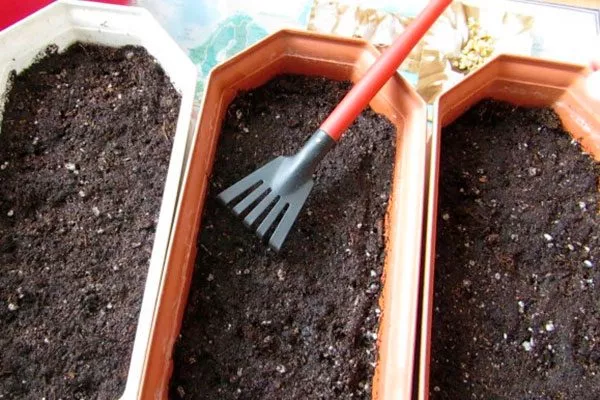
Soil for tomatoes is equally important. You can purchase it at a specialty gardening store or prepare it yourself:
- Mix black soil with humus, add ash and superphosphate.
- To make the soil lighter, add sand, sawdust, peat or coconut fiber in equal proportions to improve the structure.
Sowing seeds and growing seedlings
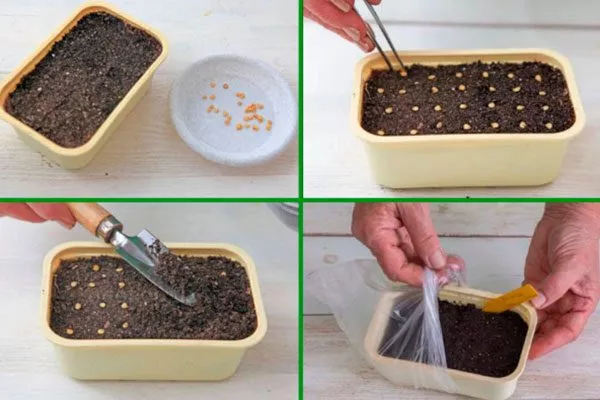
Place drainage material (shell rock, small pebbles, or crushed expanded clay) at the bottom of the container, and top with prepared soil. Next, follow these steps:
- Make furrows in the soil 1 cm deep, spaced 3 cm apart. Sow the seeds in these furrows, leaving 2 cm between them. Fill the furrows with soil.
- After sowing, mist the seedlings with warm water from a spray bottle, cover with plastic wrap or glass, and place in a warm area. The warmer the temperature, the faster the seeds will germinate. You can place the seedling trays near a radiator.
Some gardeners prefer to grow seedlings using the Chinese method: the seeds are placed in a cool place for several days, then sown during the waning moon in the constellation Scorpio, and transplanted a month later.
To ensure healthy and strong plants, care for your seedlings properly. Basic recommendations:
- After the seeds have sprouted, move the containers to a well-lit area. Remove the film after a week.
- Water the plants only at the roots, avoiding watering the above-ground parts. For fragile seedlings, use a pipette or syringe. After transplanting, water with warm, settled water from a watering can or bottle.
- Transplant the seedlings after the first true leaves appear. Do not pinch the central root, as it will be damaged during transplantation.
- Water and feed the seedlings no sooner than a week after transplanting. Fertilize them three times during the growing season with complex fertilizers or vermicompost. Apply the last fertilizer a few days before planting.
Two weeks before moving the plants to the garden, begin hardening them off. Move them to the balcony or outside, gradually increasing the time they spend outdoors.
Transplantation into the ground
Carry out the transplanting process using the transshipment method. Transplant the seedlings to their permanent location when the soil warms up to the desired temperature. Begin in May, but the timing depends on the region's climate: in the south – during the first week, in the north – from the 15th to the 31st, and in the central part of the country – during the first half of the month.
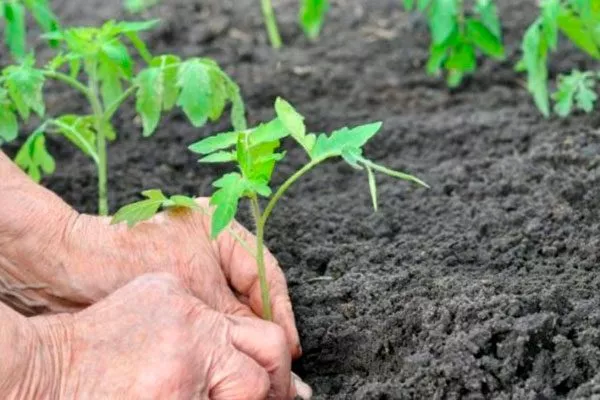
- ✓ Optimum soil temperature for planting seedlings: not lower than +15°C.
- ✓ Distance between bushes when planting: 40-50 cm to provide sufficient space for the root system to grow.
Helpful tips:
- Before planting outdoors, prepare the beds. In the fall, dig them over, clear away plant debris, and add ash, lime, and manure to improve the soil.
- In the spring, dig up the area again and disinfect it with a solution of potassium permanganate or other disinfectants.
- Dig the holes in a checkerboard pattern, following a planting pattern of 50x50 or 40x50 cm.
- Add 20 g of ash to each hole, then fill with water.
- Three days before planting the seedlings, moisten and feed the plants.
Immediately before the procedure, carefully remove the seedlings from the pots, place them in the holes, orienting the roots towards the center, and cover with soil.
Rules for caring for a Prima Donna
The hybrid is easy to grow and requires minimal effort. The future harvest and quality of the vegetables depend on this. It's important to follow standard agricultural practices to achieve the best results.
Spraying and watering
After planting, leave the tomato seedlings alone for the first 5-7 days to allow them to adapt to their new location. During this period, watering and fertilizing can be stressful. If the plants are not taking root well, spray them with growth stimulants such as Epin or Kornevin.
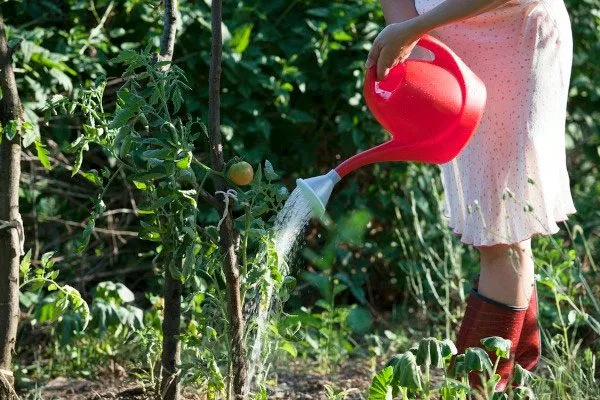
After the adaptation period, water the bushes as the top layer of soil dries out, approximately every 5-7 days, adding 4-5 liters of water each time. This water should be settled and slightly warmed in the sun.
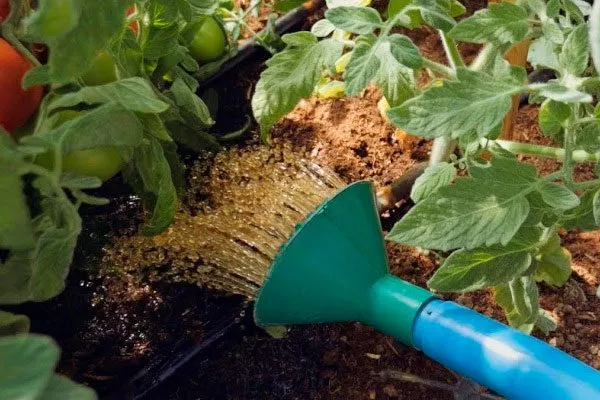
Water in the morning or evening to avoid rapid evaporation and overheating of the roots. Avoid watering the leaves and stems, as this can lead to fungal diseases.
Top dressing
Fertilize tomatoes regularly to ensure a bountiful harvest. Use fertilizers high in phosphorus and potassium, preferably in liquid form. Apply 2-3 applications per season:
- 10 days after planting seedlings;
- during fruit setting;
- during the ripening process of vegetables.
Pruning and pinching out side shoots
Train the bushes into single stems to maximize yield and prevent overcrowding. This technique helps prevent fungal diseases and simplifies care for Prima Donna.
Begin structuring the plants 1-2 weeks after planting. When pruning, remove all side shoots longer than 5 cm. Avoid short shoots, as they can be confused with fruiting clusters. Repeat side shoot removal every 10-14 days.
The basic rules include:
- performing the procedure after sunset to speed up wound healing;
- using sharp, sterilized pruning shears to prevent the spread of diseases and pests;
- removal of stepsons by a sharp movement to the side;
- pre-treatment of gloves with alcohol or potassium permanganate solution.
The hybrid has strong branches that won't support the weight of the harvest, so secure them to supports or trellises. Garden twine or pieces of fabric are suitable for this purpose. If these materials were used last season, boil them for 10-15 minutes to prevent disease.
Optimal conditions
Prima Donna is a heat-loving plant that thrives at temperatures of 20 to 25°C. It can withstand short-term cold spells down to 5 to 6°C, but this carries the risk of bud and fruit shedding.
This variety does not tolerate high humidity, so avoid misting or overhead irrigation. Avoid getting water on the leaves and stems when watering. If you're growing tomatoes in a greenhouse, ventilate it regularly to ensure fresh air.
Choose sunny areas – plant seedlings in beds with maximum sun exposure. Arrange them along a south-to-north axis to ensure all plants receive adequate light.
Mistakes when growing
Gardeners often make several common mistakes when growing tomatoes, which can impact their health and yield. Here are the most common:
- Watering with a hose. This method of watering is undesirable, as moisture can get on the leaves and stems, increasing the risk of disease. Furthermore, water from a well or borehole is too cold for tomatoes.
- Refusal to loosen the soil. After each irrigation, a crust forms on the soil surface, which prevents normal air exchange and moisture evaporation, which negatively affects plant growth.
- Over-hydration. Soil that's too wet promotes the development of fungal and viral diseases and can lead to root rot. This reduces the quality of tomatoes and diminishes their flavor.
Sometimes gardeners remove side shoots during the hottest hours of the day. Performing this procedure in hot weather increases the risk of infection. It's best to do this in the morning or evening, when temperatures are cooler.
Features of growing a hybrid in open and protected ground
The crop is most often grown in open-air beds, but planting seedlings in a greenhouse can significantly increase yields. If the bushes are grown outdoors, follow a few rules:
- For the first 14 days after transplanting, cover the seedlings with film to help them adapt to the new conditions.
- Mulch your garden beds—this helps retain moisture and prevent weed growth. Use hay, straw, or burlap.
If you're growing tomatoes in a greenhouse, ventilate the room regularly. Open the windows daily to ensure adequate ventilation.
Pest and disease control, prevention
Prima Donna has a strong immune system and rarely gets sick, but the bushes can be attacked by insects. The hybrid is susceptible to the following pests:
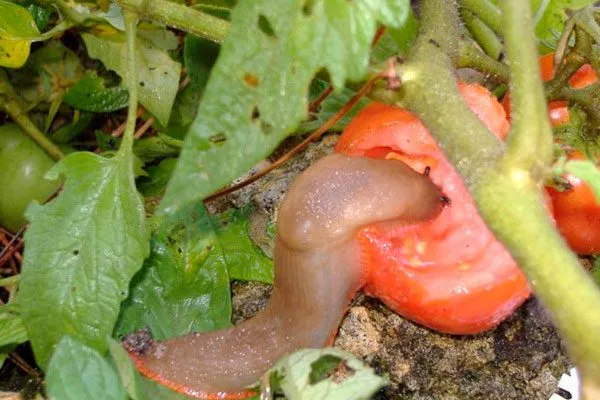
- Slugs. These shell-less snails feed on stems and leaves at night, leaving shiny trails. Sprinkle crushed eggshells or wood ash between the rows. The insecticide Fitoverm is effective.
- Mole crickets. Large pests that burrow underground and damage roots, leaves, and fruit. Place poison traps around the perimeter of the plot and apply liquid insecticides such as Grizzly or Aktara. Pour them into the insects' burrows.
- Aphid. These are small parasites that feed on leaves and shoots. For large infestations, treat the plants with Actoverm or Decis. Folk remedies such as tobacco, soap, or ash solutions can also help.
For prevention:
- dust with wood ash;
- spray the bushes with garlic infusion or mustard powder;
- Plant marigolds, sweet tobacco, or calendula around the perimeter of your garden.
Treat tomatoes with insecticides 1-2 times per season, in dry, windless weather, in the morning or evening.
Pros and cons
Before growing seedlings, carefully study all the characteristics of the crop to avoid potential difficulties and ensure bountiful harvests throughout the season. The Prima Donna tomato has many advantages:
Among the disadvantages, some gardeners note the height of the bushes, which require staking. Furthermore, pinching out side shoots is a mandatory care step, despite the fact that the plant produces few lateral shoots.
Reviews
Prima Donna is a popular tomato hybrid that requires little care and is suitable for both greenhouse and open-field cultivation. Its versatility and disease resistance make it ideal for gardeners and farmers, delivering excellent results even in challenging climates. Proper care is the key to producing high-quality vegetables.