
President is a hybrid with high yields and excellent commercial qualities. Large tomatoes are characterized by a sweet flavor and firm flesh, making them ideal for salads and processing. They do not crack or dent during transportation, making this variety suitable not only for personal consumption but also for commercial use.
Description of the bush and fruits
Under favorable conditions, the plant can grow up to 2.5 m or more. In open ground, its height is typically 1.2-1.5 m.
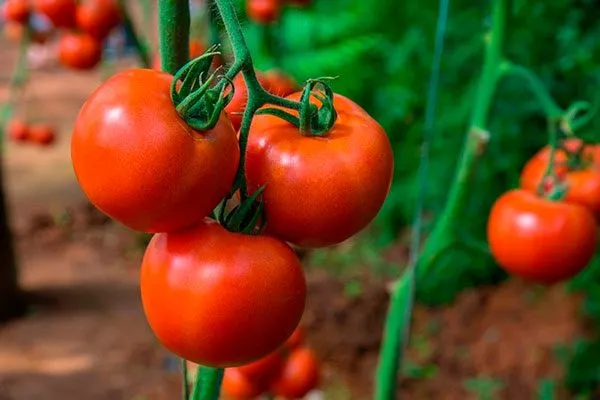
Distinctive characteristics of tomatoes:
- Unripe tomatoes are greenish in color with a barely noticeable spot near the stem. As they ripen, they turn red with a slight orange tint, and the spot disappears.
- The fruits are large, their weight reaches 250 g.
- The vegetables have a round, flat shape, without ribbing.
- The skin is uniformly orange-red in color.
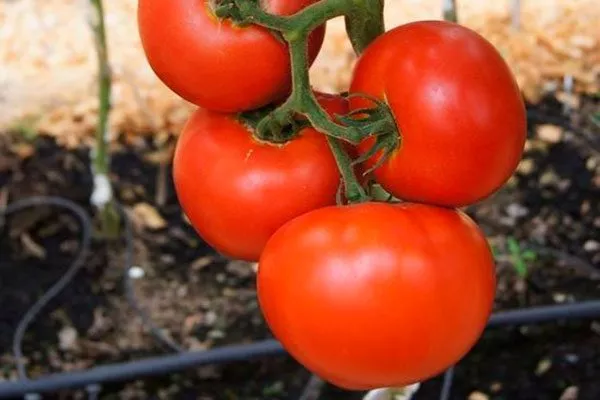
The President variety attracts professional farmers with its excellent marketability and easy transportability. Even ripe fruits retain their appearance during long-distance transport and can be stored for up to three weeks at room temperature.
Main characteristics
Since its introduction to the domestic market, this hybrid has immediately attracted the attention of gardeners. It quickly gained popularity due to its ease of cultivation and ability to adapt to conditions in virtually any region.
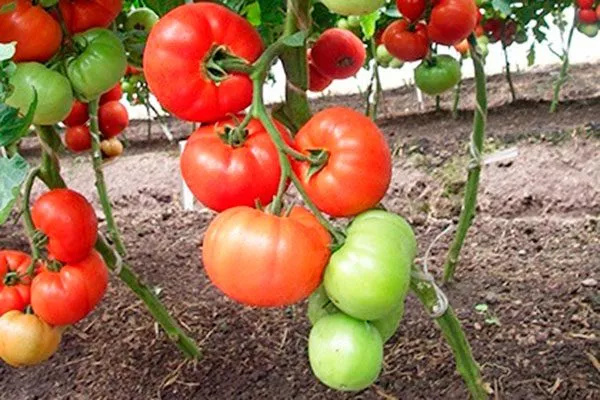
Purpose and taste
The tomato flesh is dense, meaty, moderately juicy, and sweet. Inside are four separate seed chambers. According to growers who grow the President variety, the flavor is even better if the harvested tomatoes are left in a dark place for a week. During this time, their sweetness and aroma intensify.
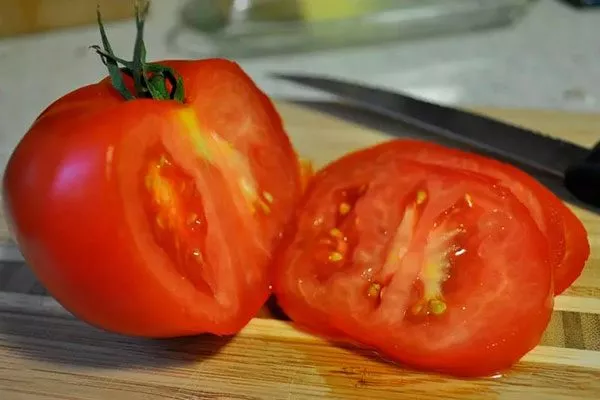
Although this variety is marketed as a salad variety, it's perfect for making sauces, pastes, ketchups, and juices. Housewives often preserve whole tomatoes for the winter.
Productivity, ripening time
President is an early-ripening tomato variety, with a ripening period of approximately 110 days. Harvesting can begin just three months after planting, and continues until the end of September.
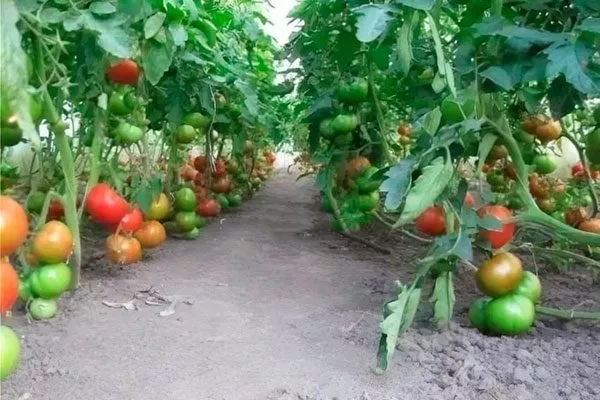
It is characterized by excellent productivity—up to 9 kg of fruit can be harvested per square meter. In the south of the country, tomatoes produce particularly abundantly, but under greenhouse conditions, this variety also produces high yields in cooler regions.
Growing this hybrid in greenhouses is only practical in regions with cold climates. In southern regions, greenhouses have little impact on yield, and the cost of setting them up may be disproportionate to the results.
Origin and regions of cultivation
President was developed by Dutch breeders and is classified as a hybrid. It appeared in 2007 and quickly gained popularity due to its versatility—the plant is suitable for both greenhouse and open-air cultivation.
In Russia, it successfully passed trials and was included in the State Register of Agricultural Crop Varieties and Hybrids. The tomato is highly adaptable and suitable for cultivation throughout almost all of Russia:
- Southern regions. In warm climates, this variety produces maximum yields even when grown outdoors. Here, the bushes can be planted without the use of greenhouses, making the process more cost-effective.
- Central parts of the country and the Moscow region. In these zones, the hybrid produces fruit well both in greenhouses and open ground. However, for an early harvest and protection from possible frosts, the use of hotbeds or plastic covers is recommended.
- Northern regions and Siberia. In cold climates, tomatoes are grown exclusively in greenhouses. This allows the plants to thrive in an optimal environment and produce a consistent harvest.
Due to the variety's versatility, it is successfully cultivated both in private households and on farm plantations, regardless of the climate zone.
How to grow seedlings?
Obtaining high-quality seedlings doesn't require complicated procedures or special conditions. The main thing is to follow standard agricultural practices. The hybrid is unpretentious and easily adapts to a variety of conditions.
Seed preparation
To improve seed germination and protect future plants from disease, pre-treat the planting material. Key preparation steps:
- Calibration. To select high-quality seeds, soak them in a salt solution (1 teaspoon per 200 ml of water). Discard any that float to the surface, and use those that sink for sowing. Then rinse them with clean water.
- Disinfection. Soak the seeds in a potassium permanganate solution (1 g per 100 ml of water) for 15-20 minutes. This will help kill fungal pathogens. After soaking, rinse the seeds under running water.
- Soak. To speed up germination, immerse the seed in warm water or a nutrient solution, such as Epin or Zircon, for 8-12 hours.
- Hardening. To increase plant resistance to temperature fluctuations, place the seeds in a damp cloth and keep in the refrigerator at a temperature of +1…+2°C for 1-2 days.
- Germination. Place the seeds on damp cheesecloth and keep them at a temperature of 22…25°C. After 1–2 days, the sprouted seeds are ready for sowing.
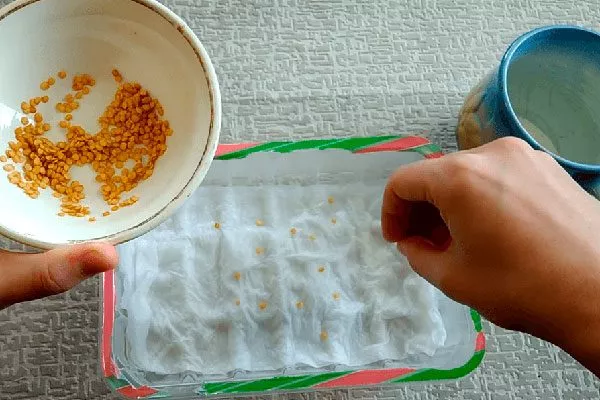
These simple measures will help improve germination and ensure healthy development of seedlings.
Container and soil
To grow seedlings, use shallow boxes, which should be disinfected before planting, as well as the prepared soil.
One of the key stages is the application of fertilizers to the soil in the following proportions:
- ammonium nitrate – 40 g;
- liquid potassium fertilizers – 15 ml in each hole;
- Superphosphate – up to 30 g;
- nitroammophoska – 30 g.
To reduce the risk of fungal diseases, add organic matter in a ratio of 1:10. Mulching is not necessary when growing seedlings.
Sowing
You can sow President tomato seeds either in a large container or individually in cups. The sowing process is quite simple:
- Fill the container with nutritious soil mixture.
- Moisten it lightly with a spray bottle.
- Make furrows 1 cm deep, leaving a distance of 3-4 cm between them.
- Place the grains 1.5-2 cm apart.
- Sprinkle lightly with soil.
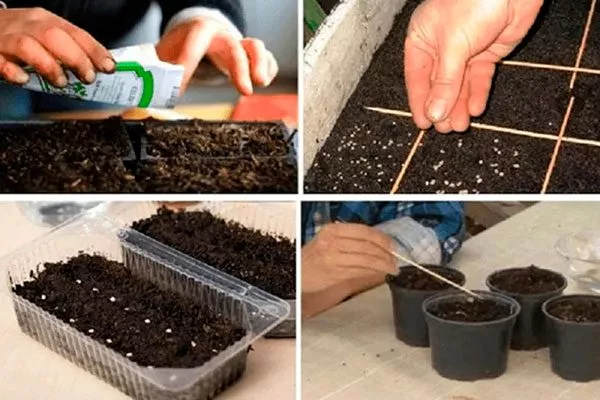
If sowing in cups, place one seed in the center of each. After sowing, moisten the cups with warm water and cover with glass or plastic to create a greenhouse effect. Place the cups in a well-lit area at a temperature of at least 24°C.
Open the cover daily for 20-25 minutes to allow air to circulate. Once 2-3 true leaves appear, you can transplant the plants into the open ground.
Growing seedlings
Until seedlings emerge, the temperature should be around 22-25°C. Once the seeds have sprouted, remove the film and reduce the temperature to 18-20°C to prevent the seedlings from stretching.
Provide the seedlings with the right conditions:
- Plants should receive sufficient light. Use grow lights or place the boxes on a well-lit windowsill. The optimal daylight hours for seedlings are 12-14 hours.
- Water the seedlings moderately, avoiding standing water in the containers. Water the seedlings only when the top layer of soil dries out.
- Two weeks after sowing, when the first true leaves appear, apply a complex fertilizer containing nitrogen, phosphorus, and potassium. It's important not to overfeed the plants with nitrogen, as this can cause excessive growth at the expense of the root system.
In the future, fertilize 1-2 times a month, alternating mineral fertilizers with organic ones - manure infusion or compost.
These steps will help you grow strong and healthy President tomato seedlings, ready for planting in open ground or a greenhouse.
Picking and hardening
When the seedlings have two true leaves, transplant them into separate containers. The room temperature should be around 23°C. They require regular, moderate watering.
To ensure proper growth, provide plants with sufficient light. If this is insufficient, use artificial lighting.
A week before planting in a permanent location, begin hardening off the seedlings: first, take them out onto the balcony for 1 hour, increasing the time spent outdoors by 30 minutes each day.
Transfer
The President hybrid requires strict adherence to agricultural practices. Despite its low maintenance, for successful growth, carefully follow these recommendations:
- Plant the seedlings in the ground 50 days after germination. They can be moved into the greenhouse from mid-May, but timing may vary depending on climate conditions.
- When planting, maintain a distance of 30 cm between plants and 80 cm between rows. Place no more than 4 plants per square meter to avoid competition between them, which can reduce productivity.
- The hybrid is demanding of soil quality – it must be light and fertile.
- The variety does not require excess sunlight, like many other species.
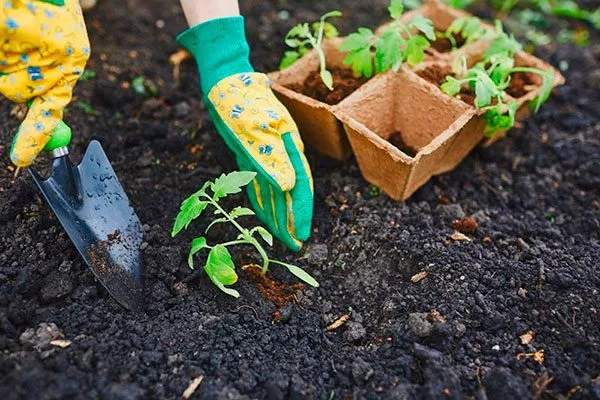
Before planting, add a complex fertilizer such as urea, superphosphate, or leaf mold to the soil, then dig the soil. Add 1 liter of water to each hole before planting.
Subsequent care of the culture
Once the President hybrid tomatoes have been planted in the ground, it's important to provide them with proper care to ensure a bountiful harvest. Properly executed agricultural practices will ensure healthy growth and development.
Watering rules
Ensure regular and moderate hydration. Follow these recommendations:
- Water the plants 2-3 times a week, depending on weather conditions.
- Pour water at the roots, avoiding contact with the foliage to prevent the development of fungal diseases.
- In hot weather, increase the number of activities, but do not allow water to stagnate in the soil, as this can lead to root rot.
- For best results, use warm, settled water, the temperature of which should be around +20-22°C.
- Water the bushes in the morning or evening hours when the sun is not active to minimize moisture evaporation.
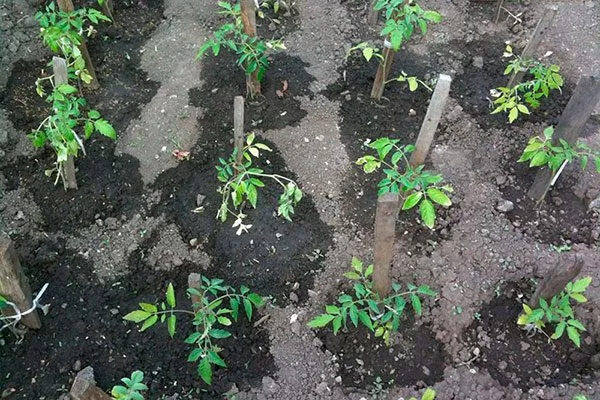
Excessive moisture, as well as dry soil, can negatively affect development.
Fertilization
Tomatoes require regular fertilizing to ensure good growth and development. Follow these guidelines:
- After planting in the ground, fertilize the bushes after two weeks - add nitrogen compounds, for example, ammonium nitrate.
- In the future, alternate organic fertilizers with complex mineral substances. Use mullein infusion, bird droppings, as well as superphosphate and potassium fertilizers.
Fertilize 3-4 times per season, depending on the plant’s needs.
Tomato formation
After planting the seedlings, it's important to properly structure the bush to ensure the best conditions for growth and fruiting. For the President hybrid, shaping it into one or two stems is recommended, depending on growing conditions and goals.
The procedure includes several stages:
- Remove side shoots—these are shoots that grow in the axils between the stem and leaves. Pinch them off regularly, as they drain the plant's energy, which is otherwise directed toward the growth and development of the tomatoes.
- Pinch off side shoots by hand when they reach 3-5 cm in length to avoid damaging the main plant. Do this as they appear to prevent excessive growth.
- Trim the lower leaves to improve air circulation and prevent late blight, a dangerous tomato disease. This helps the plants focus their energy on developing the upper part of the bush and producing fruit.
- Remove only those leaves that are too low, not touching the ground, and that are not green or healthy. Do this carefully to avoid damaging the main stems.
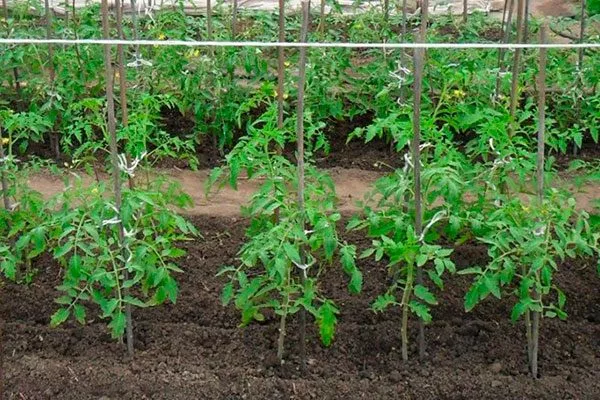
Proper bush formation helps improve fruit quality, increase yields, and minimize the risk of disease.
Features of cultivation and possible difficulties
It's recommended to sow tomato seeds two months before planting the seedlings outdoors. Since seedlings tend to stretch, monitor their growth to ensure they don't exceed 15 cm.
Otherwise, the plants may lag in development. If the bush is semi-determinate, its growth may stop on its own. In the case of possible semi-determinacy, leave the strongest side shoot, which can continue to grow if the main stem stops growing.
Diseases and pests
The President variety has a strong immune system, so with proper care, diseases rarely affect it. However, late blight can be a problem when grown outdoors. To prevent this disease, spray the plants with Fitosporin.
The cultivar may be subject to pest attacks:
- In greenhouses and under film, whiteflies pose a major danger, but can be effectively controlled with standard insecticides or folk remedies.
- Outdoor crops can be attacked by slugs. Set traps or treat the soil with pepper and ash to prevent them. Sprinkle these around the plants, then moisten them to help the substances penetrate the soil.
- Another annoying pest is the Colorado potato beetle. Pick it off by hand or spray the bushes with Aktara or Confidor Extra.
The nuances of growing in a greenhouse
Growing tomatoes in a greenhouse is advisable in cold climates, where it provides additional conditions for growth and protection. In southern regions, this cultivation method has no significant impact on productivity.
How to get seeds for next year?
Many gardeners share their experiences growing President tomatoes from their own seeds on forums. However, the varietal characteristics of the second generation of hybrids often fail to be preserved.
If you'd like to experiment, you can try harvesting seeds from greenhouse-grown tomatoes:
- Choose the highest-quality tomato, making sure it's fully ripe. Cut it in half, squeeze the seeds and juice into a small container, add a little water, and let it sit for 3 days.
- Gently stir the contents of the cup every day. By the end of the third day, mold may appear on the surface—this is not a problem.
- Add water and stir again. The good seeds will sink to the bottom, while the empty ones will float to the surface.
Drain excess water, rinse the clean beans, dry them, and store them in a paper bag. Label the variety and harvest date.
Harvesting and storage of crops
Begin harvesting tomatoes three months after planting. The bushes bear fruit until the end of September. Pick the tomatoes when they're slightly unripe. Place them in a dark place to ripen for 4–5 days at a temperature no higher than 20°C.
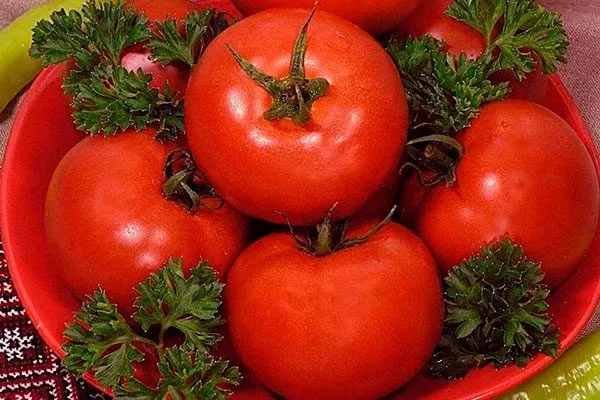
This practice improves the quality of the fruit and allows it to withstand long-distance transportation. A distinctive feature of this cultivar is its long shelf life of ripe vegetables—approximately three weeks.
Pros and cons
The President tomato hybrid has several significant advantages that are important to study before planting in the beds.
Another negative quality is that in the northern regions, the President tomato grows better in greenhouses than in open ground.
Reviews
The President tomato is deservedly popular due to its low maintenance and reliable yield. Its strong disease resistance and excellent flavor make it a top choice for both novice and experienced gardeners.