
The Kiss tomato quickly gained popularity thanks to its unique varietal characteristics. Early maturing, high-yielding, and disease-resistant, it's ideal for both experienced and novice gardeners. It boasts excellent flavor, versatility, and good germination rates. Timely care is key.
Features of the variety
The variety was developed by the agricultural enterprise "Partner" through breeding work led by V. I. Blokin-Mechtalin. In 2019, it was officially included in the state register and recommended for cultivation in both greenhouses and open ground.
Description of the plant
This is an indeterminate variety. Bush heights range from 1.4 to 1.9 m. In greenhouse conditions, they grow taller, so pinching the tops is recommended to conserve energy.
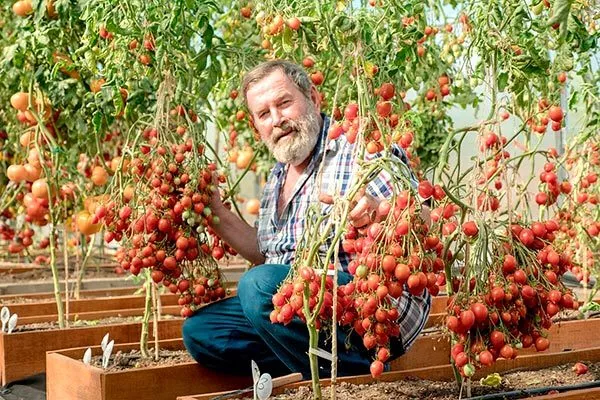
Bush characteristics:
- Foliage density is average.
- Shoots are erect and strong.
- The leaves are medium-sized, oblong, and wrinkled, with pointed tips. They are a rich emerald hue.
The flowers are small, yellowish in color, and the petals are collected in large racemose inflorescences.
Fruits, their taste and purpose
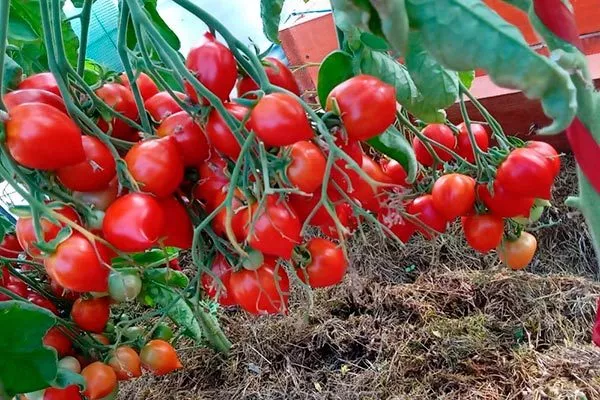
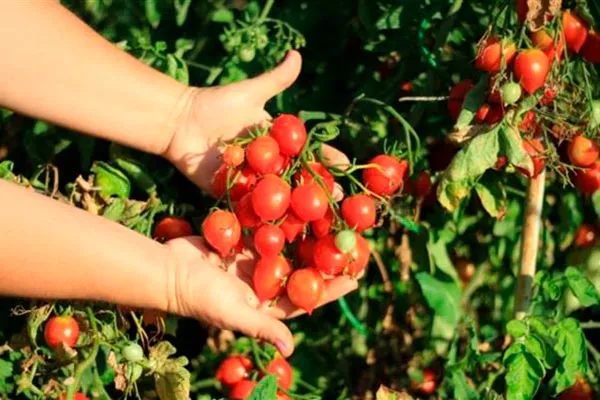
Ripe tomatoes are small in size and weigh around 25g. They are obovate in shape with a graceful, thin tip. They have a pleasant flavor, with a characteristic tomato tartness.
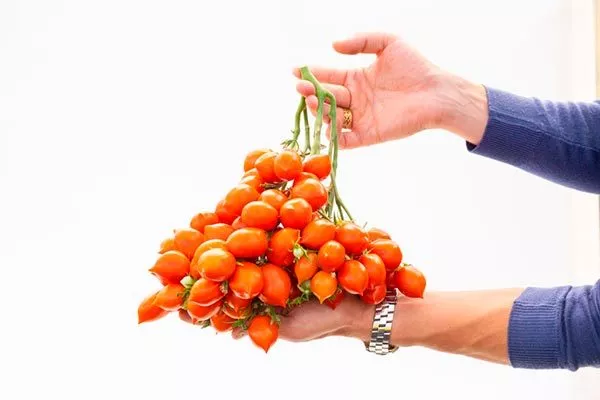
Ripe vegetables remain on the vine for a long time, without falling off and retaining their flavor and appearance. Harvesting is usually done with bunches, as it's convenient and efficient.
Tomatoes are versatile: they are suitable for decorating dishes and salads, are good fresh and in appetizers, and are used for whole-food canning and freezing for the winter.
Ripening and yield
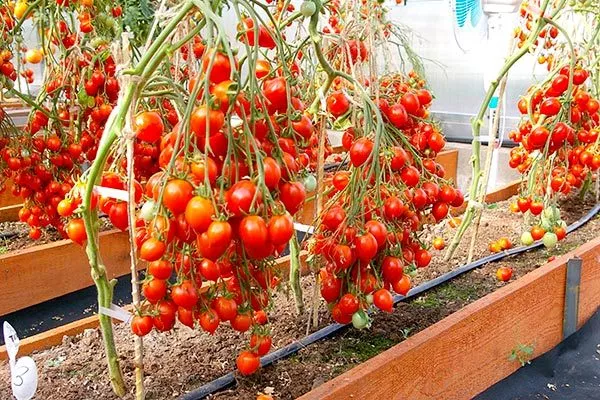
This early-ripening variety produces tomatoes ready for harvest in 95 days. It's highly productive, yielding approximately 22 kg per square meter in a greenhouse and up to 16 kg in the open field. A single bush can yield 8 to 11 kg.
Timing of planting seedlings and transplanting into the ground
Tomato seedlings are planted in the ground when 5-6 permanent leaves appear. Proper seedling cultivation is crucial, as the future harvest depends on this stage. It's important to consider all the nuances, from pre-sowing seed preparation to transplanting into the open ground.
- ✓ Optimum soil temperature for planting seedlings: +14-15°C.
- ✓ Distance between bushes when planting: at least 50 cm to ensure sufficient space for growth.
Subtleties of planting
Planting crops from seedlings provides optimal conditions for growth and development. This process requires certain conditions to be met, as yield depends on them.
Preparation of seed material
Specialty gardening stores offer seeds of this variety, but after planting the tomato, you can harvest the seeds yourself. Seeds purchased from the Partner agricultural firm do not require pre-sowing treatment, but soak them in a growth stimulant solution to improve germination.
Before planting, test the germination of your own seeds by placing them in salted water. Discard any that float to the surface, and rinse and disinfect any that settle in a weak solution of potassium permanganate. Afterward, soak them to germinate, then plant them in prepared containers.
Preparing soil and containers
To grow seedlings, use ready-made soil from specialty stores that contains the necessary nutrients, or prepare the substrate yourself: mix equal parts garden soil, non-acidic peat, and river sand, adding wood ash.
Planting seeds and caring for seedlings
Disinfect previously used containers with potassium permanganate. Follow these recommendations:
- Fill the containers with prepared soil and make shallow holes.
- Place the seeds, sprinkle with soil and moisten with a spray bottle.
- Cover the container with glass or film and place in a warm, shaded place (about +24°C).
The seeds will germinate uniformly in 5-7 days. Once the seedlings emerge, remove the cover and place the containers on a windowsill with at least 12 hours of light per day, using grow lights if necessary.
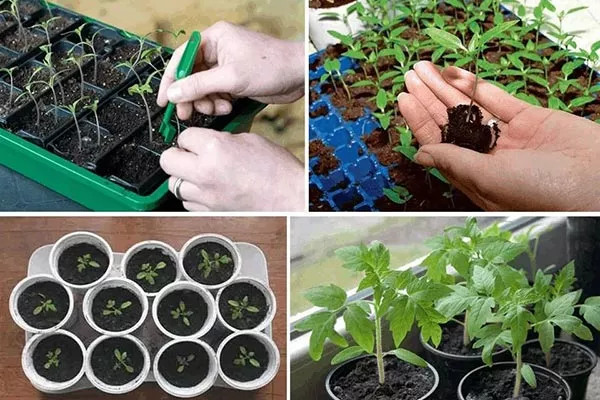
If the plantings are too dense, thin out the seedlings when two true leaves appear. During the growing season, feed the seedlings with nitrogen fertilizer: the first time two weeks after planting or when 3-4 leaves appear, and the second time two weeks later.
Choosing a location for growing
The crop thrives both in open ground and greenhouses, but several factors must be considered. Helpful tips:
- Tomatoes prefer sunny locations. The planting site should be well-lit throughout the day. Insufficient light can slow plant growth, reduce fruit set, and diminish the plant's flavor.
- Choose beds protected from strong winds, especially northerly ones. If the site is exposed, plant a hedge or use temporary screens for protection.
- Flat areas or slightly elevated areas are ideal, as low-lying areas can accumulate moisture, increasing the risk of fungal diseases.
- Tomatoes grow best in light, fertile soil with a neutral pH. If the soil is clayey, improve it by adding sand, humus, or peat. In the fall, add organic fertilizer (humus or compost) to the soil, and in the spring, add mineral fertilizers, such as superphosphate and potassium salts.
- Avoid planting seedlings in areas where nightshade crops (potatoes, eggplants, peppers) were grown the previous season. This reduces the risk of disease and pest infestation. Ideal predecessor crops include legumes, cabbage, onions, or carrots.
Avoid areas with standing water. If such conditions are unavoidable, ensure proper drainage or grow bushes in raised beds.
Transfer
Seedlings are ready for transplanting at 55-60 days old. Plant them outdoors in mid- to late May, when the soil has warmed to 14-15°C and there is no longer a risk of frost. In a greenhouse, transplant them in early May.
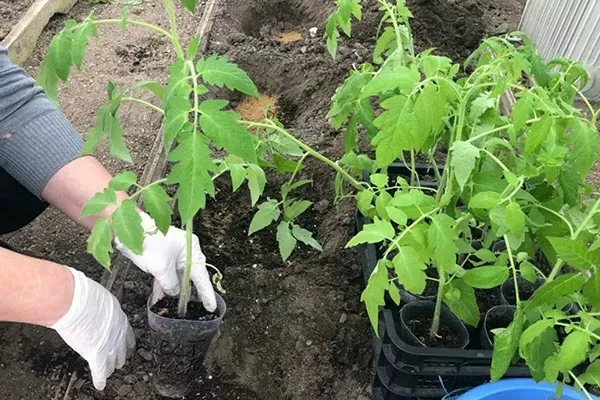
Place no more than two plants per square meter to ensure their full development. After planting, moisten the seedlings and mulch the root zone with straw or peat.
Further care of Kiss tomatoes
Caring for your crops plays a key role in achieving a high yield. Simple agricultural practices are essential.
Irrigation regime
Tomatoes of this variety do not tolerate excessive soil moisture, so water should penetrate to a depth of 15 cm to avoid waterlogging. Water the plants every 6-7 days, when the top layer of soil has had time to dry out. During rainy periods, reduce watering frequency to a minimum.
Loosening and weeding
Loosen the root zone of your tomato plants after every watering or rainfall to prevent a hard crust from forming on the soil surface. This helps remove any weeds that have grown, improving air and moisture access to the roots.
Top dressing
Fertilize the plant twice a month, alternating organic and mineral fertilizers. The variety responds well to various types of fertilizer, including mullein solutions, herbal infusions, superphosphate, and potassium supplements.
Diseases and pests, resistance to them
The Kiss variety does not have high disease resistance, so it is especially important to carry out preventative treatment against late blight and other diseases that can lead to plant death.
Follow these recommendations:
- Begin the first treatment at the seedling stage. To protect against blackleg, soak the roots in a solution of potassium permanganate.
- Antikhrushch is effective for controlling soil pests: dissolve 10 ml in 1 liter of water and soak the roots of seedlings for 1-2 hours, which will provide long-term protection from Colorado potato beetle larvae.
- Use AS-Selective and Avangard R Potato (10 ml per 1 liter of water, leave for 3-4 hours). These products will protect the plants from diseases and pests and provide complete nutrition during the early stages of growth.
- Among folk remedies, the most popular is the use of whey. It helps reduce the development of late blight, especially during the flowering period, before the rains. The lactic acid bacteria contained in the whey boost plant immunity, and the film formed on the leaves protects against disease.
Spray the plantings every week, and again after rain. - Iodine is an affordable remedy for combating late blight and other fungal diseases. For treatment, 5 drops of the product per 1 liter of water is sufficient. For a more effective treatment, dissolve the iodine in whey or milk. The solution can be used for spraying either neat or with water added (1:1 or 1:9).
Folk remedies can help protect against insect pests (aphids, cutworms, and whiteflies). Effective remedies include ash infusions (1 liter of ash per 10 liters of water), garlic solution (200 g of garlic per 10 liters of water), and tobacco infusion (1 liter of dried leaves per 10 liters of water). For better adhesion, add laundry soap.
Harvesting and storage
Begin harvesting tomatoes three months after germination. You'll be able to harvest two to three crops per season, but don't delay, as the vegetables may spoil when cold weather sets in.
Please adhere to certain requirements:
- Pick all the fruits from a ripe bunch at the same time, as they ripen almost simultaneously. Pick entire bunches, even if not all the fruits are ripe.
- Pick the bunches when the fruit is still green or brown. This prevents overripeness and damage.
- Place unripe specimens in wooden crates, adding 2-3 ripe ones to the bottom to stimulate the ripening of the others. Ripening will take about a week.
- Store ripe tomatoes in the refrigerator to prolong their freshness. Keep green vegetables in the cellar at 10°C.
Bunches collected at the blanched stage of ripeness ripen well if hung in a warm, dimly lit place.
Pros and cons
Before growing a crop, it's important to carefully consider its advantages and disadvantages. The Kiss variety has many advantages:
Among the negative qualities, some gardeners note the high cost of seeds, the need for regular tying and shaping the bush to ensure the stability of the plant.
Reviews
The Kiss tomato lives up to all expectations and is an excellent choice for a variety of purposes. It will delight you with its early ripening, high-quality fruit, and good yield. Despite some care nuances, this variety is sure to yield positive results even in limited space. However, this requires proper care.