
The Blue tomato is a unique variety that combines not only an unusual appearance but also excellent agronomic characteristics. It attracts the attention of both experienced and novice gardeners. Its high yield, disease resistance, and excellent taste make it an ideal choice for growing in greenhouses or open ground.
Story
A synonym for this crop is Osu Blue, where "Osu" stands for Oregon State University, and "Blue" refers to the color. The variety was developed at Oregon State University in the United States. Jim Myers led the breeding process. The result is a variety with increased anthocyanin content.
Characteristics
Tomatoes have long been a popular crop, successfully grown even by novice gardeners. The Blue Tomato is a unique variety that requires careful care.
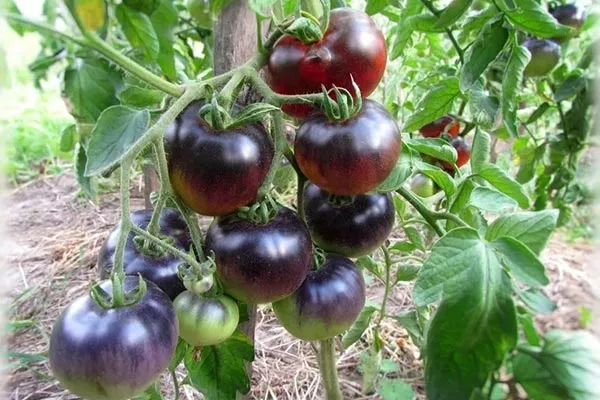
The main qualities of fruits and plants
This indeterminate variety reaches a height of 1.9 meters under ideal greenhouse conditions. It is characterized by medium early maturity, sets fruit easily, and demonstrates resistance to cladosporiosis and late blight.
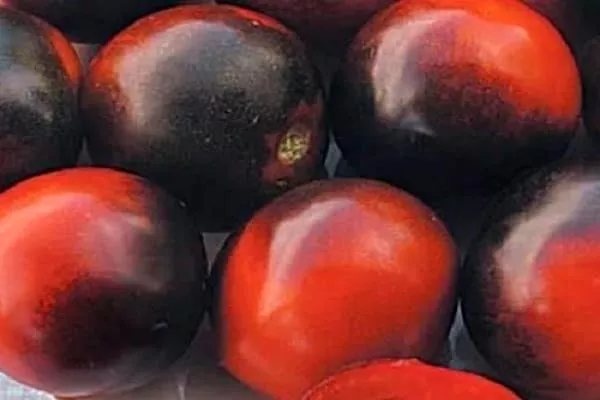
Features of antho-tomatoes and their benefits
Anthocyanin tomatoes are varieties and hybrids with a high content of anthocyanins, natural pigments that give tomatoes their unusual colors: purple, blue, or black. Anthocyanins are found in the upper part of the tomato, especially in areas where they receive the most sunlight.
Distinguishing qualities:
- unusual coloring;
- high resistance to diseases and pests;
- long-term storage and transportation possibilities;
- variety of flavors (can be sweet, sour or neutral).
Benefits of antho-tomatoes:
- Antioxidant properties: protect the body's cells from damage, reducing the risk of developing cardiovascular and oncological diseases.
- Strengthening the immune system: help the body cope with inflammatory processes.
- Eye health: have a beneficial effect on vision, improving adaptation to darkness and reducing eye fatigue.
- Slowing down aging: Antioxidants promote cell regeneration, maintaining youthful skin and tissues.
- Low calorie: Tomatoes are suitable for dietary nutrition, saturating the body with vitamins and minerals.
Blue tomato: selection or genetic engineering?
New tomato varieties are most often developed by crossing two different species. This includes all varieties with blue skin but red flesh. Recently, GMO varieties have become increasingly popular, causing concern among many.
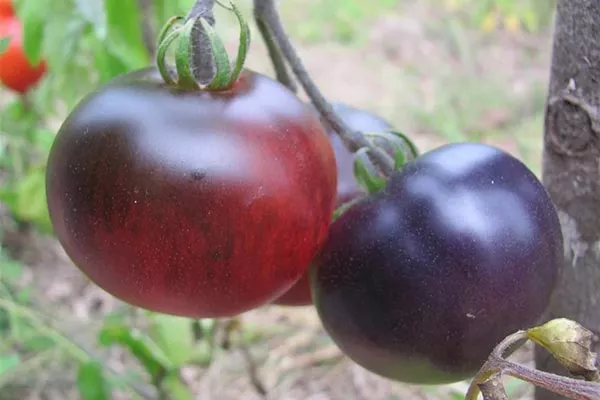
There's only one such variety in the blue tomato line so far – Del/Ros 1. Interesting facts about it:
- Its fruits are a rich purple color both outside and inside. However, it's impossible to purchase seeds of this tomato.
- Anthocyanin levels were increased using genetic engineering. Scientists introduced the snapdragon anthocyanin biosynthesis genes Ros1 and Del, which operate under the control of the E8 promoter active in vegetables, into the plants.
- This resulted in vegetables with an intense purple color and high anthocyanin content. Besides the unusual color, this solution increased the shelf life of the tomatoes.
Anthocyanins slow down the softening process of tomatoes and prevent the development of gray mold infection in the pulp, making them more stable during storage.
Taste characteristics
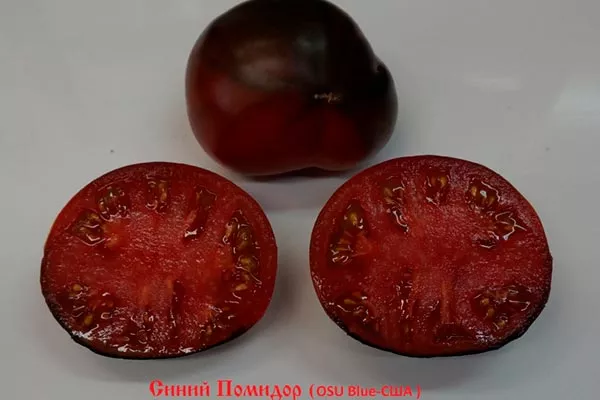
The flesh inside is reddish-pink, and the flavor depends on the soil composition. These tomatoes are excellent for pickling, adding to salads, baking, canning, or making sandwiches. Their dense texture prevents them from falling apart or leaking, making them easy and convenient to handle.
Ripening and fruiting
The ripening period of this variety is on average 105-115 days, which makes it close in terms of early ripening to early varieties.
Productivity
The productivity of Blue Tomato is on average 4-5 kg per bush when grown in greenhouse conditions and following all agricultural recommendations.
Resistance to diseases and pests
Blossom-end rot manifests itself as sunken black spots on green fruit. The main causes of the disease are lack of moisture, excess nitrogen fertilizer in the soil, and calcium deficiency. Treat the plants with a calcium nitrate solution: dilute 5 g of the fertilizer in 10 liters of water. Remove severely affected plants.
Root rot is caused by overwatering or contaminated soil. To prevent the disease, spray the soil with a solution of potassium permanganate or copper sulfate before planting. Maintain a strict watering schedule during the growing season.
Anthracnose is characterized by the appearance of brown spots on stems, leaves, and fruits, most often affecting vegetables at the ripening stage. If symptoms are detected, use Fitolavin.
Features of cultivation
Tomatoes produce well both in open ground and in greenhouses. Before planting, it's important to grow seedlings.
Preparation of seed material
The crop is characterized by a high germination rate, but to improve the quality of the seed, it is important to prepare and cull the seeds. To do this, prepare a salt solution: dissolve 1 tablespoon of salt in 1 liter of water and place the seeds in it. The seeds that sink to the bottom are considered high-quality and suitable for planting.

After culling, disinfect the planting material to protect it from fungal and viral diseases. To do this, soak the seeds in a pink solution of potassium permanganate for 10 minutes. After this procedure, proceed with planting the seedlings.
Planting seedlings
To grow, prepare a soil mixture in advance consisting of 4 parts peat, 1 part humus, and 1 part sand. Follow the instructions:
- Fill the pots with soil and place the tomato seeds, deepening them by 0.2-0.3 cm.
- Cover the seeds with soil, moisten thoroughly, and cover the containers with plastic wrap. Leave in a warm place until seedlings appear.
- As soon as green shoots appear, remove the cover and move the pots to the sunny side of the room.
- ✓ Optimum soil temperature for planting seedlings: +15°C.
- ✓ Recommended seed planting depth: 0.2-0.3 cm.
Transplanting seedlings into open ground
Begin cultivating tomato seedlings in mid- to late May, when the air temperature reaches 18 degrees Celsius and the soil temperature reaches 15 degrees Celsius. Cover all plantings with plastic for the first time until the end of June.
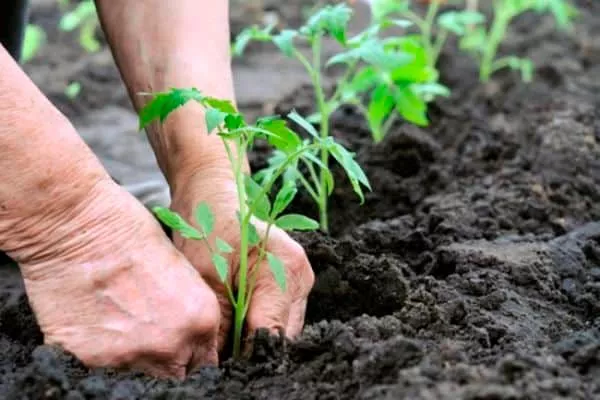
A few weeks before the event, prepare the beds using organic matter such as manure, compost, or rotted straw. Water the soil with a wood ash solution, dissolving 1 kg of fertilizer in 10 liters of water. Use up to 3 liters of this solution per square meter. Then, dig the soil thoroughly.
On the day of planting, loosen the soil again. Form planting holes 5-7 cm deep and plant the seedlings in them. Cover the seedlings with soil and moisten them. Place the plants so that the lower leaves are slightly above the soil level.
Further care
Caring for crops involves several important aspects that contribute to successful plant development and a good harvest. These include regular watering, timely fertilizing, and protection from diseases and pests. Following these important agricultural practices is the key to a bountiful harvest.
Watering plants
Provide the seedlings with regular and abundant watering. It's important to keep the soil moderately moist, but avoid stagnant water. Use warm, settled water, avoiding drips on the leaves and fruit.
In hot weather, perform the procedure in the morning or late evening to prevent rapid evaporation of water and reduce the risk of illness.
Top dressing
The crop requires timely fertilization, especially during the period of active growth and fruiting. Use both organic and mineral fertilizers. Carry out the first fertilization 2-3 weeks after planting the seedlings in the ground.
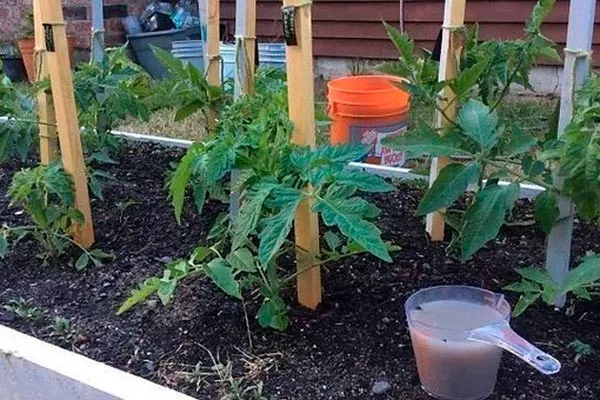
- 2-3 weeks after planting the seedlings, apply the first organic fertilizer.
- A month after the first feeding, apply mineral fertilizers.
- Repeat alternating organic and mineral fertilizers every 3-4 weeks until the end of the season.
In the future, it is recommended to alternate organic fertilizers with mineral ones to provide plants with all the necessary micro- and macroelements for good growth and development of vegetables.
Treatment and prevention of diseases and pests
To protect seedlings from diseases and insects, carry out regular preventative treatments. Monitor the condition of the plants and promptly eliminate signs of disease.
The use of biological products or safe chemicals will help prevent the development of infections, including late blight and powdery mildew, and also protect bushes from pest attacks.
Pros and cons
Before growing a crop in your garden, it's important to carefully consider its advantages and disadvantages to avoid any difficulties. This variety has many advantages:
The Blue tomato variety does not have any significant drawbacks.
Reviews
The Blue tomato is a highly productive variety with excellent varietal characteristics. Its low maintenance, disease resistance, and excellent flavor make it an excellent choice for gardeners in various regions. With proper cultivation practices and care, it will yield bountiful harvests.