
The Ogon tomato is a high-yielding Russian-bred hybrid with large fruits. This hybrid variety not only offers improved characteristics but also a pleasant flavor and versatility in cooking.
History of selection
The Ogon tomato is a hybrid variety. It was developed by specialists at Agrofirma POISK LLC. The authors are N. S. Gorshkova, T. A. Tereshonkova, A. N. Khovrin, and A. N. Kostenko. The hybrid was approved for use in 2012 and is suitable for cultivation in all regions.
Description of bushes and fruits
The Ogon F1 tomato plant has tall, indeterminate bushes, reaching 1.6-1.8 m in height. The leaves are medium-sized, green, and standard-shaped. The inflorescences are simple, and the stems are articulated. The fruits are large, with firm flesh.
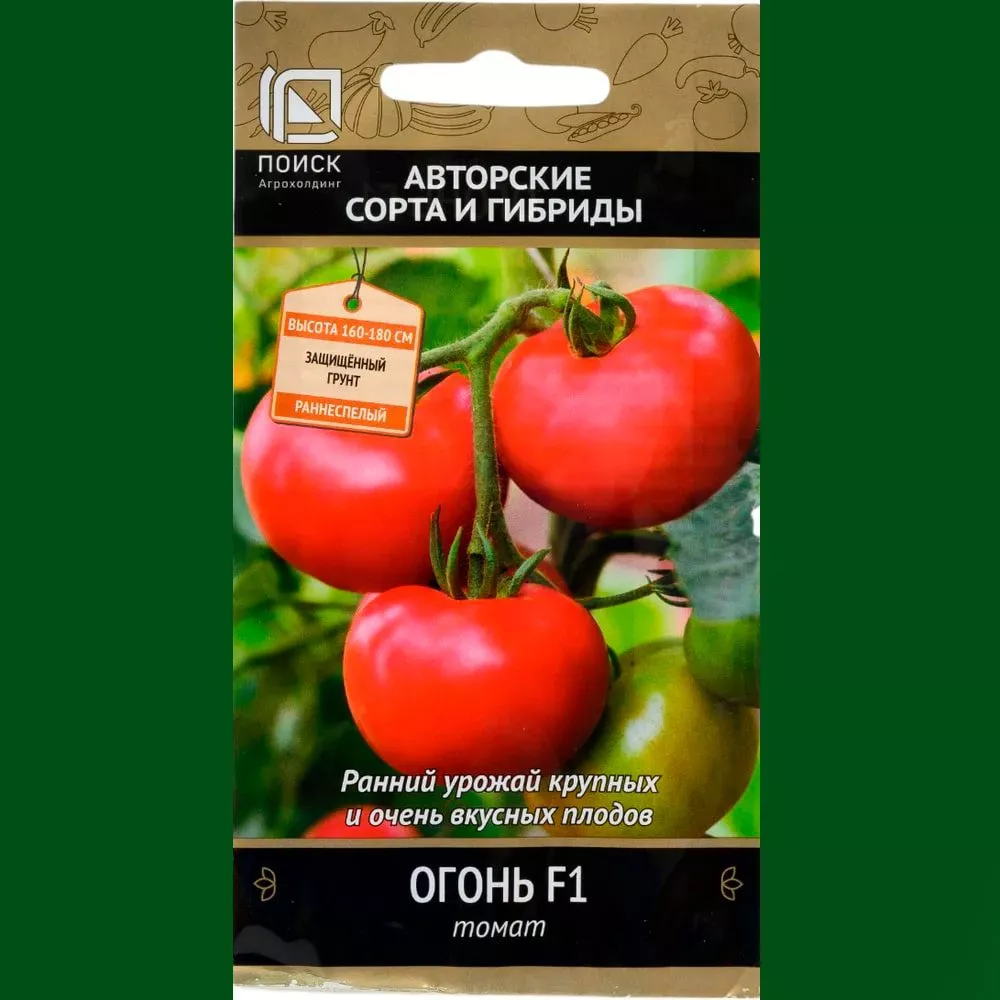
Brief description of fruits:
- Colour of unripe fruit: light green with a light green spot at the base.
- Colour of ripe fruit: red.
- Shape: round, slightly ribbed.
- Skin: dense and smooth.
- Weight: 150-180 g.
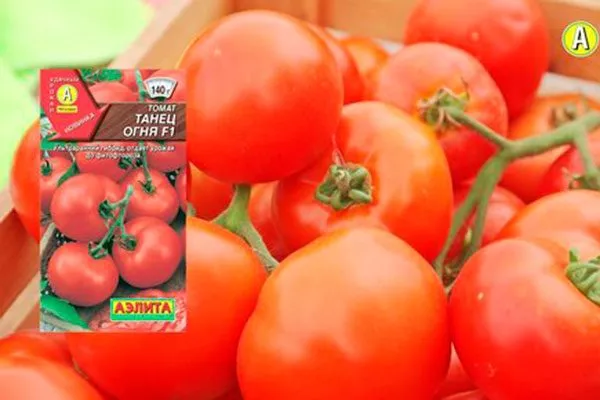
Number of fruits in a bunch: 7-8 pcs.
The taste of fruits and their purpose
The fruits of the Fire tomato have a pleasant sweet and sour taste; they are juicy, fleshy and aromatic.
Tomatoes are versatile and can be eaten fresh, used in salads and all kinds of culinary dishes, and used in salting and pickling.
Characteristics of the Fire tomato
The hybrid variety Ogon has excellent agronomic characteristics, allowing it to be successfully grown in a variety of climatic conditions.
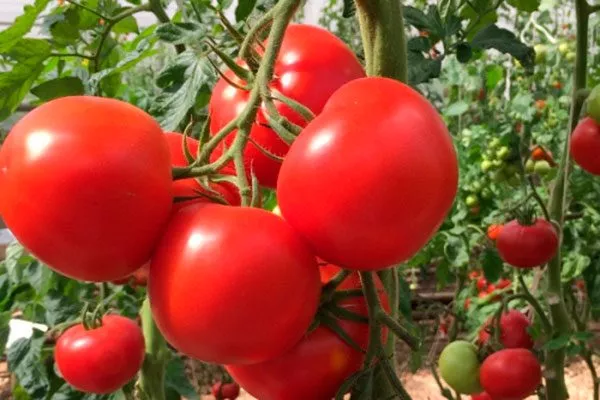
Ripening time
The Ogon tomato is an early-ripening variety. This early-ripening hybrid ripens in 90-95 days from germination. Depending on the climate in the growing region, the harvest is from mid-July to late August.
Productivity
With proper care, the yield is 19.5–20.5 kg/sq. m. Gardeners harvest 4–5 kg of fruit from one bush.
Immunity to diseases
The Ogon hybrid is resistant to cladosporiosis, verticillium wilt, tobacco mosaic virus, and fusarium wilt. It is rarely affected by late blight, as this disease typically attacks tomatoes in August, while the hybrid finishes fruiting in July.
Pros and cons
Before planting the Fire tomato in open or closed ground, it is useful to familiarize yourself with all the advantages and disadvantages of this variety.
Landing features
The Ogon tomato is propagated by seedlings and grown indoors. Without plastic or other cover, it grows poorly, as it is very sensitive to temperature and humidity fluctuations. This hybrid does not produce large yields outdoors.
Planting container
Ogon' hybrid seedlings can be grown in any suitable container—cassettes, plastic cups, peat pots or tablets, large containers, and even old buckets. Before filling with soil, the container should be disinfected, for example, with a weak solution of potassium permanganate or scalded with boiling water.
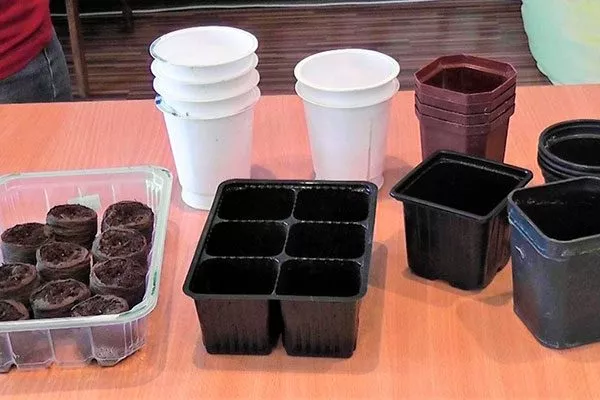
The planting container should be tall and wide enough, and most importantly, it should have drainage holes to allow excess water to drain. If there are no holes in the bottom of the container, they should be drilled. For example, three to four holes are sufficient for glasses.
The container is filled with store-bought or homemade soil. Special seedling substrate is readily available at garden centers. You can also make your own mixture, but it must be disinfected, for example, by baking it in the oven.
Examples of soil mixture preparation:
- Mix humus/compost with sand and peat in equal parts, add wood ash and shavings, pour boiled water (hot) and leave for a day.
- Mix equal parts forest soil (taken from under coniferous trees), compost, and river sand. Add a couple of handfuls of wood ash and leave in a cool place until spring.
How to prepare seeds for sowing?
Before planting, the seeds are sorted: non-viable specimens are removed by immersion in a saline solution, hardened, disinfected in potassium permanganate or hydrogen peroxide, kept in a growth stimulator, and germinated.
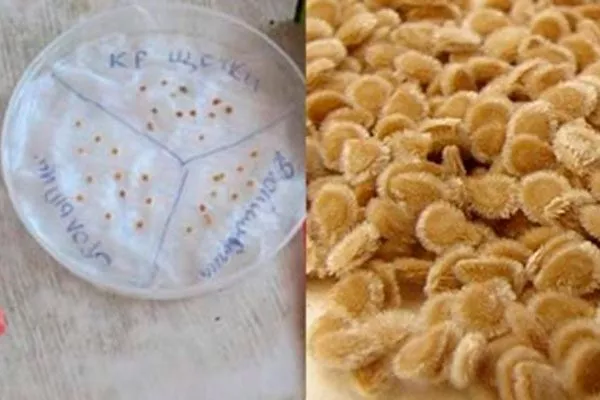
After each treatment, the seeds are rinsed under running water. Germinating seeds are wrapped in a damp cloth; as soon as sprouts appear, they are immediately sown into seedling containers.
How to grow seedlings?
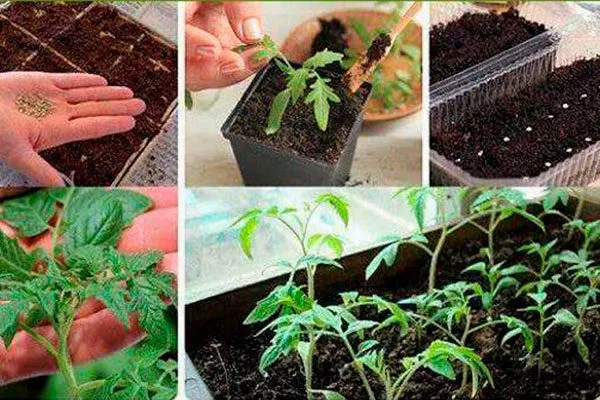
Seedlings are sown 60 days before the planting date. In the south, sowing can begin as early as late February; in other regions, tomatoes are sown later, in March or April.
Features of growing seedlings:
- The soil in the planting container is leveled and moistened. Holes or furrows are dug into the soil and the sprouted seeds are placed in them. They are planted approximately 1.5 cm deep and covered with sand. Space adjacent seeds 2-3 cm apart, and 3-4 cm between rows.
- The seeds are sprayed with warm, settled water from a spray bottle and covered with transparent film. The seeds are placed in a warm, moderately lit area. As soon as the seedlings emerge, the covering is removed and the seeds are moved to sunny windowsills.
- The seedlings are then grown according to standard technology, which ensures strong and healthy plants. Failure to maintain proper temperature and lighting conditions results in the seedlings becoming elongated, making them weak and less viable.
- To prevent stretching, it's important to lower the temperature to approximately 15°C after germination and maintain it for a week. Nighttime temperatures should be even cooler, but not below 10°C. After a week, the temperature is raised again to 22°C to 25°C.
- Seedlings are grown in heated greenhouses or directly indoors. If they are kept on a windowsill, they need to be turned every 2-3 days to ensure uniform growth.
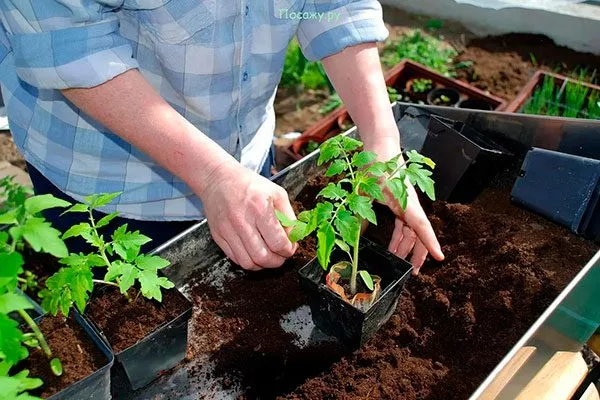
- When the seedlings have 2 true leaves, they can be pricked out and transplanted into separate (or larger) cups, pinching off the central root at the same time.
- Tomato seedlings require watering and fertilizing. Water sparingly for the first three weeks, as excess moisture can lead to blackleg. After transplanting, water the seedlings every 2-3 days. Fertilize the seedlings again after transplanting them into individual pots. Use a complex fertilizer.
- Hardening off seedlings usually begins 1-2 weeks before planting. This procedure is necessary not only when planting in the ground. The Ogon hybrid is grown primarily indoors, but hardening off tomatoes transplanted under plastic is also recommended.
How to choose a site?
The site for growing tomatoes under plastic cover should be chosen so that it receives plenty of sunlight. It's best to have some wind protection.
A good solution is to build a structure along the south wall of a building. Ideally, place the greenhouse or plastic film greenhouse 10-15 meters from the nearest building or tall, spreading tree.
Tomatoes can also be planted near taller crops such as corn or sunflowers. Crop rotation is also important. Tomatoes should not be planted in the same spot; they need a break of 3-4 years.
Preparing the beds
The tomato plot is prepared in advance by digging it up to the depth of a spade in the fall. Organic fertilizers—rotted manure, compost, and rotted manure—are added during the digging, at a rate of approximately 3-10 kg per square meter, depending on the soil's fertility.
In the fall, superphosphate and potassium sulfate are added to the soil along with organic matter—40-50 g and 15-20 g per square meter, respectively. Soil acidity is also measured in the fall and adjusted if necessary. If the soil is found to be excessively acidic, slaked lime or wood ash is added.
If the soil has a heavy, clayey structure, coarse-grained river sand is added to it - 10 kg per 1 sq. m.
Transplanting
Seedlings are planted under plastic a couple of weeks earlier than in open ground. Before planting tomatoes, check the soil temperature; it should reach at least 15°C.
Features of planting seedlings:
- Holes or rows are dug for planting. If planting is done in open ground (this option is not recommended for this variety, but is acceptable, especially in southern regions), a 40 x 50 cm spacing is used. In greenhouses, a strip planting method can also be used, alternating narrow and wide row spacings.
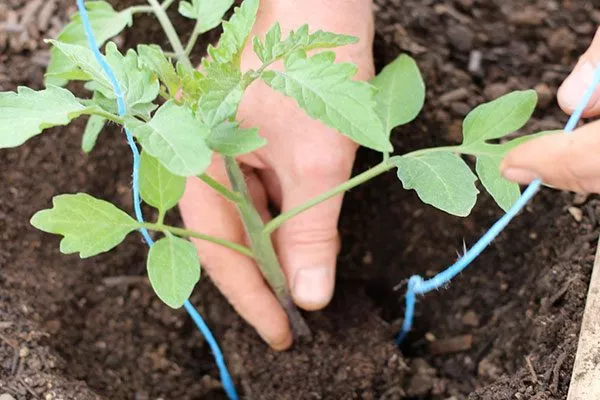
- The holes should be large enough to accommodate the seedlings' root system freely, without bending. They are transplanted with the root ball still attached, so as to disturb the roots as little as possible.
- Add a little humus and wood ash to the bottom of the holes. Add 20 g of mineral fertilizers, such as superphosphate or monopotassium phosphate, and 1 teaspoon of potassium phosphate.
- Pour approximately 3 liters of water into each hole. Leave them for half an hour to allow the water to soak in and the soil to settle.
- The seedlings are planted 3-4 cm lower than they were growing in their pots. The roots are covered with soil, gently compacted, and watered.
Care Features
Fireweed is relatively easy-to-grow and hardy, but to achieve truly high yields, it needs to be provided with water and nutrients. It's also important to regularly spray, tie, and shape the bushes.
Watering and loosening
When grown in a greenhouse, water tomatoes as the soil dries out, approximately 1-2 times a week. It's important to avoid overwatering, which can promote fungal infections. Watering indoors is recommended in the morning.
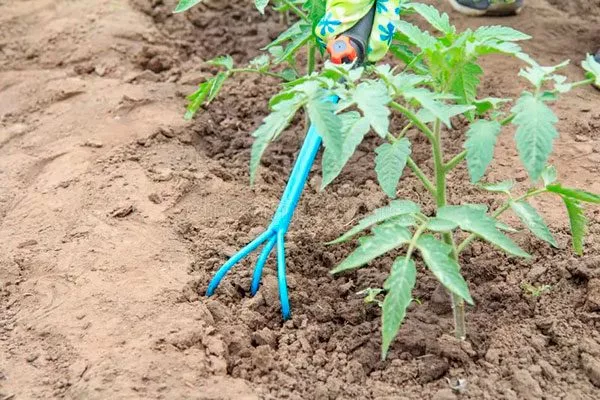
In open ground, tomatoes are watered based on weather conditions and soil conditions. In hot weather, tomatoes need to be watered twice as often, with the watering rate adjusted based on the soil conditions and the age of the plants. After watering, the soil is loosened to ensure oxygen reaches the roots.
Fertilization
Immediately after planting, tomatoes are not watered or fertilized. After two weeks, the first fertilizer can be applied. Initially, the bushes are fed with nitrogen, which is necessary for the growth of green mass.
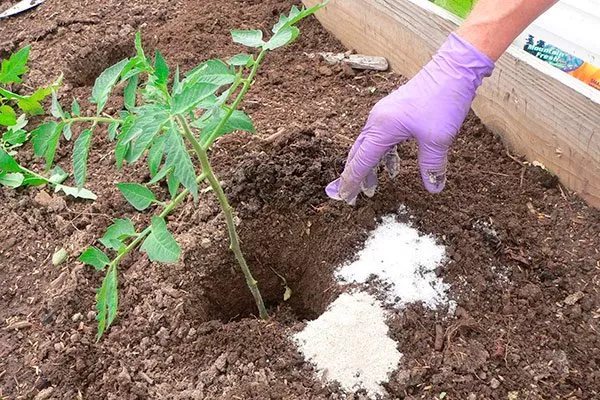
To fertilize the Fire tomato, use alternating organic and mineral fertilizers—complex formulations high in potassium and phosphorus, which are essential for fruit formation and ripening. Approximately four applications are carried out per season, at intervals of 2-3 weeks.
Shaping and garter
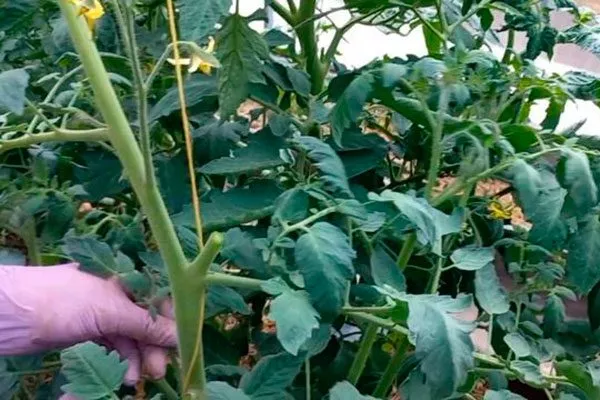
The bushes need to be tied up, as they are quite tall, and the ripening fruits, collected in clusters, can break off the branches. Side shoots are also removed from the bushes when they reach 5 cm in length. The bushes are trained into single or double stems.
Diseases and pests
The Ogon hybrid has good immunity, but under unfavorable growing conditions and poor agricultural practices, it can be susceptible to root rot, which can be prevented with copper sulfate. High humidity increases the risk of powdery mildew, which can be controlled with the fungicide Topsin or similar products.
To prevent diseases, it's necessary to regularly ventilate the greenhouse and maintain a watering schedule, avoiding overwatering. Bushes should also not be planted too close together, as dense plantings promote the spread of infections.
The Ogon tomato can be attacked by common pests, such as mole crickets and wireworms, which damage the underground parts of the plant. Attacks by aphids, spider mites, and whiteflies are also possible. Various insecticides, biological products, and folk remedies are used to combat these pests.
Harvesting
The first fruits are harvested in mid-July. Fruiting is spread out over a period of time, and harvesting continues until approximately the end of August, depending on planting time and regional climate. Slightly unripe fruits are harvested for transportation and storage. They are carefully cut and placed in shallow crates.
Reviews
The Ogon tomato is a promising hybrid that will appeal to gardeners who grow crops under plastic covers. This large-fruited hybrid variety requires some care, but it will certainly reward you with high yields and high-quality fruits.