
Fairy's Gift is the name of an early-ripening tomato variety characterized by excellent yields and disease resistance. Gardeners grow it in open garden plots and under plastic covers. The variety's signature feature is its beautiful heart-shaped fruit and its bright orange color, a sign of its high carotene content.
Origin and growing regions
The authorship of this tomato variety belongs to the scientific staff of the Aelita agrofirm: N. V. Nastenko, V. G. Kachainik, and A. V. Kandoba. It was added to the state register of the Russian Federation in 2008. It was approved for cultivation in the regions and districts of the country:
- Northern;
- North-West;
- Central;
- Volga-Vyatka;
- Central Black Earth Region;
- North Caucasian;
- Middle Volga;
- Lower Volga;
- Ural;
- West Siberian;
- East Siberian;
- Far Eastern.
Description of the bush and fruits
Fairy Gift plants are determinate: short and compact. They are not standard tomato varieties. Their appearance is described as follows:
- height - 0.5-90.7 m;
- medium degree of branching;
- foliage: dark green, medium-sized, typical for vegetable crops;
- inflorescences of intermediate type;
- fruit clusters: consisting of 5-8 tomatoes, formed in quantities of up to 6 pieces (the first of which is formed above the 7-8th leaf).
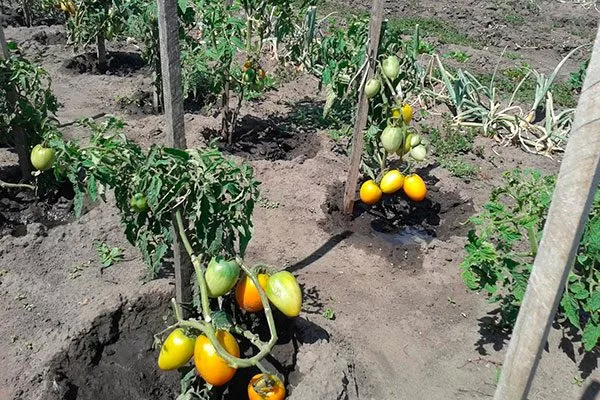
To increase productivity, experienced gardeners train this variety's bushes into 2-3 stems and remove side shoots. This technique also promotes rapid growth and shortens its growing season.

The harvest of this varietal variety is quite attractive. The fruits, although not large, are pleasing to the eye with their sunny coloring and beautiful shape. They possess the following characteristics:
- weight - 110-120 g (up to 200 g with enhanced agricultural technology);
- heart-shaped, which can undergo changes depending on the growing conditions of the variety;
- slightly ribbed surface;
- rich orange color;
- the skin has a glossy sheen, is quite strong and not prone to cracking;
- dense pulp, fleshy, juicy, aromatic, with 4 seed chambers, which contain little content.
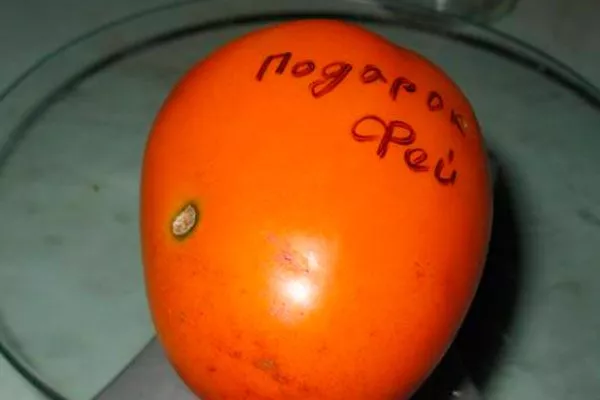
Orange tomatoes taste good. Their flesh is sweet with a slight tartness. It is characterized by a high sugar, dry matter, and carotene content. A pleasant aroma with fruity notes also adds to their appeal. They are also easy to store and transport.
Main characteristics
The Fairy's Gift delights gardeners not only with its beautiful appearance and delicious harvest, but also with many other excellent characteristics. It is productive, disease-resistant (verticillium wilt, fusarium wilt, tobacco mosaic virus), and hardy (tolerates extreme weather conditions well).
Ripening and fruiting, productivity
This variety is considered an early-ripening vegetable crop. Its harvest matures in 93-102 days after germination. Gardeners harvest it in July and August. The fruits ripen uniformly on the bushes.
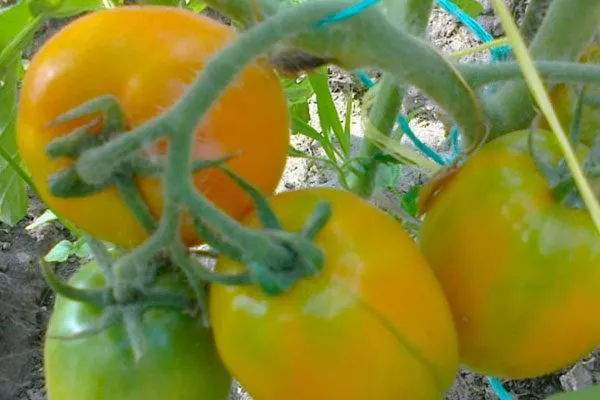
The orange-fruited tomato, bred by Aelita specialists, also boasts good yields. These are the following:
- 9.3 kg per 1 sq. m is the average productivity of plants of the varietal variety;
- 10 kg per 1 sq. m is the minimum amount of fruit that gardeners obtain when cultivating the crop in a greenhouse.
Scope of application
The Fairy Gift harvest is versatile. It's ideal for fresh consumption and summer salads. This is especially true for the fruits that ripen first in the garden. Later-ripening tomatoes are typically used in home cooking:
- they are added to first and second courses, pizza and casseroles, sandwiches and canapes;
- processed into juice, paste;
- They make an original tomato sauce from them;
- salt;
- freeze;
- canned, including whole.
Growing seedlings
Gardeners grow this varietal variety of tomato in open garden plots and plastic greenhouses using seedlings. Seeds are sown in the second half of March (55 days before transplanting the plants to their permanent location). The seedlings are transplanted to the outdoor garden bed in May or June.
Seed treatment
Both store-bought and home-collected orange tomato seeds can be used for sowing. Both will require preparation for planting using the following steps:
- etching using a solution of potassium permanganate or fungicidal preparations;
- germination on a saucer with damp gauze.
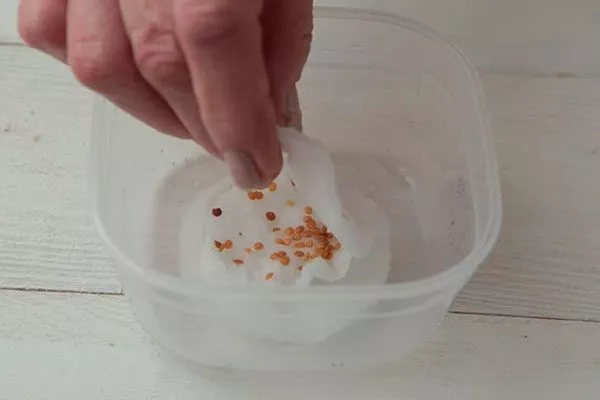
You can avoid disinfection if you buy fresh, high-quality seeds from a reputable manufacturer. They've already undergone the necessary treatment. Be sure to treat seeds purchased from someone else or collected yourself. This procedure will reduce the risk of disease.
Selecting containers and preparing soil
If you prefer to grow seedlings by picking them at the stage of 1-2 true leaves, you will need to use 2 types of containers:
- a spacious plastic or wooden box for sowing seeds in rows “like in a garden bed” (the height of its sides is 10 cm);
- individual cups or pots in which you will plant the grown seedlings (their volume is 250-400 ml).
Experienced gardeners avoid transplanting. They sow tomato seeds not in a common container, but in peat pots. They place two seeds in each pot filled with soil. Then, they remove the weaker seedling. The mature seedling is transplanted into the garden bed along with its peat "wrapper," without removing it.
If growing tomatoes in store-bought individual containers like peat pots is beyond your budget, feel free to use the first method. Unlike cucumbers, vegetable seedlings tolerate transplanting quite well. They are robust and recover well if their root system is disturbed.
Pay special attention when choosing a substrate for growing young tomatoes. It should meet the following requirements:
- be light and crumbly;
- allow air and water to pass through well;
- contain a large amount of nutrients;
- be free from parasites and pathogenic microorganisms;
- have an acidity level ranging from 5.5 to 6.5.
The best option is a ready-made potting mix purchased at a flower shop, labeled "universal" or "designed for vegetable seedlings." It meets all the requirements listed above. It can be made with peat or coconut fiber.
Don't use soil from your own garden to grow Fairy Gift seedlings without first preparing it. It's too heavy and compact, especially if it's black soil or loam. Before sowing, mix your garden soil with sand or peat. Disinfect it using one of the following methods:
- water the homemade substrate with a solution of potassium permanganate;
- roast in the oven or in a frying pan;
- water it with a fungicide solution (for example, Previcur);
- Take it out into the cold and leave it for several days.
Enrich the disinfected soil mixture with a mineral fertilizer such as superphosphate to increase its fertility. Before sowing the seeds, warm it to room temperature and moisten it.
Sowing of planting material
After you've prepared the seeds and growing medium, proceed directly to sowing. Follow these step-by-step instructions:
- Fill the box 3/4 full with potting soil. Level it. Sprinkle with peat, forming a thin layer on the surface of the soil.
- Make several rows of holes, using a pencil for ease of use. Use the back of the pencil to press down the soil to a depth of 7-10 mm. The holes should be of equal depth to ensure the seedlings emerge evenly and simultaneously. Space them a few centimeters apart.
- Place 1-2 seeds in each hole. They should be pre-sprouted. Plant them immediately after the root sprouts. If you delay planting, the shoot will grow too long and be more susceptible to damage during the work.
- Cover the crops with soil.
- Water them. Try to moisten the soil in the container gently so that the water doesn't wash away the seeds. Use warm water (20-30°C), left to stand for 24 hours.
- Cover the tomato planting box with plastic wrap to create greenhouse conditions. Leave it in a warm room. The seedlings don't require much light at this stage of growth. They only need a favorable temperature of between 23°C and 25°C.
- ✓ Optimum soil temperature for seed germination: +23°С to +25°С.
- ✓ Critical daylight hours for seedlings: at least 12 hours.
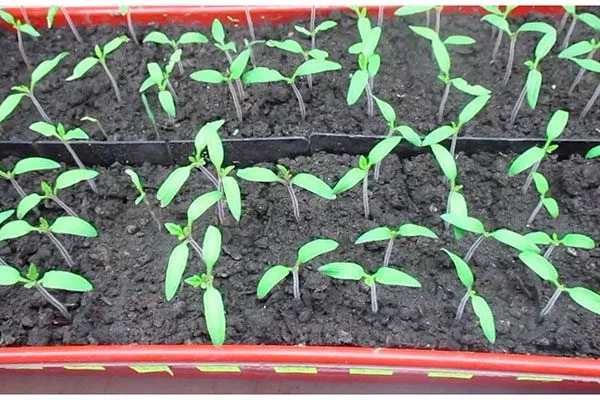
Caring for seedlings
After the seedlings have emerged, create conditions suitable for their good growth and development, in particular, provide them with proper care:
- Maintain moderate soil moisture In a box or pots with young tomatoes. Do not allow the substrate to dry out or become overwatered. Mistakes in watering the vegetable crop can lead to its death.
Water your tomato plants sparingly. Use lukewarm, settled water. Before transplanting, moisten the soil under the seedlings daily with a syringe, and after transplanting, use a watering can and water as needed. Avoid splashing the leaves and stems. - Provide the seedlings with a comfortable temperature regimeIt thrives at temperatures of 16-22°C. A sunny windowsill is a suitable warm spot for it. It's best to keep tomatoes near plastic windows, as they won't be affected by drafts there.
To prevent the spring sun from scorching the sprouts, consider installing a special screen. It will diffuse the light and prevent the plants from burning. - PMake sure to provide the seedlings with long daylight hoursIt should last at least 12 hours a day. In March, when cloudy days are common, use grow lights to provide additional light for the seedlings. Regular incandescent bulbs are not suitable for this purpose, as they will overheat the plants underneath.
Don't be lazy in turning the seedlings toward the light daily. If you neglect this procedure, they will develop incorrectly (one-sidedly). - Feed your seedlings wiselyStart fertilizing after the plants have 2-3 true leaves. Nitrogen-based fertilizers are not the best choice. Seedlings grown with them tend to be spindly and spindly.
Opt for mineral fertilizers, such as Green Guy AQUA Tomato. Create an aqueous solution with a concentration five times lower than the recommended dose for mature tomato plants. - Prick out the grown tomatoesIf you initially planted them in a common container, repeat the procedure after 1-2 true leaves have formed. Use peat pots or plastic cups that can hold at least 400 ml of liquid.

- Harden off seedling bushesTo increase their resilience, begin immunity-boosting treatments 10 days before transplanting the seedlings to the garden. For the first few days, leave them in an open, sunny window for 1-2 hours. Then, increase the duration of the air bath.
The plants will gradually acclimate to lower temperatures, UV rays, and breezes. Let them spend the last night before transplanting to their permanent location on the balcony. Stimulating preparations like Epin will also help increase their resistance to adverse environmental factors.

Planting in a permanent location
Select a sunny, wind-free area of your garden for planting your Fairy's Gift tomatoes. The soil should be loose, fertile, and neutral in pH. It's best to have grown crops that are good predecessors for tomatoes in the same area last season:
- parsley;
- zucchini;
- carrot;
- onions.
Before transplanting tomato seedlings into the garden, dig the soil, remove weeds, and add fertilizer (humus and mineral fertilizers). If the soil is too dense, add coarse sand. If it's acidic, enrich it with chalk or ash.

Transplant hardened Fairy's Gift seedlings to an open bed in late spring or June, or to a greenhouse in May. Plant them in the bed using the transshipment method. Follow the 50x40 cm pattern. Don't forget to add humus, wood ash, and a little potassium sulfate or superphosphate to the holes. Ensure they have supports.
Caring for tomatoes
Gardeners consider the orange tomato variety "Fairy's Gift" to be easy-to-grow, hardy, and adaptable to a variety of growing conditions. Simply following standard farming practices will ensure a bountiful harvest and prevent disease.
Watering rules
Fairy Gift plants are drought-resistant. Despite their ability to tolerate drought, gardeners try to avoid allowing the soil in the garden to dry out for extended periods. This can lead to a decline in yield and deterioration in fruit quality. Providing water for the planting site is especially important during the following periods:
- until flowers appear on the bushes (maintain soil moisture at 70%);
- during flowering and fruit set formation (plants' need for moisture increases to 85%).
- ✓ Maintain soil moisture at 85% during flowering and fruit set.
- ✓ Provide plants with protection from direct sunlight on hot days to prevent burns.

Follow the rules for watering orange-fruited tomatoes to avoid possible complications and get a rich harvest:
- water the bed with warm, settled water, do not use cold water;
- during the flowering and fruiting period of the Fairy Gift, use 4-5 liters of water for each bush;
- Water the bed moderately, waiting until the top layer of soil dries out;
- carry out the procedure approximately 2 times a week, adjusting the schedule taking into account weather conditions (on hot days, water the planting more often; in rainy weather, refrain from watering it);
- do not allow water drops to fall on the foliage of the bushes;
- After moistening the soil under tomatoes growing in greenhouse conditions, open the windows and doors for ventilation.
Bush formation
At the initial stage of your tomato plantings' life, pay special attention to their formation. To ensure your Fairy's Gift bushes delight you with their productivity, train them into three trunks and pinch out any side shoots. If you approach this wisely, you'll get compact plants with abundant fruit production.
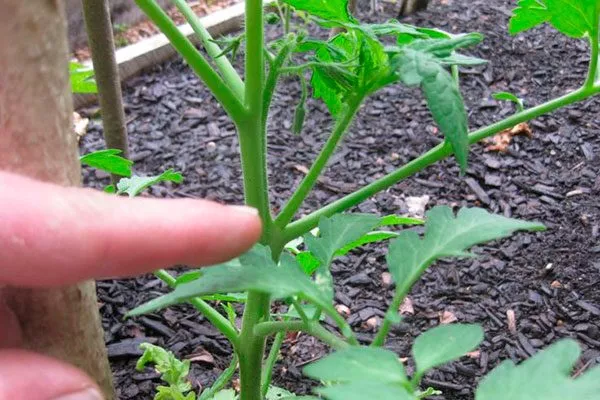
Despite their short stature, this variety of tomato requires support. Install these supports after transplanting the seedlings to their permanent location. They will help prevent the stems from breaking under the weight of numerous ripe fruits. Taller greenhouse plants especially need this support.
Introduction of fertilizers and dressings
Vegetable crops perform best when grown in well-fertilized soil. To ensure a bountiful and high-quality harvest, fertilize the plantings once every 14-20 days. Apply the first nutrient solution two weeks after planting the seedlings in the garden.
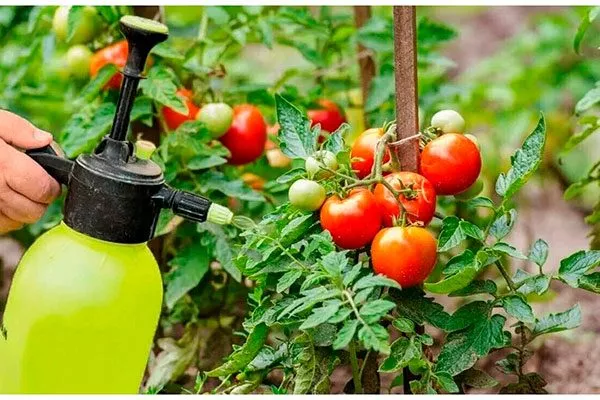
When growing the Fairy's Gift variety, use two types of fertilizer: organic and mineral. Apply them at the following times:
- at the initial stage of bush growth (before they bloom) stimulate the formation of their foliage by using nitrogen-rich compounds: a solution of mullein or chicken manure, ammonium nitrate, urea;
- after the appearance of the fruit ovary and during its ripening period Fertilize the orange tomato planting with potassium-phosphorus preparations such as Superphosphate, potassium sulfate, after dissolving them in water (40 g per 10 l).
Foliar feeding is also recommended for Fairy Gift plants. Spray flowering tomato plants with a boric acid solution to stimulate new fruit formation.
Weeding and loosening
Every time after watering the tomato bed or after it rains, carry out the following care procedures for the garden soil:
- loosening (carry out the manipulation at least once every 7-10 days, cultivating the soil to a depth of 5-7 cm, trying not to damage the roots and stems of the bushes);
- weeding (remove weeds from under tomato bushes once a week, combining the procedure with weeding);
- mulching (to create a favorable soil microclimate and retain moisture in the soil, cover it with a layer of organic matter: straw, peat, humus).
Growing nuances
This variety of tomato is disease-resistant and produces a bountiful harvest only if gardeners adhere to all the nuances of its cultivation:
- Grow orange tomatoes using seedlings only;
- sow the seeds to obtain seedlings 55-60 days before the planned date of their “relocation” to the garden;
- Do not allow a lack of light when growing seedlings; use phytolamps to prevent them from becoming stretched out and stunted;
- Place the bed in a sunny area, since tomato plants grow well and bear fruit only in intense light (otherwise they absorb nutrients poorly, their growth slows down, the quality of the fruit suffers, and productivity decreases);
- do not neglect fertilizing; during the fruiting period, use nutrient solutions with a concentration 1.5 times higher (at this stage of development, bushes respond especially well to the application of Superphosphate);
- Spray the Fairy Gift planting with a biostimulant several times per season to increase its yield by 25%;
- Be sure to tie the bushes to supports to avoid breaking the stems while the tomatoes are ripening;
- pinch off the side shoots of the plants, break off the fattened shoots before they reach a length of 5 cm;
- gradually remove the lower branches of the bushes up to the first cluster during the fruiting period;
- 20-30 days before harvesting, trim the peripheral roots to ensure better nutritional supply to the above-ground parts of the plant;
- Do not neglect preventative treatments of your plants to protect them from diseases and pests.
Growing tomatoes in open and protected ground
The Fairy's Gift tomato variety has some specific cultivation features for both open garden plots and indoor cultivation:
- For greenhouse tomatoes, tie them to a vertical trellis, weekly twisting the top of the main stem of the bush around a twine secured to a wire;
- To promote better pollination of tomato bushes growing under cover, shake the flowers (this technique helps ensure that more ripe pollen falls onto the stigma of the pistil);
- Practice regular ventilation of the interior space of the greenhouse to prevent the Fairy Gift bushes from being affected by fungal infections and rotting;
- Do not water the orange tomato plantings growing outdoors using the sprinkler method; pour settled and sun-warmed water directly under the roots of the bush;
- Do not place a garden bed next to a potato planting; pay special attention to protecting the crop from the Colorado potato beetle;
- Fight diseases and pests that plague bushes growing in open beds in a timely manner.
Harvesting
Harvest orange tomatoes as they reach ripeness. Remove the fruits from the vines every few days. Unripe tomatoes can be successfully ripened at home.
If you're growing this variety in an open garden bed, harvest in the morning during dry, warm weather. This doesn't matter for greenhouse tomatoes. Pick them from the vines at any time convenient for you. To ensure the best possible storage of your harvested tomatoes, follow these guidelines:
- Use scissors to carefully remove the fruit from the bush;
- cut the tomato together with the stem;
- do not allow its skin to be damaged;
- put overripe and cracked specimens aside, separating them from the general mass of the harvest (they will need to be eaten or processed as soon as possible);
- To ensure that tomatoes last as long as possible, pick them from the bush when they are slightly unripe.
The "Fairy's Gift" variety has a good shelf life. To keep tomatoes fresh longer, store them in a room with the right temperature:
- +10-12°С — for fruits that have reached milky ripeness;
- +1-2°С — for biologically ripe tomatoes;
- below +1-2°C - for the ripest tomatoes, which need to be eaten as quickly as possible or processed into puree, juice, or tomato paste.
Pest and disease control, prevention
Fairy's Gift is resistant to verticillium wilt, tobacco mosaic virus, and fusarium wilt. When properly maintained, its plantings are disease-free. Only weakened and injured plants are susceptible to infections and pest attacks.
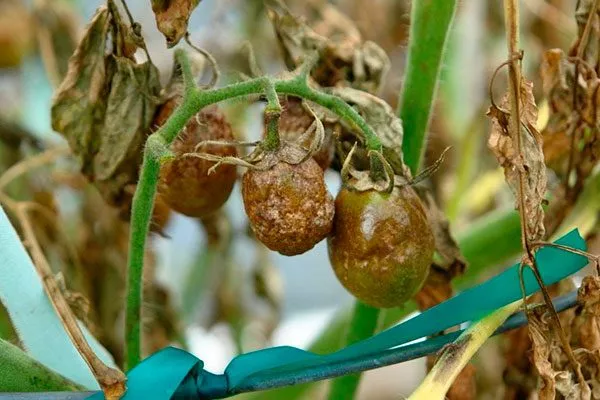
Preventative spraying of orange-fruit crops with Fitosporin-M, HOM, and Bordeaux mixture will help prevent rot, late blight, and other infections.
Plants also require protection from pests (Colorado potato beetles, aphids, thrips, spider mites, slugs). Use the following remedies to combat these pests:
- purchased insecticides;
- biological preparations like Fitoverm;
- folk recipes (herbal infusions, soap solution, ash powder, spices).
Pros and cons
The Fairy's Gift tomato has become a favorite among many gardeners due to its many valuable qualities that distinguish it from other varieties:
Among the disadvantages inherent in the orange-fruited tomato variety, gardeners highlight the need for bushes to be formed and tied up, and their increased love of light and heat.
Reviews
Fairy's Gift is an excellent variety of sweet orange tomatoes, beloved by gardeners for its early and abundant fruiting, good shelf life, and rich carotene content. These tomatoes are often eaten fresh as a healthy summer treat, but are also used for processing and canning.