
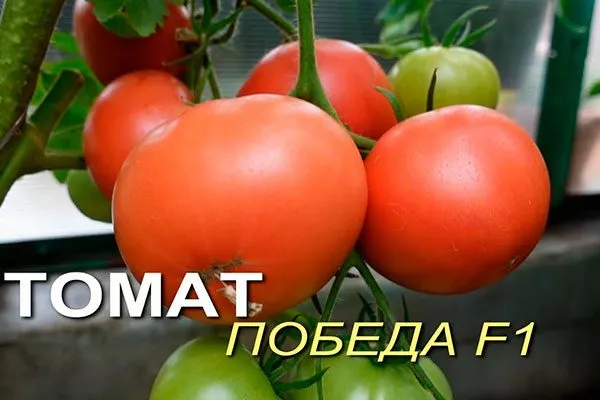
Pobeda F1 is an early-ripening tomato variety characterized by high yields, an extended harvest period, and high marketability. It can be grown in two ways: outdoors and indoors, preferably in two layers.
Description of the plant and fruits
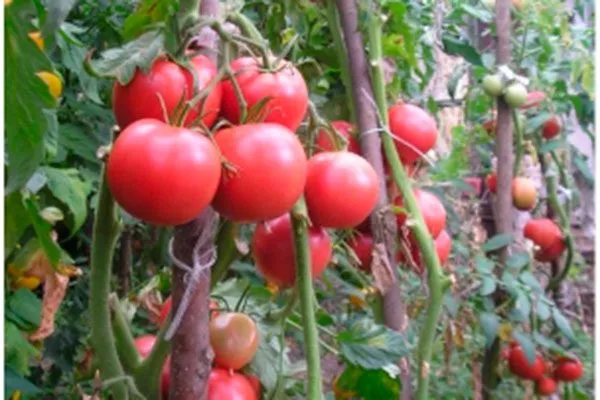
The tomato hybrid's bushes are indeterminate and well-developed. Their appearance is described as follows:
- height - 2-2.5 m;
- strong stems;
- shortened internodes;
- low level of foliage (shoots often look “bare”);
- foliage: green, elongated;
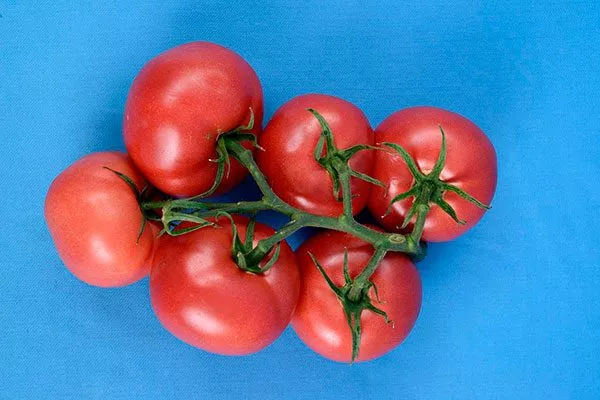
- fruit clusters of a simple type, consisting of 6-8 tomatoes (the first of them tends to form above the 6-7th cluster, the next ones - after 1-2 nodes).
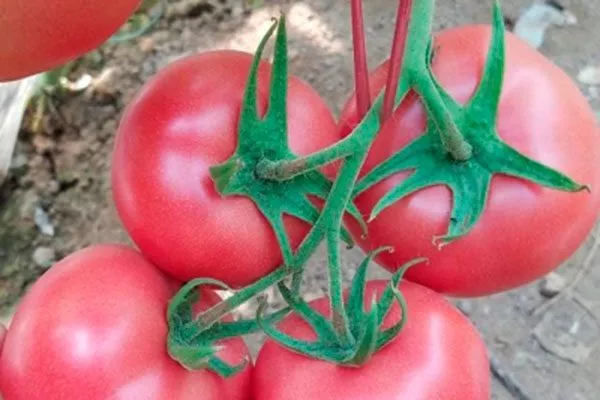
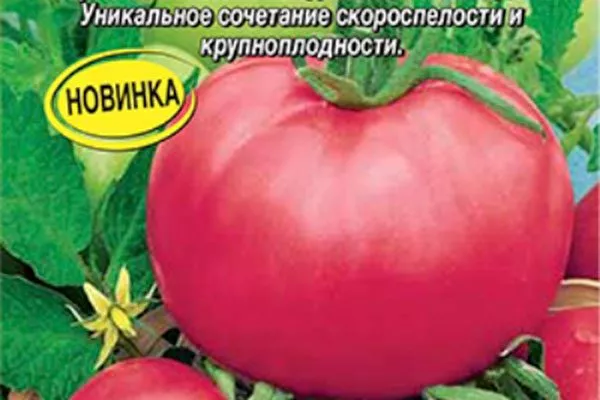
The hybrid variety's harvest boasts attractive appearance, shelf life, and transportability. The fruits possess the following characteristics:
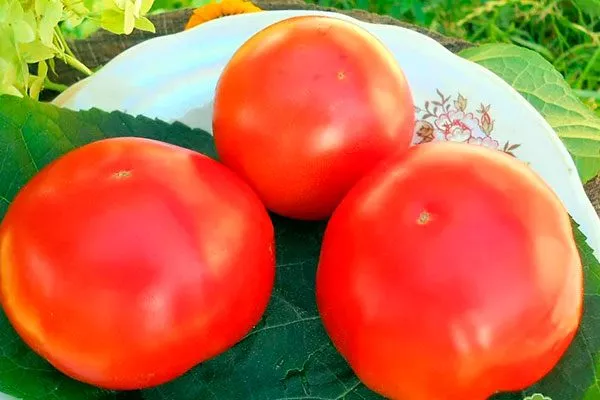
- weight - 160-180 g (with enhanced agricultural technology it is possible to obtain larger tomatoes, whose weight reaches 200-220 g);
- neat rounded shape;
- slightly pronounced ribbing;
- rich crimson color;
- strong skin with a beautiful shine;
- pulp: moderately dense, fleshy, juicy, aromatic.
Characteristics and history of the variety
The Pobeda tomato hybrid was developed by domestic breeders:
- Panchev Yu. I.;
- Panchev Yu. Yu.
In 2018, it was approved for use in the Russian Federation. Its seeds are sold by the Moldovan agricultural firm "Elite Row."
This vegetable variety belongs to the category of early-ripening cultivars and hybrids. Its harvest ripens within the following timeframes:
- 93-95 days after germination;
- 58-60 days after planting seedlings in the garden bed.
Hybrid bushes produce abundant fruit and yield over a long period. Their productivity indicators are high:
- 9.2 kg per 1 sq. m – first harvest of fruits;
- up to 23 kg per 1 sq. m – total yield when grown in 2 rotations;
- The percentage of marketable output is 98.
The tomato variety bred by the Panchev family delights gardeners with its relatively strong immunity. Its bushes are resistant to Alternaria leaf spot and tobacco mosaic virus. However, they lack good pest resistance. The greatest threats to them come from aphids, spider mites, and the Colorado potato beetle.
The hybrid also has the ability to withstand adverse weather conditions. It is drought-resistant, withstands periods of prolonged rainfall, and lack of sunlight. Thanks to its resilience, it is successfully cultivated almost everywhere in Russia, Belarus, Ukraine, and Moldova.
The Pobeda tomato is approved for cultivation in the following regions and districts of the country:
- Northern;
- North-West;
- Central;
- Volga-Vyatka;
- Central Black Earth Region;
- North Caucasian;
- Middle Volga;
- Lower Volga;
- Ural;
- West Siberian;
- East Siberian;
- Far Eastern.
Culinary uses
The tomato hybrid's fruits have excellent tasting qualities. They have a pleasant, slightly sweet flavor with a hint of refreshing acidity. They are juicy, fleshy, and aromatic. They are ideal for fresh eating (sliced, in summer salads).
The culinary uses of Pobeda tomatoes are extensive:
- they are processed into juice, puree, tomato paste;
- used for making sauces, ketchup, borscht dressing;
- added to first and second courses, sandwiches and canapes, pizza;
- canned;
- are salted and frozen.
With their rich tomato flavor, these fruits add a vibrant flavor to homemade dishes, making them more appetizing. They hold their shape well when sliced and don't fall apart during cooking. They remain appealing when salted and pickled. They pair well with spices and herbs.
Landing
Grow this tomato hybrid using seedlings, then transplant them to outdoor garden plots or a plastic greenhouse. Begin sowing in late March or early April (60-65 days before the planned transplant date).
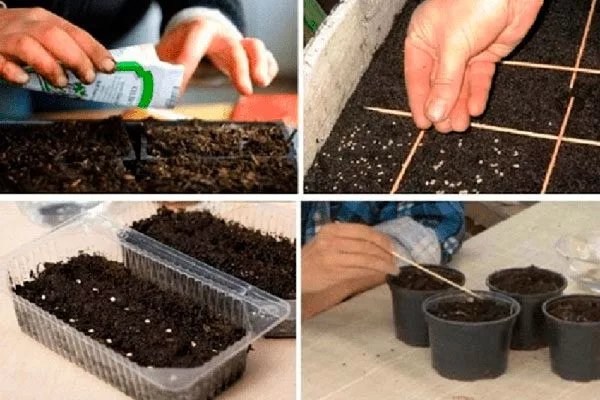
Prepare suitable containers for growing tomatoes indoors (boxes, cups with drainage holes in the bottom, or peat pots). Wash and disinfect reusable containers before use by treating the inside with a solution of potassium permanganate.
To grow tomatoes, use light and loose soil with neutral acidity:
- store-bought universal substrate (it is rich in nutrients and disinfected, has the correct structure);
- homemade soil mixture (to obtain it, combine turf soil with humus in a 1:1 ratio, add sawdust or peat for looseness, as well as superphosphate).
Prepare for sifting also for vegetable seeds:
- leave them in a cool place for 3 days to harden;
- treat with a solution of potassium permanganate (its concentration is 1-2%), and then rinse the seed material in clean water;
- Germinate it in a warm room on a saucer with a damp cloth.
After completing the preparatory work, proceed directly to sowing the hybrid seeds for seedlings. Follow these steps:
- Partially fill the box with expanded clay or small stones, forming a 2 cm thick drainage layer.
- Pour the potting mix over the drainage layer. Warm it up to room temperature first.
- Place the seeds into the substrate, burying them 1-1.5 cm deep. Maintain a distance of 3-4 cm between them.
- Moisten the seeds. Cover them with glass or film to create a greenhouse effect for the seeds, promoting rapid and uniform germination.
Place the seed tray in a well-heated room. The temperature should be at least 25°C. Avoid direct sunlight on the plastic film under which the tomato seeds are germinating. Remove the covering material one week after the sprouts emerge.
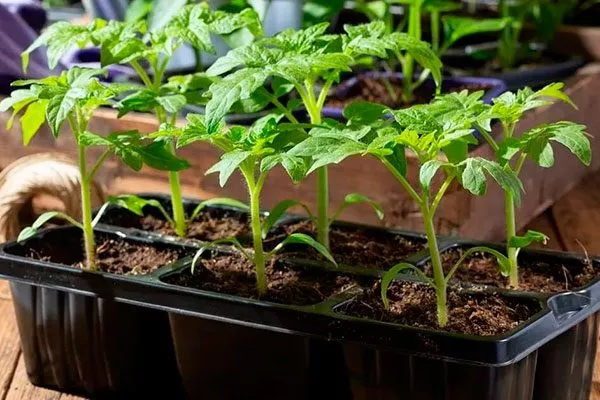
Move adult seedlings to a permanent location within the following timeframes:
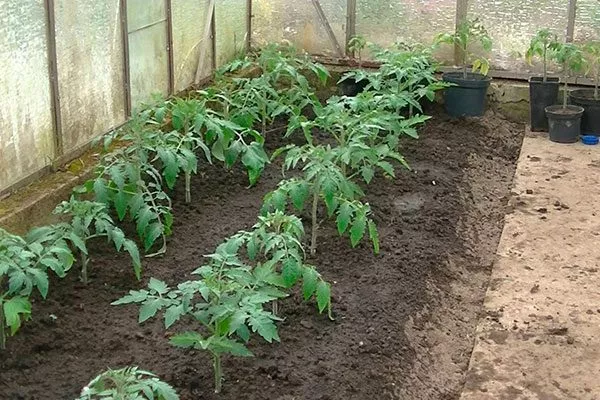
- in the second half of April, in May - in a film shelter;
- at the end of May, in June - in an open garden bed (first make sure that the soil has warmed up to +15°C, and the threat of recurrent frosts has completely passed).
If you plan to grow the Pobeda tomato hybrid in an outdoor garden, choose a plot with the following characteristics:
- sun-drenched;
- windless;
- having protection from drafts;
- not flooded by groundwater;
- with loose and fertile soil, characterized by a pH of 6 to 7;
- used last season to grow good tomato predecessors: garlic, cucumbers, carrots, onions, and legumes.
Prepare the area in your garden for tomato plants in advance. Dig the soil. Clear it of weeds, roots, and plant debris. Add organic and mineral fertilizers to improve soil fertility.
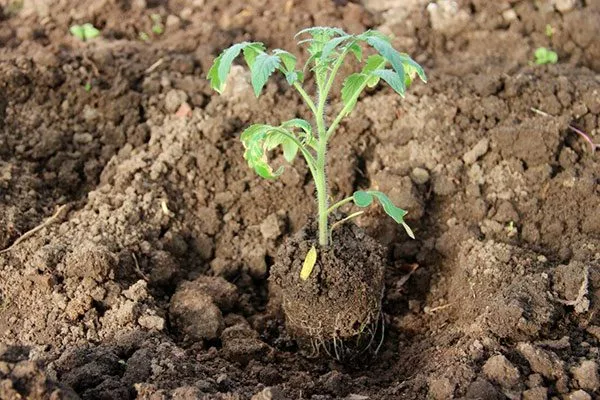
Transplant tomato plants into the garden bed following these step-by-step instructions:
- Carefully remove the seedlings from the cups. Do not disturb the root ball.
- Place it in the central part of the planting hole, having first added some humus and wood ash to it.
- Cover it with soil. Do not bury the plant's root collar.
- Water the Pobeda tomato planting generously with settled warm water.
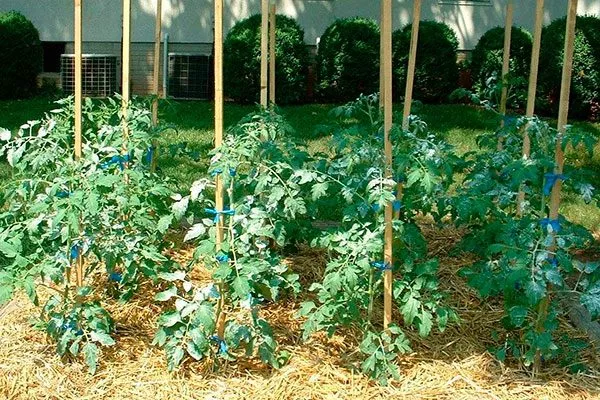
- Install a strong and reliable support near each seedling bush.
Further cultivation of the crop
Provide proper care for your Pobeda hybrid tomato to ensure abundant fruit production. Follow these steps:
- WateringWater the tomato soil with warm, settled water. Maintain moderate humidity. Water the plants 1–2 times a week. Soak the soil around the root system to a depth of 3–5 cm. Avoid over-watering or over-drying.
- Loosening the soilWork it to a depth of 5-7 cm. Try not to damage the roots and stems of the tomatoes. This procedure prevents the formation of a dense, air-impermeable crust on the soil surface. Perform it the day after watering or rain.
Combine loosening with the removal of weeds, which deprive the crop of nutrients and contribute to its infection. - MulchingCover the soil under hybrid tomato bushes with a layer of organic matter (cut grass, straw, peat, sawdust) to retain moisture and suppress weed growth.

- FertilizationFertilize your tomato plants for the first time 15 days after transplanting them to the garden. Water them with an ammonium nitrate solution (20 g per 10 liters of water).
Fertilize your tomatoes a second time after 20-25 days. Apply the same fertilizer, adding superphosphate.
Feed the hybrid plantings for the third time after 20-25 days, using a solution of Superphosphate (1:10) or potassium monophosphate (5 g per 10 l). - Shaping and tying bushesTrain tall plants with 1-2 stems. Don't neglect side shoots. Remove excess shoots to give the plant a neat appearance and increase productivity. Pluck off lower leaves as they age.
Secure the bushes to supports and trellises to prevent their branches from breaking under the weight of ripening fruit. - Protection from diseases and pests. This vegetable variety is susceptible to late blight and rot. To prevent disease in Pobeda plants, follow proper agricultural practices and treat them with fungicides (Fitosporin-M, HOM, and Bordeaux mixture).
Plants also require protection from pests. Use commercial insecticides, biological products, and folk remedies. Consider hand-picking the larvae.
Pros and cons
Domestic gardeners and vegetable growers have appreciated the numerous advantages of the indeterminate tomato hybrid Pobeda. These include:
Reviews
Pobeda F1 is a popular tomato variety among Russian gardeners, characterized by tall bushes. These plants are excellent performers both indoors and outdoors. They can produce two harvests per season when grown in greenhouses in multiple rotations. They produce high-quality raspberry-colored fruits that are easy to store and transport.