
The Flame tomato has deservedly earned its popularity thanks to its numerous advantages. Its early maturity, good productivity, and undemanding growing conditions make it an excellent choice for various regions of the country. This variety is ideal for both fresh tomato lovers and those who preserve tomatoes for the winter. Proper care is key.
History of selection
Developed by breeder V. I. Blokin-Mechtalin and commercially available in 2018, it was developed to create early-ripening, high-yielding tomatoes. The variety is characterized by excellent resistance to nightshade diseases.
The F1 designation indicates that the stated characteristics are preserved only in the first generation. Therefore, collecting seeds for planting next season is not recommended; they must be purchased again from specialized stores.
Description of the tomato variety Flame F1
Flame attracts vegetable growers with its early maturity. The compact bushes produce high yields, and the fruits are characterized by a pleasant taste, attractive appearance, and uniform shape. The plants are easy to care for and adapt well to all soil types.
Features of the bush
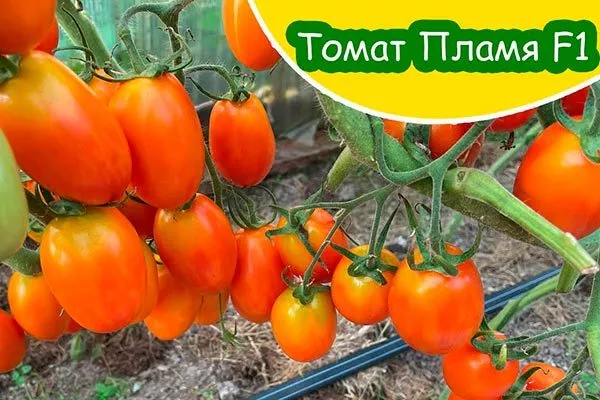
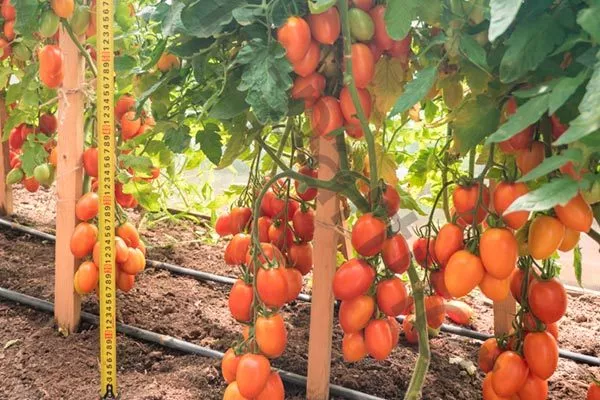
The plants are medium-sized and neat, reaching a height of 80-120 cm. They have sturdy trunks and stems that require no side shoots, staking, or top pinching. The inflorescences are simple, with the first ones forming above the sixth leaf, and subsequent ones every two leaves.
Fruits and their taste qualities
The tomatoes have an elliptical shape with slight ribbing. Distinguishing characteristics:
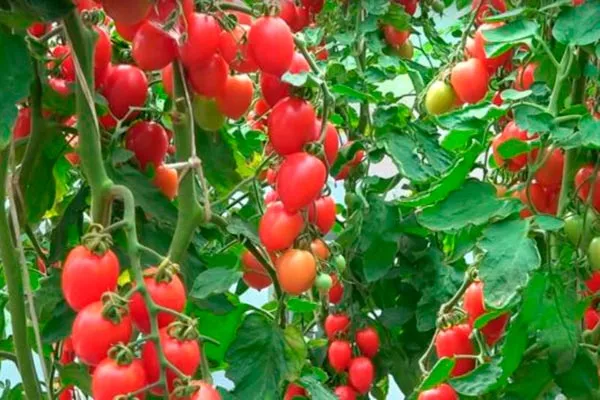
- They are colored orange or scarlet. When immature, they are light green.
- The average weight is about 50 g.
- They are dense, with a meaty consistency.
- The skin is shiny, smooth and strong, effectively protecting them from cracking.
- A brownish dimple is visible at the base of the stalk.
- The seeds are small, located in the center, and the pulp is dense, fragrant and tender.
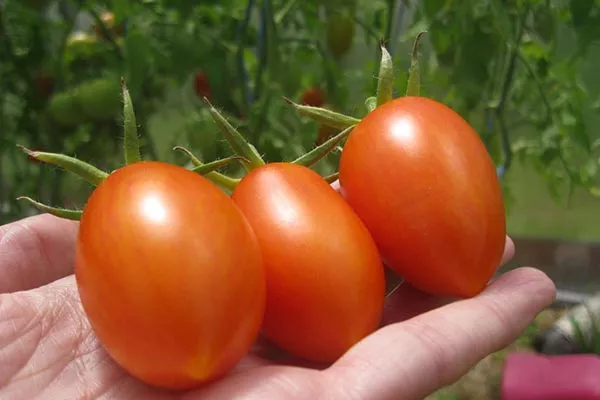
Tomatoes store well for up to 3-4 weeks, provided the room temperature is maintained at no more than 19°C, and there are no drafts or high humidity. They withstand long-distance transport well, maintaining their appearance and flavor. This variety has a long shelf life.
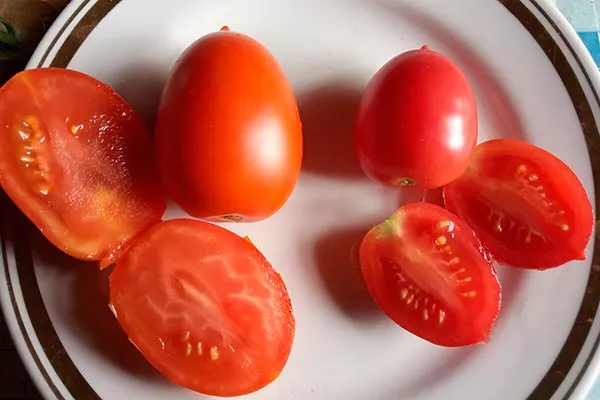
In terms of taste, tasters rate these tomatoes 4.8 out of 5. Their juicy texture and sweet flavor with a vibrant aroma make them particularly appealing to consumers.
Characteristics of the Flame tomato
The variety got its name from the rich, bright red color of its fruits, reminiscent of fire. Gardeners call this one of the most successful, sharing positive impressions. The crop has many unique characteristics and good qualities.
Tomato Flame yield and what influences it
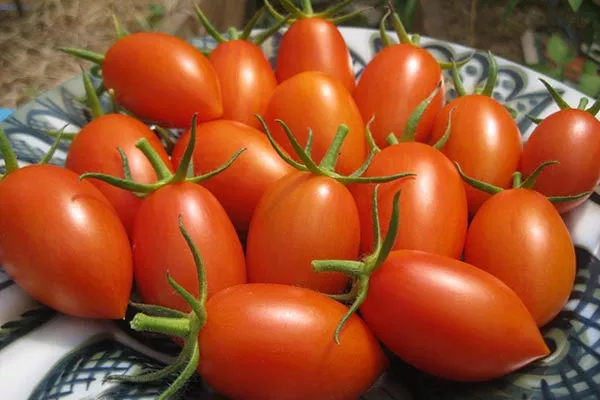
One square meter of planting yields up to 15 kg of ripe fruit, which is an excellent indicator of productivity. To prevent rot and overripening, pick tomatoes from the bushes promptly. You can also harvest unripe tomatoes; they ripen successfully indoors, for example, on a windowsill.
Ripening time
It takes about three months from germination to harvesting the first tomato crop. However, in southern regions, the first tomato harvest begins as early as the end of June, thanks to the warmer climate and favorable growing conditions.
Resistance to diseases and pests
Due to its short ripening period, this variety is virtually immune to diseases, as most become active later. It is resistant to late blight, verticillium wilt, fusarium wilt, and alternaria.
Pests rarely have time to cause damage, as their active development begins closer to the end of fruit ripening. However, if the soil is infested with root-feeding insects, crops can suffer. Signs of damage include:
- short stature;
- dry leaves;
- wilting of shoots;
- poor formation of ovaries;
- tomato drop.
Fungal diseases rarely affect the foliage of this variety. Their active spread usually begins in mid-June, when the bushes are already in the final stages of growth and begin to gradually dry out, a normal physiological process.
Application of fruits
Flame tomatoes are versatile and suitable for: making tomato soups and juices, winter preserves, stuffing with various fillings, and adding to vegetable salads. The fruits are eaten fresh and sold in large quantities.
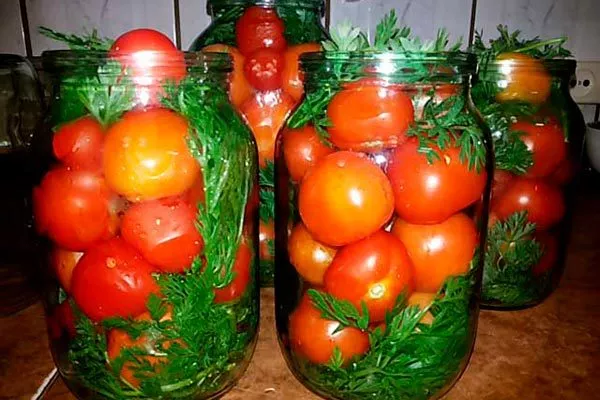
Tomatoes are distinguished by their presentable appearance and excellent transportability, making them highly sought after. They are especially popular in early summer, as most varieties ripen only in August.
Necessary climatic conditions
Flame tomatoes are successfully grown in most regions of Russia, including the Northern, Far Eastern, Northwestern, East Siberian, Central, West Siberian, Volga-Vyatka, Ural, North Caucasian, and Lower Volga regions.
Planting and care features
Proper cultivation is the key to successful growth and a bountiful tomato harvest. It's important to properly prepare the soil, choose a suitable planting site, and maintain the optimal seeding depth. With proper care, you'll achieve abundant harvests.
- ✓ The optimal soil temperature for planting seedlings should not be below +15°C.
- ✓ The distance between bushes when planting should be 40-50 cm to ensure sufficient ventilation and lighting.
Planting conditions and terms
Grow Flame F1 tomatoes from seedlings, which are then transplanted into the open ground or a greenhouse once stable above-zero temperatures have been established. Semi-shaded areas protected from drafts are ideal for this variety.
The culture is unpretentious in care, tolerates temperature changes well and does not suffer from a lack of sunlight.
How to plant correctly?
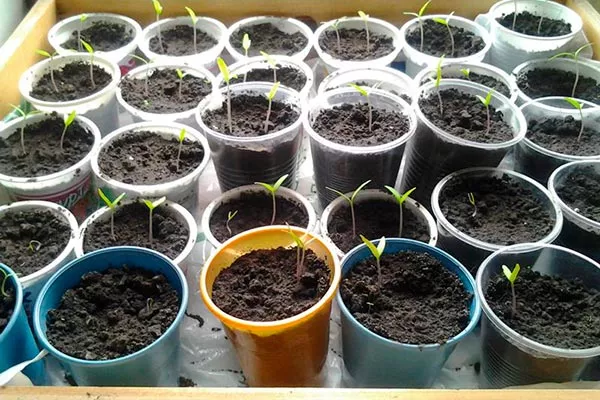
Sow seeds for seedlings 50-55 days before transplanting. Pre-disinfect the seeds in a manganese solution, then rinse and dry. If desired, soak them in a growth stimulant for better development and immune development.
Helpful tips:
- For seedlings, use light, fertile soil consisting of peat, coarse sand and garden soil in equal proportions.
- Place the prepared seeds in common planting boxes or individual peat pots, making sure to place a drainage layer at the bottom.
- Sow seeds 1cm deep, 3cm apart.
Seedling care includes regular ventilation, watering, and placing them in a bright location. Once the seedlings emerge, remove the covering and begin hardening off the plants, gradually acclimating them to the outdoors.
Growing seedlings and transplanting
Water the seedlings regularly, avoiding overwatering. Provide adequate light and maintain the air temperature at 22-24°C, then reduce it to 20°C after the seedlings emerge. As soon as the second true leaf appears, thin out the seedlings to prevent them from becoming too dense.
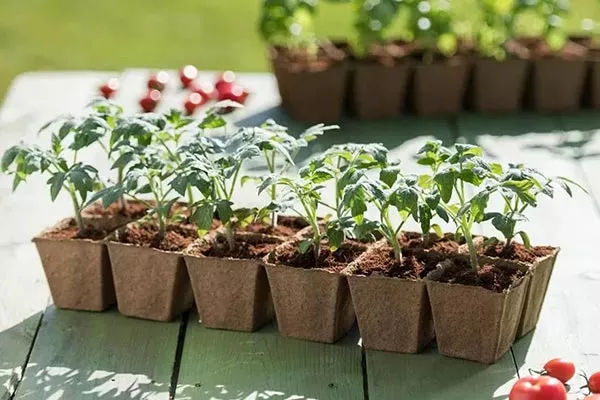
A few days before transplanting outdoors, begin hardening off the seedlings, gradually acclimating them to outdoor conditions. To do this, move the plants outside, increasing their time spent outdoors.
After May 15th, when the soil has warmed up well and stable warm weather has set in, plant the seedlings outdoors. Before planting, thoroughly dig the beds and fertilize them with organic matter. Mulch the holes; regular sawdust is suitable.
Irrigation
Water your shrubs daily during hot weather to maintain optimal moisture levels. If heavy rainfall occurs frequently, reduce the frequency, moistening the soil only when it begins to dry out.
Water the bushes at the roots using settled water at a temperature of at least 23°C. Use 5-10 liters of water per plant, depending on soil and weather conditions.
Weeding and loosening
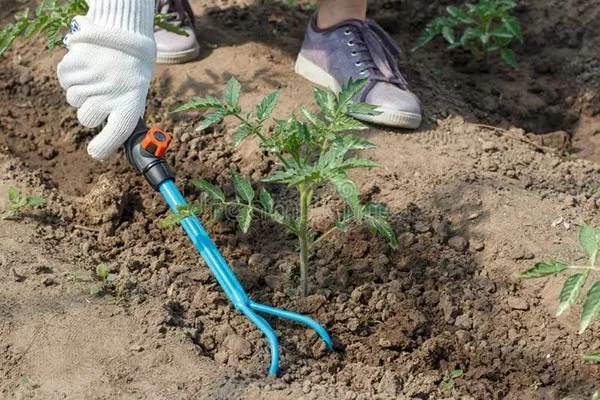
As weeds grow, remove them from the bed using a hoe or other implement, combining this with loosening the soil. Raise the top layer of soil slightly to improve oxygen access to the root system.
Top dressing
Fertilize three times per season using ready-made formulas containing nitrogen, potassium, and phosphorus, available at garden supply stores. These mixtures provide plants with essential nutrients at different stages of growth.
Some gardeners prefer organic fertilizers such as:
- compost;
- mullein;
- chicken manure;
- herbal infusions;
- wood ash;
- humus.
Methods of pest and disease control
To protect tomatoes from insects and diseases, use both specialized products and traditional methods. To treat infections and eliminate fungal diseases, use Metaxil, Tridex, Trichopolum, Ridomil, and Ditan.
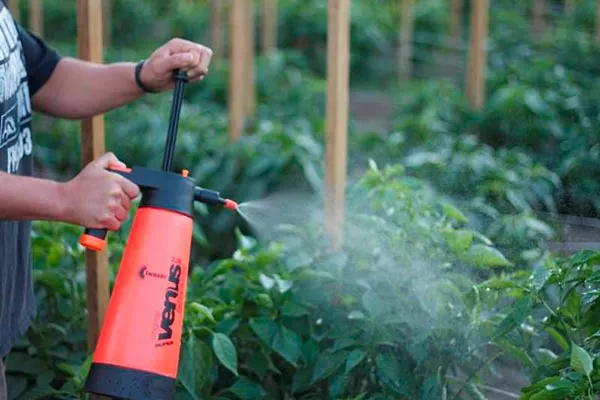
To control pests, use insecticides with paralytic action: Escudo, Lazurit, Tornado, Sukhovey.
Some gardeners prefer to avoid chemicals, fearing they might penetrate the fruit pulp. In such cases, folk remedies are effective:
- Planting mustard next to tomatoes to repel insects.
- Spraying bushes with a decoction of garlic or onion for prevention.
- A wormwood solution helps repel insects.
- Iodine solution protects against fungal diseases.
- To protect against fungi, spraying plants with a mixture of milk (1 liter per 10 liters of water) will help.
- Soap solution is effective against bugs and fungi.
Carry out preventative treatment before the ovaries begin to form to prevent the spread of diseases and pests.
The Flame variety is rarely affected by pests or fungi, but in case of unusual weather conditions, when summer arrives earlier than usual, there is a risk of premature awakening of insects and fungi.
Positive and negative qualities
Before planting seedlings in your garden, be sure to familiarize yourself not only with the variety's advantages but also its disadvantages. This will help you avoid potential mistakes in the future.
Advantages of Flame:
Among the disadvantages of the crop, some gardeners note its demanding nature regarding soil and the possibility of the peel separating from the pulp during canning.
Reviews
The Flame tomato is a reliable and versatile variety that will provide a stable harvest with minimal effort. It's suitable for growing in a variety of climates, boasting excellent flavor and a strong immune system. With proper and timely care, it will reward you with abundant harvests.