
The Pinocchio tomato is a compact, early-ripening variety with a high yield. It's ideal for limited space, such as balconies and windowsills. It grows successfully in greenhouses and open ground. Thanks to its short growing season and disease resistance, it delights with early, delicious fruits with a rich, sweet flavor and pleasant aroma.
Historical facts and regions
This domestic variety is popular with both farmers and amateur gardeners. It was developed in 1970 and passed all the necessary testing within just a few years. In 1973, it was officially added to the State Register.
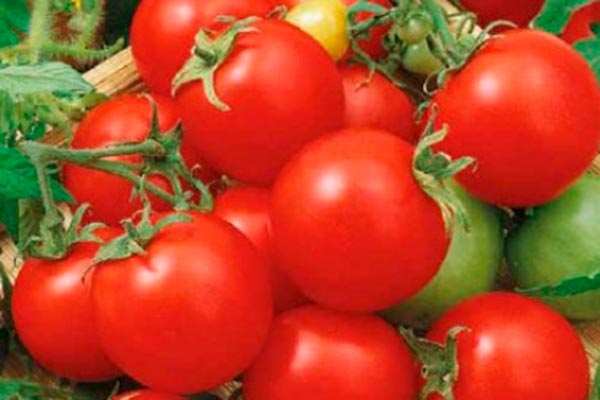
A unique feature of Pinocchio is that it can be grown not only in open beds, but also indoors in pots.
The variety is recommended for cultivation in the following regions:
- Northern;
- Northwestern;
- Central;
- Volga-Vyatka;
- Central Black Earth;
- North Caucasian;
- Middle Volga;
- Lower Volga.
The crop also bears fruit in the following regions: Ural, Far East, West Siberian and East Siberian.
Description of bushes and fruits
The Pinocchio tomato is a general-purpose determinate variety. It is a standard cultivar with a joint at the stalk, characterized by highly marketable fruit.
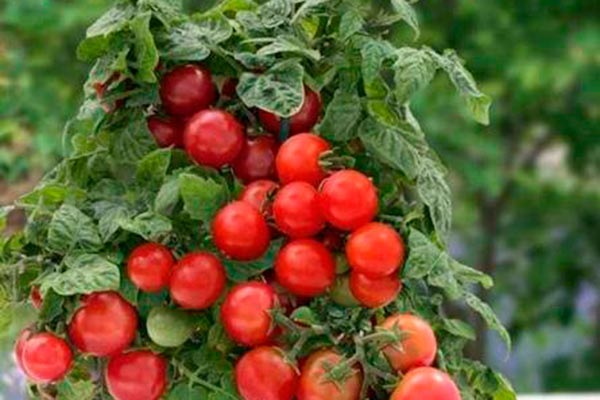
Distinguishing characteristics:
- The bushes are compact, up to 35 cm high, with a strong and thick stem.
- The foliage is dark green, intermediate type.
- Fruit weight varies from 20 to 30 g.
- The fruit is round in shape and bright red in color.
The bush forms numerous clusters, each containing up to 10 tomatoes.
Taste properties and subtleties of use
The fruit's flesh is juicy and sweet, with a rich tomato aroma. These small, smooth vegetables with firm skins are ideal for pickling in small jars.
Thanks to their sweet flavor, tomatoes make a wonderful addition to salads and serve as a garnish for various dishes. They are often used to make rich sauces and juices.
Ripening time, productivity and transportability
The biological maturity of Pinocchio tomatoes depends on planting time. Key characteristics of the crop:
- On average, the first fruits ripen 95-100 days after planting.
- The fruiting period lasts about three months and can last until October.
- This is a high-yielding variety. Despite the compact size of the bushes, a single plant in open ground can yield up to 3 kg of tomatoes. The yield per square meter can reach 20 kg. When grown on a windowsill or balcony, a single plant can produce up to 1 kg of fruit.
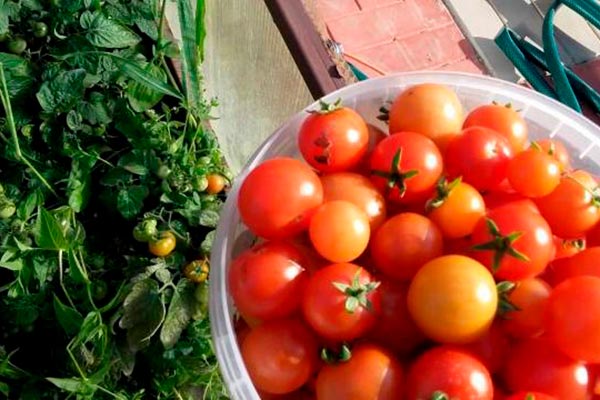
Cherry tomatoes, including the Pinocchio variety, are distinguished by their excellent shelf life and transportability. Thanks to their dense skin, the fruits retain their flavor even during long-distance transport.
Growing
Pinocchio is an easy-to-grow variety suitable for a variety of conditions, making it easy to grow even for beginners. The key is to follow basic guidelines and simple rules.
Preparatory activities
Before planting tomatoes, it's important to follow certain guidelines. Careful preparation significantly increases the chances of a bountiful and high-quality harvest.
Location, lighting, temperature and humidity
Choose planting sites with a southwest or southeast exposure. North-facing sites are unsuitable due to insufficient light. The plant thrives on light, so daylight hours should be at least 8 hours.
The optimal air temperature for sowing seeds is +20-35°C, after emergence – +15-18°C, and for further growth – +18-22°C. The recommended air humidity is 40-60%.
Selecting a container
Use large plastic trays, wooden boxes, or homemade containers for sowing. If you plan to grow several plants indoors, choose peat pellets. The best options for transplanting seedlings are plastic pots, cups, and cut-off plastic bottles.
For growing mature bushes on a balcony or windowsill, choose pots or planters with a minimum capacity of 2 liters. Planting in wooden boxes is acceptable, but no more than 10 bushes per square meter.
How to grow tomato seedlings at home?
The timing of sowing seeds to obtain seedlings depends on the location where the plant is to be grown. For open ground, seeds can be sown in late March or early April; on a balcony, sowing can begin earlier; and for windowsill cultivation, seeds are planted in the fall to obtain ready-to-plant seedlings by early winter.
Selection of seeds
Select planting material no older than two years. Next, follow these steps:
- Place the grains in a container with water so that the water level is 1-2 cm above the seeds.
- After 30 minutes, remove the floating seeds, as they are empty.
- Treat the seeds with a weak solution of potassium permanganate for 15-20 minutes or a commercial fungicide. Discard any damaged or cracked seeds.
- ✓ The optimal soil temperature for sowing seeds should not be below +15°C, which is critical for their germination.
- ✓ To prevent diseases, it is necessary to use only fresh soil that has not previously been used for tomatoes.
A day before sowing, soak the seeds in 5-6 layers of damp gauze.
Proper soil preparation
The soil should be loose, fertile, neutral or slightly acidic, and rich in minerals. Avoid using soil from beds where tomatoes have been growing for more than two years.
Buy ready-made tomato soil mix or prepare your own: mix 10 kg of soil, 10 kg of humus, 10 kg of peat, and 200 g of wood ash. Add phosphorus fertilizer to the mixture.
Sowing and caring for seedlings
Place the seeds individually or in nests of 2-3 in each seedling cup to a depth of 1.5-2 cm. Then follow these recommendations:
- After sowing, moisten the soil and cover with plastic or cling film. The optimal temperature for seed germination is at least 25°C.
- The seedlings will emerge in approximately 4-5 days, after which remove the film and move the seedlings to a room with a temperature of 15-18°C for better root development. For further growth, the temperature should be between 18-22°C.
- When the seedlings have 2-3 true leaves, pick them out and remove the cotyledon leaves.
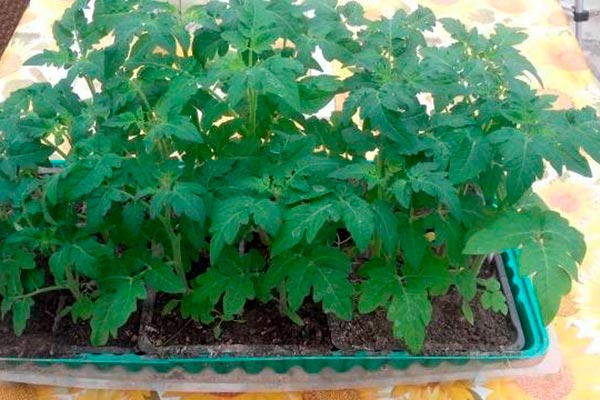
Water the seedlings once every 3-4 days depending on the soil moisture, do not allow a crust to form on the soil.
Transfer
Begin preparing the soil for growing tomatoes in the fall: dig it over and enrich it with ash and humus. Remove plant debris and weeds from the area. In the spring, dig the soil again and disinfect it by watering with a weak solution of potassium permanganate.
Helpful tips:
- 2-3 days before transplanting, moisten the seedlings and feed them.
- Place no more than 7-8 holes per 1 sq. m.
- Place 20 g of ash at the bottom of each hole.
Place the seedlings at an angle, but don't plant them too deep. Water with warm water, then cover with soil.
Other growing options
Besides traditionally growing tomatoes outdoors, there are several other methods. Tomatoes are often grown on a balcony or windowsill. This is an ideal solution for those who want to grow vegetables during the winter or don't have a garden plot.
In open ground
Plant Pinocchio seeds only in warm soil, the temperature of which should not fall below 15°C. If the soil is cold, the plants will not be able to fully absorb nutrients.
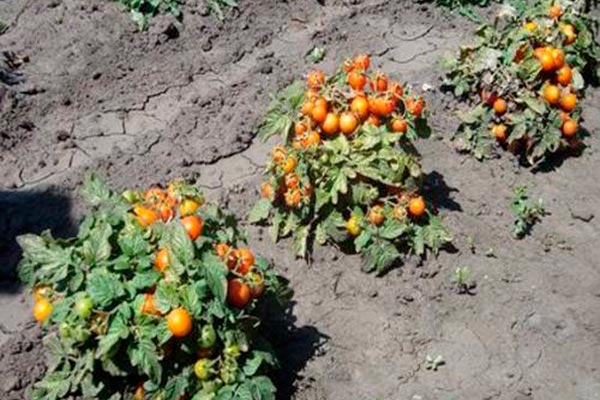
Follow the rules:
- For normal growth and development, ensure regular care: watering once a week, fertilizing every 10-15 days, loosening the soil after watering and hilling it twice with moist soil.
- Pour warm water under the roots no later than 3 hours before sunset to prevent late blight. Avoid getting water on the leaves.
On the balcony
Grow tomatoes on a loggia or balcony facing south, southeast, or southwest. On a north-facing terrace, the plants will experience a lack of light, which will slow their growth. The soil should be fertile, similar to that for seedlings, as tomatoes will be growing in a confined space.
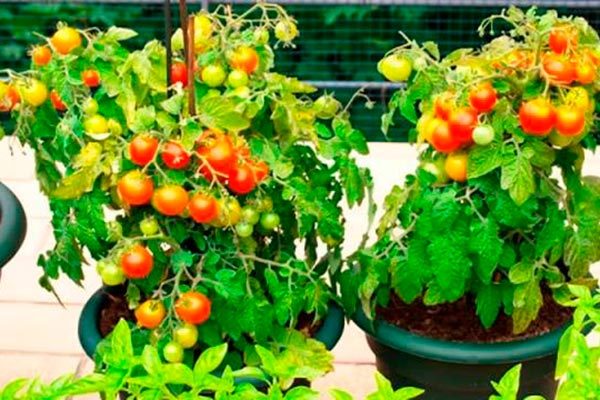
Follow the recommendations:
- Plant the bushes in pots with a minimum capacity of 5 liters. A good option is cut-down 5-liter plastic bottles, but be sure to make holes in them to allow excess water to drain.
- Water and fertilize your plants regularly. Don't allow the soil in the pot to dry out, as this can cause flowers and ovaries to fall off.
- The soil must remain fertile to ensure a full harvest. Fertilize the plant every two weeks using a weak solution of complex mineral fertilizer, and be sure to moisten the soil after fertilizing.
- Loosen the soil in the container to ensure air access to the roots.
- In cloudy weather, use grow lights for additional lighting. To ensure even illumination, rotate the tomato containers 180° daily.
Pinocchio is a self-pollinating variety, so additional pollination is not necessary.
On the windowsill
Caring for indoor tomatoes is not much different from caring for plants on the balcony. Maintain the correct temperature: 23°C during the day and 18°C at night. Supplemental lighting is essential, as tomatoes require at least 12 hours of daylight for full growth.
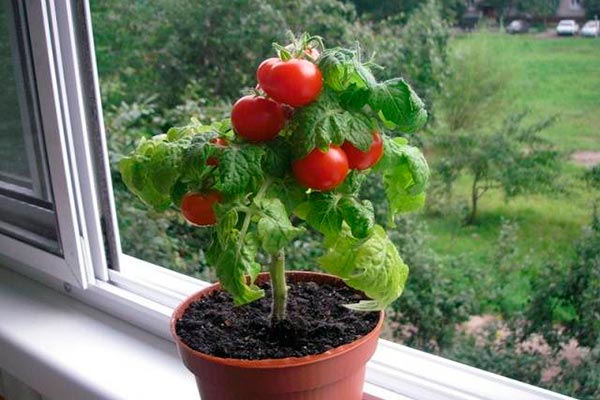
Water until the soil in the pot is completely saturated. When fertilizing at the beginning of growth, use a complex fertilizer, and when flowering and fruiting begin, add potassium salt to improve the quality of the fruit.
Step-by-step care instructions
When growing dwarf tomatoes, it's important to consider several key aspects. Following these recommendations will help you avoid common mistakes and grow strong, healthy plants.
Watering and fertilizing
Water the seedlings regularly as the soil dries out. Follow these recommendations:
- Avoid acidification and crusting. If the seedling container is transparent, adjust watering based on the appearance of the soil and avoid mold formation around the edges. Water the bushes with warm, settled water.
- Start fertilizing after the seedlings develop their fifth true leaf. Use ready-made mineral fertilizers (such as superphosphate, urea), wood ash, eggshells, or brewer's yeast.
- Prepare natural fertilizer at a rate of 20 g per bush or use a mullein solution (1 part to 5 parts water) – 1 liter of solution per bush. Repeat the fertilizer application after 10-14 days with the same mixture.
- Fertilize seedlings until fruit sets, but stop 10 days before harvest.
Pruning, shaping and pinching
Pinch when the top of the stem reaches 20-25 cm. This will help the bush become more bushy and increase the number of fruits. Additionally, prune any overly large branches and remove any excess flowers.
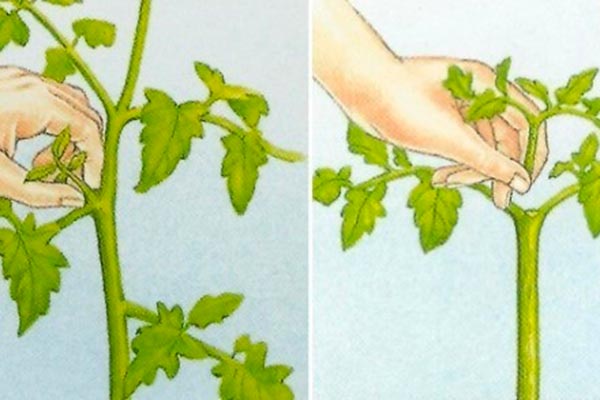
Determinate plants require minimal shaping. Train the bushes into 2-3 stems.
- ✓ Pinocchio bushes do not require garters thanks to their strong stems, which simplifies care.
- ✓ The variety has high resistance to late blight, which reduces the need for chemical treatments.
Supporting, hanging and harvesting fruits
The plant doesn't require staking or staking if pinching and pruning are done correctly. The plants have strong and stable stems that support the entire bush well. However, if you're growing tomatoes in a greenhouse or open ground, install supports when the stems exceed 35 cm in height.
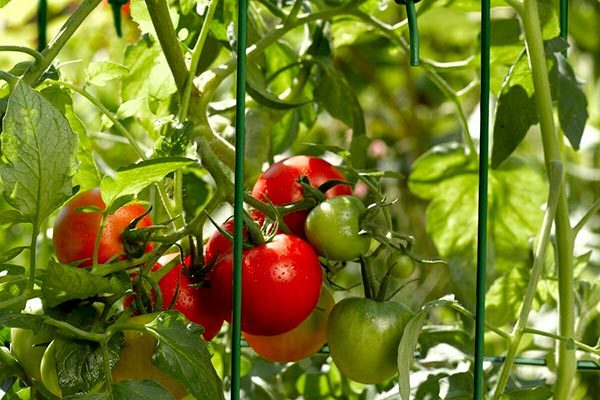
Use wooden stakes or ladders for support. Hang plants from long pieces of fabric on the trellis.
When the plant reaches a height of 28-35 cm (usually 65-70 days into the growing season), the fruits begin to ripen. Pick them when the skin turns bright red. During this period, the bush gradually turns yellow and dries out.
Peculiarities of growing tomatoes in a greenhouse and open ground
When growing the Pinocchio variety indoors, care is generally straightforward. However, it's important to ventilate the greenhouse daily to ensure optimal growing conditions.
In open ground, care is somewhat more complicated:
- During the first week after planting the seedlings, cover the beds with film at night.
- Mulch the soil to protect the bushes from pests and prevent them from freezing.
To grow tomatoes on a balcony or windowsill, use pots with a minimum capacity of 2 liters. Water daily, but only sparingly. Also, loosen the soil. In winter, when sunlight is insufficient, use fluorescent lamps for additional lighting.
Additional tips and warnings
Avoid spraying the plantings, as moisture on the foliage can cause yellowing and damage. Yellowing and drying of leaves and branches from top to bottom is normal for this variety, as it has a short growing season.
Follow these recommendations:
- Important steps for successful growth include regular weeding, loosening the soil, and removing false leaves when replanting.
- During flowering, gently shake the bushes to improve pollination.
- Pick ripe fruits promptly to encourage continued fruiting.
- A lack of natural light can slow growth, impair the taste of tomatoes, and even lead to the death of the plant, so install fluorescent lamps for additional lighting in the winter.
The Pinocchio tomato is not only a high-yielding ornamental plant, but also a source of delicious sweet and sour tomatoes that are ideal for whole-fruit canning.
Diseases and pests
Pinocchio is highly resistant to diseases, including late blight, thanks to its short growing season and early ripening. The only preventative measure required is treating the seeds and soil with a disinfectant solution.
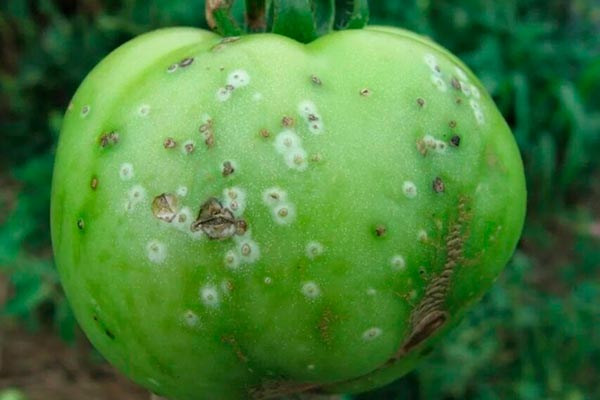
Bushes can be attacked by pests:
- aphid;
- slugs;
- Colorado beetle;
- mole crickets;
- May beetle larvae.
Collect insects by hand, and for prevention, use a soap solution (grate a bar of laundry soap and dissolve it in 10 liters of warm water) or a chamomile and celandine decoction. Spray the bushes on the leaves, avoiding contact with the soil.
Pros and cons
Before growing a crop, be sure to carefully study all its features, including its drawbacks. This will help avoid potential difficulties in the future.
Among the negative qualities, gardeners note a short growing season and a weak root system.
Reviews
Pinocchio tomatoes are a versatile and easy-to-grow variety, suitable for both experienced and novice gardeners. Their excellent flavor, disease resistance, and ability to produce fruit in a wide range of conditions make them an excellent choice for growing. This easy-to-care-for tomato will provide joy and a bountiful harvest even in limited space.