
The Petrusha Ogorodnik tomato is deservedly popular among gardeners. It combines excellent taste, high yield, and low maintenance. This variety is ideal for those who prefer to grow their crops with minimal effort. It is an ideal choice for experienced gardeners seeking consistently good results.
Story
Petrushka Ogorodnik is a tomato variety suitable for both open-field and greenhouse cultivation. It was developed by Russian breeders V.N. Dederko and O.V. Postnikova. It was officially approved for cultivation in 2013.
Botanical description of the plant and fruits
It belongs to the superdeterminate type and can reach a height of up to 1.2 m in greenhouse conditions. In open ground, the bushes develop primarily in width. Over the course of a season, the plant produces approximately 5-7 ovaries, each bearing 6-8 fruits, located above pairs of rich green leaves.
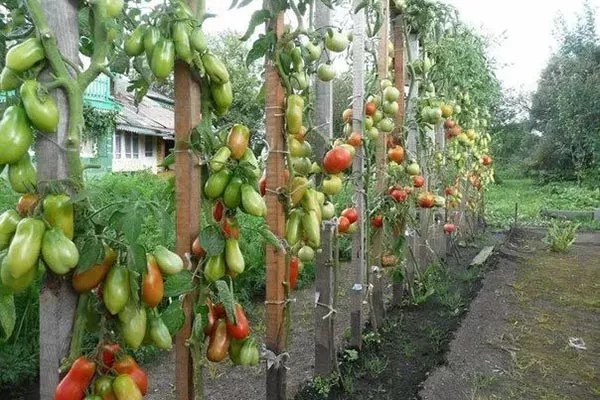
The tomatoes are a rich scarlet hue and have an elongated cylindrical shape reminiscent of the hat worn by the Russian fairytale character Petrushka, hence the variety's name. Ripe fruits weigh between 200 and 250 g. The flesh is firm and juicy.
Characteristics
This spectacular plant from the nightshade family, known for its versatility and popularity in the food industry due to its fleshy and juicy fruits, has many unique qualities.
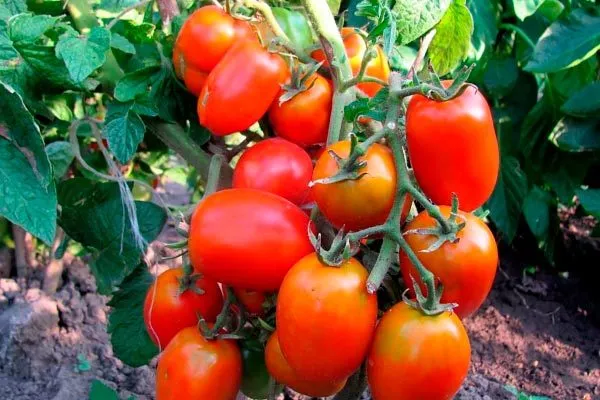
Features of the variety:
- The taste of the fruit. This tomato boasts a harmonious flavor, medium-density, and high sugar content. Its thin, delicate skin makes it particularly enjoyable to eat.
- Productivity. In open ground, with proper agricultural technology, the crop's productivity reaches 4-6 kg per bush.
- Growing zones. The variety is successfully cultivated in the Central Belt, Siberia, the Urals and in the southern regions.
- Methods of use. Suitable for fresh cuts, salads, hot dishes, juices, pastes and whole-fruit canning.
- Ripening and fruiting. This mid-season variety has a long fruiting period. Harvesting begins 105-110 days after germination, and fruiting continues until the end of August.
The Petrushka Ogorodnik tomato is a versatile and easy-to-grow variety that boasts excellent flavor and abundant yields. Its adaptability to various climates makes it ideal for growing in regions with diverse weather conditions.
Planting operations
Cultivation is a crucial stage, largely determining the future harvest. Proper preparation, selection of conditions, and proper care are the keys to successfully growing strong, healthy plants. It's important to pay attention to every step and follow certain recommendations.
Optimal conditions, soil and capacity
For successful cultivation, it's important to create the right environment. Seeds germinate best at temperatures of 22-26°C.
Follow the recommendations:
- Lighting should be bright, with a daylight duration of at least 12-14 hours, so additional lighting may be required in winter and early spring.
- The soil for sowing should be light, loose, and nutritious. Ready-tomato soil or a mixture of garden soil, humus, and sand in a 2:1:1 ratio are suitable. Before use, disinfect the soil by steaming it or watering it with a weak solution of potassium permanganate.
To plant seeds, use plastic containers, cassettes, peat cups, or small boxes with 5-7 cm high sides. The containers should have drainage holes to remove excess moisture.
Sowing seeds for seedlings
Treat the seeds by soaking them for 15-20 minutes in a potassium permanganate solution (1 g per 1 liter of water) to disinfect them. Then, soak them in a growth stimulator or clean water for several hours to speed up germination.
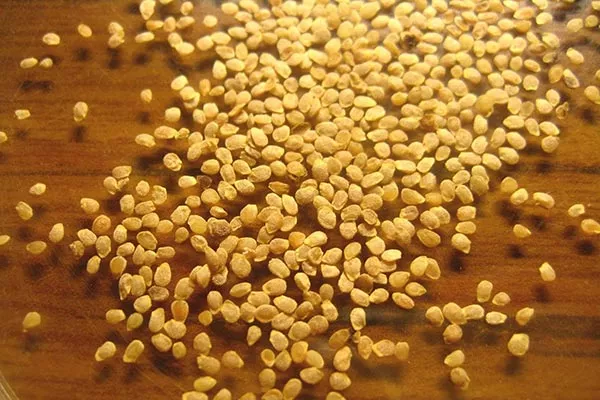
Sow the seeds 1-1.5 cm deep, 2-3 cm apart. After planting, lightly moisten the soil with a spray bottle and cover with plastic wrap or glass to create a greenhouse effect. Place the containers in a warm location with a temperature of 24-26°C (75-79°F) until the first shoots appear.
Growing seedlings, hardening
Once the seedlings emerge, remove the plastic wrap and move the containers to a cooler location with a temperature of 18-20°C to prevent the seedlings from stretching. Water sparingly, avoiding over-watering or over-drying the soil.
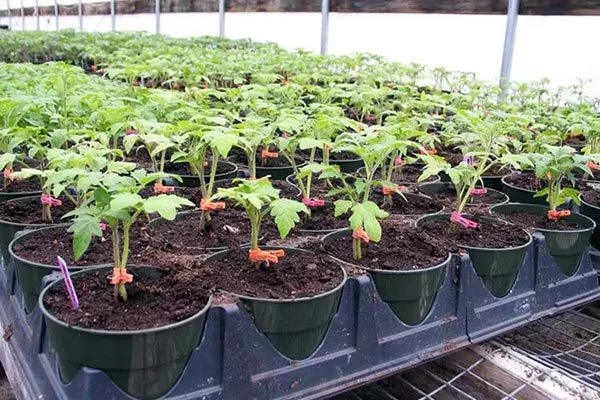
Helpful tips:
- When 1-2 true leaves appear, transplant the seedlings into separate containers with a capacity of 300-500 ml.
- 10-14 days after picking, carry out the first feeding with a weak solution of complex fertilizer.
- 10-14 days before planting, begin hardening off the plants by gradually lowering the temperature and increasing the ventilation time.
Planting seedlings in a greenhouse or open ground
Seedlings are ready for transplanting when they have 5-7 true leaves and are 20-25 cm tall. For planting in open beds, the soil must warm to 15°C and the risk of frost must be over.
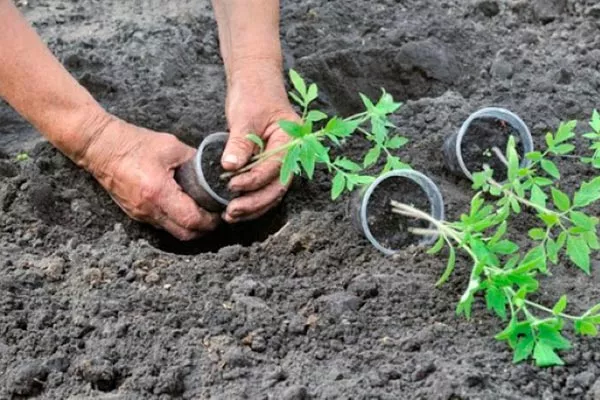
Step-by-step algorithm:
- Dig up the beds, add humus or compost and mineral fertilizers.
- Dig holes 40-50 cm apart, keeping a 60-70 cm spacing between rows. In a greenhouse, you can use a denser planting pattern.
- Moisten the holes. Plant the seedlings deep enough to reach the first true leaves to encourage additional root formation.
- ✓ Optimum soil temperature for planting seedlings: not lower than +15°C.
- ✓ Distance between bushes when planting: 40-50 cm, between rows: 60-70 cm.
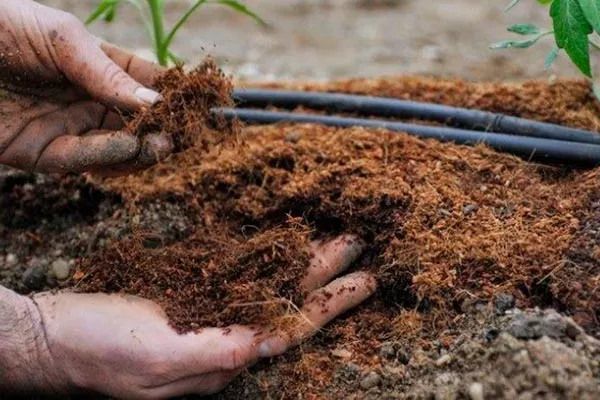
After planting, water the plant with warm water and mulch to retain moisture in the soil.
Secrets of care
Petrushka is a relatively easy-to-grow crop, but successful cultivation requires proper agricultural practices and attention. Proper care directly impacts productivity.
Watering
Water the plants exclusively with warm, settled water. The optimal time for this is morning or evening. During the day, use drip irrigation only.
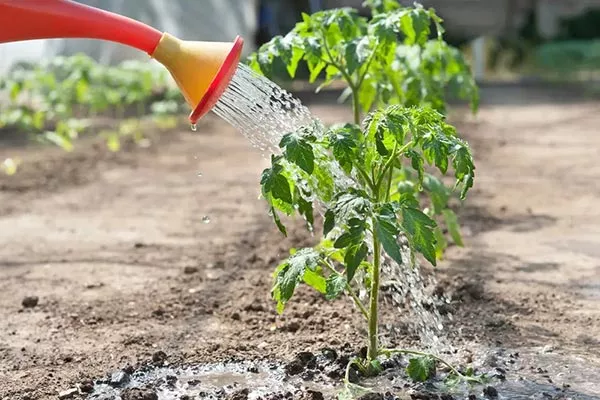
The frequency of watering depends on weather conditions, the level of aridity, and the soil type. If the soil is not moist enough, flowers and ovaries will begin to fall off. Water once every 4-5 days, using approximately 7-8 liters of water per plant, avoiding contact with the trunk and foliage.
During hot weather and drought, water daily. This hybrid can bear fruit until frost, but to ensure fruit ripening, gradually reduce watering in the fall.
Weeding and loosening
These are important agricultural practices that promote proper tomato development. Weeding removes weeds that can interfere with plant growth and nutrition, as they draw nutrients and water from the soil, reducing yield. Perform this procedure regularly.
Loosening the soil helps improve root aeration, prevents surface crusting, and promotes better penetration of water and nutrients. Loosen the soil after each watering or rainfall.
Top dressing
During growth and fruiting, it's recommended to fertilize the bushes with complex fertilizers 3-4 times per season. Yeast-based fertilizers have shown excellent results:
- Dissolve 80-100 g of fresh yeast and 50 g of sugar in 3 liters of warm water, leave the mixture to ferment.
- Once the fermentation process has stopped and the bubbles have disappeared, the solution is ready for use.
- To feed seedlings, add 1 liter of yeast solution to 10 liters of water and apply the mixture under the roots.
Do not use fresh manure, as it can lead to excessive growth of green mass, which will interfere with the proper nutrition of flowers and fruits.
Tying up
The Petrushka Ogorodnik tomato is a variety grown outdoors. It tends to spread vigorously. Therefore, for mature plants, provide a sturdy but not too tall support.
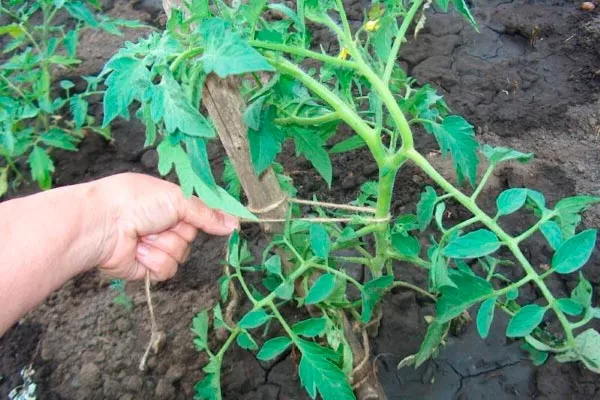
Experienced vegetable growers recommend tying strong, sturdy shoots bearing large fruit to stakes. This prevents plant deformation.
Topping
Pinching plays an important role in accelerating tomato ripening and normalizing their production. Without this procedure, the bushes will continue to grow vigorously, creating excess vegetative mass, and the ovaries will not have time to develop into full-fledged fruits before the end of the warm season.
Pinching should be done in mid-June or towards the end of July, depending on weather conditions and the tomato's growth rate. When a sufficient number of flower clusters appear on the plant's stem, remove the top of the plant, leaving three leaves above each cluster, and carefully break off the remaining leaves.
Pest and disease control
The Petrushka Ogorodnik tomato has good resistance to most diseases thanks to the strong immunity inherited from its parent variety. However, like many other varieties, it can be susceptible to certain diseases:
- Phytophthora. A dangerous fungal disease that causes brown spots on the leaves, which then spread to the fruit. If infected, remove the bush from the ground and destroy it to prevent the spread of the disease.
Disinfect the planting holes with a potassium permanganate solution, then repeat the treatment before flowering, during fruit set, and during fruit ripening. To prevent late blight, spray the beds with Bordeaux mixture to prevent the disease from developing. - Tobacco mosaic virus. Causes leaf spots and net-like discoloration. Treatment is similar to that for late blight.
To prevent pest attacks, plant repellent plants, such as marigolds or garlic, between rows, or use solutions containing them. Folk remedies are very effective for repelling insects:
- onion infusion (400 g of onion peel per 20 liters of water, leave for 10-12 hours);
- garlic solution (400 g chopped garlic per 10 liters of water, leave for several hours).
An important preventative measure is thinning the foliage, especially after fruit formation, regular ventilation of greenhouses, and morning watering to allow the plants to dry before nightfall.
Harvesting and storage
Begin harvesting vegetables from the bushes as early as July. Once harvested, they can be stored for 1-1.5 weeks without losing their appearance or flavor.
These vegetables are delicious fresh, perfect for salads and appetizers. They can be used to make tomato paste for borscht, but they are not suitable for juice production, as their low water content makes this impractical.
Reproduction
Petrushka Ogorodnik tomatoes are propagated in two main ways: by seed and by side shoots or cuttings. Choose the method that works best for you:
- Seeds. To prevent disease, soak the seeds in a cotton pad soaked in a potassium permanganate solution for 10-15 minutes. After this treatment, leave the seeds in a damp cloth for 3-8 days until germination.
When the seeds begin to sprout, plant them in the soil, burying them no more than 2 cm deep. Some gardeners plant the seeds directly into the soil without waiting for the sprouts to emerge. The soil should be kept moist until the sprouts emerge.
To check the quality of planting material, place it in a glass of water for 30 minutes: good specimens will sink, while bad ones will remain on the surface. - Cuttings. This method allows you to quickly increase the number of plants. To do this, carefully cut off a side shoot or branch, which you can then root in water or soil. The cutting should be at least 15-20 cm long. Remove any leaves from the bottom to prevent them from rotting.
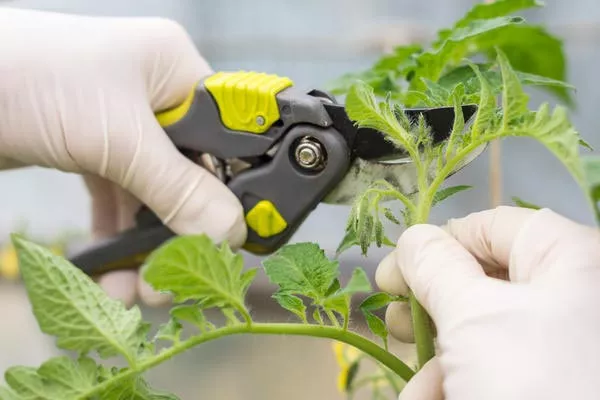
Bushes grown from cuttings begin to bear fruit 30-35 days earlier, but their yield is typically lower. Such plants are more vulnerable to diseases and pests than seedlings grown from seeds.
Advantages and disadvantages
This crop has several key advantages that distinguish it from other tomato varieties. Positive qualities of the Petrushka ogodornika:
Agronomists cite the plant's demanding requirements for agricultural practices and maintenance as a disadvantage. This factor significantly impacts the plant's yield.
Reviews
The Petrushka Ogorodnik tomato is a versatile variety with excellent disease resistance, good productivity, and ease of care. It's suitable for both novice gardeners and those seeking a consistent and tasty harvest. For maximum results, it's important to follow proper cultivation practices and consider the growing conditions.