
The Pervoklaschka tomato is an early, high-yielding variety producing large, tasty fruits. It can be grown in the garden, as well as in greenhouses or hothouses. Although primarily used for salads, the fruits can be preserved as slices. Pervoklaschka is not a hybrid, but a true cultivar. Its plants exhibit a determinate growth pattern.
History of creation and regions of cultivation
The Pervoklaska variety was developed at the agricultural enterprise of the renowned breeding company Gavrish. It was officially registered in 2015 under the leadership of a team of experienced scientists, including Gavrish, Morev, Amcheslavskaya, Degovtsova, and Volok.
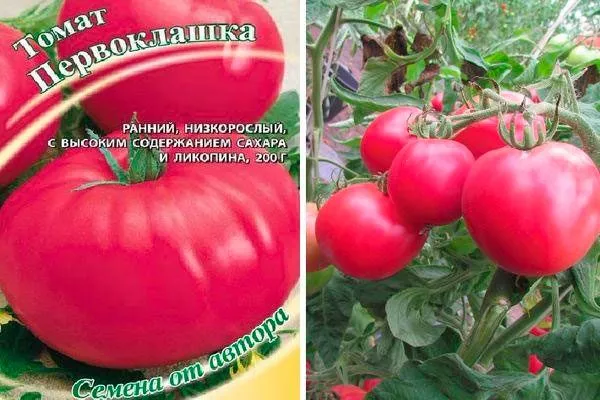
The Pervoklaska tomato is ideal for greenhouse cultivation in areas such as the Moscow, Leningrad, Perm, Ryazan, and Tver regions. It grows well in the Ural and Altai regions, and in Siberia. In southern regions such as the Krasnodar and Kuban regions, Pervoklaska tomato seedlings can be transplanted into open-air gardens, where they also perform well.
Description of the bush and fruits
This tomato can be found both in open fields and in gardens with protective covering. The bushes grow to a height of no more than 100 cm. They are distinguished by moderate foliage and simple green leaves.
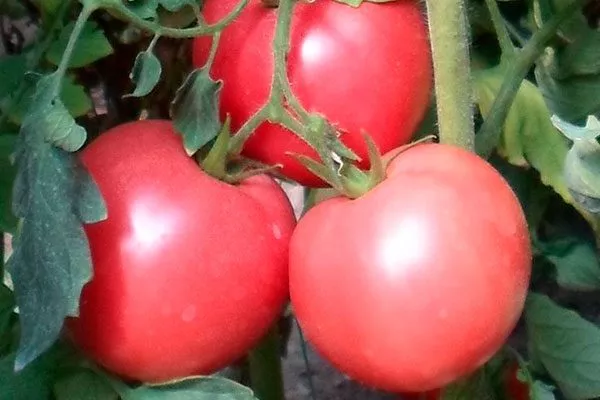
The first-grader stands out among the nightshades due to its individual characteristics:
- The bushes are low and moderately foliated, reaching a minimum of 60 cm and a maximum of 100-105 cm. The stem of the tomato plant is strong, with numerous powerful branches covered with dark green leaves.
- The flowers are small and yellowish, gathered in inflorescences. The first of these forms on the sixth leaf.
- The first-grader is famous for the attractive appearance of its fruits: they are slightly ribbed and round, weighing from 140 to 270 g. The skin of the tomatoes is smooth and dense, ripe tomatoes are firm, bright pink.
- The pulp is juicy, with a pleasant aroma, and the tomatoes have an excellent flavor. Due to their high sugar content, their taste is predominantly sweet.
- Young Pervoklaschka fruits have an unusual gray-green hue. A single green spot develops near the base. The fruit grows on simple inflorescences.
Main characteristics
Each tomato variety has unique characteristics and properties that distinguish it from others. A detailed examination of the Pervoklaska variety reveals all the advantages and disadvantages of this vegetable.
Ripening and fruiting, productivity
The Pervoklaska variety is an early-ripening tomato—it typically takes 92 to 108 days to produce a full crop (the countdown begins when the first green shoots emerge). The fruits are harvested in July and August.
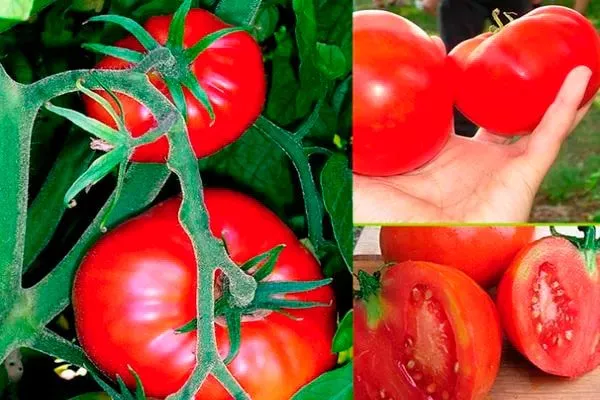
Other features:
- The yield of this variety is impressive – one bush can produce from 4.5 to 6.5 kg of fruit.
- Plants that produce pink fruit are particularly sensitive to changes in growing conditions – the number of ovaries in the Pervoklasska variety may decrease in the event of sudden temperature fluctuations or increased air humidity.
Therefore, gardeners must carefully monitor temperature and humidity levels in the greenhouse.
Scope of application
Housewives often use pink tomatoes of this variety in the following ways:
- they are added raw to various salads;
- They make delicious tomato juice, homemade ketchup and spicy adjika from them;
- They are preserved both separately and in combination with other vegetables.
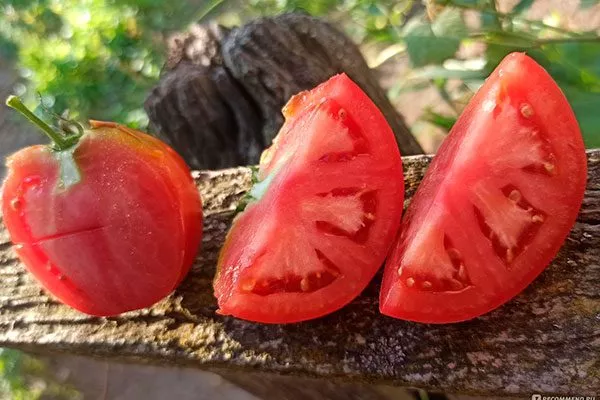
Tomatoes are harvested at two stages of ripeness:
- Blanzhevaya. If they are picked at this stage of ripeness, they are left indoors to fully ripen and develop their characteristic pink colour.
- Technical. In this case, you can immediately use it for preparing various dishes, canning, or store it for longer storage.
Useful properties of tomatoes
The Pervoklaska tomato isn't just a pink tomato, it's also a source of incredibly beneficial, even therapeutic, elements:
- its composition is rich in sugars and lycopene;
- contains antioxidants that have a beneficial effect on health;
- a wide range of vitamins is released;
- Purines, characteristic of pink tomatoes, help improve metabolism and enhance the absorption of trace elements and vitamins, which is important for those who want to lose extra pounds;
- Lycopene strengthens the immune system, suppresses cancer cells, and helps prevent atherosclerosis;
- All the beneficial components of tomato serve as an effective means for preventing the development of cancerous tumors in the gastrointestinal tract and prostate;
- First-grader helps cleanse the body of toxins and break down tar, which is especially important for smokers.
The Pervoklaska tomato, distinguished by its medicinal properties, is an ideal choice for dietary and baby food.
Obtaining seedlings
The fertility of tomato plants directly depends on the quality of the starting material. To successfully grow the Pervoklaska variety, it's important to select the appropriate substrate, container, and create all the necessary growing conditions. The ideal period for sowing seeds for seedlings is from March 20 to April 10.
Seeds, soil and containers
Planting material can be purchased at a specialty store or collected from last year's harvest. To increase the likelihood of germination, choose high-quality seeds. They require preparation:
- are tested - put in salt water for 30 minutes (1 teaspoon of salt per 200 ml of water), then rinse and discard those specimens that float to the surface (they are empty);
- then the seeds are treated with a solution of potassium sulfate for disinfection - keep them in the solution for 20 minutes;
- improvement with growth stimulants such as Epin or Zircon - soak in the solution according to the instructions;
- To speed up germination, wrap the seeds in a damp cloth and place them in a cool place for 48 hours, periodically spraying them with a spray bottle.
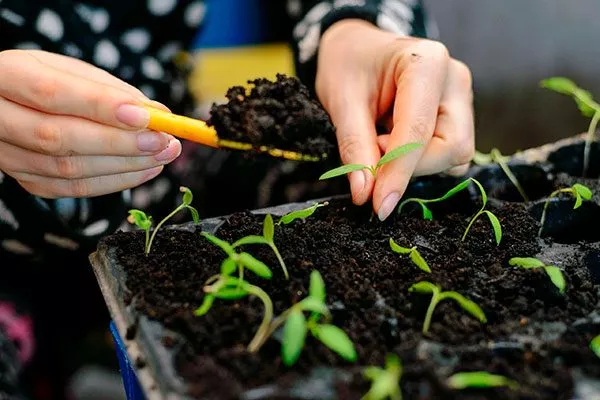
First-Grader tomatoes prefer a slightly acidic, light, and loose soil mixture. The optimal option is loam or sandy loam mixed with last year's manure, sand, and wood ash in a ratio of 2:1:1:1. A special substrate for vegetable seedlings can be used.
Capacities:
- planting containers should have a minimum height of 10-15 cm and drainage holes;
- Seeds can be sown in a seedling box or plastic container, but disposable pots have recently become popular - they are convenient because they eliminate the need for picking and removing seedlings before planting in an open field;
- The best choice is peat containers, which decompose in the soil and nourish the plants.
Sowing and caring for seedlings
Soil is poured into the containers, the seeds are spaced 2 cm apart, and a 0.7-1 cm layer of peat is carefully sprinkled on top. After sowing, watering is mandatory. The containers with seeds are placed in a dark room with a stable temperature of 24-26 degrees Celsius. Under these conditions, tomatoes germinate faster.
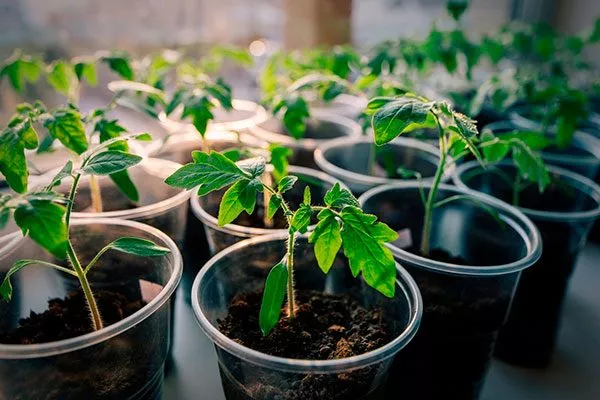
For successful growth of the Pervoklaska variety seedlings, it is important to observe the following conditions:
- daytime temperatures range from 20 to 26 degrees, nighttime temperatures from 16 to 18;
- regular watering when the soil is slightly dry;
- periodic ventilation of the mini-greenhouse;
- continuous lighting for 14-15 hours.
Other features:
- For watering, use warm water that has been left to stand for several hours. When the soil begins to lack moisture, spray it with a spray bottle.
- If daylight hours are shortening, supplemental lighting is installed. Plant or fluorescent lamps are suspended 20 cm above the plants.
- When the Pervoklaska tomatoes have two leaves, they begin picking. Each plant is transplanted into an individual 0.5-liter container with the same soil composition.
- Three to four weeks before moving to their permanent location, the tomatoes are acclimated outdoors. The containers are placed on a balcony or loggia, where the plants are exposed to direct sunlight for two to three hours. This time is gradually increased to allow the plants to adapt to the natural conditions.
When the bushes reach a height of 30-35 cm, they are ready to be transferred to a greenhouse or outdoor area. By this time, the tomatoes have formed 6-8 healthy leaves and a developed root system.
Planting in the ground
To grow the Pervoklaska tomato variety, prepare beds previously planted with root vegetables, cucumbers, cabbage, legumes, onions, garlic, and green manure. Tomatoes can be replanted in the same area after three years. Avoid planting after potatoes, peppers, and eggplants due to similar diseases that these crops can suffer from.
Nuances:
- In the fall, dig up the beds for the Pervoklaska tomatoes, adding 5-7 kg of organic fertilizer, 20-25 g of superphosphate and the same amount of potassium salt per 1 square meter.
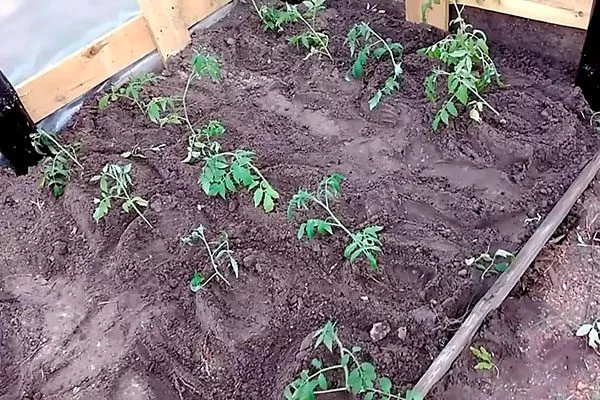
- In spring, clear the soil, loosen it slightly, and form a "nest" for transplanting. Plant the Pervoklaska tomatoes at intervals of 40-45 cm, leaving 50-55 cm between rows.
- In greenhouses or hotbeds, it is advisable to place plants in a checkerboard pattern, which will provide them with uniform lighting and simplify maintenance.
- The plants are transferred with a clod of soil, which is placed in the prepared hole. After planting, the soil is lightly compacted, and the tomatoes are watered.
- Over the next ten days, adaptation to the new conditions occurs. During this period, it is recommended to avoid watering and fertilizing.
Caring for tomatoes
The first-grader produces a high-quality and bountiful harvest with regular care. Plants need to be kept moist, nourished with organic and mineral components, and excess shoots should be removed to prevent overcrowding.
Watering plants
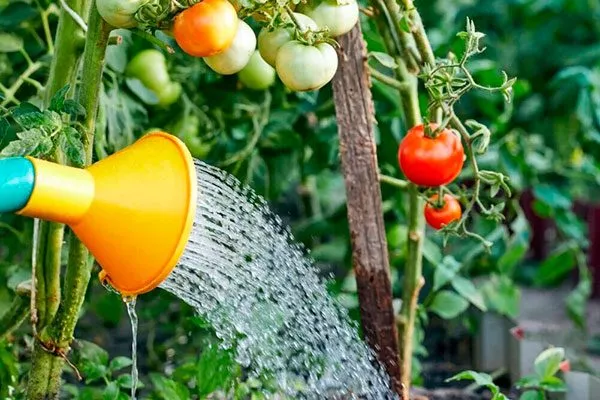
Water for irrigation should be moderately cool and pre-treated. This procedure is carried out early in the morning or late in the evening, away from direct sunlight. After irrigation, the greenhouse is drained, and the soil is loosened to improve moisture absorption. The volume and frequency of watering depend on the stage of plant development:
- before budding begins – once a week, 4-5 liters per bush;
- during the flowering period – every three days, 2 l;
- during fruiting – once a week, 3-4 liters.
Fertilizing
During the growing season of tomatoes, it is recommended to apply 3-4 fertilizers:
- For the initial treatment, use a 10-liter bucket of water and 0.5 liters of liquid mullein. Add 1 liter of this solution to each bush.
- Three weeks after planting, apply mineral fertilizer, mixing 150 g of superphosphate, 40 g of potassium nitrate, and 10 liters of water. Phosphorus and potassium help strengthen the root system and improve fruit quality.
- The same fertilizers are used twice more: during the formation of ovaries and during fruit ripening.
Wood ash can be used instead of mineral mixtures. It can be applied to the soil dry or soaked in water before watering. Foliar feeding can be used instead of root feeding. For spraying, 5 g of phosphorus and 8 g of potassium fertilizer are required per 5 liters of water.
Bush formation
For this variety, it is recommended to create bushes with three stems and secure them to a support structure. All auxiliary shoots emerging from the leaf axils are removed by hand. The shoot growth should be monitored weekly.
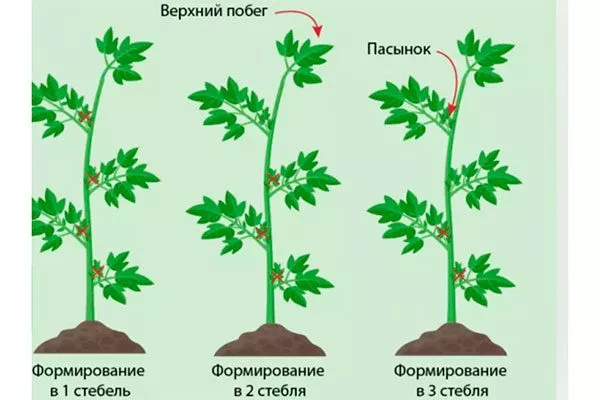
First-Grader tomatoes are secured to a supporting structure to ensure the stem grows straight and without deformation. Wooden or metal stakes are used for support.
Protection from diseases and pests
The Pervoklaska variety, like many other pink tomatoes, requires special attention to growing conditions to avoid the negative impact of changes in weather, humidity, and other factors. Due to its high sensitivity to environmental factors, this tomato variety is more prone to various diseases and pests than other pink varieties.
Peculiarities:
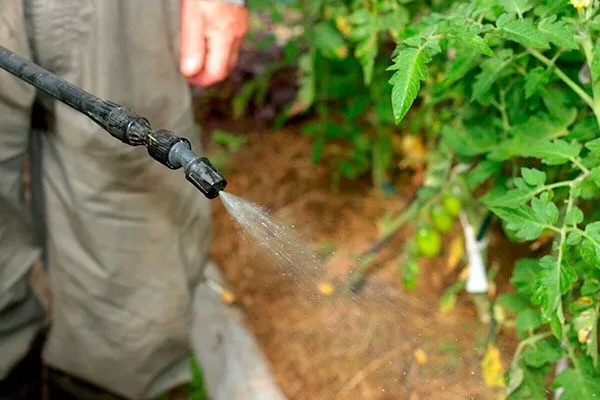
- Late blight is a particularly dangerous disease for Pervoklaschka. To minimize the risk of infection, it is necessary to strictly follow agricultural recommendations.
Before planting seedlings, it is important to disinfect the soil, ensure sufficient distance between bushes for better lighting, air flow, and avoid excessive planting density, which can lead to waterlogging. - To prevent diseases, starting from the stage of ovary formation, regularly spray the bushes with fungicides (every two to three weeks).
- Particular attention should be paid to agricultural practices and plant condition when growing indoors:
- To prevent diseases in greenhouses, ensure ventilation and strictly adhere to temperature and light conditions;
- If there is insufficient natural light in greenhouses, special phytolamps can be used to provide additional illumination for plants;
- Monitor the humidity level, do not allow it to exceed it, disinfect the soil, remove diseased plants, avoid planting different types of nightshade plants next to each other, and prevent drafts;
- Keep the premises clean and disinfect after harvesting, change the soil every three to four years, and follow crop rotation rules, not planting tomatoes in the same place every year.
- The same measures apply to pest control. Pink tomatoes, with their high sugar content, attract many insects.
Protection from pests and diseases:
- inspect tomato bushes more often for pests such as aphids, mites, slugs, etc.;
- To prevent the appearance of insects, you can use insecticides or folk remedies - herbal infusions or decoctions, which should be used every two to three weeks;
- Planting low-growing marigolds, calendula, herbs, parsley, dragonhead and similar fragrant plants with pest-repelling properties next to tomatoes can be an effective preventative measure;
- Excessive fertilization of tomatoes with organic matter can lead to uncontrolled growth of green mass and dense plantings.
Prevention is the most effective and cost-effective way to prevent diseases and pest infestations on tomato plants. By taking regular precautions, you can avoid plant loss, reduced yields, and low-quality produce. It's better to prevent a problem than to waste time and resources on solving it later.
Reasons for flower fall
Plant growers often face the problem of flower buds dropping, which leads to insufficient fruit production. To prevent this, it's important to avoid certain mistakes:
- do not leave all the shoots on the stems;
- do not overfeed with nitrogen;
- don't forget about regular watering and feeding of plants;
- do not leave them exposed to the air during sudden cold snaps.
Pros and cons
Every plant species has its own characteristics, and the Pervoklaska tomato is no exception. It has received numerous reviews and photos, mostly positive.
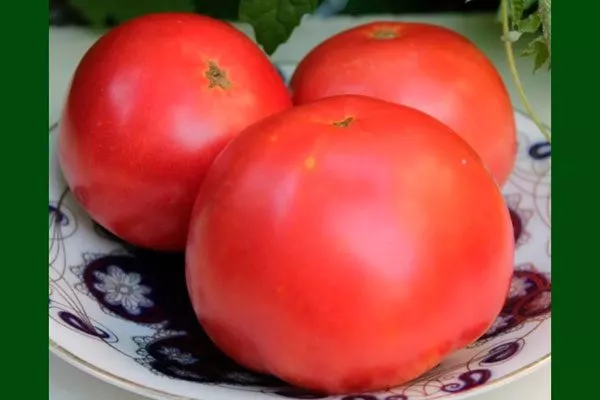
Restricting bush growth certainly reduces the number of fruits, but increased productivity, simultaneous ripening of fruits and the exquisite taste of tomatoes make them a true find for lovers of these sweet and aromatic vegetables.
Reviews
Pervoklaska tomatoes are prized for their early ripening and excellent flavor. Larger fruits can be used in a variety of dishes. This variety requires regular watering and fertilizing, and to prevent disease, the tomatoes should be sprayed with fungicides.