
The Pepper tomato has deservedly earned its popularity thanks to its excellent varietal characteristics. Juicy, fleshy, and large, it's ideal for both fresh consumption and various processing applications. To ensure bountiful harvests and boost the plant's immunity, it's important to provide comprehensive and timely care.
Breeding history
In 2001, Russian breeders developed a unique tomato variety. It was created by crossing various tomato varieties from the Slivka group. It has an indeterminate growth habit and forms clusters. It is grown both in greenhouses and open beds.
Tomato varieties in the pepper series
Pepper-shaped tomatoes appeared in Russia about 20 years ago, initially representing exclusively foreign varieties and hybrids. The most popular varieties are:
- Pepper-shaped. An indeterminate variety with good productivity – up to 6.5-8 kg per 1 sq. m. The average fruit weight is small, but under favorable conditions they can reach 100-120 g.
Thanks to their dense, thick walls, the fruits are ideal for stuffing. They are also used for whole-fruit canning, as they fit easily into jars of any size.
- Giant. Its name perfectly reflects its characteristics. The fruits are considered large, especially compared to the previous variety, which it resembles in shape and characteristics. The average weight is around 200 g, but with proper care it can reach 250-300 g.
Fully ripened, they are a deep red color and up to 15 cm long. They have a sweet flavor with a distinct tomato aroma. They are suitable for salads, stuffing, and drying.
- Yellow. This variety is indeterminate and mid-season. The fruits are small, medium-firm, and bright yellow. Like most yellow tomatoes, they have excellent flavor.
The tomato is distinguished by its high heat and drought resistance, and is immune to a number of diseases, including tobacco mosaic virus, root rot, and blossom end rot.
- Orange. The plants are indeterminate, so they require pinching and staking. The fruits are larger than those of yellow tomatoes, averaging 135-160 g. They are characterized by excellent flavor and high productivity, exceeding 9 kg per square meter.
The variety is well adapted for growing in open ground in temperate climates, but maximum yield is easier to achieve in greenhouses.
- Red. It doesn't have any particular distinguishing features. Its characteristics are largely similar to those of the orange tomato. The main differences are a more traditional red hue and a slightly higher average yield.
- Crimson. Unlike many other varieties, it is determinate, meaning the bushes are limited in growth and compact. In greenhouse conditions, the stated yield is 12 to 15 kg per square meter.
The fruits are large, with an average weight ranging from 125 to 250 g. When fully ripe, they acquire a rich raspberry hue. It is considered an early-ripening variety, as the fruits ripen in just 100 days. Its main characteristic is its excellent sweet flavor.
- Strongman. This variety is not only determinate but also standard. The bushes grow compact, reaching only 40 cm in height, with a strong and squat build, as reflected in its name. It is an early-ripening variety, with its fruits ripening 100-110 days after germination.
The tomatoes have an attractive pink color, although a green spot may remain near the stem, which does not affect the flavor. The fruits are sweet and juicy, with an average weight of about 150 g. The yield is approximately 4 kg per square meter, but their ease of cultivation and excellent taste make this variety popular among gardeners.
- Striped. The appearance immediately catches the eye – yellowish stripes and streaks of varying sizes are visible against a red-orange background, making the fruits particularly striking. This mid-early variety ripens in 105-110 days. The tomatoes are large, weighing 100-120 g, and form clusters.
Tomatoes have thick skin, making them ideal for canning. They are used in salads, although their flavor is sometimes inferior to that of juicier varieties. Despite their low maintenance, this variety is susceptible to blossom-end rot.
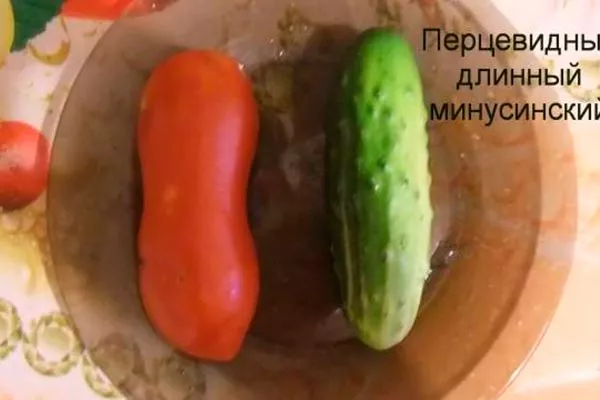
- Long Minusinsk. This folk-bred variety is indeterminate. It ripens moderately early, approximately 120-130 days after germination. The tomatoes are elongated, with a pointed tip, fleshy, and contain very few seeds. They weigh between 100 and 200 g.
With proper farming practices, a single bush can yield up to 4-5 kg of tomatoes. Tomatoes store well and can remain fresh until December when stored in a cool place.
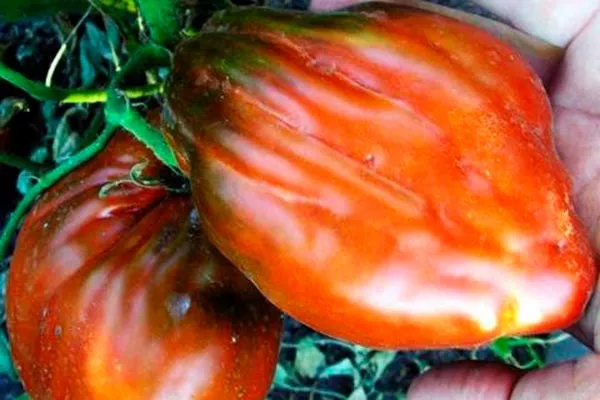
- Cuban black. This variety ripens quite late. In greenhouses, plants can grow up to 3 meters, while in open ground they are usually more compact, about 1 meter in height. The best yields are achieved when grown in double stems—under good conditions, a single bush can yield up to 10-12 kg of fruit.
The fruits have a unique shape: not very elongated, but corrugated, with a color close to brown (though not quite black). They have a very good flavor, although some gardeners note the thick skin. The average fruit weight is 200-350 g, but they can reach 400 g.
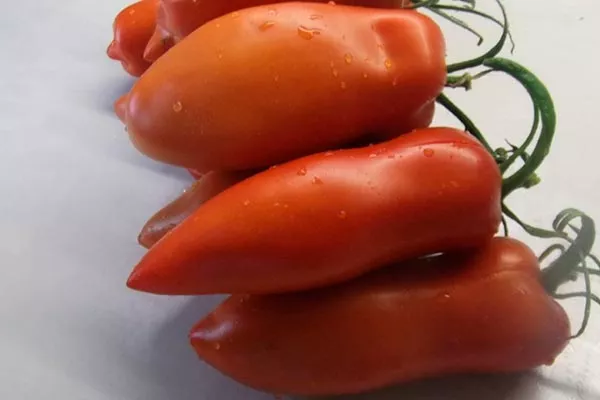
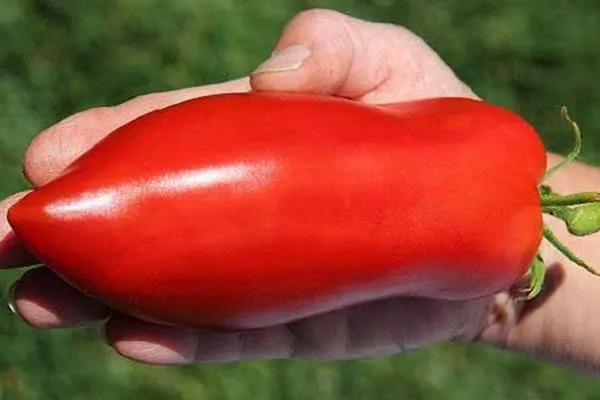
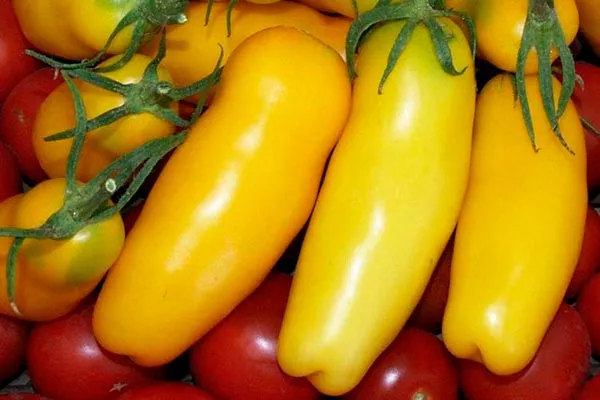
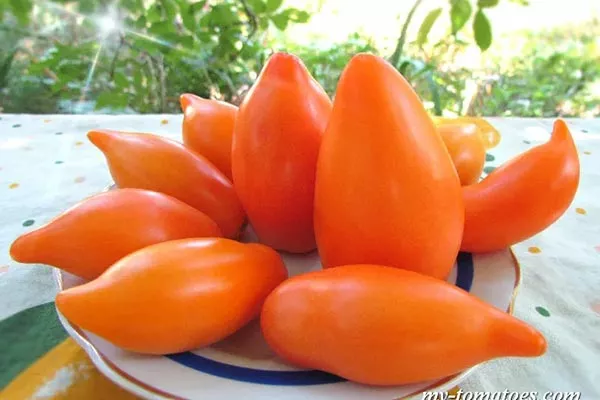
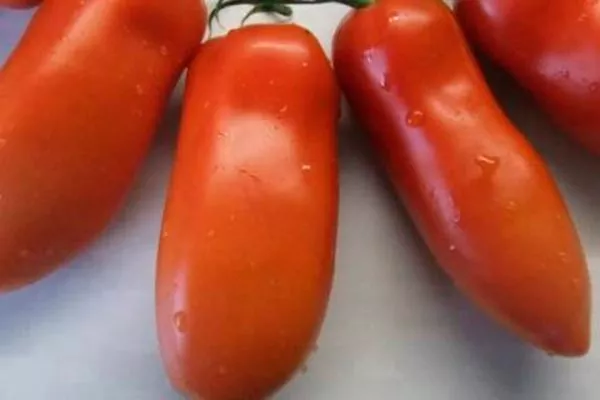
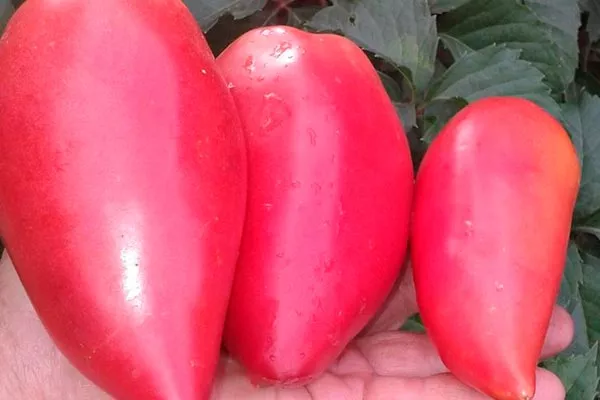
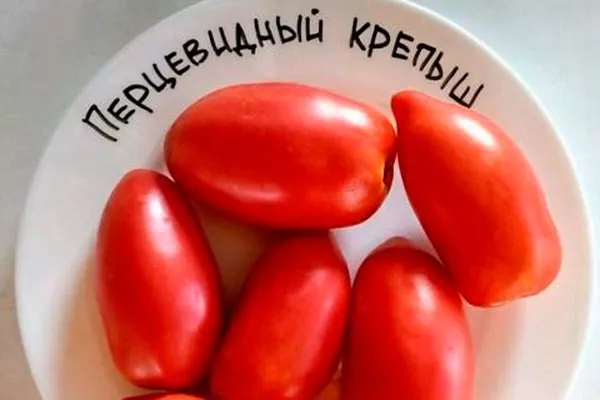
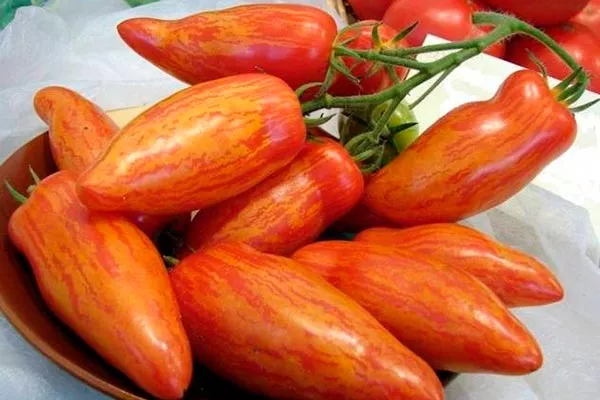
The variety of pepper-shaped tomato varieties makes it possible to grow vegetables of various colors, sizes, and ripening times on your plot, satisfying any preference.
Description of the Pepper-shaped tomato variety
The pepper-shaped tomato has become famous for its unusual appearance. The fruits are elongated and pointed, distinguishing them from more traditional round or oval tomatoes. Even when cut, they resemble a pepper.
What is a bush?
Pepper tomato plants typically reach a height of 1.8 to 2 m. The leaves are large and green, with a local grayish tint on the leaf blades.
Fruits and their taste
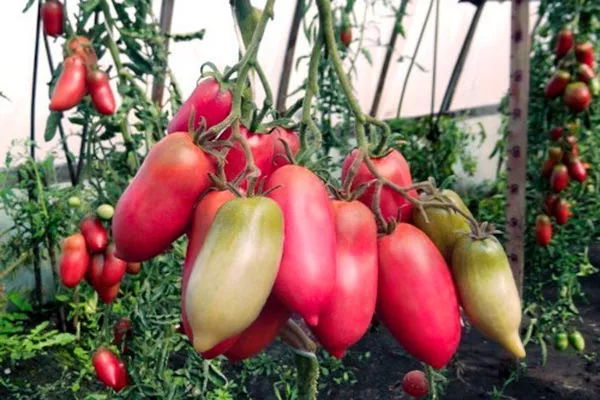
Unripe tomatoes are light green with a dark spot at the base of the stem. As they ripen, they turn bright red. The fruits are medium to large in size, weighing between 75 and 150 g. Their shape is elongated, pointed, and cylindrical, with slight ribbing.
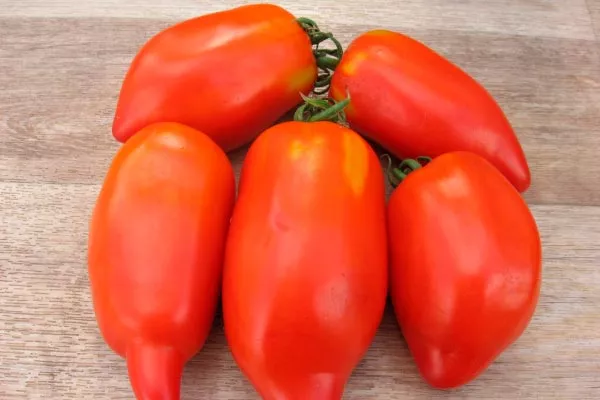
The flesh is dense and meaty, and the variety itself is noted for its excellent shelf life—the tomatoes stay fresh for up to four weeks. The flavor is excellent, with a delicate sweetness. The dense skin helps preserve the integrity of the fruit during canning and transportation.
Characteristics of the variety
Although the Pepper tomato is a heat-loving crop, it is quite sensitive to weather changes and temperature fluctuations. It can suffer from diseases if not properly cared for, but compared to other varieties, it demonstrates greater resilience to adverse conditions.
Ripening and yield
It has a medium ripening period: approximately four months pass from germination to harvesting of ripe fruits. The first ripe tomatoes are usually harvested in late July, and fruiting continues until the end of September.
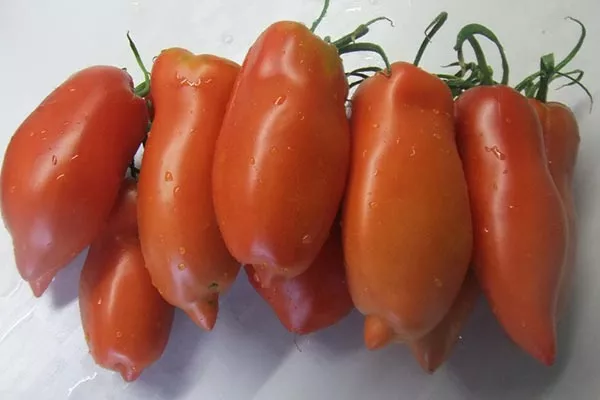
The Pepper-shaped variety has a fairly high yield – up to 6.5-7 kg of ripe tomatoes can be harvested from each square meter.
Application of fruits
The primary use of table tomatoes is fresh consumption, in summer salads and appetizers. They are also suitable for canning, as their skins do not crack during cooking.
Resistance to diseases and pests
The crop is virtually immune to diseases, including fungal ones. The only disease that can affect it is late blight. Among harmful insects, the only one likely to appear on the bushes is aphids.
Regions for cultivation
The Pepper-shaped tomato variety is recommended for cultivation in the Northern, Northwestern, Central, Volga-Vyatka, Central Black Earth, and North Caucasus regions. It is successfully cultivated in the Far East, Middle Volga, East Siberia, Ural, and West Siberian regions.
Subtleties of planting
Pepper-shaped tomatoes are more often grown in gardens than in fields for commercial use. Hybrid varieties require loose, fertile soil, as they produce low yields in acidic, heavy soils.
- ✓ Optimum soil temperature for planting seedlings: +16°C.
- ✓ Distance between bushes when planting: 40-50 cm.
Sowing dates
The time depends on the region, as tomatoes are planted in the ground only after the last frost. Typically, the seedling growing period is 45 to 65 days.
Seed preparation
The crop is grown using seedlings. For planting, choose seeds only from trusted producers. Although store-bought seedlings are pre-treated, warm the seeds before planting by placing them near a radiator or in a thermos filled with hot water.
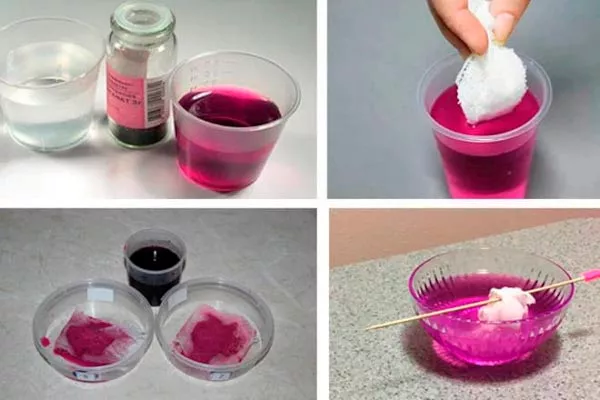
To disinfect and improve germination, soak the seeds in solutions of growth stimulants: Fitosporin M, potassium permanganate, chlorhexidine or aloe juice.
Container and soil
To grow tomato seedlings, sow seeds in plastic or wooden boxes. To avoid transplanting, gardeners growing small quantities of tomatoes use cups, peat pellets, or pots. To prepare the substrate, mix:
- garden soil;
- ash and vermiculite;
- coarse sand;
- peat and humus.
Sowing
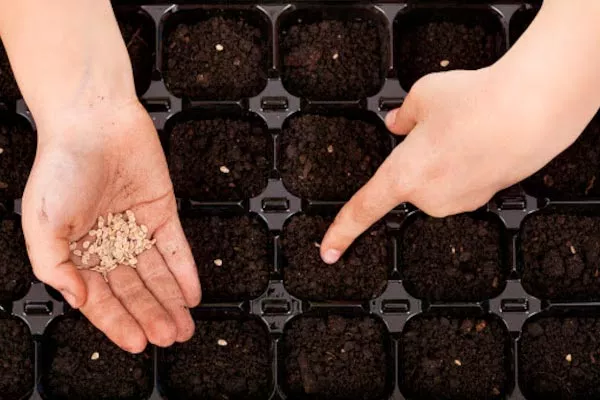
Place a layer of expanded clay at the bottom of the container for drainage, then top with the prepared substrate. Make 1-cm-deep grooves in the substrate. Space the seeds 2 cm apart. Cover them with a thin layer of soil and moisten with a spray bottle. Place the container in a sunny window and cover with plastic film to create a greenhouse effect.
Caring for seedlings
When the first tomato sprouts appear, remove the plastic wrap. To prevent the seedlings from stretching, reduce the room temperature to 18°C. Water the young plants regularly and feed them with an ash solution.
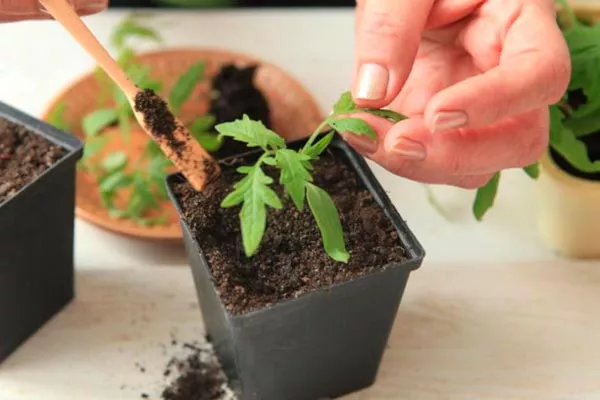
When the seedlings develop 2-3 true leaves, transplant them into individual pots. Two to three weeks before planting, begin hardening them off by placing them outside for a few hours to acclimate to the outside conditions.
Transfer
The plant prefers sunny areas protected from strong winds. Since the bushes are tall, consider installing trellises to support the stems. Before planting, be sure to prepare the soil: in the fall or spring, apply 4 kg of manure per square meter.
Into the greenhouse
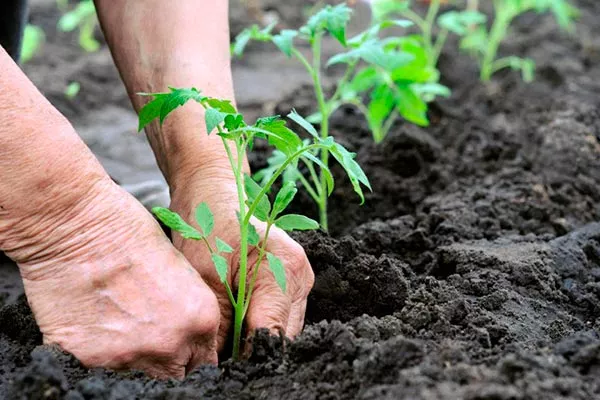
When the bushes reach a height of 30-35 cm and have at least 6 leaves, transplant them into a polycarbonate greenhouse. Add 20 g of superphosphate, potassium salt, and 100 g of wood ash to each hole. Place the seedlings vertically, cover with soil, and water thoroughly.
Into open ground
Plant the seedlings in the garden bed when the danger of frost has passed and the soil has warmed to 16°C and the air temperature to 24-25°C. In hot weather, young plants may wilt and have difficulty establishing.
Caring for tomatoes
Attention and care for plants are the key to successfully achieving a bountiful harvest. Simple agricultural practices are essential.
Watering
Constant soil moisture is essential for this plant—it should be moderately moist. During normal summer conditions, water the bushes 1-2 times a week with warm, settled water. Cold water slows plant growth and development. During hot periods, increase the frequency of watering to 1-2 times a week.
The ideal option is to use a drip irrigation system so that water reaches only the roots, avoiding the leaves and stems. This approach helps prevent problems with rot and fungal infections, which often develop on wet leaves and spread throughout the greenhouse.
To retain soil moisture longer, cover the soil with a layer of mulch made from straw or sawdust. This will not only help conserve water but also discourage weed growth. As the mulch decomposes, it nourishes the tomato roots, providing them with additional nutrients.
Fertilization
Tomatoes should be fertilized three times per season. Two weeks after planting the plants in the greenhouse, apply nitrogen fertilizers or fluoride-containing compounds. Nettle infusions are a good organic option.
During flowering, apply fertilizers high in potassium or phosphorus. Folk remedies such as iodine, boric acid, or yeast are excellent. During the period of mass ripening of fruits, superphosphate, humus, or ash are beneficial, but in moderation.
Bush formation
This procedure is essential for obtaining a high yield. It's important to consider the number of shoots and remove side shoots. Typically, a variety is trained to have a single shoot. If tomatoes are grown in a greenhouse, perform the procedure in one step:
- Leave 7 inflorescences on the main shoot.
- Cut off all the leaves above the last inflorescence, leaving only one.
- Trim the top of the plant to stop its unrestrained growth and direct all its energy to ripening the fruit.
For open ground, train the bush with five inflorescences, leaving one leaf above the last. This will help the plant better withstand winter conditions. To improve yield, remove all leaves below the clusters where fruit has already formed. This will help prevent late blight.
Remove damaged, yellow leaves and unfruitful blossoms, which absorb nutrients but provide no benefit. Regular and proper pruning improves ventilation and light exposure, making it easier to inspect for pests or diseases.
Tying up
Secure the stems only after the seedlings are well established. If you're growing without seedlings, tie them up when the bush has 6-7 leaves. Use stakes, driving them into the north side of the plant, 10-12 cm from the main stem and about 40 cm deep.
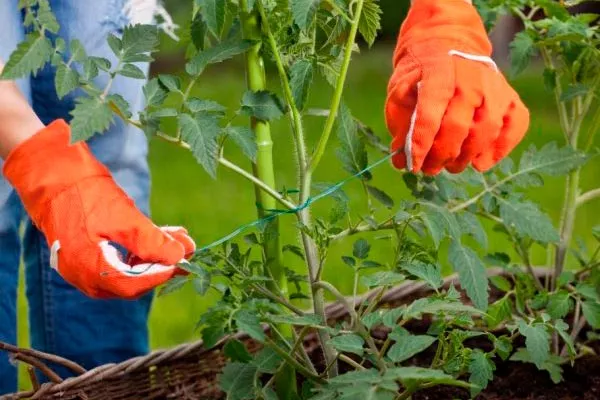
It's important not to pull the ropes too tightly, as this could damage the stem or restrict its further growth. When tying the plant, make a loop large enough to fit two fingers through. This will allow the plant room to grow without causing damage.
Helpful tips
To achieve a bountiful and high-quality harvest, apply agricultural advice in conjunction with these basic recommendations. Follow these guidelines:
- To stimulate root growth and maintain high yields, regularly hill and weed. Remove weeds and apply moist soil around the stems to promote root development.
- After watering, thoroughly loosen the soil. This will help prevent the formation of a dense crust that prevents water and air from reaching the roots.
- In mid- to late August, remove excess blossoms, as unripe fruits will drain the plant's energy. This will allow resources to be directed toward the main harvest.
- Pick tomatoes at the "milky" stage of ripeness. This promotes faster ripening indoors and encourages the formation of new, stronger tomatoes.
Harvesting and storage
Pick tomatoes as early as midsummer, in July. In open areas, fruiting begins at the end of the second month of summer. Tomato formation and ripening continues until the first autumn frosts.
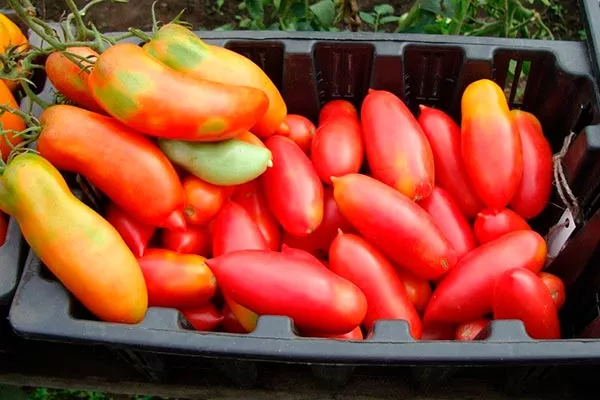
As autumn approaches, remove some of the inflorescences, as the fruit may not have time to ripen. Pinch the tops of the bushes to stop further growth and focus their energy on ripening the remaining specimens.
Tomatoes are ideal for both fresh eating and canning for the winter. They're perfect for summer salads, appetizers, pasta, and sauces. However, they're less suitable for juicing.
Protection from diseases and pests
The Pepper tomato requires careful agricultural care and protection throughout its growth period, starting from the moment the seeds are planted. Under unfavorable conditions, it can suffer from several problems:
| Disease/Pest | Symptoms | Control and prevention |
| Blossom end rot | It occurs due to a lack of calcium or potassium, as well as due to improper pruning. | Spray the plants with calcium nitrate. As a preventative measure, add a small amount of wood ash to the planting hole. |
| Whitefly | White insects hiding under leaves. One of the most dangerous tomato pests. Causes include close planting and insufficient fertilizer. | Open the greenhouse for ventilation or remove the protective film. Treat with Admiral, Applaud, or Aktara. Preventative measures include dandelion tincture or tobacco infusion. |
| Late blight | Brown spots appear on leaves. Cause: high air and soil humidity. | For prevention, use Myoxan and Pentafag. In case of infection, use Quadris, Tattu, or Bordeaux mixture. |
| Aphid | Affects tomatoes both in greenhouses and in open ground. | Water plants with warm water in areas where aphids congregate. For control, use tobacco, chamomile, or yarrow infusions. If necessary, use chemicals. |
| Alternaria | Affects the stem and root system, characterized by dry, brown spots. | Cover the bushes with agrofibre at night. Apply Thanos, Quadris, and Revus. |
| Fusarium wilt | Leaves are turning yellow and wilting, and stems are darkening. Causes include high humidity and nitrogen deficiency. | Regularly hill the crop and maintain crop rotation. If infestations occur, apply Barrier fertilizer and spray daily with Hom. |
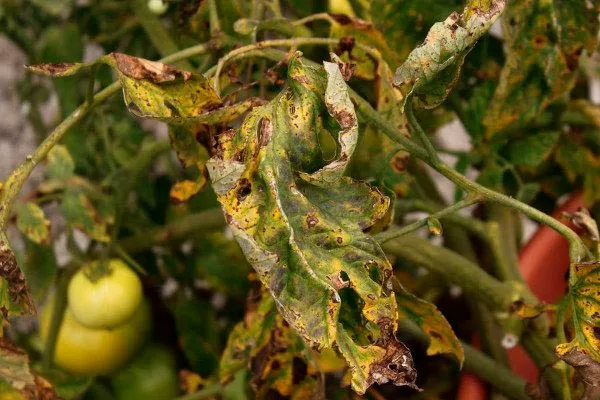
To prevent diseases and pests, maintain regular plant care, including watering, hilling, and fertilizing. Without timely prevention or treatment, the tomato plant may die before the first fruit appears.
Pros and cons
To avoid potential difficulties when growing tomatoes, it's important to carefully study the variety's advantages and disadvantages. Pepper-shaped has many advantages:
Among the disadvantages, some gardeners note the rare availability of seeds, the high cost of seed material and the need to tie up shoots, remove side shoots and shape the bush.
Reviews
Pepper-shaped is a variety that attracts gardeners with its unusual pepper-like fruit shape and excellent flavor. It is popular due to its high productivity, versatility, and ease of care. To ensure bountiful harvests throughout the season, it is important to follow proper cultivation practices.