
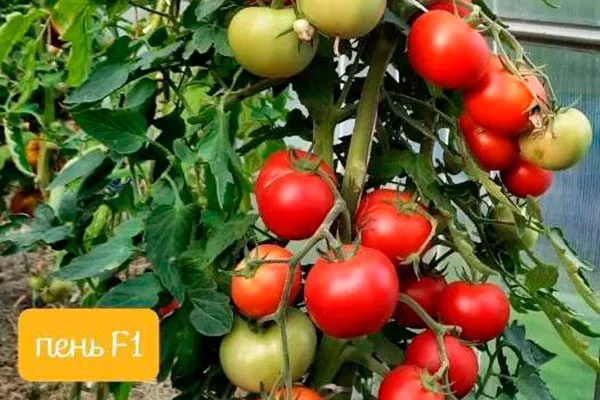
The Stump tomato is the result of hybridization. Although this variety has not yet become widespread, those who have already encountered it rave about it. Stump is a semi-determinate variety, meaning it is undemanding of growing conditions and soil. The hybrid is suitable for cultivation in a variety of climates.
Origin
Information about the creator of this tomato variety is unavailable, but it is known that Pen' is a first-generation hybrid. It was created by crossing different varieties and is not listed in the State Register. Pen' F1 seeds are available for purchase in specialty stores and online.
About what else is known (this information is available on the Internet):
- The F1 stump is the result of extensive and meticulous breeding. Its history began long before today, when breeders began searching for the ideal combination of high yield, excellent flavor, and disease resistance.
- Next, breeders carried out a series of crosses and selections to form new hybrids.
- After numerous experiments, a hybrid tomato variety was created, named Pen F1. This variety is characterized by its compact size and comprehensive resistance.
Description of the bush and fruits
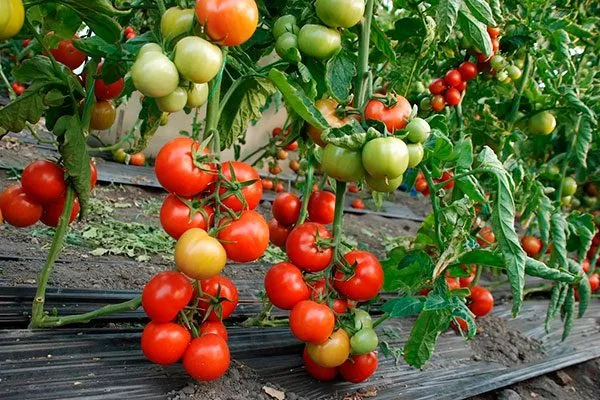
The plant develops in a semi-determinate manner. It stops growing after 10-12 fruiting branches have formed. The bush does not exceed a height of 100-120 cm due to the short intervals between nodes. If the lateral shoot in the last inflorescence is not removed, it can become the basis for new branches and fruits.
Other characteristic features of the hybrid:
- The leaves are of medium density, have a typical tomato appearance, and are colored a rich green.
- The flowers in the inflorescences are bright yellow. The flower-bearing branch forms at the 7th to 9th node of the main branch, and on the lateral branch, above the 3rd or 5th leaf. The intervals between nodes are up to 15-18 cm, which is shorter than in indeterminate varieties (25-30 cm).
- Each branch produces 8-10 buds, with the number of ripened fruits ranging from 6 to 8. Considering that a tomato weighs 150-170 g, three to four ovaries can be left on the inflorescence, resulting in tomatoes weighing at least 300 g.
- The variety's taste is balanced, lacking herbaceous undertones and boasting a bright tomato aroma.

- The pulp is characterized by density and increased juice content, but is not considered watery.
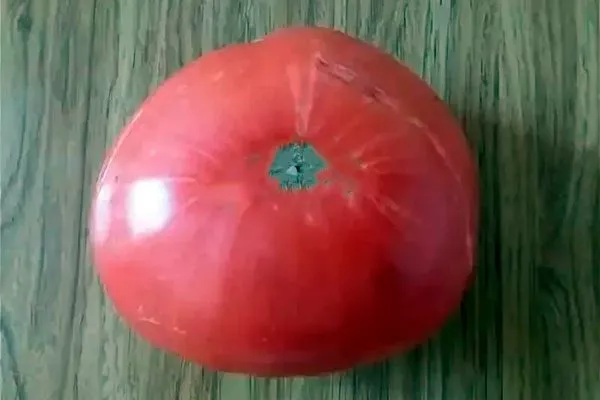
- The Stump tomato has a shape resembling a slightly flat circle, with smooth and shiny skin, and a rich red color.
Main characteristics
This hybrid is resistant to heat, rain, and cold. This vegetable has won the hearts of gardeners, who grow it everywhere, whether in open ground or greenhouses. However, greenhouses produce significantly higher yields.
Ripening and fruiting, productivity
On average, it takes 90-100 days from the moment the seeds germinate until the fruits are ripe. This ensures that all the vegetables are ripe before the onset of cold weather, eliminating the need for further curing indoors. This hybrid is an early-ripening variety, allowing harvesting to begin as early as July.
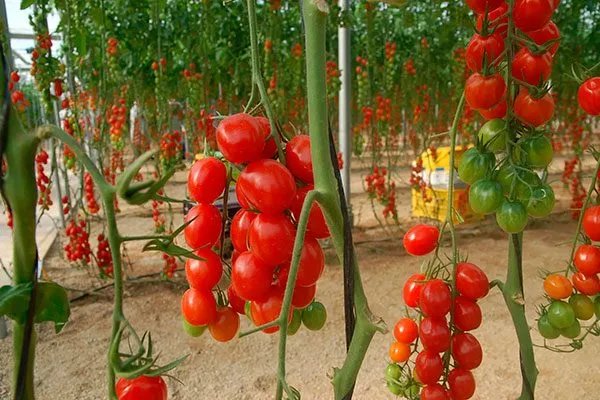
The description of the Pen F1 tomato indicates a yield of 12 to 16 kg per square meter. However, with 4-6 plants per square meter, productivity can exceed 30 kg. According to the manufacturer, in a greenhouse, you can expect up to 3-4 kg per plant.
Scope of application
One of the main advantages of medium-sized tomatoes is their versatility. Unlike small cherry tomatoes, which are limited to drying and adding to fresh salads, medium-sized tomatoes offer a wide range of culinary possibilities. They can be used not only for fresh salads but also for making tomato paste, ketchup, and canned for later use.
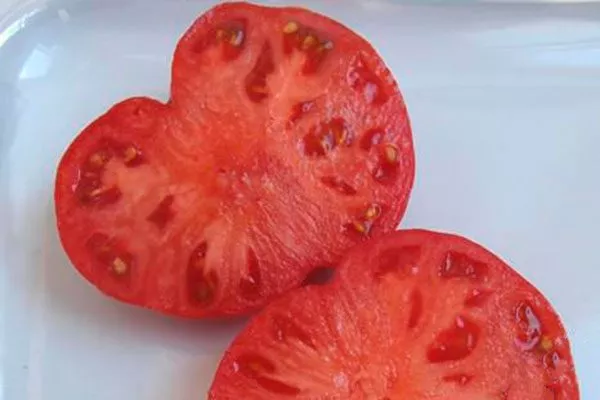
You can use them as follows:
- preparing tomato paste;
- ketchup production;
- whole canning;
- adding to fresh salads and slicing;
- creating ingredients for horseradish, adjika or lecho.
Weather tolerance and growing regions
Stumps exhibit high resistance to stress factors. They can withstand short-term droughts, low temperatures, and other adverse conditions. However, for a young plant, it is important to provide protection from external stress.
This variety is adaptable to a variety of planting conditions. It is cultivated in the central, southern, and western regions, the Urals, and the Far East. It should be emphasized that in areas with cool or unpredictable climates, greenhouse farming is preferable.
Disease resistance
As a hybrid, stumps possess protective immunity against certain diseases. However, the risk of fungal pathogens and insect pests cannot be completely ruled out. Therefore, even when grown in a greenhouse, preventative treatments are necessary.
Where is it better to grow: a vegetable garden or a greenhouse?
The Pen F1 tomato variety has won the hearts of both amateur and professional vegetable growers thanks to its unique characteristics and high yields. It is planted in greenhouses and open areas:
- In greenhouse conditions, the growing point can be transferred to a lateral shoot, which helps extend the fruiting period. Furthermore, greenhouse tomatoes reach maturity much faster.
- Although the yield in a greenhouse will be higher with the same care, the aroma and taste of tomatoes in open ground reach the highest levels.
Growing seedlings
This tomato is grown traditionally, but as a hybrid, it requires sowing seeds from seedlings. The sowing period is from March 12-15 to April 10, given its early ripening. Transplanting into open ground occurs between May 20 and June 10.
Preparation of all materials
For those planning to grow tomatoes in greenhouses, it is recommended to begin transplanting a week in advance. The optimal spacing is 60 x 40 cm, with a density of 3-4 plants per square meter.
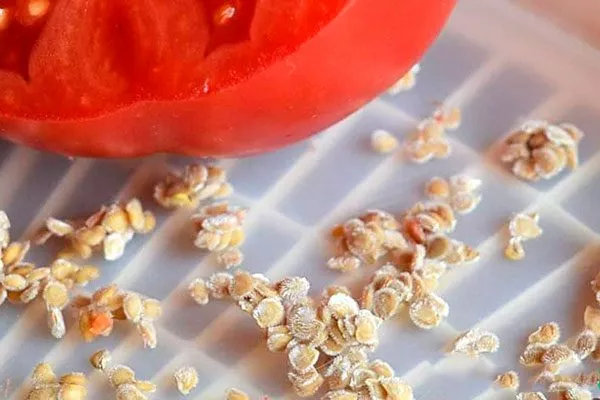
First, you need to familiarize yourself with the procedure for preparing seeds and soil before planting. This step is critical to the future success of your harvest and the health of your crop.
Before you begin, make sure the seeds are suitable for planting. This process is called sizing:
- Prepare a glass of warm water and add some salt.
- Place the seeds in it for 30 minutes.
- Pull out and discard any floating plants—these are empty seedlings and are not suitable for planting. Rinse the remaining ones with cold water and dry.
- ✓ Check the expiration date of the seeds, as old seeds may have low germination rates.
- ✓ Make sure that the seeds have been pre-treated by the manufacturer, which is especially important for hybrids.
Once the planting material is completely dry, disinfect it to strengthen the immune system, prevent infection, and protect against pests:
- Create a pink solution of potassium permanganate in a glass of water.
- Place the dried seeds in it for 20 minutes.
- Then rinse and dry them again.
The germination process will speed up the emergence of seeds from dormancy and their germination in the soil:
- Prepare a piece of cloth or cotton pad.
- Soak it in hot water.
- Spread the seeds over the entire surface and cover with a second layer.
- Leave in a warm place for several days. Moisten the material frequently to prevent it from drying out.
Once the seeds have sprouted, begin preparing the soil. Here are some important details:
- the substrate can be purchased or assembled independently by mixing equal parts of sand, garden soil and compost;
- The soil mixture must be disinfected from pathogenic microbes. To do this, roast it in the oven at maximum temperature for an hour or pour boiling water with any copper-based preparation added;
- The soil must be light and permeable to air so that the seeds have access to oxygen and do not die from lack of air.
After preparing the soil, select and treat the appropriate planting container. You can use a wooden or plastic box with low sides, available at a gardening store. Disinfect the container with a hot solution of potassium permanganate, boiling, or soap and water.
Sowing and growing
The sowing process begins with filling a container with soil. Then, narrow furrows, no deeper than 0.5-1 cm, are made to allow the seeds to easily reach the surface. They are evenly distributed within these furrows, with intervals of 1 cm between furrows and 2 cm between rows.
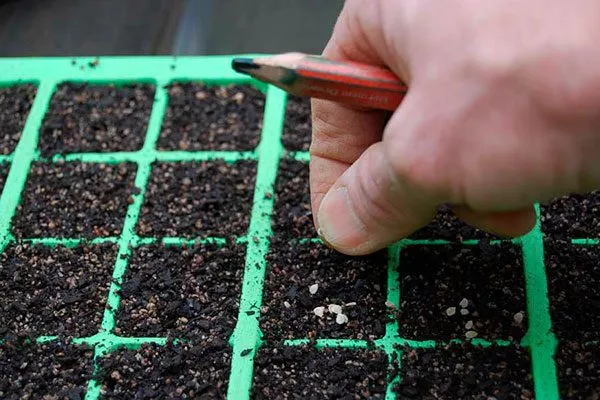
Next steps:
- Carefully sprinkle a little more substrate on top of the seeds and lightly moisten everything with a spray bottle.
- The container is covered with transparent material, creating a microclimate similar to a greenhouse, and placed in a warm place at a temperature of about 28 degrees.
- After a week, when the seedlings appear, it is necessary to regularly open the shelter to ventilate them.
- Once the seedlings have sprouted, move them to a windowsill to ensure adequate light. If there's insufficient light, the stems will reach for the light, which can cause them to become elongated and brittle. If there's insufficient light, you can use special lamps to provide supplemental lighting for the seedlings.
- After two true leaves have formed, transplant the seedlings into individual garden pots, plastic or peat cups, or even cut-off juice cartons. It's important to remove the plants with the root ball intact, avoiding root damage.
- Two weeks before final transplanting, when the seedlings reach a height of 25 cm, they should be acclimated to harsher conditions to strengthen their immunity and improve their adaptation to the environment. This hardening process involves taking the seedlings outdoors daily, increasing the time spent there each day.
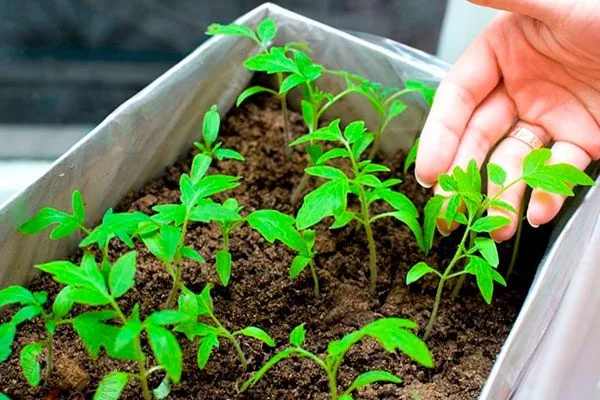
Features of transplanting and caring for Stump tomatoes
Pen tomatoes are planted in the ground using the traditional method. The first 10 days are the plants' acclimatization period, allowing them to rest from the transplant and adapt to the new conditions. Therefore, avoid disturbing the plants. Then, follow the standard procedures:
- Water two to three times a week. Use warm, settled water (or outside in summer). It's important to maintain the soil at a slightly moist level, avoiding overwatering.
- Fertilizers are applied every couple of weeks. It is recommended to mix mineral complexes with organic components such as cow manure, litter, or freshly cut grass infusion.
Stumps are not picky about soil composition, so there's no risk of nutrient deficiency even in a greenhouse. However, proper fertilization can increase the yield and improve the taste of tomatoes. Approximate diagram:- two weeks after planting: use a mixture of ammonium nitrate and potassium sulfate;
- during budding: mix potassium nitrate with monopotassium phosphate, repeat the procedure after a week;
- at the fruiting stage: use magnesium sulfate, potassium monophosphate and potassium nitrate;
- During the ripening period of fruits: use potassium sulfate.
- After each watering or rain, be sure to loosen the soil around the trunk. Weeding can also be done at this time.
- To maintain moisture around plants, place straw, hay, or other materials that help prevent pest attacks.
- Inspect the plants weekly and remove any excess shoots, leaving stubs 3-4 mm long. It's best to do this in the morning.
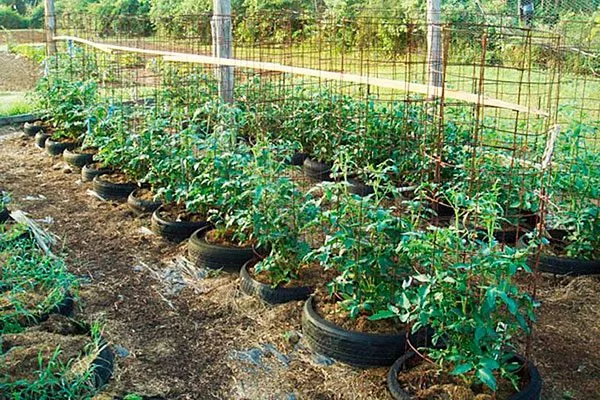
- When the bush's branches begin to droop under the weight of the fruit, they should be supported by installing a wooden stake or similar structure. In greenhouse conditions, a trellis is used for the Pen tomato variety: thin twine is attached to the top beam, and the lower end to the base of the bush.
Pest and disease control
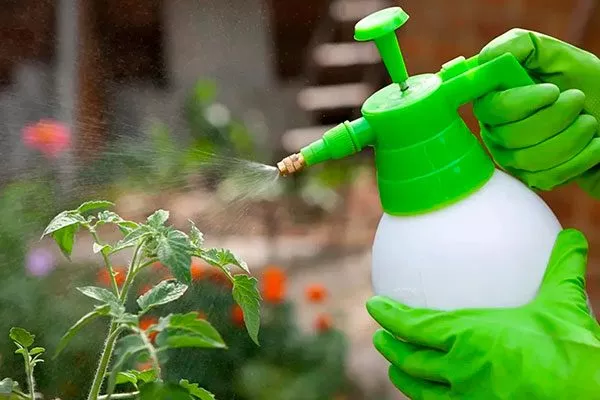
To protect young plants from diseases and pests, treat tomatoes with fungicides such as Bordeaux mixture, HOM, Fitosporin, Maxim, and Skor. For insect control, natural remedies are recommended: chili powder, mustard powder, garlic, tobacco dust, and wood ash.
Pros and cons
The hybrid's description notes that the bush is covered with fruit, as if mushrooms were enveloping the tree. Furthermore, this variety is distinguished not only by its abundant harvest but also by its excellent taste and attractive appearance. The fruit has a fairly good shelf life and can be stored in the refrigerator for a long time.
Reviews
The Stump tomato is a hybrid that doesn't require any special growing conditions, offers good productivity, and is resistant to adverse weather conditions. It produces delicious tomatoes that are ideal for salads and pickling. With proper cultivation practices, even a small plot can yield a decent harvest.