
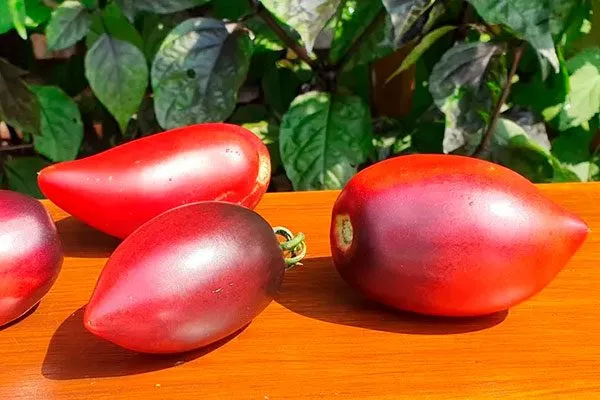
Pascal from Picardy is a mid-season indeterminate tomato variety characterized by good productivity and excellent flavor. Ripe fruits are an attractive shade, have an attractive elongated shape, and thin yet firm skin. The sweet, marmalade-like flesh makes these tomatoes suitable for fresh consumption and processing.
Description of the bush and fruits, main characteristics
This variety is suitable for growing in greenhouses, both plastic and standard. Features and distinguishing characteristics:
- plants - their height varies from 170 to 220 cm, and each brush produces 5 to 7 tomatoes;
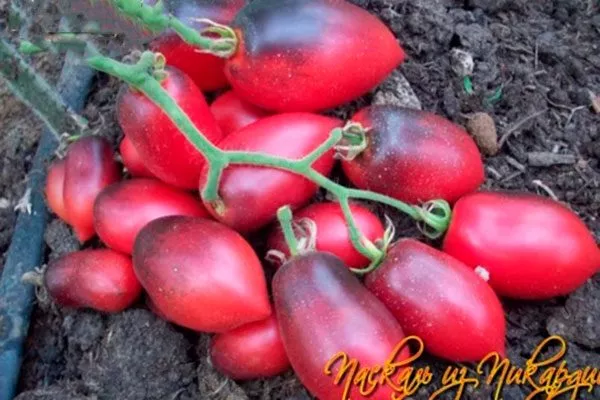
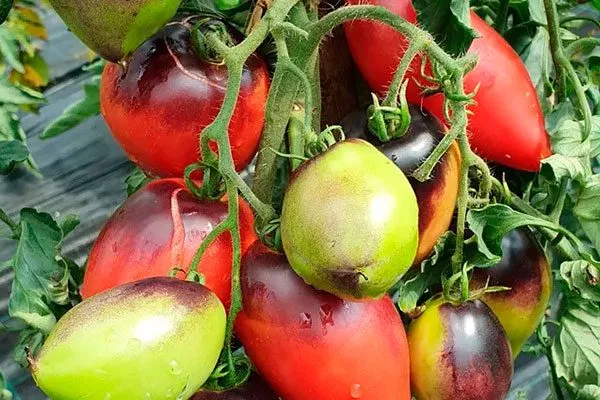
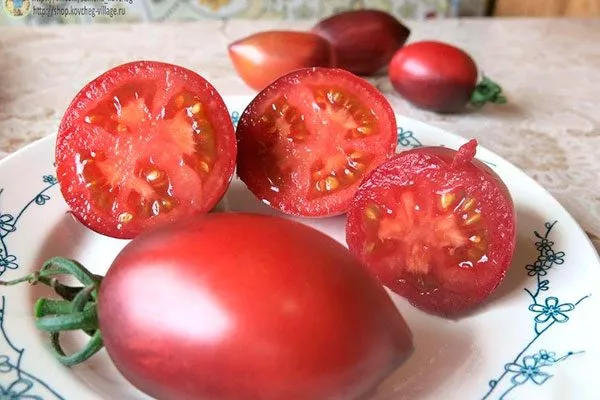
- tomatoes - colored dark red with anthocyanin shoulders;
- weight - fluctuates between 100 and 150 g;
- configuration – elongated plum-shaped or cylindrical, with a neat spout;
- taste - Intensely sweet, with a delicate marmalade texture of dark raspberry flesh;
- skin – thin and glossy;
- peduncle – articulated.
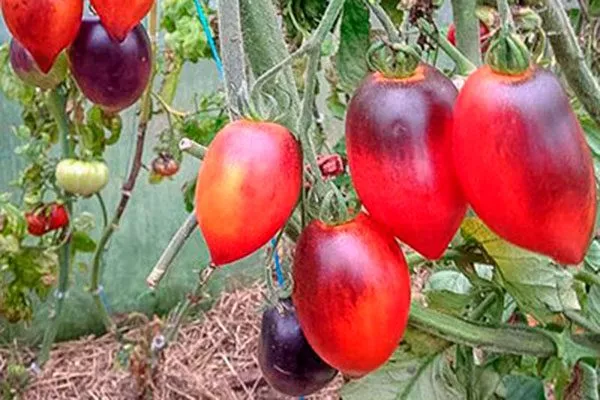
Pascal tomatoes from Picardy reach maturity on average in 95-110 days after germination. The crop exhibits high resistance to adverse weather conditions and tolerates temperature fluctuations well.
Growing tomatoes
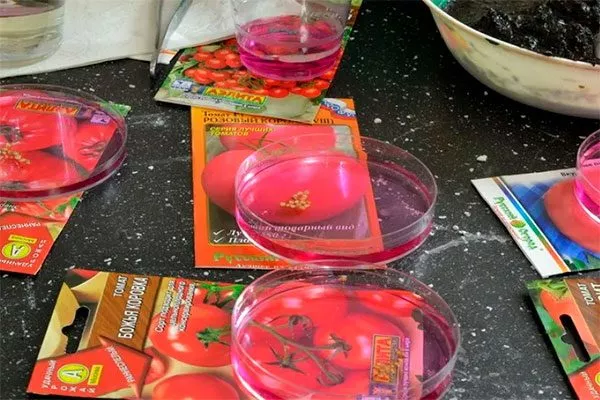
It is recommended to grow Pascal from Picardy using seedlings. Before sowing, disinfect the seedlings: soak them for 15-20 minutes in a weak solution of potassium permanganate or Fitosporin. Afterwards, soak the seeds in a growth stimulant, such as Epine or Zircon, to improve germination.
To ensure high-quality, strong seedlings, prepare a fertile, loose soil. The optimal soil composition is:
- turf soil – 40%;
- humus or compost – 30%;
- peat – 20%;
- sand - 10%.
Sow the seeds 55-60 days before transplanting into a greenhouse or open ground. Plant them 1-1.5 cm deep in moist soil, cover with a thin layer of substrate, and cover with plastic wrap or glass to create a greenhouse effect.
Optimal conditions for germination:
- temperature – +23…+25°C;
- lighting – at least 12 hours a day;
- watering – moderate, with warm water from a spray bottle.
Once the first shoots emerge, remove the cover and reduce the temperature to 18–20°C to prevent the sprouts from stretching. When the seedlings have 2–3 formed leaves, transplant them into individual containers.
When the plants reach a height of 25-30 cm and have 5-7 true leaves, transplant them into the garden beds. Optimal planting times:
- into the greenhouse – in mid or late April (at a stable temperature of +15°C in the soil);
- into open ground – after the threat of frost (late May-early June).
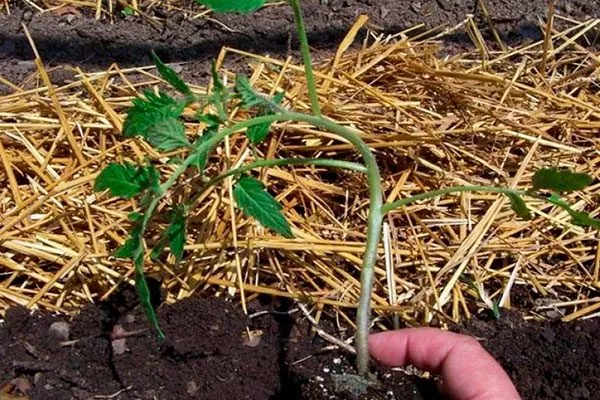
Before planting, dig the beds and add compost, ash, and superphosphate. Form holes 50x60 cm in size, add a little compost to each, and moisten with warm water. Plant the seedlings deep down to the first leaves, and mulch the soil to retain moisture.
Plant care
To achieve a bountiful harvest, Pascal de Picardie requires regular care, including various agricultural practices. Follow these simple steps:
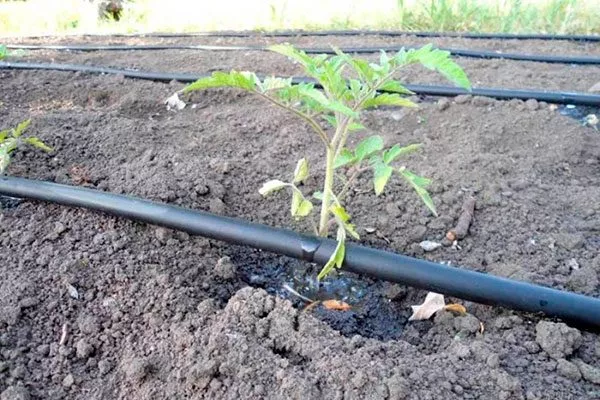
- Watering. For the first 10 days after planting, do not water the plants to allow them to root better. Thereafter, water them 1-2 times a week with warm, settled water (22…24°C), pouring 3-5 liters under the roots.
During flowering and tomato development, increase the frequency to 2-3 times per week. Water in the morning or evening, avoiding getting the leaves wet.

- Top dressing. To ensure your plants produce fruit well, fertilize them regularly. Conduct these activities at specific times:
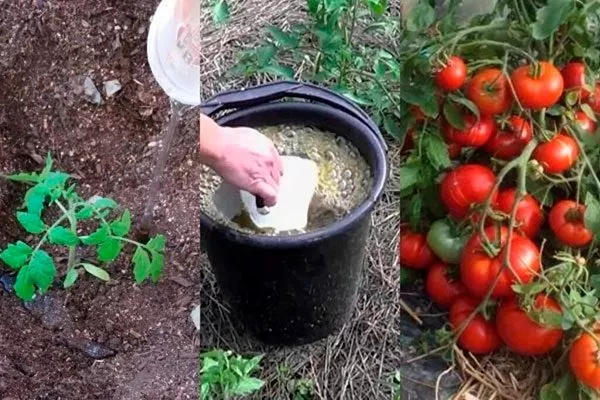
- 10-14 days after transplantation – solution of mullein (1:10) or chicken manure (1:20);
- during the flowering period – Superphosphate (20 g) and potassium sulfate (15 g) per 10 liters of water;
- during the period of mass fruit formation – wood ash (200 g per 10 l of water) or complex mineral fertilizer.
- Formation of the bush and garter. Train the plants into 1 or 2 trunks. Remove lower leaves and side shoots every 7-10 days. Secure the plants to trellises or supports, securing the stems with soft material.
- Loosening and mulching. After each watering, loosen the soil to improve oxygen access to the roots. Cover the beds with straw, sawdust, or peat to retain moisture and protect them from weeds.
Despite the Pascal Picardy variety's strong immunity, the bushes can be susceptible to certain diseases and insect attacks. It's important to know how to avoid these problems:
| Disease/Pest | Signs/Symptoms | Methods of control |
| Late blight | Yellow spots on leaves, then they turn black. Brown marks appear on tomatoes. | Removing affected parts, treating with Fitosporin or Bordeaux mixture. Thinning. |
| Powdery mildew | A whitish coating on the leaves that turns into powder when dry. | Use fungicides (Topsin, Previkur). Remove damaged leaves and improve ventilation. |
| Root rot | Yellowing and wilted leaves, black roots with an unpleasant odor. | Treatment of roots with Trichodermin or Fitosporin. |
| Spider mite | The leaves are covered with small white dots, and a cobweb is visible on the underside. | Use of garlic infusion, soap solution, acaricidal preparations (for example, NovoSit). |
| Aphid | The leaves curl, turn yellow, and sticky secretions appear. | Effective insecticides are Aktara and Fitoverm. |
| Whitefly | The green mass is dotted with white dots, and small insects are hidden on the underside. | Use of insecticides, installation of traps, improvement of ventilation in the greenhouse. |
| Nematodes | Slow growth, twisted stems and roots, yellowed leaves. | Use of special preparations, thermal treatment of soil. |
Reviews
Pascal of Picardy is a good choice for greenhouses and plastic shelters, as it is resistant to temperature fluctuations and easy to care for. Regular planting, timely fertilizing, and proper watering will ensure consistent harvests. This variety will appeal not only to experienced gardeners but also to novice gardeners, as it requires minimal maintenance.