
Papina Dochka tomatoes are heart-shaped, red, and medium-weight. They boast excellent flavor, a pleasant aroma, and can be stored for a long time without losing their marketable appearance. This hybrid is ideal for gardeners looking for a stable and easy-to-grow variety for their plot. Caring for them is straightforward.
Characteristics and description of the variety
The Papa's Dochka hybrid was developed by breeder V. I. Blokin-Mechtalin. It is relatively new, having only been officially approved for use in 2021. This variety has many characteristics and positive qualities that are important to explore.
Distinctive features of the plant and fruits
The bushes reach a height of 60-100 cm and require staking and pinching. Key characteristics of the plant:
- The leaves are medium-sized, traditionally shaped, and richly emerald green.
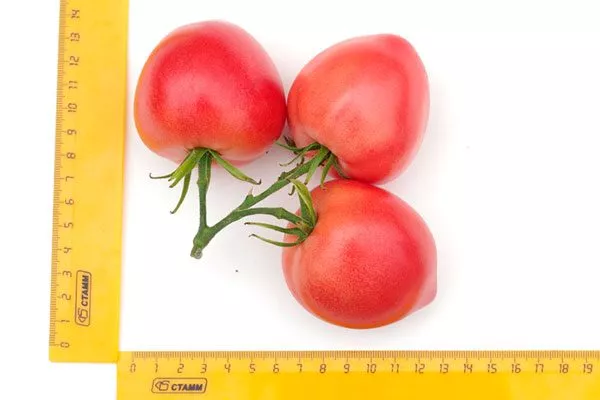
- The tomatoes are colored a bright crimson.
- The tomatoes have a round-heart shape and an elongated nose.
- The weight of the vegetables varies from 140 to 160 g, they have juicy and fleshy pulp.
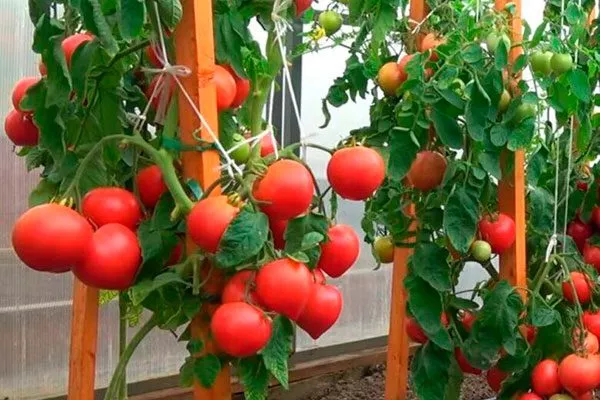
Semi-compound racemes contain 6-10 ovaries. The first inflorescence appears above the 6th or 7th leaf, with subsequent inflorescences forming at intervals of two leaves.
Taste and uses of tomatoes
The main characteristic of the Papina Dochka hybrid is its distinct sweetness, which gives the tomatoes a particularly fresh flavor. At the same time, the taste is not cloying, making it appealing even to those who don't like overly sweet vegetables.
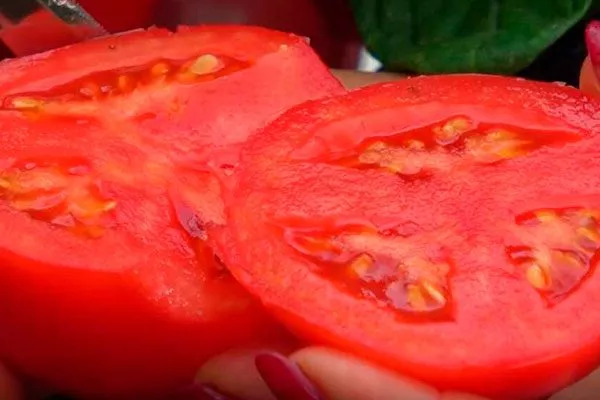
When cut, the fruits contain approximately three seed chambers, making them convenient for slicing, as they lose juice more slowly. These tomatoes are versatile: they can be eaten fresh, canned whole, or sliced. This variety is ideal for salads, pasta, and more.
Ripening, fruiting, productivity
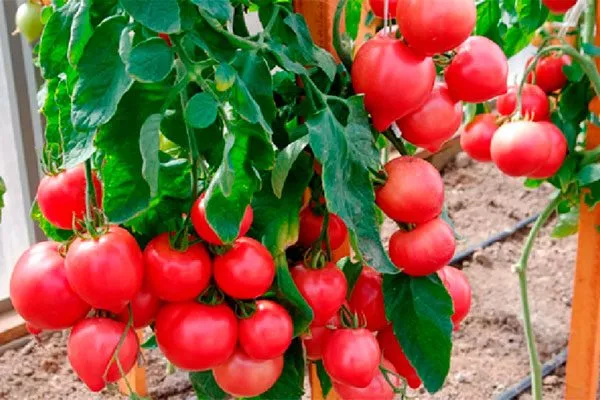
This is an early-ripening variety. Full development and ripening of the vegetables occurs 95-100 days after planting. The first tomatoes are harvested as early as July.
Necessary climatic conditions
Daddy's Girl is an annual, heat-loving crop sensitive to sudden temperature changes. Even a slight drop to just a few degrees above freezing can cause serious damage to the plants. The optimal average daily temperature range for growth, high yield, and fruit quality is 20-24°C.
Important points:
- At temperatures below +12°C or above +35°C, flowers begin to fall off, which significantly worsens fruit set.
- Ideal soil conditions for seed germination range from 15°C to 30°C. Seedlings will emerge in 7-10 days. If temperatures drop to 10°C, germination slows to three weeks or more, and seedlings become uneven and weak. Soil temperatures above 35°C negatively impact seed germination.
- Dry, hot winds can cause flowers to fall off, even if the soil is sufficiently moist, and strong gusts can cause mechanical damage to the bushes.
- Rainy weather increases the risk of foliar diseases.
- ✓ Optimum soil temperature for seed germination: +15°C to +30°C.
- ✓ Maximum permissible air temperature without the risk of flower shedding: +35°C.
- ✓ Minimum air temperature at which growth begins to slow: +12°C.
To achieve positive results, it is recommended to grow the crop in a relatively dry area with uniform, high-quality watering.
Regionalism
Temperate regions—Central, Northern, and Ural—are ideal for growing these bushes. These areas provide the most comfortable growing conditions for the variety, thanks to their moderate climate and the absence of sweltering summer heat.
The dry air in these areas reduces the likelihood of pests and diseases, promoting harmonious and healthy plant development. Furthermore, these climatic conditions reduce stress on seedlings, allowing them to develop without unnecessary environmental challenges.
Features of agricultural technology
To obtain ripe fruit by mid-July, it is recommended to grow this hybrid using seedlings. Sow seeds in early March, approximately 55-60 days before planned planting in open ground or under plastic covers.
Selecting a site
Daddy's Girl is a sun-loving variety, so for its cultivation, prepare beds that receive full sun throughout the day. The following crops are good predecessors for tomatoes:
- cabbage;
- legumes;
- zucchini.
Avoid planting seedlings in areas where nightshades were grown the previous season. Plant seedlings outdoors in mid-May, after the danger of frost has passed.
Planting diagram
The bushes are characterized by a spreading habit, so when planted too closely, they can shade each other. Insufficient sunlight slows growth and development, negatively impacting productivity. The optimal spacing for this variety is 50x60 cm.
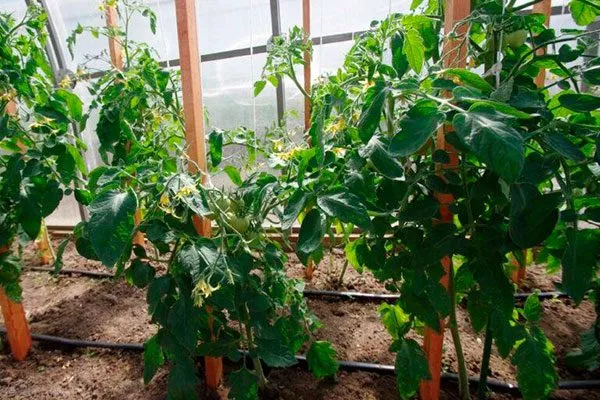
When transplanting seedlings, transplant the roots along with the root ball to minimize stress on the plants. Gently firm the soil around them and moisten thoroughly. Install a trellis immediately next to each plant for support. This prevents damage to shoots and stems from wind or the weight of the plants.
Watering and fertilizing
The hybrid tolerates high temperatures well, but requires timely and abundant watering. If there's insufficient moisture under the scorching sun, the bushes can quickly wilt and die.
Follow the recommendations:
- Water the plants every 2-3 days using warm, settled water. Do this in the morning or evening to avoid leaf burn. Avoid getting water on the above-ground parts of the plants.
- Excessive moisture can also harm tomatoes. Waterlogged soil creates favorable conditions for fungal infections and mold, which negatively impacts the plants.
During the growing season, feed the crop 3-4 times, alternating mineral and organic fertilizers.
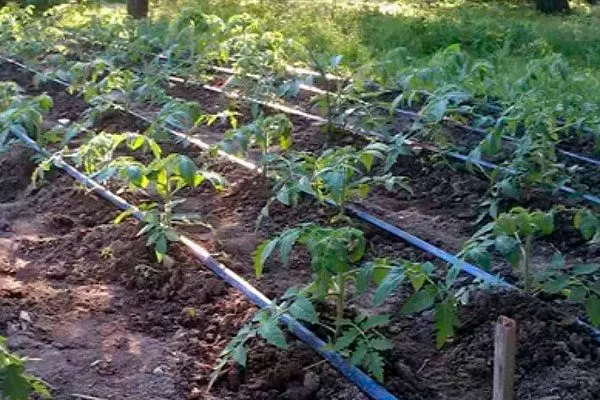
Feeding schedule:
- 10-14 days after planting, apply the solution (dissolve 20 g of superphosphate and 1 kg of mullein in 10 liters of water). Pour 1 liter of the solution under each bush.
- Perform the second and third feedings at two-week intervals. Apply dry mineral fertilizers (10 g ammonium nitrate, 15 g potassium salt, 20 g superphosphate) to the soil after loosening it.
Do not overdo it with nitrogen fertilizers, as their excess stimulates the growth of green mass, but does not contribute to the development of tomatoes.
Pinching out side shoots and soil care
Timely removal of side shoots is essential for a good harvest. Train the plant into 2-3 stems, removing all other side shoots. This allows the cultivar to focus on developing the main shoots and fruit, improving the quality and quantity of the harvest.
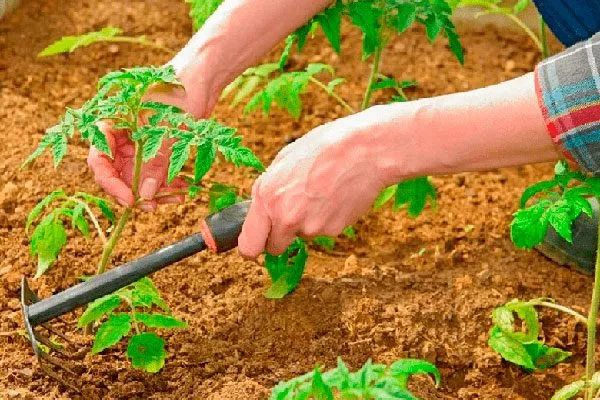
Hill up tomato bushes twice a season:
- 10-14 days after planting seedlings;
- three weeks after the first hilling.
Caring for Daddy's Girl includes regular loosening, weeding, and mulching, which helps improve the condition of the plants:
- Loosening helps maintain soil aeration and improve water exchange, preventing crust formation on the surface.
- Weeding necessary to remove weeds that compete for nutrients and moisture.
- Mulching Mulch helps retain soil moisture and reduce weed growth. It also protects the root system from overheating.
These procedures ensure healthy growth and development of bushes, ensuring a stable and abundant harvest.
Pest and disease control
To prevent fungal infections, regularly carry out preventative treatments. In cold and rainy summers, the hybrid may be susceptible to the following diseases:
- late blight;
- blossom-end rot;
- brown spot;
- blackleg.
At the first sign of disease, remove affected plants and burn them outside the area. Treat the remaining bushes with fungicides.
Pests (whiteflies, aphids, spider mites, slugs and Colorado potato beetles) often become carriers of infections, migrating between plants in search of food.
Basic preventive measures include several rules:
- Disinfection of planting material.
- Disinfection of garden equipment.
- Protection with chemicals.
Analogues
| Name | Ripening period | Disease resistance | Demanding of light |
|---|---|---|---|
| Daddy's girl | 95-100 days | Average | High |
| Hope | 95-100 days | High | Average |
| Agatha | 85-90 days | Low | High |
The Papa's Dochka hybrid has earned numerous positive reviews for its excellent characteristics and flavor. It has several similar varieties:
- Hope - An early-ripening, new-generation hybrid, designed for open ground in southern regions and plastic greenhouses in temperate climates. The time from germination to maturity is 95-100 days.
The bushes are determinate, 100-120 cm high. The fruits are flat-round, dense, without a green spot near the stalk, weighing 180-200 g. The taste is excellent, the tomatoes are sweet and juicy. - Agatha - An early, determinate variety with a high yield. A single plant can yield approximately 4 kg of vegetables.
Ripe tomatoes weigh between 85 and 120 grams. The bushes are low-growing but require support to prevent them from breaking under the weight of the fruit. The skin is red, smooth, and glossy, thick enough to prevent cracking during cooking or transportation.
Some gardeners prefer to grow all varieties at the same time to increase productivity.
Pros and cons
This sun-loving crop has many advantages, but it also has some drawbacks. It's important to study all the hybrid's characteristics to avoid potential difficulties during cultivation in the future.
Among the negative qualities of Daddy's Daughter, gardeners note the low germination rate of seeds and the need to purchase them annually, since it is a hybrid variety.
Reviews
The Papina Dochka tomato is deservedly popular among both novice and experienced gardeners. This is due to its resistance to heat and disease. Its high yield and excellent flavor make it versatile for both open-field and greenhouse cultivation. It will provide a consistent and delicious harvest that will delight you throughout the season.