
Panther tomatoes are prized for their large size, meaty texture, and sweet flavor, making them versatile for fresh eating and preserves. This variety was developed relatively recently, but has already gained popularity among gardeners in our country. The crop is resistant to diseases and adverse weather conditions.
Description of the bush and fruits
Panther is a tomato hybrid developed by specialists at the Research Institute for Vegetable Crop Selection and approved for use in 2020. It is an indeterminate variety.
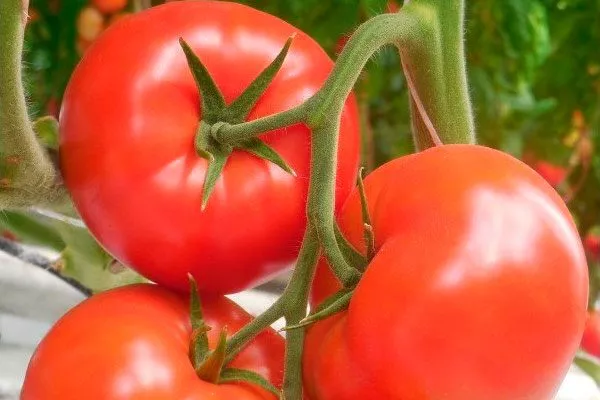
Distinctive features:
- The bushes reach a height of 150 to 180 cm. The shoots are covered with dark green, medium-length leaves. The inflorescences are simple.
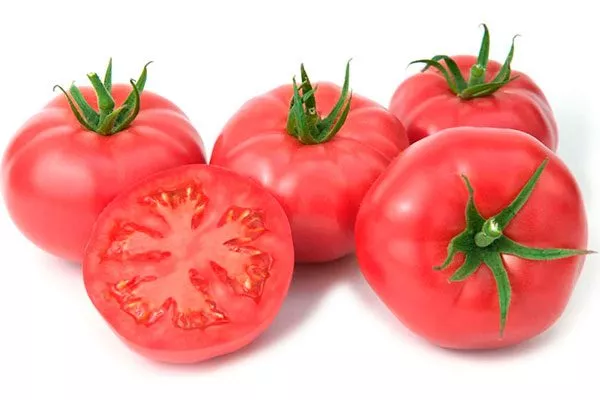
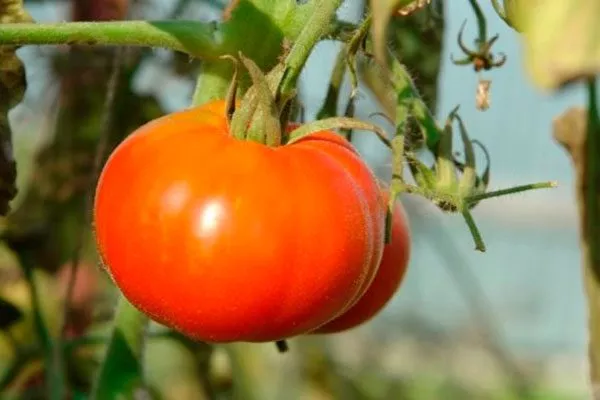
- Tomatoes are large, round or flat-round in shape. When unripe, they are green, but when fully ripe, they turn pink—the hue may be lighter or brighter. Each tomato contains 4-6 nests, and a single cluster can produce up to 6-7 tomatoes.
- The weight varies from 250 to 300 grams, which is impressive. The fruits are covered with a slight gloss, and the flesh is medium-dense and juicy.
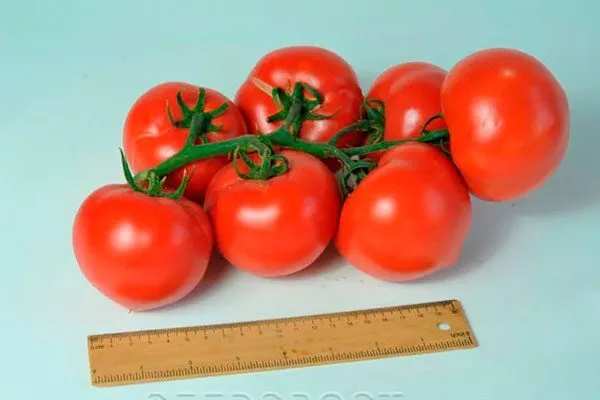
Main characteristics
This mid-early variety takes approximately 110-115 days from germination to harvest. It is renowned for its high productivity – 12-13 kg per square meter. It is ideal for growing in plastic or conventional greenhouses.
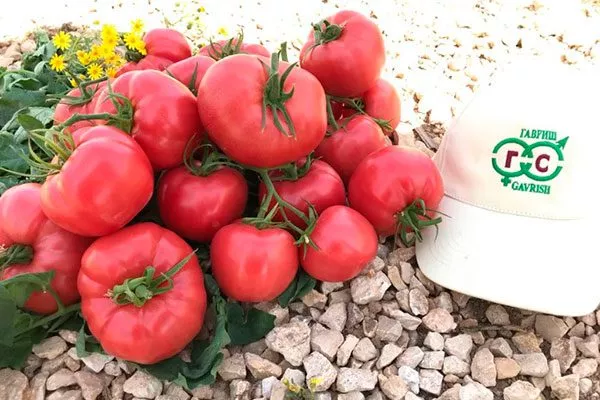
One of the main advantages of the tomato is its excellent resistance to various diseases. The hybrid demonstrates stable protection against cladosporiosis, verticillium wilt, and tobacco mosaic virus (TMV). It is rarely affected by fusarium.
Sowing
Experienced agronomists recommend growing Panther tomatoes using seedlings. Before sowing, treat the seedlings to improve germination and protect against diseases.
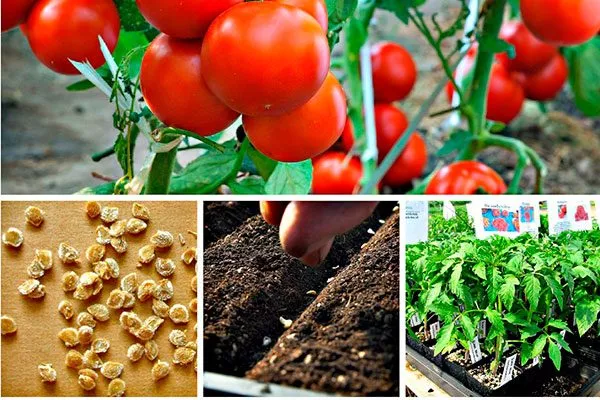
Follow these steps:
- Soak the seeds for 15-20 minutes in a solution of potassium permanganate (1 g per 100 ml of water) to disinfect. Rinse thoroughly.
- Harden the grains: place them in the refrigerator for 12-24 hours, then in a warm place for the same amount of time to activate growth.
To grow seedlings, use loose, nutritious soil. Ready-made tomato mixes are suitable, but you can prepare the soil yourself by mixing:
- peat – 2 parts;
- humus or compost – Part 1;
- sand - Part 1;
- wood ash – 200 g per 10 l of soil to improve the composition.
Step-by-step instructions:
- Fill the container with soil, make furrows or holes 1-2 cm deep.
- Space the seeds 2-3 cm apart.
- Cover the grains with soil and compact lightly.
- Water with settled water – it should not be cold.
- Cover the box with film or glass to create a greenhouse effect.
Growing seedlings and transplanting them
Keep the seedlings in a warm place at a temperature of 22-25°C. As soon as the shoots emerge, remove the cover and move the seedlings to a bright room with a temperature of 18-20°C to prevent the plants from stretching. For full growth, provide 12-14 hours of light per day (you can use fluorescent lamps).
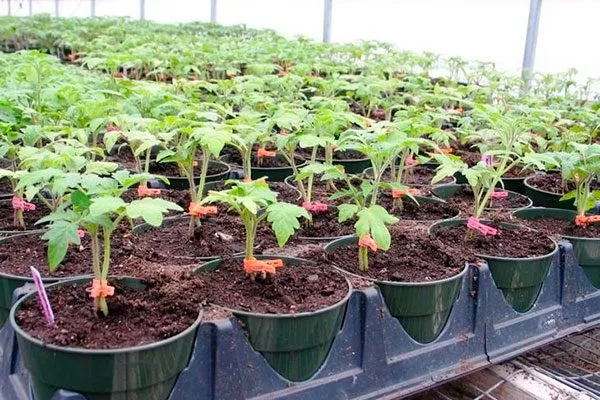
When the seedlings have 2-3 true leaves, transplant them into separate containers to establish a strong root system. It's important to leave enough space between them to ensure proper root development.
Plant tomato seedlings outdoors or in a greenhouse once stable weather conditions have established with temperatures of at least 15°C, usually in late May or early June. General recommendations:
- Harden off the plants for 7-10 days, gradually acclimating them to external conditions by taking them outside.
- Prepare the soil in the greenhouse or garden beds. Make holes or furrows and add humus, ash, or complex mineral fertilizer to the bottom.
- Plant the plants at a depth appropriate to their growth level, so that the root collar is not buried.
- Leave a distance of 30-50 cm between seedlings to ensure normal development and air circulation.
- After planting, water the seedlings thoroughly.
Next steps
Proper care directly affects crop yield. Follow standard agricultural practices:
- Watering. Plants require frequent watering, especially during periods of active growth and fruit formation. Water with warm, settled water, avoiding contact with the leaves and tomatoes. Ideally, water 1-2 times a week, depending on weather conditions.
- Top dressing. For normal growth and development, bushes require nutrients. Fertilize Panthera 3-4 times per season:
- 2 weeks after transplanting the seedlings – organic matter: manure or compost;
- during flowering – potassium and phosphorus mixtures;
- at the fruiting stage – potassium-phosphorus solutions;
- as needed – If plants look unhealthy (use formulations with microelements).
- Structuring and pinching out stepsons. Regularly remove side shoots to encourage growth of the main stem and improve ventilation. Trimming side shoots and excess leaves promotes good fruit formation.
- Garter. Secure the bushes to supports (wooden or metal poles, trellises) to maintain them in an upright position and prevent damage to the fruit.
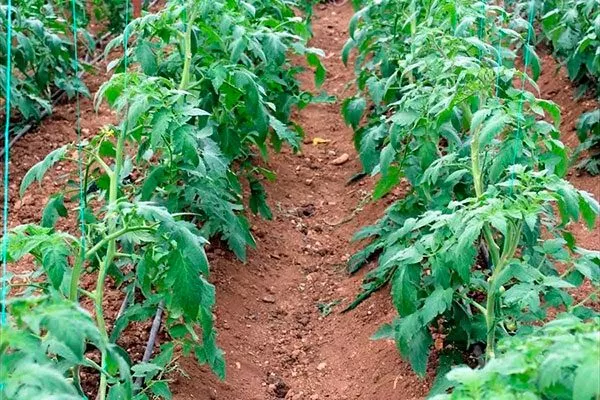
The culture has a strong immunity, but under unfavorable conditions or improper care it can be subject to various difficulties:
| Disease/Pest | Signs | Methods of control/prevention |
| Late blight | The appearance of dark spots on leaves, stems and fruits, which gradually increase in size. | Removal of affected areas, treatment with copper-containing preparations (Hom, Kuproksat), regular ventilation of the greenhouse. |
| Powdery mildew | White coating on leaves and trunks, yellowing and falling off. | Spraying with sulfur-containing solutions (Topaz, Skor), improving ventilation. |
| Mosaic | Mosaic pattern on leaves, their deformation, growth retardation. | Use of biological preparations (Trichodermin), crop rotation. |
| Fusarium | Drying, wilting, yellowing, root damage. | Use of fungicides (Previkur, Topsin). |
| Aphid | Leaves curl, yellow marks appear, and plants weaken. | Insecticides (Aktara, Fitoverm), destruction of infected parts, attraction of predatory insects are effective. |
| Spider mite | The appearance of small dots and a whitish coating on the leaves, and cobwebs appear on the surface. | Spraying with acaricides (Aktara, Neoron), increasing air humidity, removing affected parts. |
| Colorado beetle | The leaves are damaged by large holes, beetles and larvae may be visible on the plants. | Manual collection; insecticides (Decis, Provanto) will help. |
| Root rot | Weak development of bushes, yellowing and falling of lower leaves, rotting of roots. | Treating the soil with fungicides, improving drainage. |
| Sclerotinia | White spots with a watery coating on stems, leaves and fruits. | Use of fungicides (Skor, Topaz), regular ventilation in the greenhouse. |
| Black spot | Black marks on leaves and trunks, tissue death. | Use of fungicides, crop rotation. |
Reviews
The Panther tomato is a reliable choice for those who value high yields and minimal maintenance. These large, flavorful tomatoes will satisfy even the most discerning gardeners. This hybrid has proven itself in a variety of climates, demonstrating stability and disease resistance.