
The Pamyat tomato is a sought-after variety characterized by vigorous growth and high yields. Large, fleshy fruits with bright skin impress with their rich, sweet flavor and dense, crack-resistant structure. The plant responds well to training and fertilizing, requiring simple cultivation practices.
Features of growth and formation, characteristics
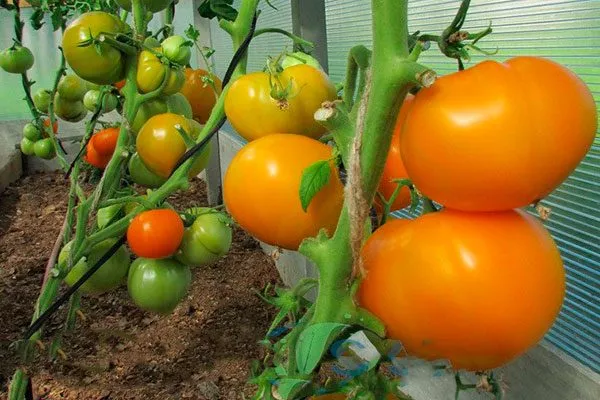
Memory is a popular variety with unlimited growth, belonging to the indeterminate type. Thanks to its vigorous and tall bush, which can reach up to 2.5 m, it is successfully grown in greenhouses and under plastic.
Distinctive features:
- The tomato plant is distinguished by a strong, sturdy stem and abundant foliage. The leaves are medium-sized, rich green, and slightly wrinkled.
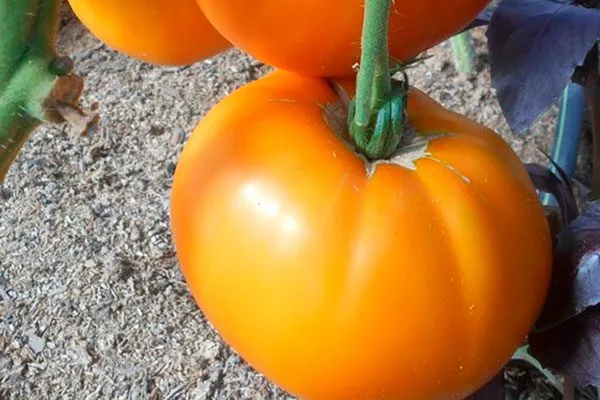
- The tomatoes are large, weighing up to 800 g, round in shape with pronounced ribbing and a rich orange color. Inside is juicy flesh. They have a pleasant, slightly sweet flavor.
- Flowering begins approximately 50-60 days after germination and continues in waves throughout the season. The inflorescences are collected in clusters, each containing 5-7 ovaries.
Ripening and use of the crop
Pamyat is a mid-season variety: the first fruits can be harvested 110-120 days after germination. The tomatoes have smooth skin and a dense texture, making them resistant to cracking when ripe.
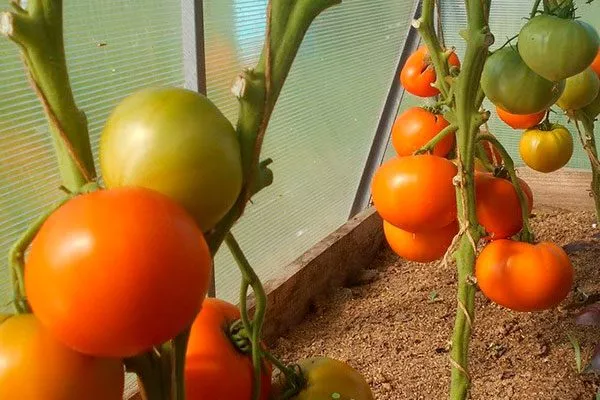
Thanks to their juicy flesh and balanced acid-to-sugar ratio, tomatoes are suitable for a variety of uses. They excel in fresh salads, as well as when canned or processed.

Planting and growing conditions
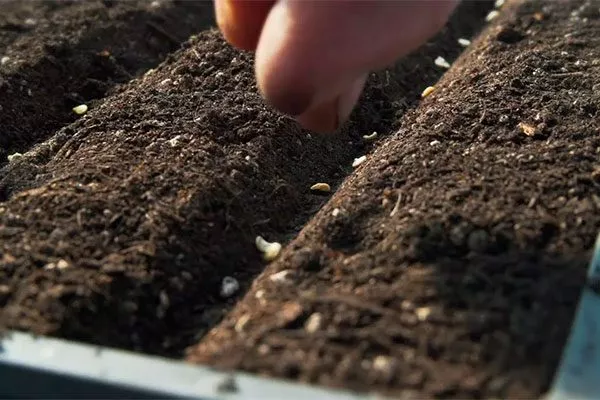
Sow seeds for seedlings in March or April, and transplant into the ground in May or June, after the last frost. The optimal planting pattern is 50x60 cm, which provides the plants with sufficient space to fully develop and prevents them from becoming overcrowded.
Since the bush can grow up to 2.5 m in height, trellises or other supports are essential. With proper care, the bushes quickly gain foliage and actively develop within the first few weeks after transplanting.

Basic requirements:
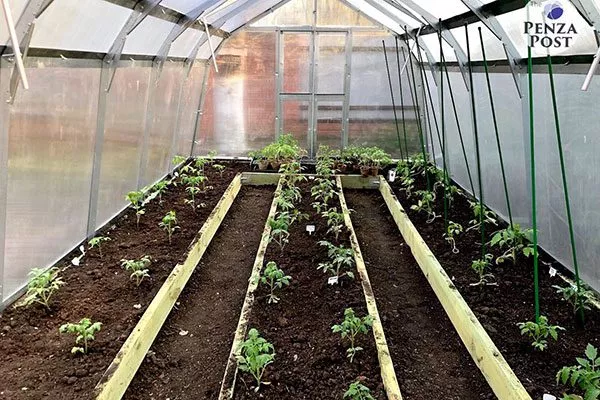
- When growing tomatoes in a greenhouse or under plastic cover, it's important to provide the plants with optimal conditions for growth and fruiting. Plant seedlings in protected soil in late April or early May, once the greenhouse temperature has stabilized above 16°C.
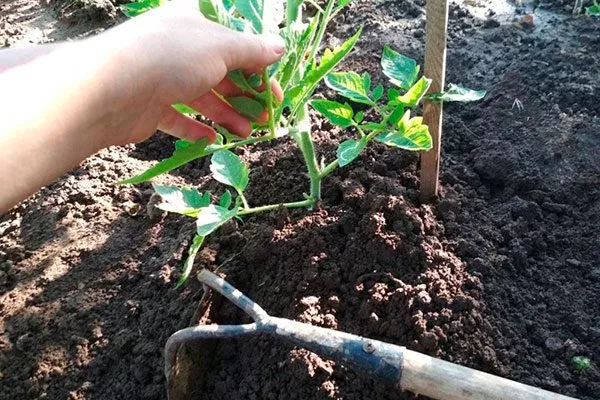
- Dig the soil in advance, adding humus, ash, and complex fertilizer. Before planting, water the holes generously with warm water. Plant the seedlings deep down to the first leaves, especially if they are stretched.
- Install supports or trellises immediately for tying, as indeterminate varieties quickly stretch out.
Care instructions
Plants respond well to complex fertilizers. At the beginning of growth, use nitrogen fertilizers to actively increase foliage, and once flowering and fruit formation begin, switch to phosphorus-potassium fertilizers.
Perform other agricultural practices:
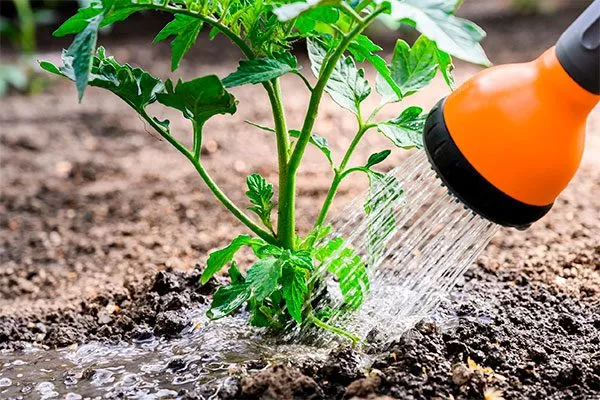
- Water tomatoes strictly at the roots 2-3 times a week, avoiding moisture getting on the leaves, especially in dry weather.

- The soil should be loose, fertile and neutral in acidity.
- To conserve moisture and reduce weed growth, mulch the soil with straw or compost. Staking the stems is essential, as heavy fruits can damage the plant without support.
The Memory tomato, despite its good resistance, can be susceptible to a number of common diseases and pests, especially if agricultural practices are not followed or conditions are unfavorable.
It is important to start fighting in a timely manner:
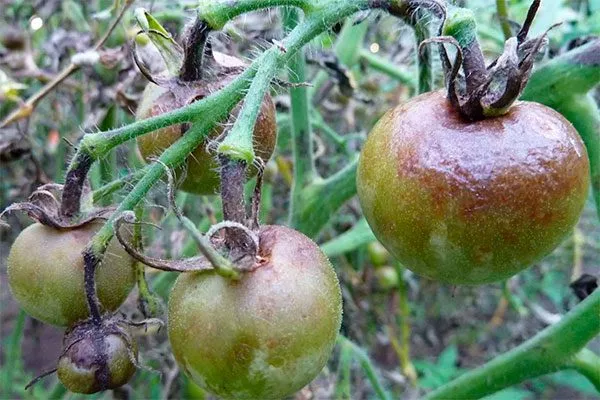
- Phytophthora - It manifests as brown spots on leaves and fruits and spreads rapidly in damp weather. To prevent the disease, it's important to maintain adequate ventilation in the greenhouse and avoid overwatering the soil.
At the first signs, use copper-based fungicides (for example, copper sulfate) or specialized preparations - Aktara, Hom.
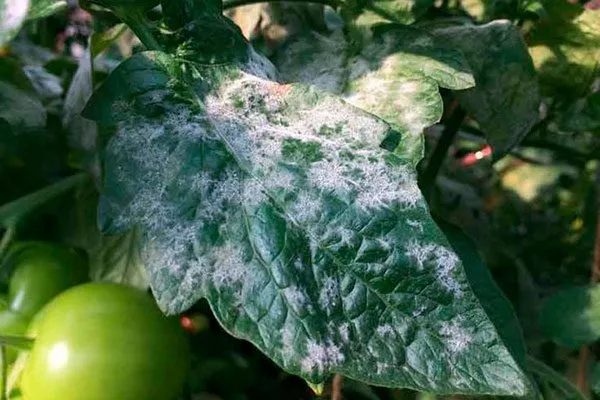
- Powdery mildew - White coating on leaves and stems. To control, spray with garlic or whey infusions, and in severe cases, use fungicides such as Topaz or Strobi.
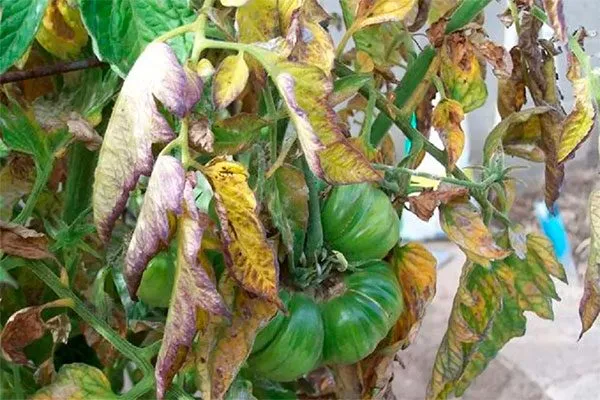
- Verticillium wilt – Causes gradual yellowing and wilting of leaves. Remove affected plants and disinfect the soil.
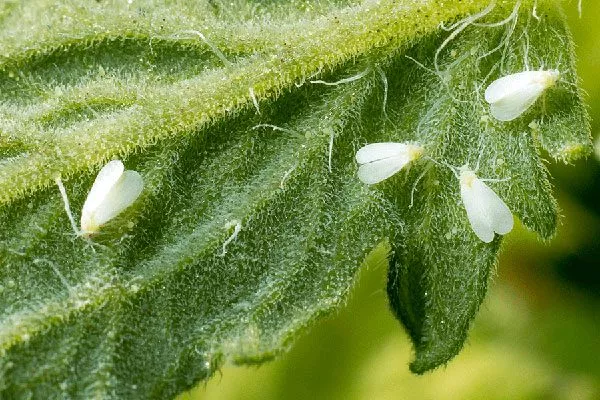
- Whitefly – Small white insects that feed on plant sap. Control involves regular ventilation, trapping belts, and spraying with insecticides (Aktara, Biotlin).
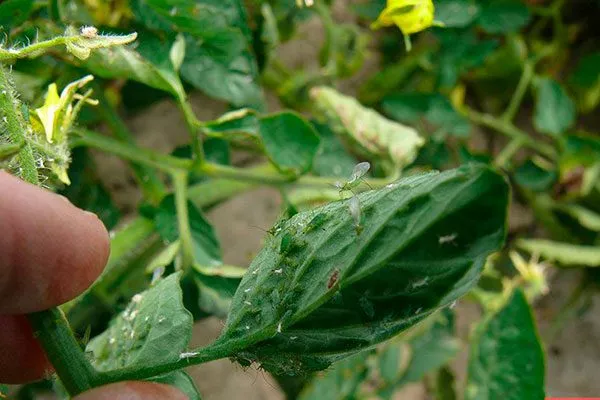
- Aphids - It multiplies rapidly in warm, humid environments. Folk remedies (nettle infusion, soap solution) and Actofit or Confidor preparations are effective.
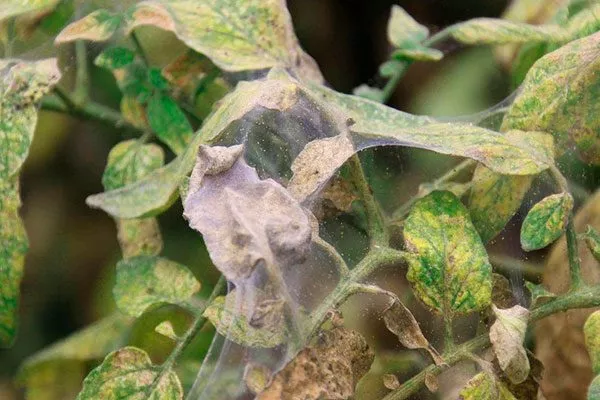
- Spider mite – It manifests itself as small spots and a fine webbing on the leaves. To combat it, use infusions of tansy, celandine, or Actellic or Fitoverm.
Maintain a proper watering schedule, ventilate the greenhouse, and avoid overcrowding. Regularly inspect the plants and remove any diseased or damaged parts. Timely fertilization and maintaining healthy plants will help reduce the risk of disease and pest attacks.
Reviews
The Pamyat tomato combines excellent flavor, attractive appearance, and versatility. Its large size, disease resistance, and long-lasting fruiting have made it a sought-after and popular variety in our country. It's an ideal choice for both beginner and experienced gardeners.