
The Palka tomato attracts gardeners with its unique appearance, as it's far from resembling the varieties we're accustomed to. This variety is prized for its high productivity, excellent tomato flavor, and minimal maintenance—the lack of side shoots significantly simplifies cultivation. The plant also boasts a strong immune system.
History and regionality
This variety was created by American breeders back in 1958. Despite its considerable age, it only became known in Russia in the early 2000s. It has not yet achieved widespread popularity, owing to its unusual appearance. It is not registered in the State Register of the Russian Federation.
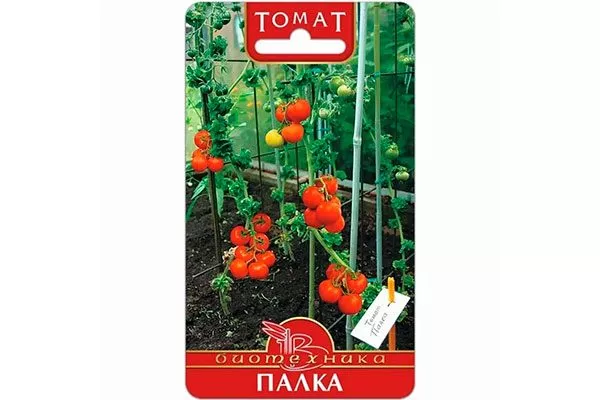
It's difficult to pinpoint the variety's exact adaptation zone to Russian conditions, as its selection was oriented toward the US climate. However, enthusiasts successfully grow the Palka tomato in various parts of the country: from Transbaikal to Krasnodar Krai, the Orenburg Region, and the Altai Mountains.
Alternative names include Stick, Curl Tomato, and Curly-Leaf Tomato. With proper care, this variety can produce fruit both outdoors and in greenhouses—either conventional or heated.
Description of tomatoes
If you're looking to surprise your neighbors with an unusual plant, consider the Palka variety. It attracts attention with its unique appearance and unconventional bush structure.
Bushes
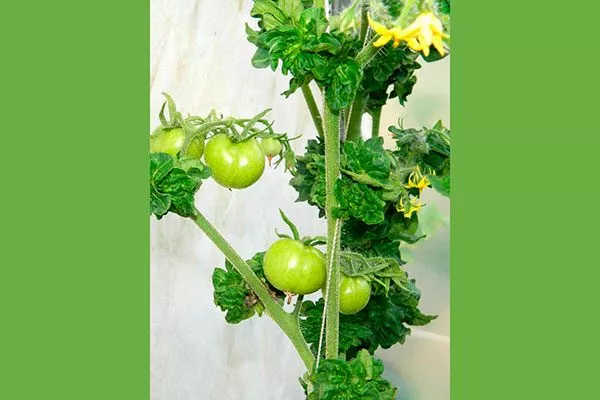
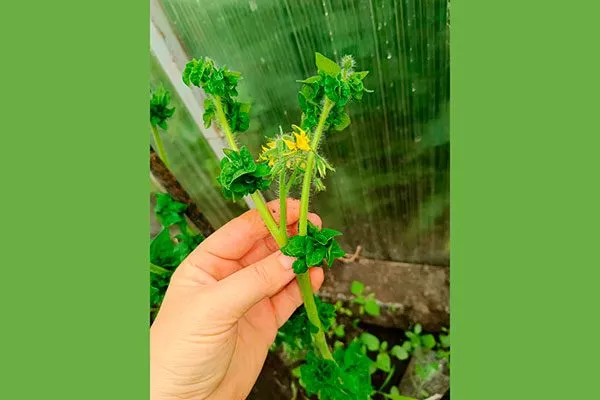
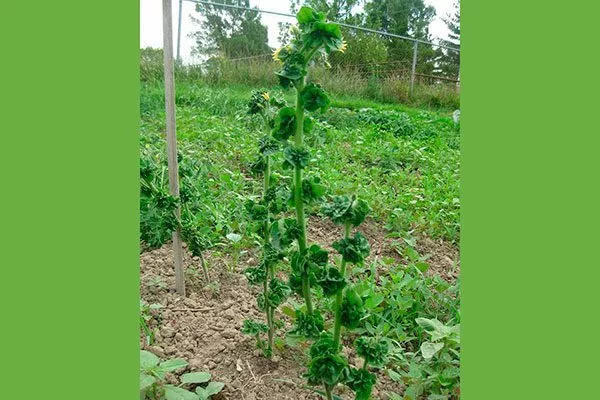
The plant is compact, with an upright, columnar trunk. Typically, no more than three stems form, each growing up to 120 cm. This semi-determinate variety is characterized by its unusual bush architecture.
Main features:
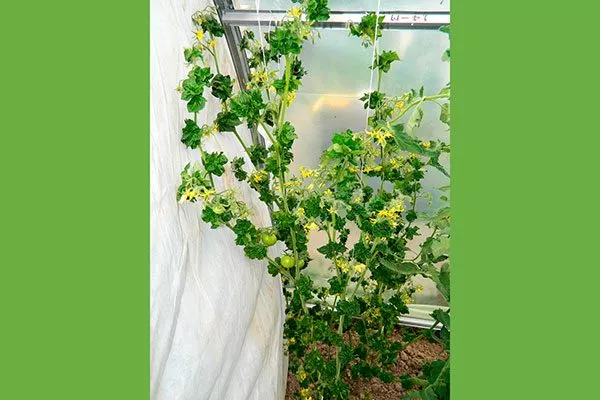
- the variety has virtually no lateral shoots;
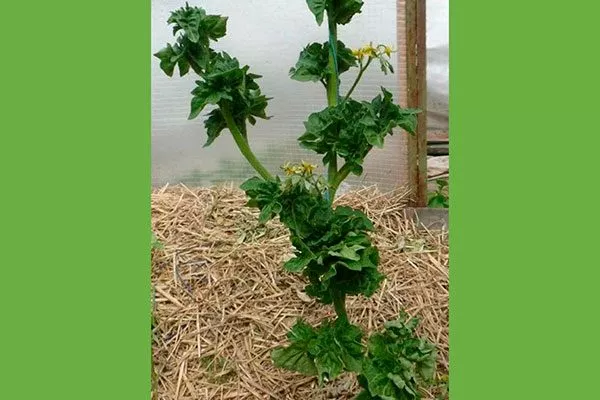
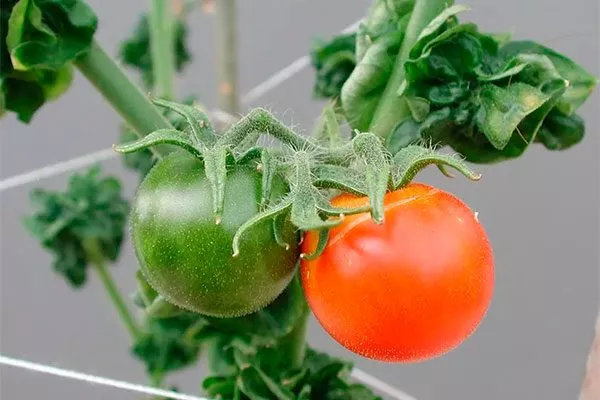
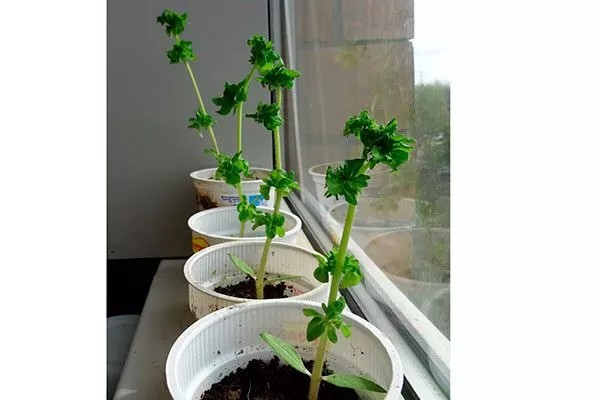
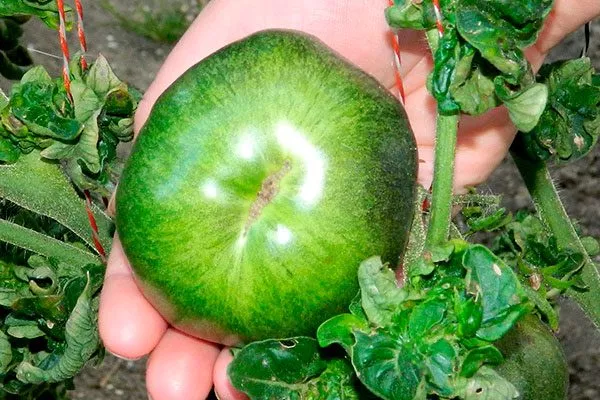
- there are very few leaves - they are small, hard, corrugated, collected in small bunches;

- inflorescences are simple, each producing up to six fruits;
- In general, up to five brushes develop on one stem, which gives the plant a characteristic strict and neat appearance.
Description of fruits
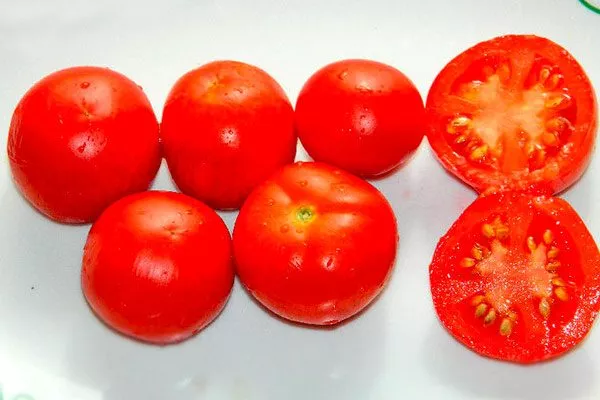
The tomatoes have a round shape and dense, fleshy flesh. They are firm to the touch, with a classic tomato flavor and a slight tartness. Unripe tomatoes are light green, and when fully ripe, they acquire a rich red color. Fruit weight ranges from 50 to 100 g.
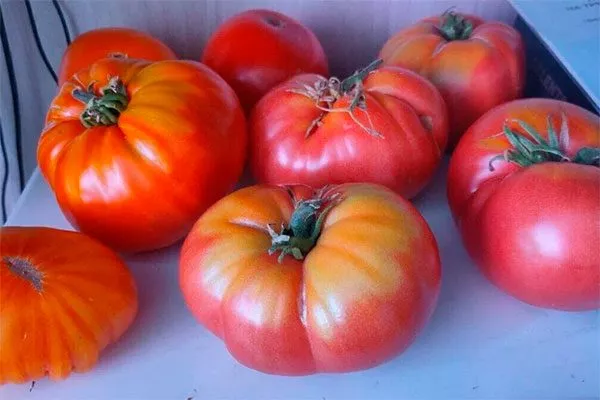
Thanks to their thick skin, the harvest is resistant to cracking and does not fall from the vines even when overripe. This variety is especially prized for its suitability for canning, but these tomatoes also look great in fresh salads.
Characteristic features
It belongs to the mid-season variety category—from germination to harvest, it takes approximately 105-110 days. However, productivity directly depends on the quality of the seed.
Distinctive qualities of the culture:
- Many gardeners planting this variety for the first time encounter wilted plants and poor yields, despite following all agricultural practices. When replanting from their own selected seeds, the situation improves significantly—up to 30 kg of tomatoes can be harvested per square meter.
- The stick tolerates drought well and exhibits high resistance to late blight and other typical nightshade diseases. However, complete protection from bacterial infections and pests is not guaranteed.
- The main threats are aphids, spider mites, Colorado potato beetles, and mole crickets—control of these is important to include in your maintenance plan.
Varieties of tomato Stick
The Palka tomato has several varieties, differing in fruit shape and color. All retain the characteristic columnar structure of the bush and minimal foliage, but differ slightly in flavor, ripening time, and yield.
Tomato Stick
Until recently, the curly-leaf tomato was represented by only one variety – the Stick variety, bred in the USA in 1958. This is a semi-determinate, columnar plant, reaching a height of 50 to 120 cm.
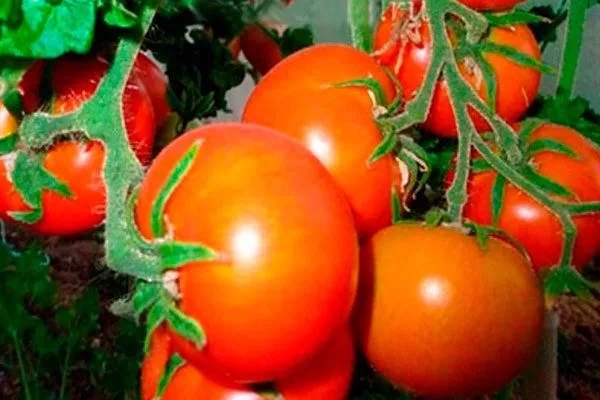
The ripening period is 105-110 days from germination. The fruits are round, dark red, weighing 30 to 100 g, and have a sweet and sour taste.
Blue Stick Tomato
The new Palka tomato variety was developed at a private Russian seed farm based on a classic American variety. Its main distinguishing feature is the unusual coloring of the fruit: the upper part takes on a dark purple, almost black, "tan," especially pronounced when grown in full sun.
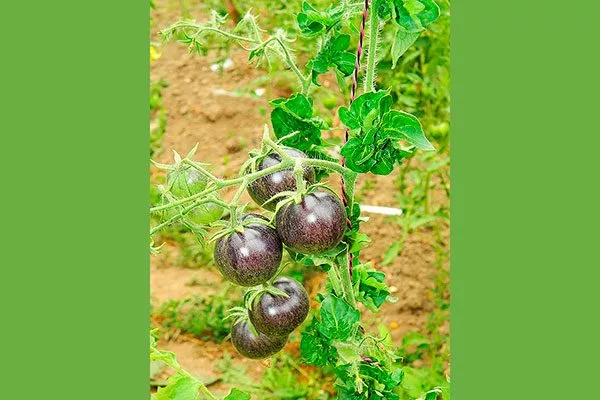
The tomatoes remain round in shape, with an average weight of 30-40g. Otherwise, the plant retains all the characteristic features of the original Palka—a columnar stem, sparse foliage, and a lack of lateral shoots.
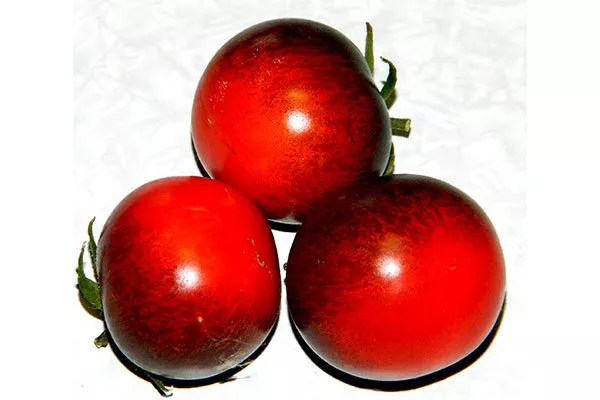
Tomato Stick Brown
Another exclusive variety, Palki, was developed by a private Russian seed farm. It is distinguished by its larger fruits—some specimens reach up to 150 g.
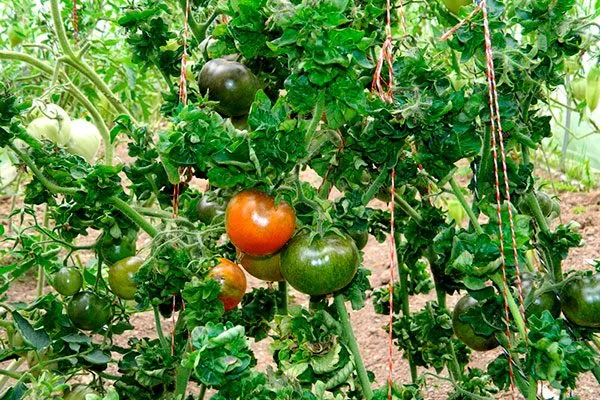
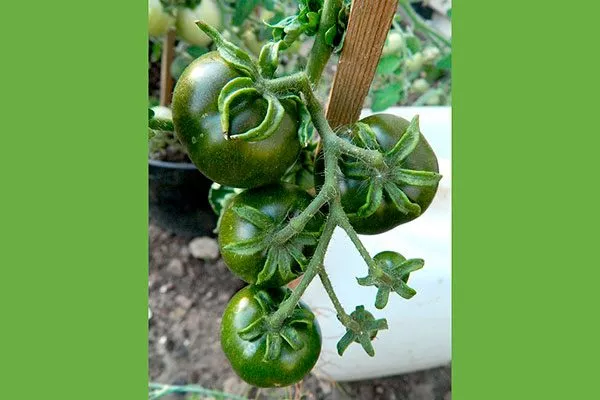
The main feature is its unusual color, which changes as it ripens: at the technical ripeness stage, the fruits are dark green with purple and yellow veins, then they acquire a multi-colored pattern with splashes of brown, red, yellow and purple, and when fully ripe they become brick-red.
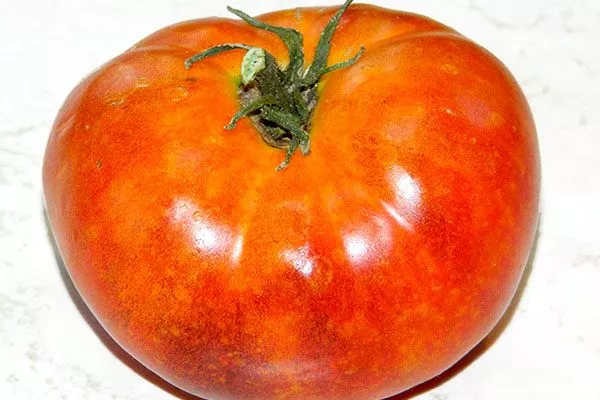
The sweet and sour flavor is complemented by light wine notes, resembling black-fruited tomatoes. Along with its decorative qualities, it retains the typical Palka bush shape and compactness.
Preparing your seeds
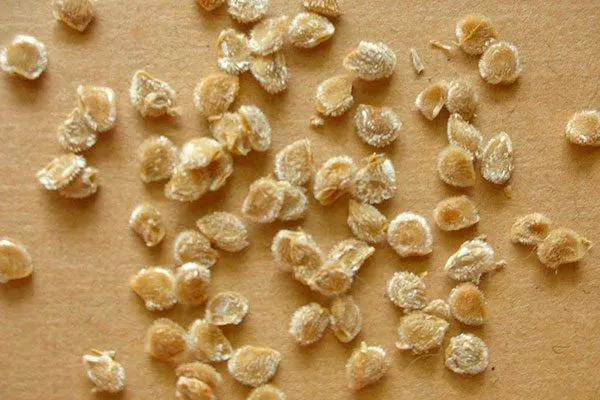
Palka is a variety, not a hybrid, allowing you to harvest your own seeds for the next season. This is especially important for gardeners looking to save money and ensure the quality of their seeds, as store-bought seeds don't always live up to expectations.
Step-by-step instructions for preparing planting material:
- Select the appropriate fruit. They should be fully ripe, taken from the second cluster. The best seeds come from so-called "female" tomatoes—they have a small indentation at the bottom.
- Disinfect. Rinse the tomatoes in a warm solution of potassium permanganate (pink) to kill any potential infections. Then leave them to ripen in a warm, dark place for 4-5 days.
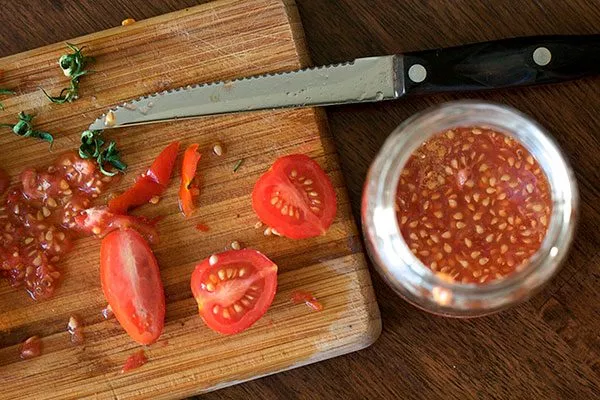
- Remove the seeds. Cut the soft fruit with a sterile knife and squeeze the pulp into a clean glass. Cover with a cloth and leave in a dark place.
- Do not add water. Even if there is little juice, you cannot add liquid, otherwise the grains will die.
- Wait for fermentation. After 2 days, a film and bubbles will appear on the surface - this is a signal that it is time to rinse.
- Wash the seeds. Add warm water, stir gently, and drain off excess liquid. Repeat rinsing until the water runs clear.
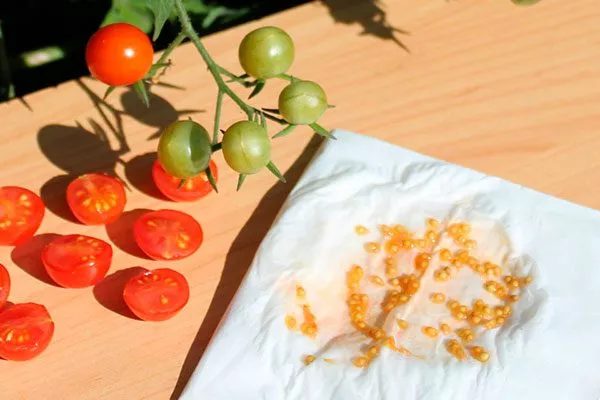
- Dry it. Place the seeds on a cloth to remove moisture, then transfer to a sheet of paper and leave until completely dry.
- Store properly. Place the dried beans in paper bags, labeling each one. Keep them in a dry, dark place.
Landing
The Palka tomato is grown from seedlings. Sow the seeds 60-65 days before planting in a greenhouse or open ground. Depending on your region's climate, sow from mid-February to the end of March.
First, prepare the planting material properly: disinfect it by soaking the seeds for 25-30 minutes in a solution of potassium permanganate or fungicidal preparations. To strengthen the plant's immunity and accelerate germination, treat it with growth stimulants such as Epin, Zircon, or Heteroauxin.
How to grow seedlings?
To grow Palka tomato seedlings, you can use regular garden soil or a specialized substrate purchased at a gardening store. Before planting, disinfect the soil by watering it with a solution of potassium permanganate.
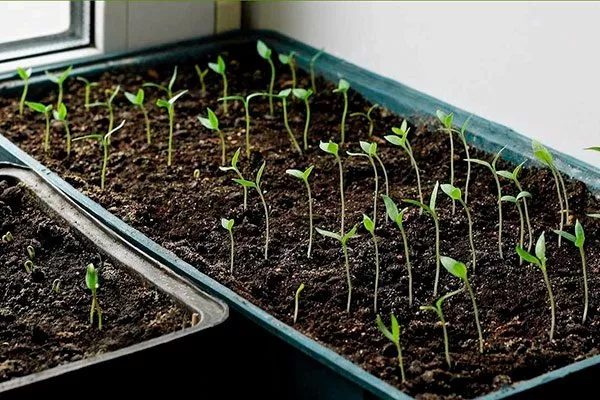
Start sowing seeds:
- Fill plastic containers, pots or boxes with the prepared substrate.
- On the surface of the soil, make furrows up to 1 cm deep, leaving a gap of 3-4 cm between them.
- Place tomato seeds in furrows at a distance of 1-1.5 cm from each other.
- Carefully sprinkle with a thin layer of soil.
- Cover the crops with glass or plastic film.
- Place the containers on a well-lit windowsill.
- After the first shoots appear, remove the cover.
When the sprouts have formed 2-3 curly leaves, the seedlings can be transplanted into separate containers.
Transplantation to a permanent location
Begin transplanting the seedlings after 14 days of hardening. To do this, take the containers with the seedlings out onto the balcony or outside for a few hours, then return them to a warm room at night. Once hardening is complete, leave the seedlings outside for 24 hours—then they can be planted in the ground.
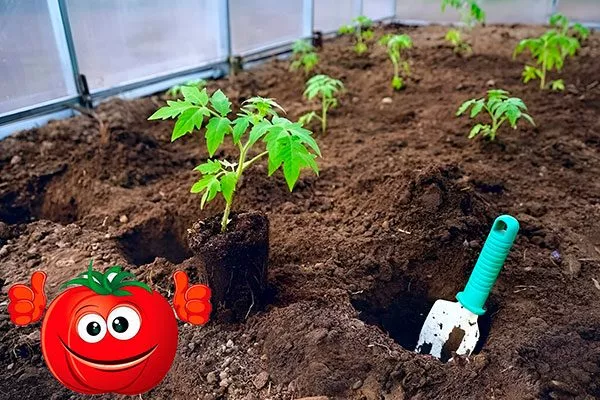
Basic planting recommendations:
- Transplant tomatoes only after the threat of frost has passed and the soil has warmed up well.
- Loosen the soil in the area and at the same time add organic fertilizers – wood ash or compost.
- The distance between planting holes should be at least 15 cm, and if you plant two seedlings in one hole, then increase the gap to 25-30 cm.
- The lack of lateral shoots and foliage allows for good ventilation and light even when planted densely—25-30 bushes are ideally placed per square meter.
- The best time for planting is evening or cloudy weather, which promotes better rooting of plants.
- Seedlings do not tolerate deep planting well, as this directs energy to root growth and slows the development of the above-ground part.
- Before transplanting, generously moisten the seedlings in containers with warm water so that they can be easily removed without damaging the roots.
Care in the ground
This columnar variety requires little care. The lack of leaves and side shoots makes it much easier to maintain. Standard cultivation practices are essential for good growth.
Watering and fertilizing
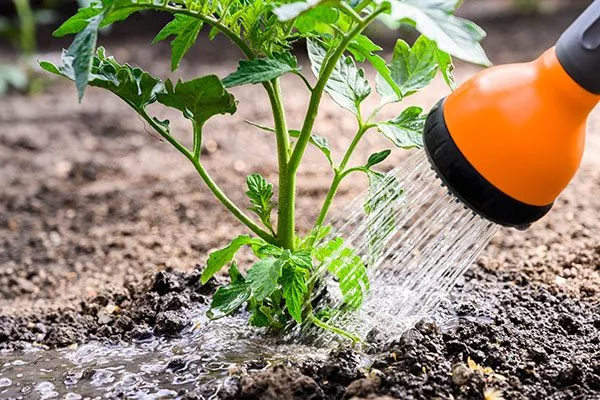
Irrigation should be regular and moderate to avoid overwatering, which can cause diseases. The best time to apply water is early morning or evening, so the moisture has time to be absorbed and doesn't remain on the leaves. The water should be warm and settled.
Apply fertilizer several times per season, alternating organic and mineral nutrients. To stimulate growth and fruiting, use complex solutions containing nitrogen, phosphorus, and potassium. Foliar feeding with photosynthetic stimulants and biopreparations is also beneficial to strengthen the plant's immune system and increase yield.
Shaping and garter
Although the manufacturer claims that structuring is not necessary, many gardeners hold a different opinion. During the first season, Palka is usually grown as a single stem, which is especially important for weak seedlings—a characteristic of this variety.
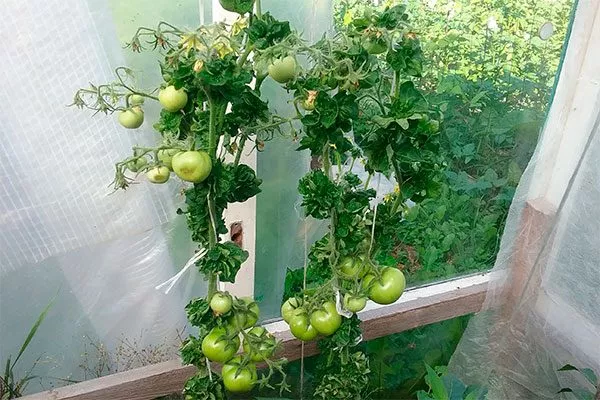
After the fourth cluster appears, pinch out the tops. In subsequent years, when growing from your own seeds, you can train the bushes into 2-3 stems, increasing the distance between plants. Remove any tough lower leaves.
Spraying
This variety has few, heavily curled leaves. This creates a number of challenges:
- the area responsible for photosynthesis and plant nutrition is reduced;
- It is difficult to detect the first signs of disease or the presence of pests in the folds of leaves.
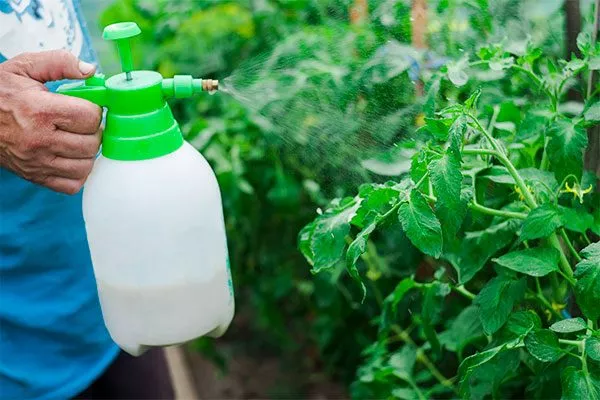
Therefore, apply the solution especially carefully, ensuring it reaches all the leaf folds. Apply foliar fertilizer regularly, and spray the bushes twice a season with photosynthesis stimulants, such as Ferovit or Nertus Photosynthesis.
Disease prevention and pest control
The Palka tomato is a highly disease-resistant variety. The plants are virtually immune to fungal or viral infections, and late blight is very rare.
The bushes are not very attractive to common tomato pests; insect infestations occur mainly due to improper care, including crop rotation and high humidity in the greenhouse.
Key recommendations:
- Be sure to carry out preventative spraying with biological preparations. Over-watering or prolonged drought conditions can reduce the variety's resistance.
- Very rarely, bushes can become infected with fungal infections, such as fusarium wilt or blossom-end rot. In such cases, use safe plant immunity boosters, such as Fitoverm or Fitosporin-M.
Pros and cons
Reviews
The Palka tomato is an excellent choice for those seeking a high-quality harvest with minimal effort. Its compact growth habit, high disease resistance, and low maintenance make it ideal for greenhouses and open ground cultivation. Its unique flavor and excellent shelf life make it suitable for both fresh consumption and processing.