
The Dachnik tomato attracts the attention of both novice and experienced gardeners who value its unpretentiousness, disease resistance, and excellent taste, making it ideal for canning, pickling, and fresh consumption.
Historical facts
Created in 1999 by breeders N. Gorshkova, I. Tarasenkov, and R. Bekov. The application for variety registration was submitted in 1996, but after three years of testing, Dachnik was included in the State Register.
Features and specifications
Dachnik is an early-ripening determinate variety, characterized by stable yields and high resistance to diseases, pests, and adverse environmental conditions. These qualities make it particularly valuable for commercial production.
Description of the plant
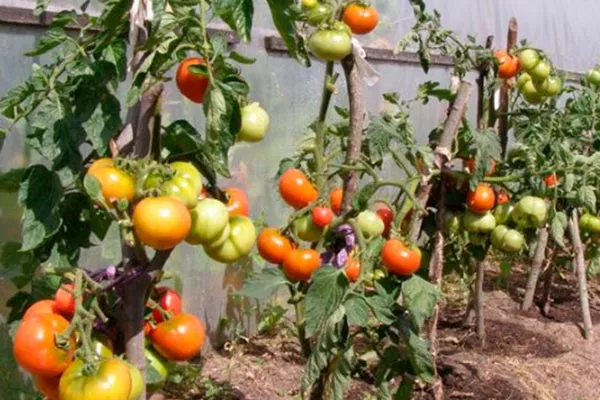
The stem reaches 40-55 cm in height, after which growth ceases. The shrub has a semi-spreading crown with moderate branching.
Other distinctive qualities:
- Stem – thick, strong and resilient, which is due to its adaptation to outdoor cultivation and ability to withstand various weather conditions.
- Root system – well developed, provides stability and nutrition to the bush.
- Leaves - Medium-sized, narrow and oblong, with a rich green color and a matte sheen. The leaf blade has a characteristic central division with noticeable veins, and large serrations along the edges. The surface is smooth, without roughness.
- ✓ Characteristic central division of the leaf blade with noticeable veins and large serrations along the edges.
- ✓ Racemose inflorescences with pale yellow buds that form up to 10 ovaries.
The inflorescences form in the internodes and are racemose. The buds are medium-sized and pale yellow. Each inflorescence produces up to 10 ovaries.
Fruits and their taste qualities
The tomatoes are small but smooth and flattened. There's slight ribbing at the base of the stalk. Each fruit weighs up to 95 g. The skin is firm, glossy, and the flesh is dense, juicy, and moderately soft. Up to four seed pods form inside.
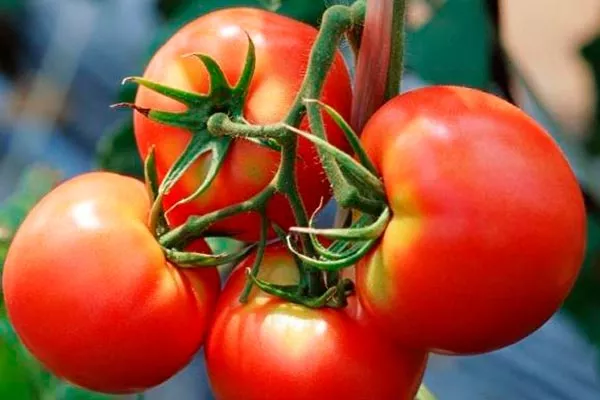
The tomatoes have a harmonious flavor, with vibrant sweet and sour notes. The fruits store well, are resistant to transportation, and are resistant to cracking, making this variety particularly suitable for commercial cultivation.
Ripening and fruiting
The Dachnik tomato is an early-ripening variety, with a ripening period of 95-105 days. Despite the rapid development of the vegetables, fruiting is spread out over time, allowing for small-batch harvesting.
The main harvest period is from July 15 to August 20. In southern regions, fruiting can begin as early as early July, while in the Ural latitudes it doesn't begin until August.
Productivity and yield rate
Without strict care regulations, Dachnik produces approximately 4 kg of fruit per bush. Due to its high transportability, this variety of tomato is widely used in commercial cultivation. The average yield is 251-347 centners per hectare.
Resistance to diseases and pests
The crop is characterized by resistance to blossom-end rot and low susceptibility to fusarium. Due to its early maturity, it is rarely affected by late blight, as evidenced by numerous reviews from gardeners. Even with nearby plants infected with late blight, Dachnik remains healthy.
To combat pests such as aphids and whiteflies, folk remedies are used, and in small areas, Colorado potato beetles are collected by hand, destroying their egg masses.
Where is it grown?
Recommended for cultivation in the North Caucasus region, but successfully grown in other areas as well. It has shown good results in central Russia, the south of the country, Moldova, and Ukraine.
Resistant to adverse conditions and diseases, making it suitable for open ground in various climatic zones.
Scope of application
Dacha Delicacy tomatoes are intended for fresh consumption. They are used in salads, vegetable platters, sandwiches, and other appetizers. The small tomatoes are ideal for sun-drying. They are also prepared in the traditional way – as pickles and marinades.
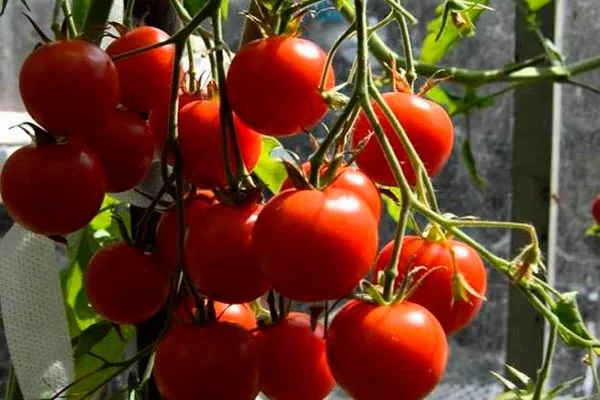
Thanks to its tough skin, the fruits retain their shape for a long time. This variety is not used for making lecho, caviar, or tomato juice.
Growing rules
The gardener's arugula is most often grown using seedlings, first sowing seeds. Once established, the bushes are transplanted into open ground or greenhouses at 45-50 days old.
In the southern regions, direct sowing into the ground is practiced during the second crop rotation – in July, which allows harvesting until October.
Soil requirements for planting
The crop thrives in moderately heavy, fertile soil. For growing seedlings, you can use ready-made soil from specialty stores or prepare your own by adding well-rotted manure to your garden soil.
- ✓ The soil acidity level should be strictly within the range of 5.5 to 6.7 for optimal absorption of nutrients.
- ✓ It is essential to have drainage in the soil to prevent water stagnation and root rot.
Before transplanting seedlings into the beds, dig up the soil and add organic fertilizer. The best precursor crops are cucumbers, legumes, carrots, or onions.
Soil preparation
Light soils with a pH of 5.5 to 6.7 are suitable for growing Dachnik tomato seedlings. For successful seed germination and the development of a healthy root system in the early stages, use the following components:
- heavy garden soil;
- turf soil;
- peat;
- humus;
- sphagnum moss;
- leaf soil;
- sand;
- perlite;
- ash.
The most common compositions:
- Sand-peat mixture: sand and peat in equal proportions.
- Peat-based mixture: 5 parts peat, 0.5 parts wood ash and 1 part sand.
- A mixture of turf and leaf soil: 6 parts leaf humus, 6 parts turf soil, 8 parts sand and 1 part perlite.
Do not use undecomposed plant residues, fresh manure, or unrotted hay dust, as these components can become a source of infection, leading to disease and death of seedlings.
Seed preparation
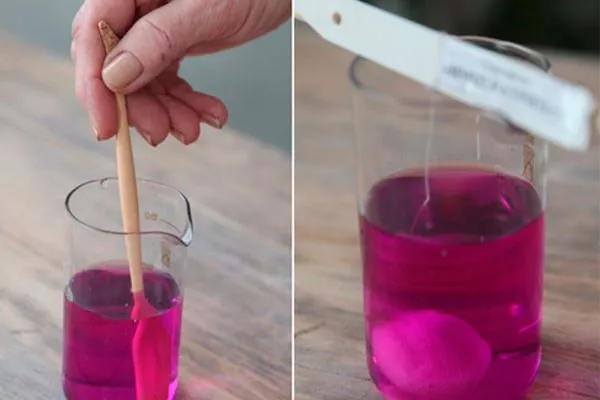
Plant seeds no earlier than mid-March. Pre-treat the seeds by soaking them in a weak solution of potassium permanganate for 20 minutes, then soaking them in a growth stimulant for a couple of hours.
Sowing rules
Sow seeds in the second half of March. Use small plastic or peat cups to grow seedlings.
The depth of seed planting should not exceed 2 cm, otherwise germination will be delayed.
Caring for seedlings
Caring for seedlings includes regular watering, maintaining a temperature of 22-24°C, and good lighting. Fertilize with a high-nitrogen mineral fertilizer every three weeks.
Picking
Prick out Dachnik tomato seedlings when 1-2 true leaves appear. To do this:
- Fill new cups or pots (at least 12 cm in diameter) with the same soil as in the container, to 2/3 of the height.
- Carefully remove the strongest shoots with roots.
- Transfer to new containers, lightly cover the roots with soil and moisten.
Before transplanting outdoors, fertilize the seedlings twice with a liquid humate complex for vegetable crops. Seven to 10 days before transplanting, harden them off by gradually increasing the time the plants are exposed to fresh air to 2-3 hours, starting with 20 minutes.
Planting in the ground
Plant seedlings in open ground under temporary plastic cover in early May, and in heated greenhouses starting in the second ten days of April. Don't delay transplanting to avoid exposing plants to disease.

Transplant the plants to an uncovered area once the soil warms to 11-13°C at a depth of 10 cm. Dig the holes in a staggered pattern or in rows if you plan to tie them to a trellis. The optimal distance between plants is 35x40 cm or 40x50 cm.
Further care
Although the Dachnik tomato variety is easy to grow, proper care is essential for a high yield. It's important to follow standard agricultural practices to strengthen the plant's immune system.
Spraying, watering
Overwatering can be just as harmful to tomatoes as overwatering. Therefore, consider the weather conditions in your region. If rainfall is infrequent, water the plants once a week, using a sufficient amount. The water should be settled and at a temperature of 20-23°C.
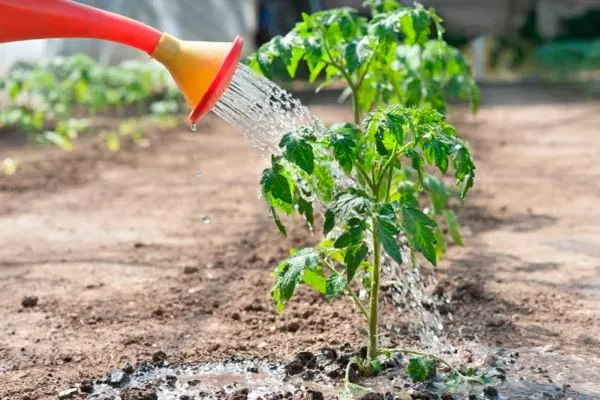
Water directly at the roots, avoiding contact with the leaves to prevent rot. Increase the frequency during the fruit set and formation phase. Monitor the soil and prevent it from drying out, otherwise you risk losing a significant portion of the harvest.
Top dressing
To stimulate the growth and development of seedlings, apply fertilizer regularly. This will help accelerate growth and increase yields. Ideally, apply fertilizer every 2-3 weeks, alternating between organic and mineral fertilizers.
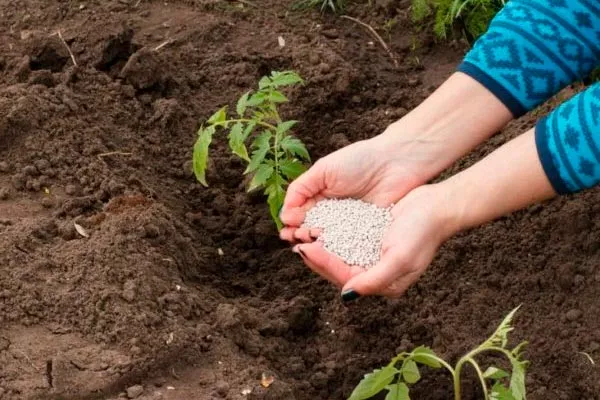
Bird droppings are a good organic fertilizer. For minerals, prepare a nutrient solution with a small amount of nitrogen added.
Tying up and pinching out side shoots
Pinching out side shoots is not necessary for the Dachnik variety, making it popular, especially for mass planting. However, if you have time, remove any excess side shoots, leaving 2-3 main stems. This will speed up ripening and promote larger tomatoes.
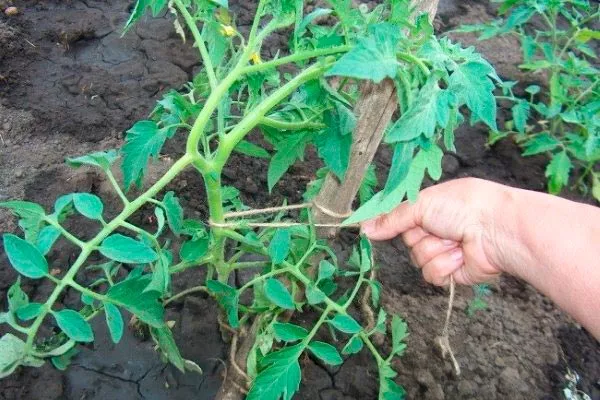
Staking is essential. Although the bushes are low-growing, they produce fairly heavy vegetables, causing the branches to droop toward the ground, which can lead to tomato rot. Drive a stake into the ground 10 cm from the bush, deepening it to a depth of 40-45 cm.
Loosening the soil and weeding
The crop requires nutritious soil, which is essential for the development of both the root system and the fruit itself. To ensure healthy growth, weed regularly. This not only eliminates competition for nutrients but also promotes better soil moisture retention.

Loosen the soil periodically to saturate it with oxygen and get rid of weed roots.
Harvesting and storage
Tomato clusters ripen almost simultaneously. After harvesting, decide immediately how you'll use the harvest—for salads, other dishes, processing, or canning.
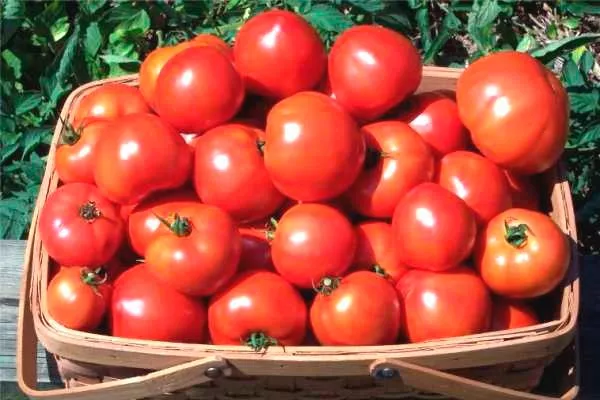
Tomatoes of this variety don't keep long at room temperature, so it's best to refrigerate them, where they'll retain their nutritional value and appearance for up to 3 weeks. If any tomatoes are damaged or spoiled, remove them immediately.
Prevention of diseases and pests
The crop has a strong immune system, but experienced gardeners recommend preventative measures to ensure a high-quality harvest. Take care of this even during the seedling stage. Use the following:
- Bordeaux mixture (0.5%). Carry out the treatment after planting the seedlings at intervals of 14 days, increasing the concentration to 1% until the tomatoes begin to ripen.
- Copper sulfate. It's an effective solution, but avoid using concentrated solutions due to its high toxicity. Copper oxychloride (40 g per 10 liters of water) is also effective.
- Calcium nitrate. Dissolve 10 g of the product in 10 liters of water. This product helps combat blossom-end rot. You can spray it or apply it to the roots once a week.

Folk remedies are also popular:
- Garlic and potassium permanganate. Dissolve 1 g of potassium permanganate and 1 cup of garlic in 6 liters of hot water. Spray the plants 2 weeks after planting, then every 10 days.
- Kefir. For the solution, mix 1 liter of kefir with 10 liters of water and treat the bushes 2 weeks after planting.
- Wood ash. Sprinkle the leaves with ash through a sieve, repeating the treatment every 5 days.
It's important to keep the soil around the plants moist. To improve protection against diseases and pests, plant nearby plants that will provide additional moisture and shade, such as parsley, dill, or onions.
Pros and cons
It's important to understand all the characteristics of the crop before planting. The Dachnik tomato variety has gained popularity due to its many advantages:
- early ripening of tomatoes;
- high resistance to diseases and various growing conditions;
- easy to care for;
- stable and abundant harvest;
- good taste;
- versatility of use and good preservation of fruits.
However, the variety does have a few drawbacks. These include a less pronounced vegetable flavor and less striking visual characteristics. However, for most gardeners, these drawbacks are not a significant issue.
Identical varieties
| Name | Ripening period | Disease resistance | Soil type |
|---|---|---|---|
| Apple tree of Russia | Early ripening | High | Moderately severe |
| Muscovite | Early ripening | Average | Lungs |
The Dachnik tomato shares characteristics with several other determinate varieties, but it also has its own unique characteristics. Here are a few similar varieties:
- Apple tree of Russia. This early-ripening variety is suitable for both greenhouses and open ground. It requires pinching and staking. The bushes reach a height of 1.3 m, yielding 5.3-5.6 kg per square meter. Fruiting is spread out, adding flexibility to harvesting.
- Muscovite. A low-growing, early variety that's ideal for growing in open ground. It's a versatile tomato variety. With proper cultivation practices, yields reach 1.5 kg per plant.
- Muscovite. A low-growing, early-ripening variety with versatile fruit use. It's ideal for outdoor cultivation and is characterized by good resistance to environmental factors.
With proper cultivation practices, yields reach 1.5 kg per bush. Moskvich is ideal for a variety of culinary uses, including canning, salads, and sauces.
Tomatoes of these varieties tolerate transportation well, have a long shelf life, are not prone to cracking and crumbling, and are resistant to fusarium and blossom-end rot.
Reviews
The Dachnik tomato has become popular among both novice and experienced gardeners due to its low maintenance and high productivity. It's ideal for those looking for a stable, disease-resistant variety that requires little care and produces high-quality fruit in any weather conditions. The key is comprehensive and consistent care to ensure bountiful harvests.