
The Eagle's Beak tomato has received numerous rave reviews from both novice and experienced gardeners. It boasts excellent varietal characteristics, is easy to care for, and is characterized by high productivity and disease resistance. Gardeners choose this variety for both small gardens and large-scale commercial production.
History of creation
The variety was developed by Russian breeders Dederko, Yabrov, and Postnikov. It was added to the State Register in 2005.
Eagle's beak is suitable for cultivation throughout the country and thrives in a variety of climates. It is suitable for both open-field and greenhouse cultivation.
Description of the bush and fruits
This is a medium-sized, non-standard plant. It is robust, spreading, and heavily branched, reaching 120-150 cm in height. Without pinching or growth regulation, it can reach over 2 m.
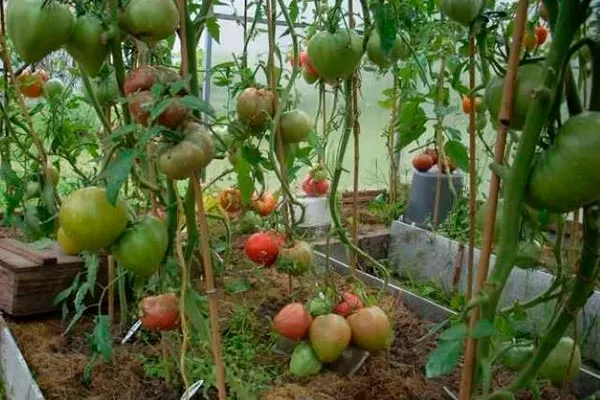
Distinguishing characteristics:
- The strong stems are covered with large green foliage.
- Simple inflorescences first appear above the 10th leaf, and subsequent ovaries are formed every three leaves.
- The tomatoes have a heart-shaped form. They truly resemble the massive beak of a bird of prey, hence the variety's name.
- The tomatoes are slightly ribbed and green when unripe, with a distinctive spot near the stem. When ripe, the fruits are pink and large.
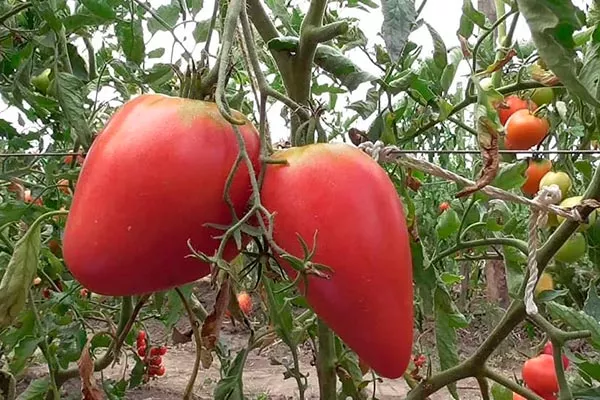
The fruit weight varies from 228 to 260 g, but with intensive agricultural technology they can reach 600 g. One bunch usually contains 6 to 8 fruits.
Characteristics of the Eagle's Beak variety
This striking example of an indeterminate variety is highly prized by gardeners. Its popularity is due to its impressive yield, attractive appearance, excellent taste, and resistance to adverse environmental conditions.
Taste and uses of tomatoes
The vegetables have dense, meaty, and sugary flesh with minimal voids. The flavor is harmonious, sweet, with a subtle tartness. Ripe fruits are covered with a flexible yet firm skin, ensuring long-term storage, the ability to ripen at home, and easy transport.
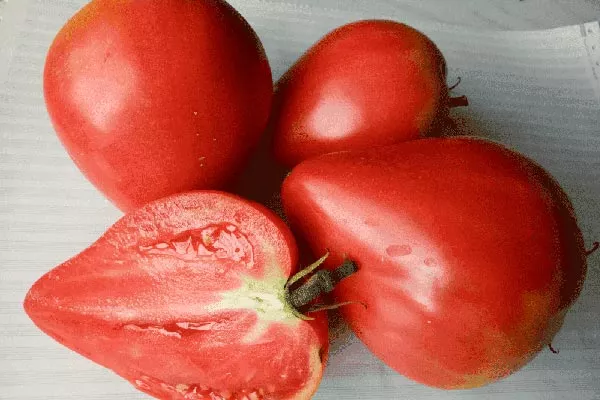
Tomatoes are ideal for making sauces, pastes, ketchups, lecho, and summer and winter salads. However, due to their large size, they can only be preserved sliced, as they don't fit whole into jars.
Maturation and productivity
This is a mid-season variety: the harvest ripens 105-110 days after the first shoots emerge. The tomatoes ripen gradually, with the first specimens appearing in July, and with proper care, harvesting continues until September.
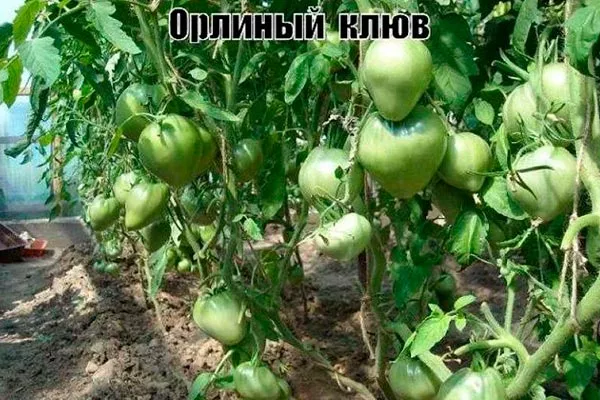
This variety is prized not only for its flavor and attractive appearance, but also for its high yield. Under the right conditions, it can yield between 10.5 and 14.4 kg per square meter. Each bush yields an average of at least 4 kg of tomatoes.
Growing regions and climate
The bushes are successfully cultivated throughout almost all of Russia due to their adaptability. The variety is suitable for temperate climates, including the central part of the country.
This variety is grown in cooler regions, including Siberia and the Urals. In these cases, planting in greenhouses or under cover is recommended to protect the plants from sudden temperature fluctuations and frost.
In southern regions, Eagle's Beak thrives in open ground. The warm climate and long daylight hours promote earlier ripening and increased yield.
Resistance to diseases and pests
The bushes have strong immunity to major infectious diseases, including late blight, fusarium and tobacco mosaic.
However, for additional protection, regular treatment of the crop with special products intended for nightshade crops is important.
Growing rules
The Orliny Beak variety is characterized by simple, yet consistent, cultivation practices. The plant's yield depends on the quality of all stages: seed preparation, planting and transplanting of seedlings, and subsequent care.
Preparing seeds for sowing
Before planting the seedlings in the soil, it's important to prepare them. You can use a ready-made soil mix from the store or make your own. To do this, follow these steps:
- Warm the soil from the garden in the oven at a temperature of about 70°C.
- Add equal parts of humus, sand, peat and wood ash.
- For additional disinfection, treat the soil with a solution of potassium permanganate.
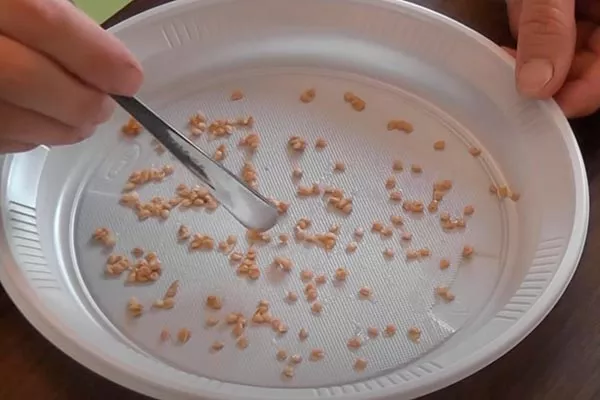
Preparation of planting material includes the following stages:
- Sorting: Remove small and damaged specimens.
- Hollowness check: Place the seeds in a saline solution (1 tablespoon of salt per 1 liter of water) for 10-15 minutes, remove any that float to the surface.
- Disinfection: Soak suitable seeds in a 1% solution of potassium permanganate for 30-40 minutes.
Rinse the grains thoroughly under running water, place them on a saucer, cover with a damp cloth and leave in a warm place until completely dry.
- ✓ Optimum temperature for seed germination: +20-25°C.
- ✓ Distance between plants when planting: 50-70 cm.
- ✓ Seed planting depth: 1-1.5 cm.
Planting seeds in boxes
After germination, plant the seedlings in containers with prepared soil. To do this, dig small holes 1-1.5 cm deep, spaced 3-4 cm apart. The optimal time for sowing is March to April, so that the seedlings can be transplanted to their permanent location after 60-65 days.
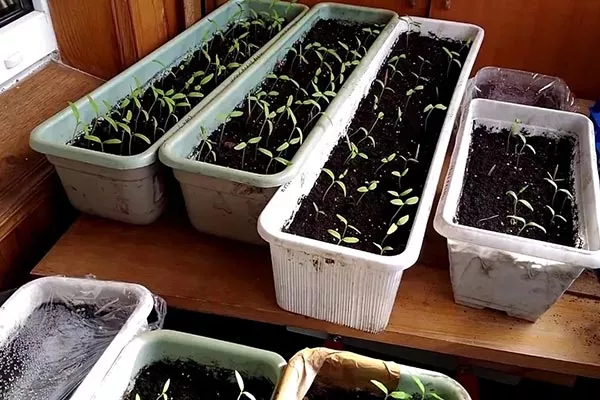
When choosing a time, consider the climate in your region. Place the seedling containers on a well-lit windowsill. For successful growth, the temperature should be between 20-25°C.
Picking seedlings and hardening
Once the seedlings have two true leaves, it's time to transplant them into individual containers. This is an important step that promotes root development and strengthens the plants.
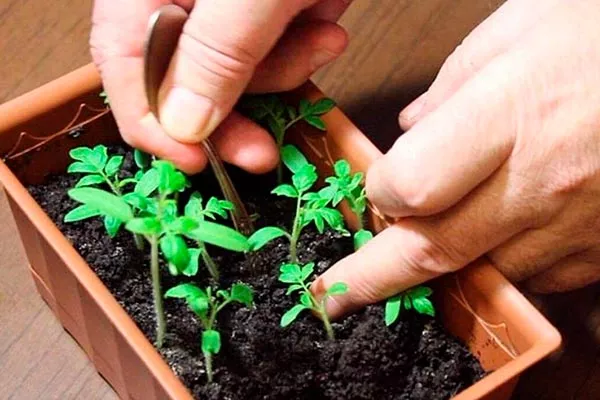
For transplanting, use cups or small pots with good drainage. Gently pull the seedlings out, being careful not to damage the roots, and replant them in prepared soil.
Hardening off is the process of acclimating seedlings to harsher environmental conditions before transplanting them into open ground or a greenhouse. Follow these recommendations:
- 7-10 days before the planned planting, begin taking the seedlings outside into the fresh air, gradually increasing the time spent outside.
- Start with 1-2 hours a day, gradually increasing the duration.
This procedure helps strengthen the plants, making them more resilient to temperature fluctuations and improving their adaptation to new conditions. Avoid sudden temperature changes and strong winds to prevent damage to the young shoots.
Tomato transplant
Transplant Orliny Beak seedlings to their permanent location only when the weather is consistently warm, spring has arrived, and there are no night frosts. You can place them in a greenhouse from early May, and in the open ground until early June.
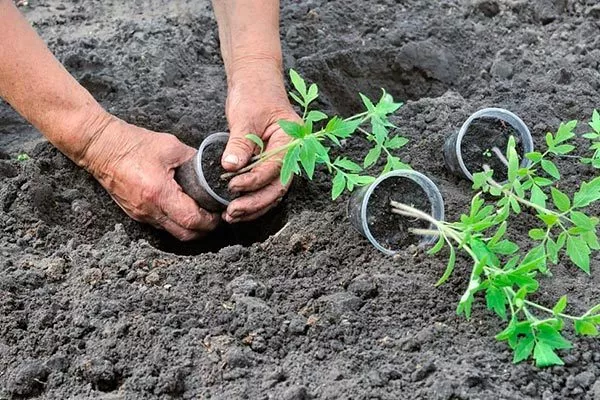
Before replanting, thoroughly prepare the soil in the beds: loosen it, dig holes, and fill them with humus and potassium-phosphorus fertilizer. Plant the bushes in any pattern you like, but it's important to have no more than three seedlings per square meter.
It's best to plant tomatoes in rows spaced 50-70 cm apart. The crop doesn't tolerate overcrowding: planting plants too close together can lead to reduced yields.
Aftercare of tomatoes
Once seedlings are planted in the ground, caring for them becomes key. Proper care promotes their successful development, strong roots, and maximum fruiting. Standard agricultural practices are essential.
Forming a bush, tying and pinching out side shoots
Experienced gardeners recommend training the plants into two stems, which will help increase productivity. When the plants have eight or nine leaves, the first cluster with ovaries appears. Remove side shoots that interfere with shoot development and fruit ripening.
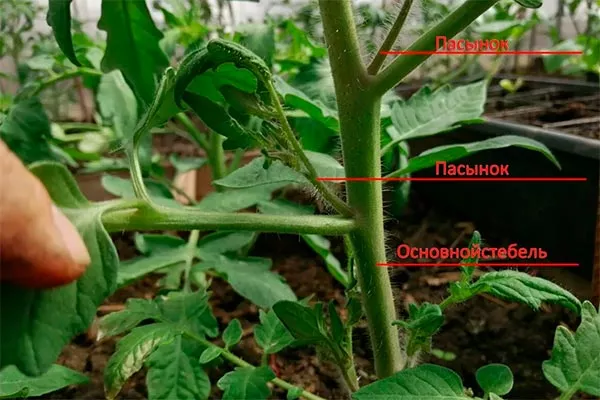
Tomatoes of this variety grow quite tall, so to prevent them from touching the ground, secure the stems to a support rail or tie them with tape or twine to the top beams of the greenhouse.
Watering
Water Eagle's Beak tomatoes based on how dry the soil becomes, taking into account air temperature and weather conditions. Because tomatoes grow large on the vine, they require more watering than other varieties.
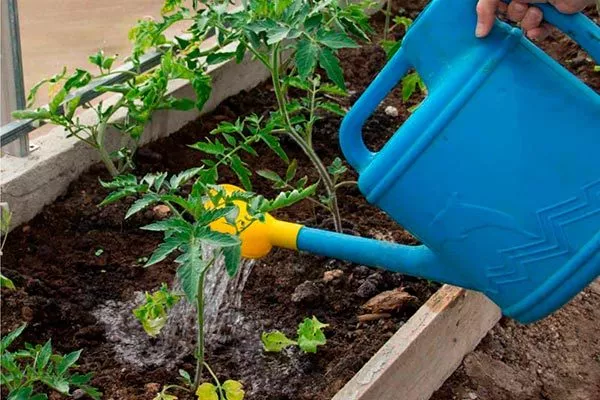
Water the plants twice a week, but thoroughly. Use warm, settled water, applying it only to the roots, avoiding drips on the leaves to prevent burning.
Top dressing
To ensure a good harvest, fertilize your plants regularly. Follow this schedule:
- Two weeks after transplanting to a permanent location Feed the seedlings with an ash solution. To prepare it, boil 1 liter of ash in 10 liters of water and water the seedlings with the cooled solution, using 0.5 liters per seedling.
- During the period of growth and fruiting Fertilize the bushes 3-4 times with complex substances, alternating organic and mineral fertilizers.
- After flowering begins Do not use nitrogen solutions to avoid excessive growth of green mass instead of fruit formation.
The first three lower clusters of Eagle's Beak tomatoes bear fruit until September. If the month is warm, the plants continue to grow; if it's cold, growth slows. The tomatoes on the upper clusters begin to fill out after the tomatoes on the lower clusters have ripened.
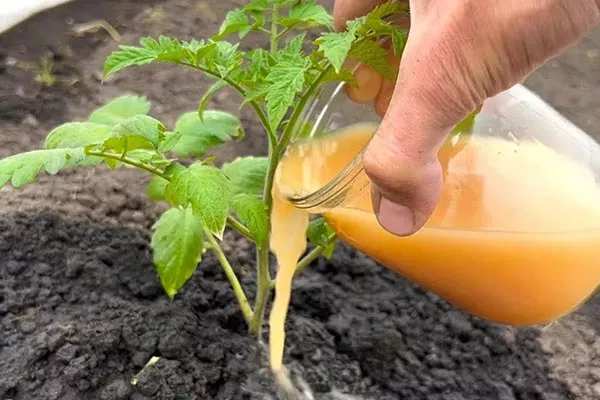
To increase the sugar content and shelf life of fruits, apply a foliar spray of iodine-boron solution to the plantings. To prepare it, dilute 0.5-1 teaspoon of boric acid in 10 liters of hot water, then add 50 drops of iodine tincture. Spray the bushes in cloudy weather to prevent leaf burn.
Mistakes when growing
Often, problems arise from the failure to remove side shoots in a timely manner. Even slight overcrowding can lead to reduced fruiting. Uncut lower leaves also have a negative impact, shading the fruit and preventing their normal development by limiting light.
Some gardeners strongly recommend picking tomatoes of this variety before they are fully ripe. However, this can result in the fruit's flavor being less intense, with a noticeable tartness.
Pest and disease control
The Eagle's Beak tomato variety is characterized by good resistance to pests, but they can often be subject to various problems:
| Disease/Pest | Symptoms | Treatment |
| Late blight | Water-soaked spots appear all over the plant. Leaves turn yellow and dry out. | Use of fungicides Ridomil Gold and HOM. Removal of affected parts. |
| Powdery mildew | A white, powdery coating on leaves and stems, leading to yellowing and drying out. | Treatment with fungicides Topaz and Fundazol. Elimination of infected areas. |
| Verticillium wilt | The leaves turn yellow and wither, the bushes dry out completely. | Use of fungicides, removal of damaged plants, crop rotation. |
| Fusarium wilt | Lethargy, yellowing and dying of the tops, darkening of the roots. | Spraying with fungicides, pruning affected areas. |
| Mosaic | Yellowing and deformation of leaves, spots and stripes appear on them. | Removal of infected plants. Use of insecticides to control virus vectors. |
| Spider mite | Whitish spots on all areas, cobwebs on shoots and fruits, leaves turn yellow and fall off. | Treatment with acaricides Neoron and Fitoverm. Regular ventilation of the greenhouse. |
| Aphid | The leaves curl and sticky secretions appear on them. | Control with effective insecticides such as Aktara and Confidor. Use of natural enemies. |
| Colorado beetle | Tomato leaves are damaged, holes appear on them, and eggs and larvae appear on the underside. | Manual collection of beetles, spraying with insecticides Protect, Actofit. |
To protect plants from insects and diseases, use the following means:
- Arrivo;
- Karate Zeon;
- Decis Expert.
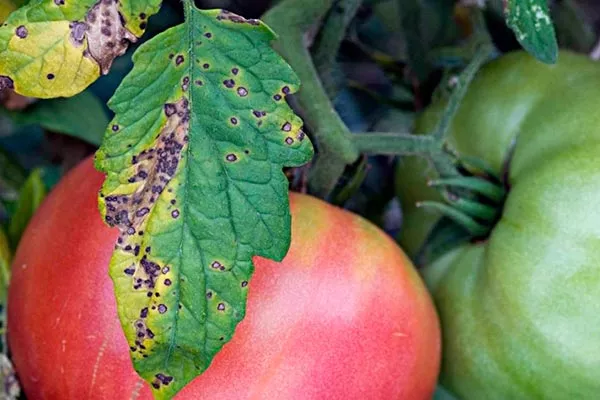
Effective folk remedies include tobacco dust, wood ash, onion peel, soap solution, celandine, and chamomile infusion.
Collection and storage
Begin harvesting tomatoes in mid-July, when they reach maturity. Tomatoes ripen gradually, so harvest several times depending on the condition of the vegetables.
Helpful tips:
- To preserve the maximum amount of vitamins and taste, pick tomatoes as soon as they begin to turn red, even if they are not yet fully ripe.
- Tomatoes can ripen if they're picked from the vine when they're slightly pink. This is especially important if cool nights are approaching or rain is expected.
- To store your harvest, choose a dry, cool, well-ventilated location. Ideally, place them in cardboard boxes or wooden crates where the vegetables don't touch each other. The location should be protected from direct sunlight to prevent overheating and rotting.
- If you want to store the harvest for a long time, place it in the refrigerator or a room with a temperature of +10-15°C.
- Use processing methods, such as canning (salads, ketchup, sauces) or freezing, which will extend the shelf life and delight your family with prepared foods during the winter.
Eagle's Beak tomatoes retain their flavor and nutritional properties well for several weeks.
Collecting seeds for seedlings
To harvest seeds for future seedlings yourself, you need to select the right fruits. Follow these guidelines:
- Pick tomatoes from healthy bushes.
- Only those tomatoes that grow on the lower branch are suitable for harvesting.
- Vegetables should be fully ripe, but not overripe.
Follow these steps:
- Cut the ripe fruit into slices and use a spoon to extract the seeds and liquid from the seed chambers.
- Place the grains in a glass container and pour juice over them so that they are completely covered.
- Cover the container loosely, allowing air to circulate. Leave for 24 hours to ferment. The process is complete when the liquid has cleared, the seeds have settled to the bottom, and a film has formed on the surface.
- Drain the liquid through a sieve and rinse the seeds thoroughly under running water. Gently dry them with a paper towel, then spread them on a plastic plate to dry completely, which will take about a week.
Collect dry planting material and store it in a cloth bag or paper envelope in a cool, dark place.
Pros and cons
Gardeners note the many advantages of the Eagle's Beak tomato variety. However, it's important to also consider its drawbacks to avoid potential problems in the future.
Among the disadvantages, some vegetable growers highlight certain difficulties in caring for the bushes, which require tying, pinching, shaping and regular fertilizing.
Reviews
The Eagle's Beak tomato is an ideal choice for those seeking delicious, beautiful fruit with a high yield and minimal labor. Its strong immune system and low maintenance requirements make it an excellent choice for both experienced and novice gardeners. Adherence to proper cultivation practices and proper care guarantee generous yields.