
Eagle's Heart is a popular tomato variety. It produces large, heart-shaped fruits, making them a true centerpiece for any table. Resilient to adverse conditions, it thrives in both greenhouses and open ground. Its compact bushes don't take up much space.
History and regions of cultivation
The variety was bred by domestic breeders Postnikova T.N., Yabrova A.A. and Dederko V.N. In 2005, it was included in the state register, so it is relatively young.
This variety was originally developed for cultivation in Siberia, but it adapts well to other regions, including the Urals and the Far East. In the central part of Russia and the Moscow region, the plant grows successfully without cover, provided it receives sufficient sunlight.
Description of the bush and fruits
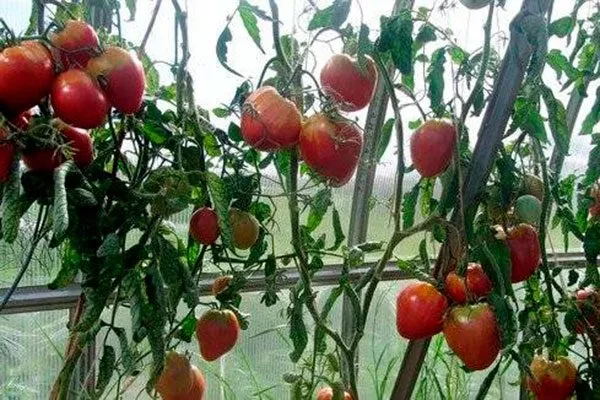
The plants are medium-sized, growing to a height of 1 to 1.4 m indoors, while in open areas they remain shorter.
Other distinctive qualities:
- Vigorous bushes produce strong shoots covered with medium-sized, bright green leaves. This variety is not prone to producing a profusion of foliage.
- The first fruit cluster forms above the 7th leaf, with subsequent clusters appearing 1-2 leaves later. The inflorescences are simple, each bearing 3 to 5 fruits.
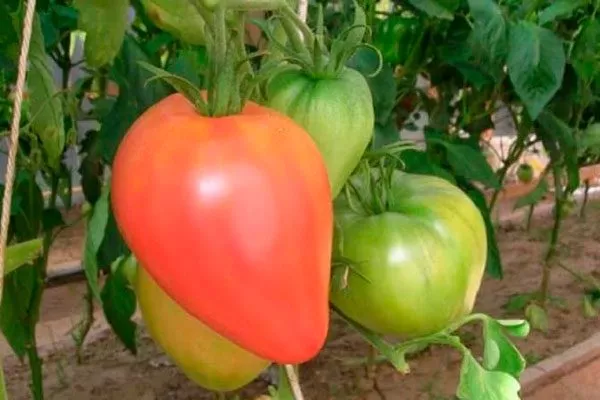
- Ripening tomatoes are initially light green, but over time they acquire a rich crimson hue.
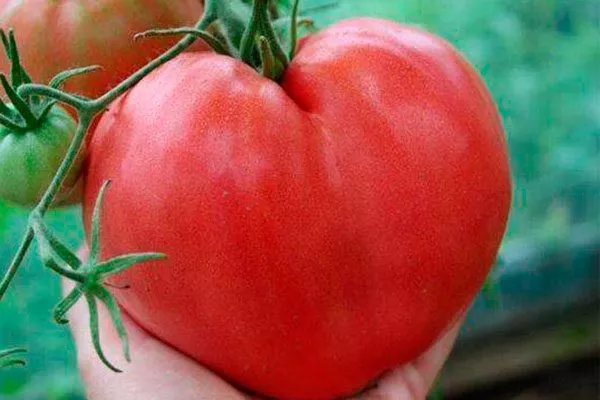
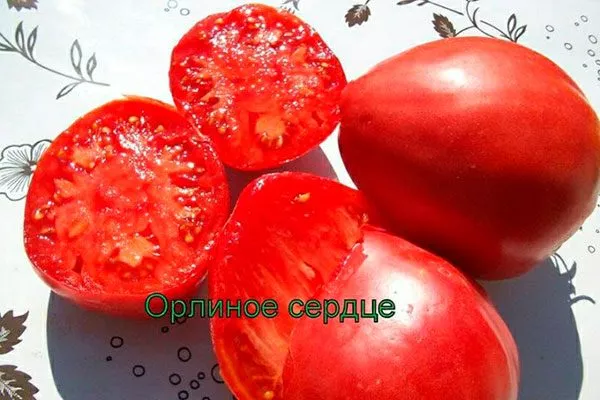
- The fruits are large, their weight varies from 177 to 400 g, they have a heart-shaped configuration and slightly pronounced ribbing.
- The flesh is dense and meaty. Following proper cultivation practices, you can harvest juicy, high-quality tomatoes.
Main characteristics
The Eagle's Heart tomato is a large-fruited variety. It boasts distinctive pink tomatoes, which are used in a variety of dishes.
The variety has many positive qualities:
- Ripening and yield. This mid-season variety boasts good productivity, yielding between 8.8 and 13.6 kg of vegetables per square meter. Yield depends on many factors, including agricultural practices, climatic conditions, and pest control.
- Areas of application of fruits. Their unique texture makes tomatoes ideal for flavorful vegetable stews and fresh, vitamin-rich salads. Green tomatoes are also popular for pickling and preserving for the winter.
In brine, the taste of tomatoes is revealed in a new way, acquiring a special piquancy.

- Resistance to diseases and pests. The bushes have strong immunity to the main diseases of nightshade crops. They are virtually unaffected by late blight, tobacco mosaic virus, blossom-end rot, and early blight. However, for prevention, treat with fungicides.
- Resistance to adverse weather conditions. The variety is well adapted to cold climates and is resistant to adverse external influences.
How to grow seedlings?
Mid-season tomatoes are grown from seedlings. Seeds are sown 55-65 days before transplanting to their permanent location. Optimal results are achieved when growing seedlings in heated greenhouses, which create favorable conditions for the development of strong, compact plants.
- ✓ Optimum soil temperature for sowing seeds: 22-25°C.
- ✓ Required air humidity for seedlings: 60-70%.
Seed treatment
Before sowing, prepare the seedlings. Many producers perform this procedure at the factory, but if you're using seeds from your own harvest or if there's no information on the packaging about treatment, treat them yourself.
Follow these steps:
- Selection. Carefully sort the seeds, remove damaged or darkened ones.
- Checking germination. Soak the seeds in a salt solution (1 teaspoon per 200 ml of water). Use the seeds that sink to the bottom for sowing.
- Disinfection. Soak the seeds for 20 minutes in a light pink solution of potassium permanganate or hydrogen peroxide. Alternatively, soak them in aloe vera juice or a baking soda solution (1 teaspoon per cup of water). After soaking, rinse under running water.
Treat the seeds with a growth stimulant—effective options include Zircon, Epin, sodium humate, a baking soda solution, or aloe vera juice. Additionally, harden the seeds: keep them in the refrigerator for 3 days, then place them in a cloth soaked in warm water for 2 days.
A little about containers and soil
Choose communal containers for sowing: boxes, trays, food packaging, or cut-off bottles. Once the seedlings emerge, transplant them into individual pots with a minimum capacity of 300 ml.
Helpful tips:
- To avoid damaging the roots when transplanting, divide the box into cells using cardboard or plastic dividers and place one seed in each cell.
- If you have a small number of bushes, use peat tablets, which eliminates the need for picking.
- Pre-disinfect all containers by soaking them in boiling water, a solution of copper sulfate (0.5 teaspoon per 2 liters of water), or a dark pink solution of potassium permanganate.
For sowing, use prepared soil or prepare your own potting mix: mix equal parts black soil and peat, add 0.5 parts sand. Add 200 g of wood ash per 10 kg of mixture. Disinfect the prepared soil by pouring boiling water, copper sulfate, or potassium permanganate solution over it.
Sowing of planting material
Fill the containers with the prepared soil and moisten with warm water. Begin the process:
- On the soil surface, make furrows 1 cm deep and 3 cm apart.
- Place the seeds 2 cm apart.
- Cover the crops with a layer of soil, avoiding compaction.
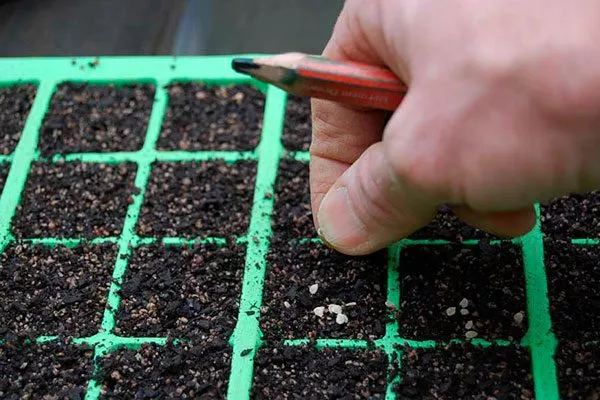
Cover the containers with glass or plastic wrap to retain heat and moisture. Place the containers in a warm place.
Basic rules of care
Once the seedlings emerge, remove the film and move the containers with the seedlings to a cool place for a week to prevent them from stretching. Then return them to a warm room.
Create suitable conditions for seedlings:
- For full growth, seedlings require 16 hours of daylight. Use fluorescent lamps for additional lighting if necessary.
- Moisten the soil as the top layer dries, avoiding contact with the leaves. Use warm water for watering.
- Prick out the seedlings into individual containers when the third true leaf appears. After two weeks, feed them with ready-made fertilizers (Rastvorin or Krepysh) or organic solutions: 1 kg of chicken manure and 200 g of ash per 10 liters of water.
- Ten days before transplanting to a permanent location, harden off the seedlings: take them out onto the balcony or another warm place for several hours a day.
Avoid leaving plants in drafts. If they lose turgor, check that you're watering correctly and correct any errors.
How to grow tomatoes?
In May, tomato seedlings are transplanted to their permanent location. It's important to follow certain guidelines to ensure the plants successfully establish and adapt to the new conditions.
Planting seedlings in a permanent location
Choose a sunny site that hasn't had any nightshade crops in the last two years. Ideal precursors for tomatoes include legumes, melons, and brassicas.
Follow these simple steps:
- In the fall, dig the area to a depth of 20-25 cm, remove plant debris and apply fertilizer, adding 6 kg of humus per 1 sq. m.
- If the soil is dense, add sand, and if it is highly acidic, add lime or ash.
- In spring, level the beds and clear them of weeds, then water with a hot solution of copper sulfate (1 tbsp. per 10 liters of water).
- Dig holes in a checkerboard pattern, placing 5-6 bushes per 1 square meter. Add granular fertilizer to each hole and fill it with 1 liter of a light pink solution of potassium permanganate.
After the liquid has been absorbed, plant the seedlings with a lump of earth, sprinkle with soil and compact.
Caring for mature plants
Eagle's Heart is a tall variety that requires staking to supports or trellises. Use synthetic thread for securing. If the fruit clusters become heavy, secure them additionally to prevent them from breaking under the weight of the tomatoes.
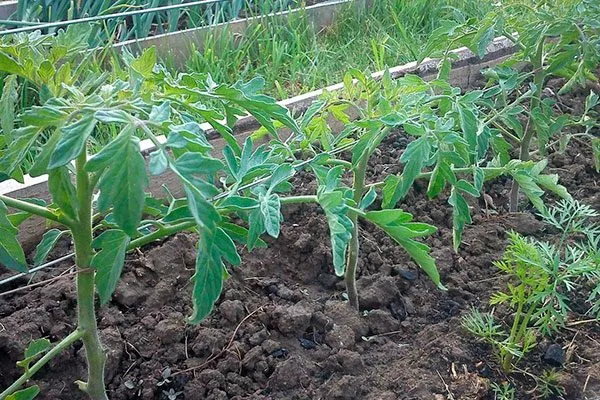
Perform other care activities:
- Train the bush with 1-3 stems. The fewer stems on the plant, the larger the vegetables will be. When pinching out side shoots, remove excess shoots and lower leaves, as well as wilted foliage. Repeat this procedure once a week, removing no more than three leaves at a time to avoid damaging the plant.
- Mulch the soil to retain moisture, protect roots from freezing, and prevent diseases and pests. Use rotted straw, hay, or compost.
- Water the beds as the top layer of soil dries out. Each plant requires 2-3 liters of thoroughly settled, warm water. Afterward, be sure to loosen the soil to prevent crusting and remove weeds.
- Fertilize your tomatoes every two weeks. Phosphorus and potassium fertilizers are effective, as they promote fruit growth and development. Apply nitrogen fertilizers less frequently to avoid excessive foliage growth.
- Spray the bushes with a boric acid solution to improve fruit set. Do this 2-3 times per season.
Possible difficulties
Beginner gardeners may encounter a number of challenges when growing tomatoes. Here are just a few:
- Shedding of ovaries and inflorescences. The main cause of this is excess nitrogen in the soil—it promotes vigorous leaf growth but inhibits vegetable development. To solve this problem, reduce the amount of nitrogen fertilizer.
- Poor fruit set. This may be due to insufficient pollination, which is especially true indoors or in conditions where insect activity is low. The solution is to regularly shake the bushes during flowering to stimulate pollination.
- Fruit cracking. This occurs due to irregular watering and overwatering, especially when combined with high temperatures. Maintain a regular watering schedule, avoiding both drying out and overwatering the soil.
Diseases and pests
The plant has natural immunity to many diseases, including late blight. However, for prevention, treat the plant with Fitosporin every 2-3 weeks. Overwatering can lead to root rot. Apply wood ash at a rate of 1 kg per square meter to improve drainage and reduce acidity.
To protect against pests, spray the plants once a week with a solution of laundry soap (1 bar per 10 liters of water) or sour milk (2 liters per 10 liters of water). Avoid using chemicals, as they can reduce the beneficial properties of tomatoes.
The nuances of growing in open ground and in a greenhouse, harvesting
Before planting in the greenhouse, completely replace the soil, adding a nutritious and lightweight substrate rich in peat to promote better plant growth. Follow these guidelines:
- When growing crops in a greenhouse, water the plants once a week, and in open ground - three times.
- Maintain optimal humidity and ventilate the room regularly to prevent excess moisture and create favorable conditions for growth.
- In open ground conditions, cover the beds with film at night to protect them from night frosts and prevent damage to plants from low temperatures.
Start harvesting this variety of tomatoes at the end of July. You can pick unripe fruits to extend their shelf life.
Pros and cons
Eagle's Heart is a determinate variety that grows best outdoors, although it also thrives in greenhouses. It is characterized by high marketability and has many other advantages:
Among the disadvantages, gardeners note the difficulty of collecting seeds due to the small quantity, the need for tying, and the impossibility of preserving them whole.
Reviews
Eagle's Heart is a unique tomato variety that attracts gardeners in our country with its striking heart-shaped form and incredible juiciness. These tomatoes impart a rich aroma and flavor to a variety of dishes, and they produce delicious juice. This variety is resistant to various pests and produces abundant harvests compared to other varieties.