
Orange Elephant tomatoes are distinguished by their distinctive orange coloring and sweet, rich flesh. This variety has become popular among gardeners due to its ease of care, long fruiting period, and the ability to harvest separately from the plant. Orange Elephant tomatoes have successfully adapted to various climate zones in Russia.
Origin of the variety
The Orange Elephant tomato from Minusinsk was developed by specialists from the Gavrish agricultural firm. The following individuals participated in the development of the variety:
- S. F. Gavrish;
- R. N. Kapustina;
- D. S. Gladkov;
- A. A. Volkov;
- A. N. Semenova;
- G. M. Artemyeva.
This variety is part of the "Russian Bogatyr" line and is always available for purchase. In 2011, it was registered in the State Register of Breeding Achievements of Russia. It is recommended for cultivation throughout Russia, using film or polycarbonate greenhouses. In open areas, the bush's yield may be low.
General characteristics of the Orange Elephant tomato variety
Being a determinate variety, the Orange Elephant tomato doesn't require staking. However, staking the bushes is always helpful, as without it, the bushes with ripe tomatoes can easily fall to the ground.
Appearance of bushes
Orange Elephant is a determinate variety, so it has a limited growth rate. In open ground, its height is approximately 60-70 cm, while in greenhouse cultivation, the bush can grow up to 100 cm. According to experienced gardeners, in regions with mild climates, this tomato can reach a height of 150-160 cm.
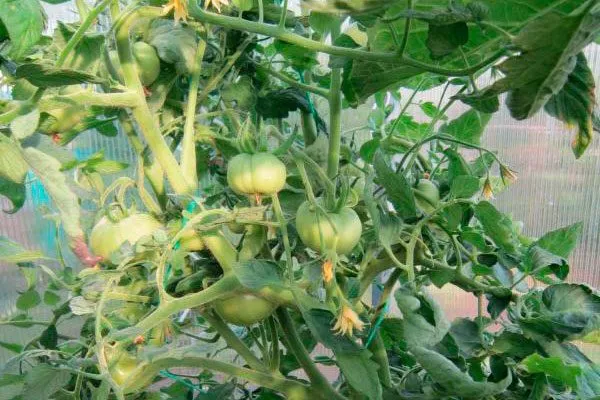
Key characteristics of the bushes include:
- light green foliage of traditional shape;
- medium leaf size;
- simple type of peduncles;
- formation of fruits in clusters of 5-7 pieces;
- high degree of foliage.
Description of fruits
Tomatoes have unique characteristics: they have a classic round shape, although slightly flattened at the top and bottom. The base of the stalk has a slight ribbed texture. When they are first ripe, they are green, but with age, they turn a bright orange.
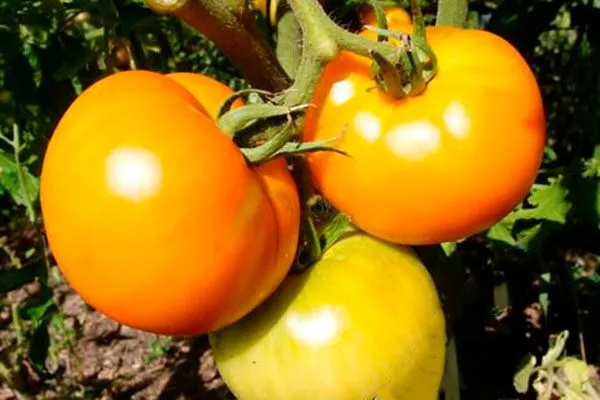
There are also other varietal characteristics:
- The skin of tomatoes is hard and smooth, and the surface is elastic.
- The pulp is characterized by tenderness and juiciness, and its color is a soft orange hue.
- Tomatoes are rich in beta-carotene, which helps slow down aging and has a positive effect on vision, the immune system, and skin regeneration. They are rich in vitamins A and C, as well as carotene, which have beneficial effects on health and immunity.
- Growers claim the average tomato weight reaches 200-250 g, but this requires adjusting the number of fruits per cluster. Experienced gardeners note that the average weight of tomatoes ranges from 130 to 180 g.
If the growing rules are followed, the weight of one tomato can reach 500 g. - Vegetables with medium-firm flesh and a pleasant aftertaste.
- The fruits have the ability to retain their taste and attractive appearance for a long time, even if they are stored at home.
- They ripen perfectly in the room without losing their flavor.
- The taste of tomatoes is highly rated: they have a rich, sweet taste and a pleasant aroma.
- There are usually three to four seed pods in the middle of the fruit.
Ripening time and yield
Orange Elephant is a mid-season tomato that begins to bear fruit approximately 110-120 days after sowing. It stands out for its ability to bear fruit for a long time, allowing the bushes to produce fruit even in the fall.
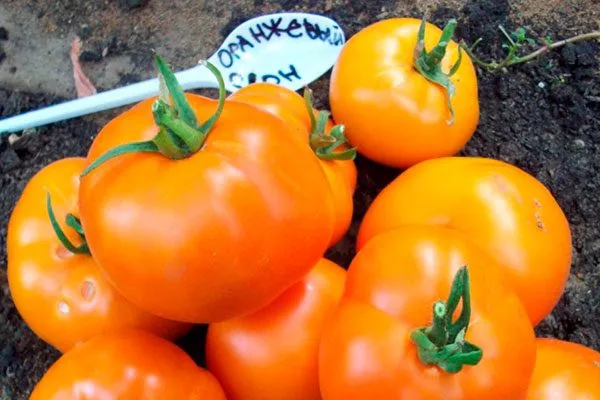
The productivity is impressive considering that this is a determinate variety:
- from an area of 1 sq. m you can collect up to 6.7-7 kg of vegetables;
- One bush can produce up to 2-3 kg of tomatoes.
For maximum results, consider factors such as proper hydration, optimal lighting, and regular fertilizing.
Application of fruits
Orange tomatoes are often served fresh, but they can also be a key ingredient in a delicious juice or sauce. To give the product a rich color, red tomatoes are also included in the recipe.
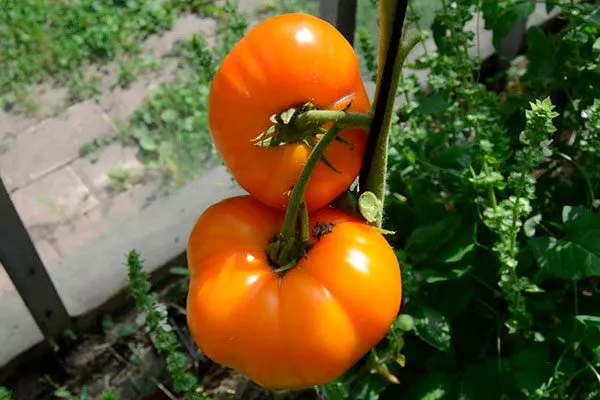
Professionals recommend preparing the following from these vegetables:
- salads;
- salting (provided that the marinade is not hot);
- paste;
- lecho;
- adjika;
- caviar;
- juice;
- sauce.
Growing seedlings
The preparation process begins 50-65 days before transplanting the seedlings into the soil - in cold climate zones - in April, in the central regions - in mid-March, in the south - in the first days of March.
Seed preparation
Agricultural experts recommend renewing your seed stock annually and avoiding using seeds from the previous tomato crop. The preparation process includes:
- Material selection, If it was collected independently. Seeds with visible spots or damage on the surface are not suitable for sowing.
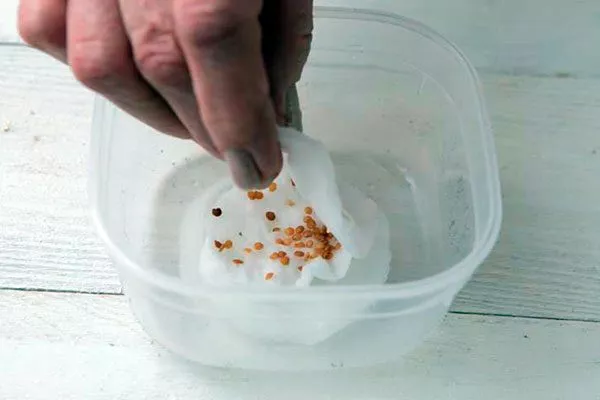
- Germination test – Soak in water for 10-15 minutes. Any seeds that float to the surface should be discarded, as they are empty and will not produce fruit.
- Disinfection of seeds In a pink potassium permanganate solution for 20 minutes. Alternatively, you can use hydrogen peroxide, but soak the seeds for only 10 minutes.
- Growth stimulation. Soaking seeds in specialized agrochemicals such as Epin, Zircon, Immunocytophyte, and Baikal. Carefully follow the instructions for each specific product.
Soil
Growing tomato plants requires a light, nutrient-rich substrate. Ideally, it should be a balanced mixture of turf, peat, and river sand. For additional nutrition, add 40-50 g of superphosphate and 15-20 g of potassium per 10 liters of water.
- ✓ Soil pH should be between 6.0-6.8 for optimal nutrient absorption.
- ✓ The soil should be well-drained to prevent waterlogging and root rot.
Before using garden soil, it should be treated in an oven or microwave to kill any potential pests and diseases. However, a popular and effective method is to quickly and effectively disinfect the mixture by soaking it in a concentrated solution of potassium permanganate.
Sowing
To grow healthy seedlings, follow these rules:
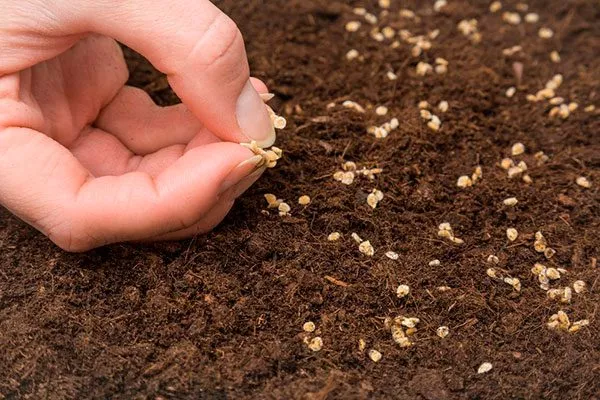
- Fill the container with moistened substrate. The height of the mixture should be about 5-7 cm.
- Plant seeds 1.5cm deep, 2cm apart.
- Cover them with a 1 cm layer of soil.
- Cover the container with seeds with glass or plastic cover.
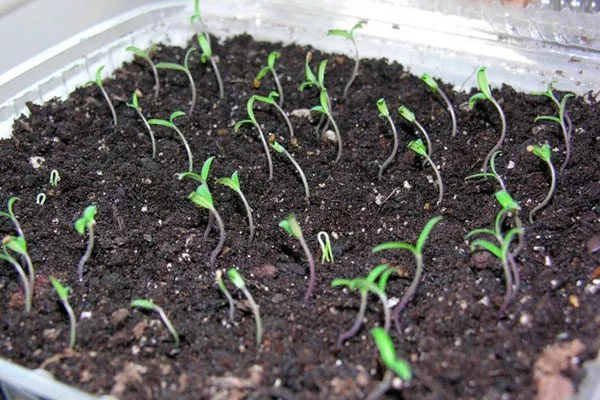
- Move the future sprouts to a warm zone with a temperature of about +23°C. In about 5-6 days, you will see the first green shoots.
Caring for seedlings
Once most of the seeds have sprouted, remove the protective covering from the containers and move the seedlings to a windowsill where they will receive better light. Follow these instructions:
- Water regularly, but not excessively, no more than once a week.
- To fertilize young tomatoes, use commercial fertilizers every two weeks, following the package directions. Suitable products include Agricola, BioMaster, and Biohumus, which are rich in nitrogen to stimulate growth and abundant leaf formation. Avoid over-fertilizing to prevent the seedlings from becoming too leggy.
- Prick out the seedlings into individual 0.5 l pots when they have 2-3 true leaves.
- Occasionally fertilize the soil with wood ash to provide additional nutrition.
- A week before moving the plants to the greenhouse, acclimate them to harsher conditions by placing them outside. Start with one hour of fresh air and gradually increase the duration to the entire day.
Transfer
The Orange Elephant tomato thrives in neutral soil. To ensure this, gardeners often use specialized devices or simple litmus tests. If soil acidity needs to be reduced, wood ash can be helpful.
The application rates are as follows:
- for high acidity values – 400-500 g per 1 sq. m;
- for average values – 200-300 g per 1 sq. m;
- for low values – 150-200 g per 1 sq. m.
It's recommended to transplant seedlings into the greenhouse in early May, once the weather has become consistently warm. Plants should be healthy, with strong stems, developed rhizomes, a single flower bud, and at least 30 cm tall.
To ensure healthy development of tomatoes, it is recommended to plant 2-3 plants per square meter of soil, following this arrangement:
- 35-45 cm between adjacent tomatoes;
- 55-65 cm between rows.
It's best to choose a cloudy, windless day for planting, or wait until evening. The planting process looks like this:
- Before transplanting the seedlings, thoroughly water the soil in the pots, removing the lower and yellow leaves.
- Dig up the soil in the garden bed, enriching it with compost or humus mixed with ash.
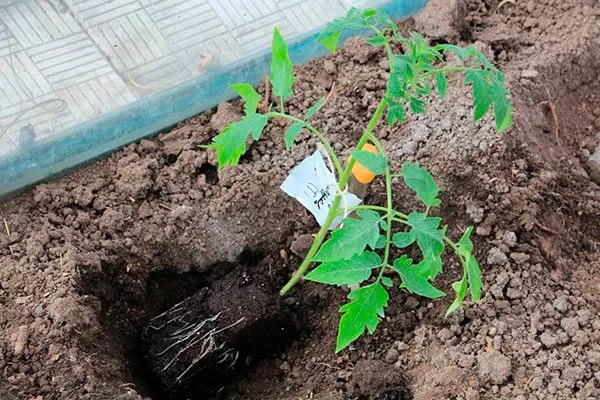
- Dig holes 20-25 cm deep, then fill them with boiling water or a concentrated solution of potassium permanganate.
- Place any drainage material at the bottom of the hole.
- Fill the top half with substrate.
- Carefully transfer the seedlings into the holes by transshipping them along with the root ball and carefully cover them with soil.
- Strengthen and protect the soil around the tomatoes by applying a layer of mulch.
- Tie the bushes to wooden posts or trellises.
Care
This plant is easy to care for. To ensure abundant fruiting, follow these simple guidelines:
- The plant should be watered infrequently but thoroughly, allowing the soil to dry completely between waterings. Irrigate only near the roots, while the above-ground portion of the plant should be sprayed with a spray bottle in the evening.
At the development stage, about 5-6 liters of water are poured in, while during budding and fruiting, at least 10 liters per 1 sq. m. will be required. - To reduce soil loosening, weed control, and moisture requirements, mulching is used. Suitable materials include sawdust, pine needles, agrofibre, hay, or straw.
- Fertilizers are applied every two weeks after transplanting the seedlings to their permanent location. Strategy:
- for two weeks they are fed with chicken manure in a ratio of 1:20;
- for subsequent procedures use nitrophoska;
- Tomatoes are especially responsive to store-bought compounds – Red Giant, Biohumus, Agricola, Effecton-O.
- The bushes are formed into 2 shoots according to the standard scheme for tomato crops.
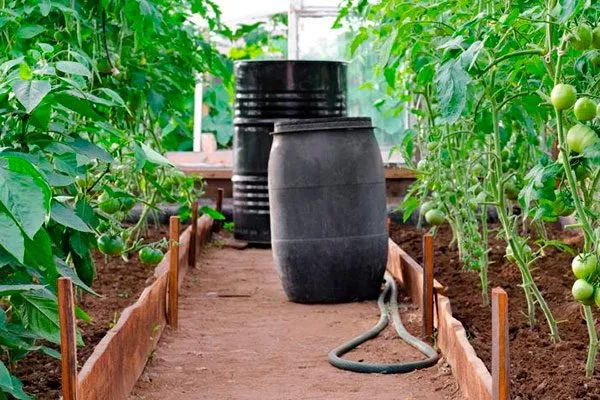
The nuances of growing in open and closed ground
The best conditions for growing and producing a bountiful harvest in an outdoor garden are neutral soil (pH 7). This can be determined using litmus test strips or specialized equipment with a probe. To normalize soil acidity, use wood ash:
- in case of excessive acidity, it is recommended to add 400-500 g per 1 sq. m;
- with average acidity levels, 200-300 g per 1 sq. m is sufficient;
- if it is insufficient, you need to add 200 g per 1 sq. m.
To maintain the required humidity in the greenhouse, leave the windows and door open after spraying the plants. Tomatoes ripen faster when daytime temperatures range from 18 to 25°C and nighttime temperatures range from 15 to 18°C.
Pest and disease control
Orange Elephant has genetic resistance to some pathogens, such as verticillium wilt and fusarium. However, it has only moderate resistance to fungal infections, making it vulnerable to common greenhouse diseases such as late blight, powdery mildew, and cladosporiosis.
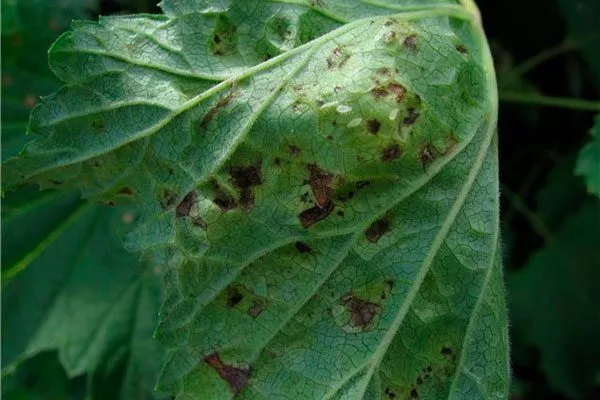
In addition to diseases, tomatoes face threats from a variety of pests, including butterflies, beetles, mites, and other parasites:
- Signs of late blight include brown-gray spots on leaves and stems, a white coating on the underside of leaves, and spots and deformations on fruit.
- Powdery mildew appears as a white-yellow coating on green foliage, small brown spots on the back of leaves, dew drops, and leaves curled upward.
- Symptoms of the disease, known as cladosporiosis or brown spot, include:
- yellow marks on leaves;
- dark brown coating on the underside of the leaves.
To prevent the development of diseases, treat the bushes with fungicides - Ridomil Gold, Oxychom or HOM, but before flowering and fruit formation begins, at intervals of 20 days.
Preventive measures should also be taken:
- Disinfection of greenhouses using heated sulfuric acid air;
- soil disinfection using copper sulfate;
- removing the lower leaves on the plant;
- optimal plant nutrition with phosphorus and potassium;
- covering the soil with mulch;
- Maintaining optimal humidity in the room through regular ventilation.
The following preparations are effective for pest control: Fitoverm, Flumait, Grom, Strela, Confidor, Aktara and Borneo.
Pros and cons
The orange elephant differs from its “relatives” in the following advantages:
Despite a few drawbacks, such as the need for regular feeding, the unsuitability for canning whole, and a somewhat smaller size compared to other tomato varieties in the Elephant series, the Orange variety offers a rich and tasty harvest, making these minor inconveniences worth overlooking.
Reviews
Caring for the Orange Elephant tomato variety doesn't require any special skills. This variety is easy to grow, requiring only moderate watering and regular fertilizing. It adapts well to both indoor and outdoor conditions and can survive drought, cool temperatures, and sudden temperature changes.