
The Olga tomato is an excellent choice for those who want to grow delicious and healthy tomatoes with minimal effort. Its strong immune system, abundant fruit production, and versatility make it a favorite among gardeners. With proper care, you can achieve generous harvests and high-quality fruits.
History of origin
Olga is a hybrid developed by Philippe Verschave and registered in 2009. It is intended for outdoor cultivation. Gardeners often confuse this variety with another cultivar, Olya. They have different characteristics, but the cultivation guidelines are similar.
Description of the plant
The bush is robust and standard-shaped, so the shoots don't require staking. Height ranges from 90 to 100 cm, and in greenhouses can reach 1.25 m.
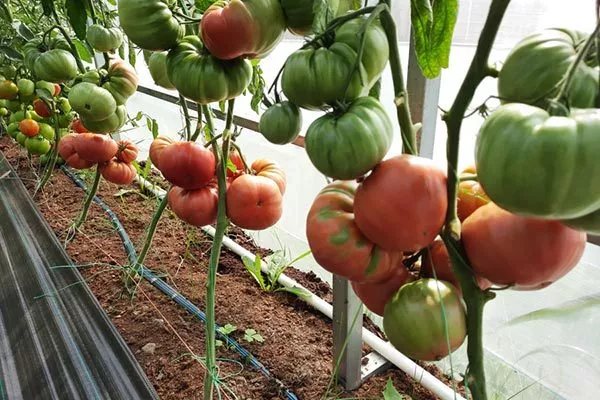
It belongs to the determinate varieties: after the inflorescence at the top forms, vertical growth ceases, and the lateral shoots begin to develop actively, producing fruit. Flower clusters appear after the sixth leaf, and then every three leaves.
The leaves are medium-sized and emerald-hued. This variety does not require regular pinching. Each plant produces no more than 15 clusters, each with 5-7 ovaries.
Fruits and their taste qualities
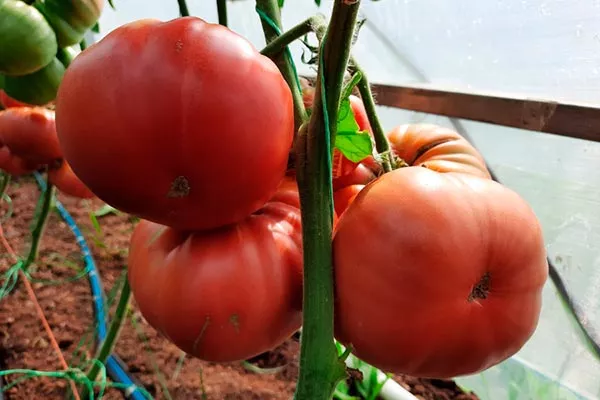
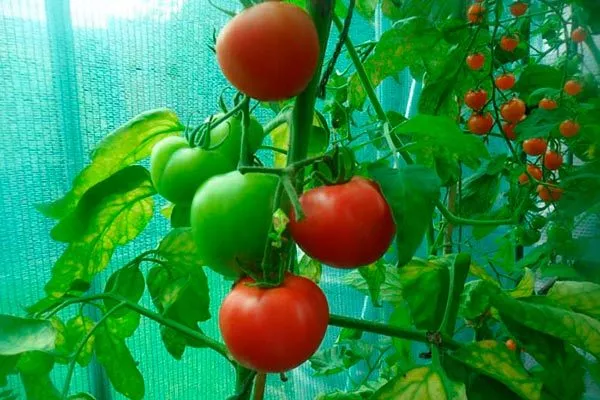
The tomatoes are round in shape with pronounced ribbing. The skin is thick, smooth, and red. The flesh is meaty, dense, and juicy. The seed pods are small—no more than four—and the seeds are of average size.
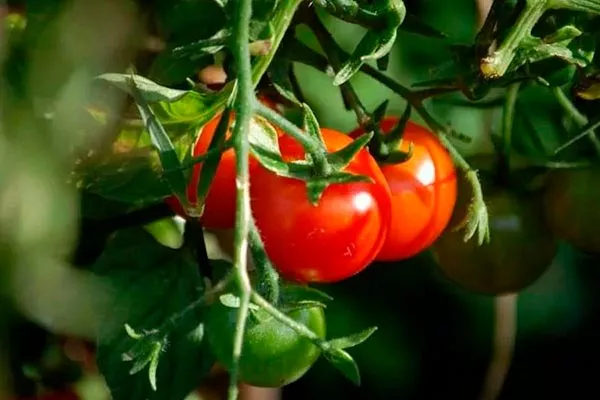
The average fruit weight is 115-120 g, but with proper care (regular fertilization and watering) it can reach 170-175 g. The taste is excellent, but for their successful cultivation it is necessary to provide the plant with good lighting.
Characteristics of the Olga F1 tomato
Olga is the best choice for those seeking a high tomato yield with excellent flavor. Despite some drawbacks, this variety offers numerous advantages that make it popular among gardeners.
Bloom
The plant begins to bloom two weeks after planting the seedlings. The variety is self-pollinating, producing both male and female flowers.
Ripening period
An early-ripening variety, Olga tomatoes develop and ripen within 105 days from sowing. The fruits ripen evenly.
Olga tomato yield
The crop is characterized by good productivity. Up to 15.5 kg of fruit can be harvested per square meter, and in a greenhouse, this figure is significantly higher – up to 25-27 kg.
Resistance to diseases and pests
Breeders have made every effort to ensure the hybrid has excellent genetic immunity. The bushes are resistant to tobacco mosaic, late blight, verticillium wilt, fusarium wilt, and neck rot. They also tolerate nematode attacks quite well.
In what regions is it grown?
The crop is successfully cultivated throughout Russia, despite being listed in the State Register for the North Caucasus region. In colder regions, it is recommended to plant seedlings in greenhouses, even without heating, and in the southern regions, in open ground.
How is it used?
Vegetables are eaten fresh, used in salads, and preserved whole, thanks to their attractive and convenient shape that fits into jars. Larger vegetables are typically used to make tomato paste and juice.
How to grow seedlings?
To obtain strong seedlings, sowing should be done in March-April. It's important to transplant the plants into the ground when they reach 55-65 days of age.
- ✓ Optimum temperature for seed germination: +23…+25°C.
- ✓ Required soil moisture for seedlings: 70-75%.
Seed preparation
When purchasing planting material from specialized stores, keep in mind that it has already been disinfected with the fungicide Thiram, so no additional calibration or soaking is required.
Follow these recommendations:
- If you collected the seeds yourself, treat them: soak them in a pink solution of potassium permanganate for 25-30 minutes, then rinse and dry.
- If the quality of the beans you've picked or purchased at the market is questionable, sort them. Discard any dried, damaged, or rotten ones.
To check for full weight, soak the seeds in a salt solution (1 teaspoon of salt per 200 ml of slightly warmed water) for 3-4 minutes. Discard any that float to the surface, and rinse those that remain at the bottom thoroughly with cold water.
Soil and container requirements
To grow the crop, use a well-drained, nutrient-rich soil. Prepare your own by mixing the following ingredients:
- sawdust;
- peat;
- soil from a greenhouse.
To improve the soil structure, add perlite or eggshells. Mix all ingredients thoroughly and let sit for 24 hours. If you can't prepare your own soil mix, purchase it at a gardening store.
Sowing
Before sowing, disinfect the soil with a pink solution of potassium permanganate. Then, follow these recommendations:
- Choose shallow seedling containers. Place the prepared substrate on the bottom, loosening any clumps.
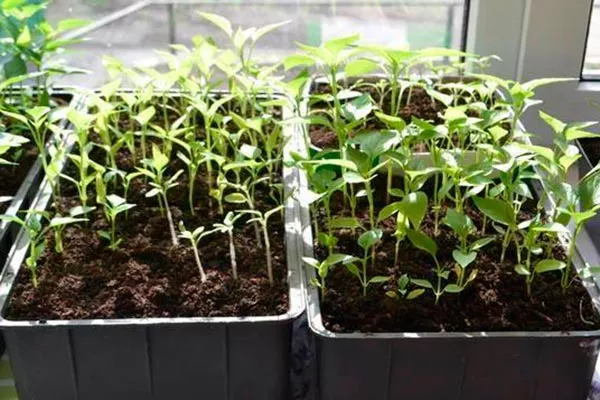
- Make furrows 20-25 mm deep, leaving a gap of about 10 cm between rows. Place the seeds at intervals of 4-4.5 cm, sprinkle with soil and gently moisten by spraying with settled water.
- Until the seedlings emerge, cover the container with plastic wrap, clear plastic, or glass. Place it in a bright room, away from drafts, at a temperature of 18–20°C. Be sure to ventilate the seedlings daily.
If you only need a small number of seedlings, sow the seeds directly into standard cups. Place 2-3 seeds in each cup.
Post-landing care
As soon as the first shoots appear, begin moving the seedlings to a glazed balcony to harden them off. Follow these simple rules:
- Water the first time four days after growth begins, applying two tablespoons of water and spreading it along the edges. Once three leaves appear on the sprouts, increase the water volume to 100 ml per seedling.
- Prick out the seedlings twice to slow down their overgrowth. Do the first transplant after the third leaf appears, and the second three weeks later.
- To increase the immunity of seedlings, treat them with Epin on the seventh day.
Transplanting seedlings
In late spring, when the threat of night frost has passed, transplant the seedlings to their permanent location. Planting pattern: no more than 4 plants per square meter. Install a support post immediately next to each plant. The site should be well-drained.
- ✓ Resistance to temperature changes: withstands short-term drops to +5°C.
- ✓ Recommended planting density: 3-4 plants per 1 sq. m for optimal air exchange.
How to grow tomatoes?
Growing tomatoes is a process that requires attention and careful care. Many factors influence successful results. To ensure healthy and productive tomato plants, it's important to adhere to certain agricultural practices.
Watering and fertilizing
Tomatoes are very demanding when it comes to moisture, but they also don't tolerate stagnant water. Therefore, ensure they are evenly watered, avoiding both drying out and overwatering.
- Apply water at the roots, avoiding drips on the leaves to prevent the development of fungal diseases.
- In hot weather, water the plants regularly, especially during the active growth and flowering phases. Use warm, settled water.
- During the fruiting period, reduce the volume to avoid cracking of vegetables.
Fertilizing helps provide plants with all the necessary nutrients. There are two types of fertilizers:
- Organic: Compost, humus, ash, or herbal infusion. They stimulate growth and strengthen the plant's immunity.
- Minerals: Contain nitrogen, phosphorus, and potassium, which are essential for healthy fruit formation. Nitrogen promotes foliage growth, while phosphorus and potassium promote root development and increased tomato production.
Apply the first fertilizer two weeks after planting the seedlings. Repeat the application every 2-3 weeks, alternating organic and mineral fertilizers. Follow the recommended dosage to avoid damaging the plants.
Pinching out and tying up
Removing excess lateral shoots (side shoots) that appear in the leaf axils helps you focus your energy on the growth of the main shoots and fruit. Follow these steps:
- Remove suckers when they reach 5-7 cm in length, leaving only a few strong shoots.
- Carry out this procedure regularly to prevent the bushes from growing too large and crowding each other out.
Use special trellises, trellises, or stakes for staking. Tie the bushes carefully to avoid damaging the stems. Secure the shoots when they reach a height of 25-30 cm to ensure proper growth and prevent breakage.
Formation
This is a process that helps regulate tomato growth, direct it in the right direction, and improve fruit quality. It involves pruning excess shoots, removing diseased or damaged parts of the plant, and creating a structure that improves access to light and air.
Determinate tomato varieties (those that stop growing after flowering) usually require minimal shaping. Focus on removing side shoots. To prevent tomatoes from becoming overgrown, prune regularly and monitor their growth.
Features of cultivation and possible difficulties
The Olga tomato is characterized by its tall growth—several clusters form simultaneously on a central shoot. Experienced gardeners often grow this variety as two shoots, with the second branch developing beneath the first cluster.
Follow these recommendations:
- For optimal growth, remove all flowers and the top of the plant to avoid wasting nutrients on excess foliage. Treat the cut area with charcoal or activated charcoal.
- Remove side shoots promptly, plucking them out when they reach 3-4 cm. Do this in the morning, during dry weather. If you leave the tip of the side shoot, it will begin to rot and can damage the entire bush.
- Limit fertilizing your tomatoes to avoid overloading them with too much fertilizer. Applying too much manure can lead to excessive growth and small, unripe fruit.
The nuances of growing in open ground and greenhouses
The climate of the North Caucasus region is best suited for growing in open ground, while in protected areas, tomatoes can be grown year-round, regardless of climatic conditions.
In a greenhouse, the plant can reach a height of 1.2 meters, which is taller than in open beds. Up to 15 clusters can form on the trunk, and the fruits ripen simultaneously on several branches, all of equal size.
Regardless of where tomatoes are grown, regularly remove lower leaves to prevent them from rotting due to constant exposure to moisture. Avoid dense plantings, both in greenhouses and open beds, to prevent pests and reduce yields.
Harvesting and use of the crop
Harvesting of greenhouse Olga tomatoes begins in mid-May, while those grown in open beds ripen from early June. Ripening occurs simultaneously: several clusters ripen on the plant at once, and the tomatoes are all of the same size.
Helpful tips:
- To preserve the freshness and flavor of tomatoes, harvest them before midday, before the sun has time to warm them. If necessary, pick them when they're unripe—they'll ripen on their own.
- This variety has universal qualities and is ideal for both fresh consumption and canning.
- Small fruits are perfect for whole-fruit canning, without losing their flavor in marinades and pickles.
- They are used to make adjika, ketchup, lecho, as well as juices, pastes, and sauces. Tomatoes of this variety are popular in meat casseroles, entrees, freezing, and drying.
Vegetables retain their marketable appearance for a long time, making them convenient for storage and transportation over long distances.
Pest and disease control
When growing the crop in unfavorable conditions, there is a high risk of developing Cladosporiosis (brown spot). In its early stages, the disease is very difficult to detect, as it develops from the lower part of the trunk.
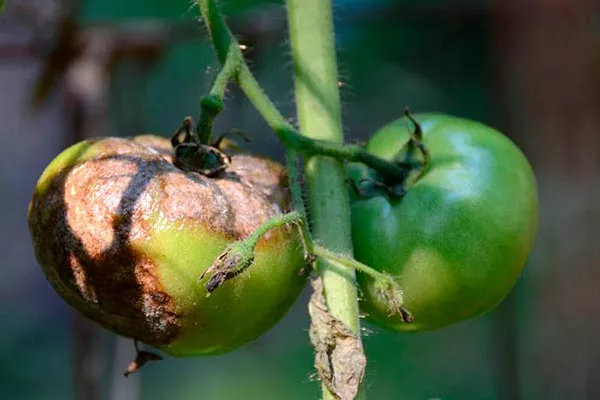
Initially, chlorotic spots appear, which eventually turn brownish-brown. Spores are visible on these spots. The disease gradually spreads to the upper parts of the bush. Due to the similarity of symptoms to powdery mildew, initial measures may not have the desired effect.
If brown spot appears, treat not only the plants but also the soil, greenhouse, and staking, as the pathogen spreads through spores. Cladosporiosis develops in high humidity and temperatures, and spores can remain active for up to 12 months under these conditions.
To prevent disease, follow these preventative measures in your greenhouse:
- maintain optimal temperature;
- ventilate the greenhouse regularly;
- remove affected parts;
- avoid sudden changes in air temperature;
- Disinfect the soil before sowing and after harvesting.
Pros and cons
Olga tomatoes, in addition to strong immunity and excellent taste, have many other advantages. It's important to research these before planting them in your garden to prevent potential problems.
This variety has only one drawback: in the absence of sunlight, the amount of sugar in the fruit decreases, which leads to the appearance of a sour taste.
Reviews
The Olga tomato is a popular variety, sought after by gardeners of all experience levels. This is due to its excellent taste, good productivity, and resistance to adverse weather conditions. The key is to understand all the key characteristics of the crop and provide it with comprehensive care to ensure it rewards you with generous harvests.