
The Ox Dessert tomato is a high-yielding, early-ripening variety that attracts gardeners with its large fruits and rich, sweet flavor. Its appearance resembles the popular Bull's Heart variety. These tomatoes are used fresh and make delicious salads. This early-ripening hybrid allows for an early harvest.
Features of the plant and fruits
This is a hybrid with an indeterminate growth type – the bushes can grow up to 200-250 cm in height and require shaping.
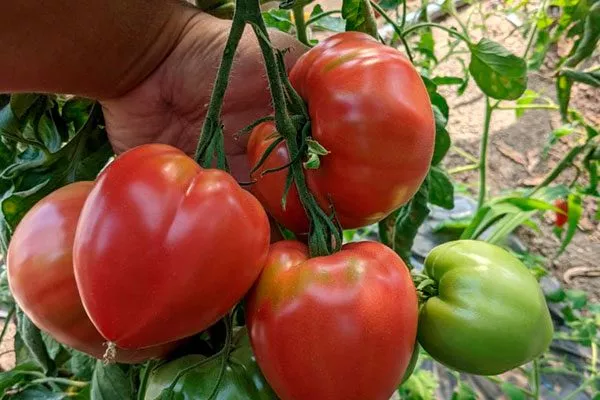
Distinctive features:
- The variety is intended for cultivation in film greenhouses.
- The leaves of the plant are large, green, about 20 cm long and about 10 cm wide.
- The tomatoes are heart-shaped and weigh between 300 and 350 g.
- The pulp is juicy, meaty and rich.
Characteristics
Ox Dessert is one of the most delicious and promising varieties for growing in plastic greenhouses. Its meaty flesh, vibrant flavor, and numerous positive qualities make it an excellent choice for those who enjoy growing vegetables in their own gardens.
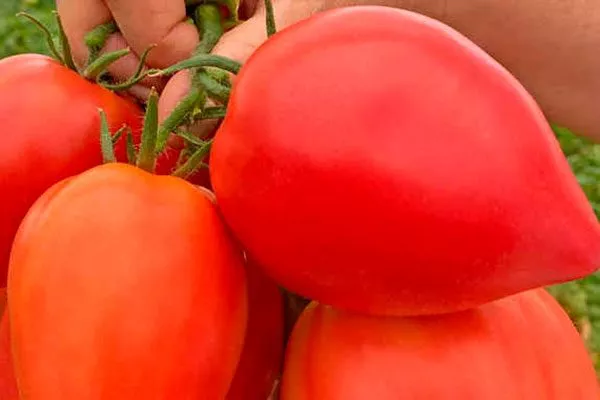
Features of the culture:
- Ripening time and yield. This is an early-ripening variety. The fruit ripens within 85-95 days from the first shoots. This variety is highly productive – gardeners can harvest 15-20 kg of vegetables per square meter in a plastic greenhouse with proper agricultural practices.
- Taste and scope of use. It has a magnificent, rich dessert flavor. Its flesh is juicy, meaty, and sweet, without excessive acidity, making it especially enjoyable when eaten fresh.
This variety is ideal for salads, sandwiches, and vegetable dishes. Thanks to its dense flesh, these tomatoes are used in sauces, pastes, and canning. - Resistance to diseases and pests. The crop is genetically resistant to fusarium wilt and verticillium wilt, and is rarely affected by blossom-end rot.
Landing criteria
Sowing and ripening times depend on the quality of the planting and regional conditions. To obtain juicier, more fleshy fruits, follow these guidelines.
Growing seedlings
To germinate seeds, begin by preparing a suitable container and filling it with soil from your garden. Next, begin sowing: place the seeds in the pots and cover them with a 1-2 cm layer of soil.
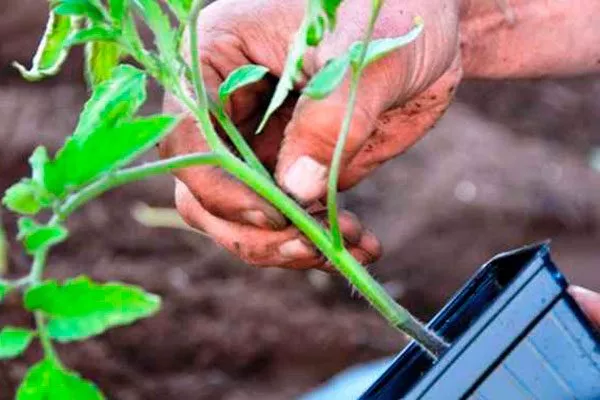
Finish the process by watering. Once the tomato seedlings begin to emerge, transplant them into individual containers.
Site preparation
Tomato soil should be light, fertile, and well-drained, with a neutral or slightly acidic pH (6-7). Follow these important guidelines:
- If the soil is heavy or clayey, add sand and organic matter (humus, compost) to improve the structure.
- Before planting, dig the area to a depth of 20-25 cm to loosen the soil and improve aeration. This will help eliminate weeds. During the process, you can add a complex fertilizer containing phosphorus and potassium to improve root formation and plant growth.
- If the area is poorly drained, prepare the beds by raising them by 15-20 cm to better drain excess moisture.
After digging and adding fertilizer, carefully level the soil with a rake so that it becomes loose and soft, ready for planting seedlings.
Landing on the site
The timing of transplanting seedlings to a greenhouse depends on weather conditions and the type of shelter. Plant seedlings in hotbeds or plastic structures at the end of April, and in polycarbonate greenhouses a week earlier. To ensure the correct planting time, use soil temperature as a guide. If the greenhouse is heated, transplant the plants at the end of March.
Place the plants in the prepared holes, fill with soil, moisten, and install stakes for support. Place no more than three plants per square meter.
Nuances of cultivation
Caring for the Ox Dessert tomato is quite simple, even for a beginner. To ensure the variety quickly produces large, ripe fruits, it's important to consider several key aspects. Standard gardening practices are essential.
Irrigation
One of the most important steps in caring for the bushes is regular watering with warm, settled water. This variety is very moisture-loving, so pour 20 liters of water under each bush every few days. Along with watering, weed the plants to remove weeds that could compete with the plant for nutrients.
Recharge
The bushes are quite large and can produce large fruits, so they require regular and proper fertilizing. Follow this schedule:
- Two weeks after planting in the ground, apply nitrogen-containing fertilizer to help the plants establish roots and stimulate the growth of leaves and stems.
- When flowering begins, add potassium-phosphorus substances to the fertilizer.
- After the first fruits appear, pour 2 liters of wood ash into each hole.

High-quality and timely fertilizing helps strengthen the tomato plant's immunity, which guarantees a bountiful and healthy harvest for the gardener.
Diseases and parasites
Ox dessert tomatoes rarely suffer from diseases, but improper care or planting can increase the risk of infection. To minimize this risk, disinfect the soil and remove weeds promptly.
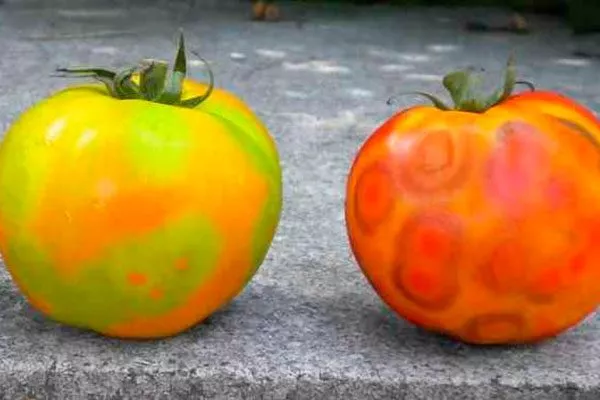
First, familiarize yourself with the main diseases and pests that can affect plants:
- Gray rot. It appears as damp spots on leaves and fruits, which become covered with a greyish coating formed by fungal spores that can persist in the area for up to two years.
The spread of gray mold is facilitated by poor ventilation in the greenhouse or improper temperature conditions. At the first sign of the disease, immediately remove affected leaves and fruits to prevent further spread. - Black bacterial spot. The disease causes elongated black spots on tomato leaves and stems. Causes include poor-quality seeds, poor soil cultivation, plant damage, and high humidity.
Prevention involves selecting high-quality seedlings, disinfecting the soil and equipment, and removing infected plants. Treatment involves the use of biological products: Fitodok, Fitosporin M, and Trichodermin. - Mosaic virus. The disease is common in greenhouses and can destroy entire crops. The virus is resistant to drought and frost and can be transmitted through garden tools, weeds, and soil. Symptoms include deep green or light-colored spots on the leaves, which eventually lead to plant death.
It is impossible to cure the virus, so prevention consists of regularly removing weeds and disinfecting the soil and seedlings.
The Ox dessert tomato can be attacked by pests such as aphids, whiteflies, and spider mites. Soap solutions and infusions of garlic or onion peels are effective against aphids. Yellow sticky traps and Fitoverm are effective against whiteflies. Against spider mites, use an infusion of wormwood or tobacco.
Harvesting and storage
In greenhouses and polycarbonate shelters, Ox Dessert tomatoes ripen from the bottom up, starting from the root and ending at the tip of the cluster. Harvest the fruits in the same order. In dry weather, harvest in the morning. Start by removing large tomatoes at the bottom stem—they pull off easily from the plant.

Pros and cons
This cultivar has many advantages that will appeal to even the most discerning gardeners. Please review them carefully before planting. The main advantages of this crop are:
- Early maturity. This variety is renowned for its fast and high-quality growth, making it ideal for those looking for an early harvest.
- High yield. Ox dessert produces a large number of fruits per season, which allows you to enjoy fresh tomatoes and stock up for the winter.
- Taste. In addition to being rich and sweet, tomatoes have refreshing notes reminiscent of watermelon, which is rare for a vegetable.
- Disease resistance. This variety is resistant to fusarium and verticillium wilt, which simplifies care and increases the chances of a good harvest.
- Resistance to cracking. Tomatoes retain their appearance due to their high resistance to cracking.
The culture has several disadvantages:
- Growing environment requirements. The variety is not suitable for cultivation in open ground and requires a greenhouse, which is important to consider before purchasing planting material.
- The need for a garter. Due to the large fruits, the bushes require regular fixing to maintain their shape and stability.
However, many vegetable growers do not consider these aspects to be significant disadvantages and happily cultivate dessert oaks in their plots.
Reviews
Ox Dessert is a versatile variety for those who appreciate early harvests and high-quality tomatoes. Its good productivity, disease resistance, and attractive appearance make it an excellent choice for large-scale cultivation. These tasty and juicy tomatoes will appeal to lovers of fresh salads and those on a diet.