
The Ogorodnik tomato is a popular and sought-after variety, renowned for its low-maintenance care, disease resistance, and high productivity. Its large, fleshy fruits with a rich flavor are ideal for fresh eating, canning, and cooking. Proper care is essential for obtaining a bountiful harvest.
Origin
Developed by specialists from the Federal Scientific Center for Vegetable Growing and included in the register for use in 1999. Recommended for cultivation in greenhouses with film covering.
Description of the plant
The bushes reach 140–160 cm in height, with moderate branching and foliage. The shoots are covered with medium-sized, light-green leaves with a matte surface and slight corrugation.
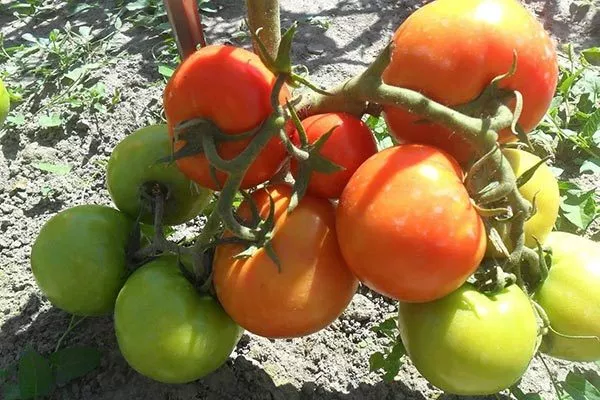
The Ogorodnik tomato has simple inflorescences: the first one forms above the 8-9th leaf, and the subsequent ones – every 3 leaves.
Fruits, their taste and ripening
Immature specimens are green, turning red as they ripen. They range in size from medium to very large, weighing up to 350 g, and are flattened and rounded in shape. A single cluster produces 3 to 5 fruits, with 4 or more locules.
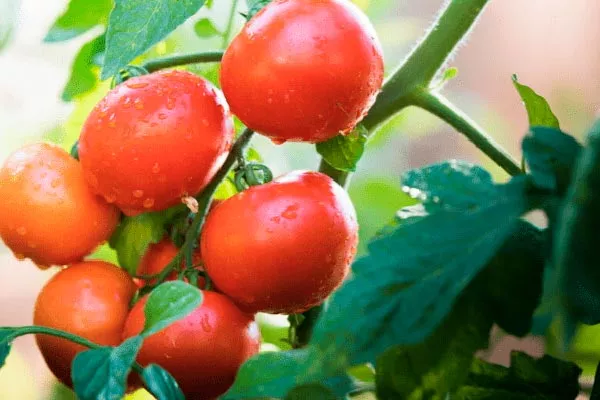
This variety boasts high marketability, high yield, and excellent flavor. The tomatoes have firm, plump flesh and smooth skin, making them ideal for fresh consumption.
The Ogorodnik tomato ripens in 107-118 days, and the vegetable harvest takes place in July and August.
The variety is characterized by good productivity: up to 10 kg of fruit can be harvested per square meter. With proper care, this figure can be further increased.
Resistance to adverse factors
The plant is tolerant of moderately low temperatures and is capable of recovering from minor damage. In hot weather, necrotic spots may appear on the leaves and fruit, so it is recommended to plant the bushes in light shade to avoid intense sunlight.
High humidity in a greenhouse can cause tomato plants to rot, which can lead to the death of the entire above-ground portion of the plant. It's important to ensure good air circulation in the room.
In what regions is it grown?
The crop is successfully cultivated throughout Russia, from the southern regions to the central zone. It exhibits excellent adaptability to a wide range of climatic conditions.
Purpose and application
The Ogorodnik is a salad variety and is ideal for eating fresh, offering a true gastronomic pleasure. The fruits are used to make thick juices, sauces, and pastes, and are also pickled in slices.
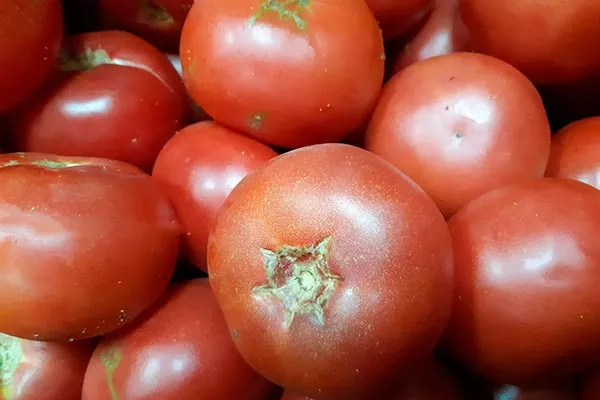
Tomatoes are rich in vitamins, microelements and lycopene, and have pronounced antioxidant properties.
How to grow seedlings?
Seeds are sown 60 days before transplanting into the ground. In central Russia, the optimal timing is March for greenhouses and April for open ground.
Seed preparation
Experienced gardeners prepare planting material in several stages. Follow these steps one by one:
- Selection of planting material. Spread out the seeds, sorting them by size into small, medium, and large. Avoid using tiny seeds for planting.
- Warming up. Spread the seeds on a cloth and place them on a radiator for 1.5-2 days. A quicker method: place the seeds on a metal mesh, cover with paper and a bag, and place them under a lamp set to no more than 60°C. The process takes 3 hours.
- Disinfection. Prepare a 1% potassium permanganate solution (5 ml per 600 ml of water). Soak the seeds in the solution for 15-20 minutes, then rinse. If potassium permanganate is unavailable, use a 3% hydrogen peroxide solution (20 ml per 400 ml of water) and soak for 12 hours.
- Bubbling. Place the grains in water heated to 26-30°C and stir them every hour. Finish the process when the germ appears, or after 15-18 hours.
- Soak. Soak the seeds in warm water or a solution of biostimulants (Zircon, Epin or Immunocytophyte).
- Hardening. Wrap in cloth or cheesecloth, cover with plastic, and place in a cool place (such as the refrigerator) for 8 hours. Then transfer to a warm place for 8 hours. Change the temperature 5-6 times.
- Germination. Place the seeds on a damp cloth or cotton pads in a flat container, maintaining a temperature of 25-30°C and humidity. When the embryos reach 2-3 mm, they are ready for planting.
Follow each step carefully to avoid damaging the planting material.
Container and soil
For sowing, use special or food-grade plastic containers, cups, or cut-off bottles. Purchase the soil from a store or prepare it yourself by mixing garden soil, non-acidic peat moss, sand, and humus or sifted mature compost in a ratio of 2:4:1:2.
- ✓ Adding 5% vermiculite to the soil mixture increases its air permeability and water-holding capacity.
- ✓ Using pine needles in the soil mixture reduces the risk of fungal diseases.
Add sifted wood ash (or dolomite flour), sphagnum moss, and fallen pine needles to the mixture. Be sure to treat the containers and potting mix with a strong solution of potassium permanganate.
Sowing
Fill the selected containers with soil, make a furrow about 1 cm deep, place the seeds, and cover them with a thin layer. Moisten the soil with a spray bottle, cover the containers with plastic wrap, and place them in a warm place.
Caring for seedlings
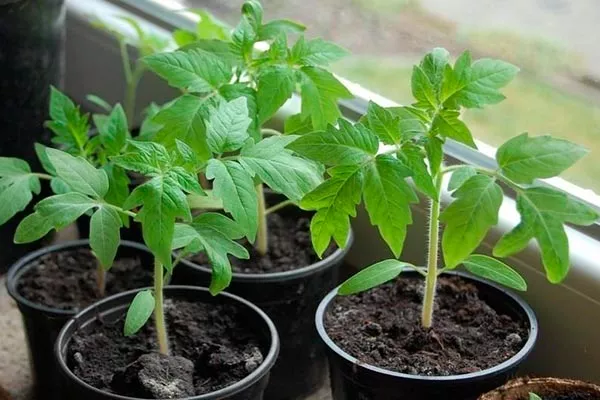
Seeds require warmth and light to germinate. Place the containers in sunny locations to promote growth and photosynthesis. The air temperature should be around 26°C (80°F). Water and fertilize the plants with organic fertilizer every 3 days.
Hardening off seedlings
To improve growth and boost immunity, harden off the seedlings before planting. Seven days before the expected planting date, place them outside for a few hours. Repeat this process for several days in a row, gradually increasing the time spent outdoors to allow the seedlings to acclimate to the outdoor conditions.
Transfer
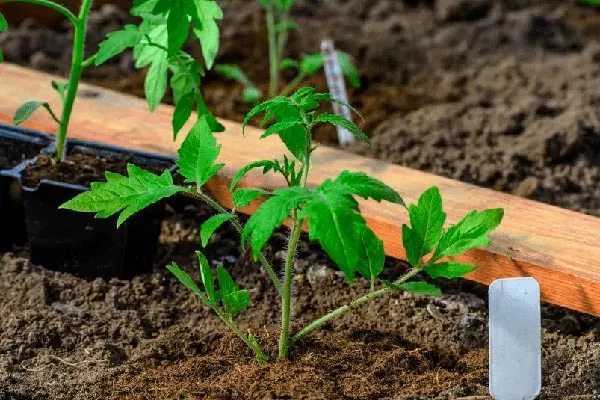
Carefully remove the seedlings from the container, being careful not to damage the roots. Place the plants in the holes, spread the roots, and cover with soil, pressing lightly around the stems. If the seedlings are tall, plant the stems 2-3 cm deeper to encourage additional root growth.
Growing and care
Despite the Ogorodnik tomato variety's low maintenance and cold tolerance, following basic care guidelines is essential for a good harvest. This variety requires attention and care to produce bountiful harvests.
Mulching and watering
A week after planting, begin watering the plants using sun-settled water. Pour it under the bushes, avoiding contact with the leaves. In dry summer weather, water every 5-7 days.
To keep the soil loose, apply a layer of mulch made from dried leaves, grass, or chopped straw around the area. Mulching helps slow weed growth and promotes longer-lasting moisture retention.
Bush formation and pinching
Determinate tomatoes grow well without shaping, but Ogorodnik plants, which can grow taller than 1 m, should be shaped into 2-3 stems to improve fruiting.
After structuring, regularly remove side shoots and trim the lower leaves to provide the plants with better ventilation and improve lighting.
Fertilizing and garter
Newly planted seedlings require nitrogen to develop foliage and strengthen stems. Two weeks after transplanting, apply liquid urea (20 ml per 10 liters of water). The average application rate is 200 ml per plant.
Then follow the diagram:
- After two weeks, fertilize the plants with Nitrophoska (45-50 g per 10 liters of water). The recommended dose is 500 ml per plant.
- After two weeks, apply potassium sulfate combined with superphosphate (25 g of each). Dissolve in 10 liters of water. The optimal dosage is 1 liter per seedling.
- During the period of active fruiting, wood ash (900-950 g) dissolved in 10 liters of boiling water is effective. After stirring, add 10 g of boric acid. After 24 hours, strain the infusion and use it to irrigate the above-ground parts of plants, diluting the concentrate 1:10 with settled water.
Staking is an important process for maintaining plant health and increasing yield. It helps keep plants upright and prevent damage.
Follow these recommendations:
- Use wooden or metal rods 1.5-2 m high.
- As the tomatoes grow, tie the stems to the support using soft materials (netting, twine or fabric) to avoid damaging the stems.
- If necessary, add additional supports to support the bushes and prevent them from falling under the weight of the fruit.
At the same time as tying up, remove excess shoots (stepchildren) so that the plants do not outgrow and waste energy on unnecessary branches.
Features of cultivation and possible difficulties
In hot and dry weather, provide seedlings with regular and abundant watering—water them daily. To reduce moisture evaporation and suppress weed growth, apply a layer of mulch between rows using hay or grass clippings.
If you want to increase the fruit size, remove some of the ovaries. To replace root fertilizer, place containers of manure diluted with water around the greenhouse.
Diseases and pests
Ogorodnik has strong immunity to a number of diseases, including late blight, fusarium wilt, stolbur, and tobacco mosaic virus. However, preventative treatment with fungicides such as Fitosporin, Ecosil, or Quadris is a good idea.
- Inspect your plants weekly for pests.
- At the first sign of pests, treat plants with biological preparations, such as Fitoverm, according to the instructions.
- Alternate treatments to prevent pests from becoming resistant.
Nematodes are the most dangerous pest for this variety. They are most common on greenhouse tomatoes. Signs of damage include wilted leaves and green or white roots with hardened or swollen areas.
To inspect the plant, carefully dig up the roots. Dig up and burn any damaged plants, and pour boiling water or a potassium permanganate solution over the soil. To combat nematodes, use:
- Methyl bromide;
- Nemagon;
- Karbofos;
- Lindane.
Ecologically safe nematicide preparations:
- Nematophagin BT;
- Basamil;
- Aversectin C;
- Metarizin;
- Pecilomycin.
Apply 15-20 days before planting seedlings or directly into the planting holes. To reduce the risk of nematodes, plant calendula or marigold near the tomatoes—their scent repels pests.
The Colorado potato beetle also poses a threat to tomatoes. Inspect the plants regularly, collect pests by hand, and destroy them.
To create an effective repellent, prepare a solution using the beetles themselves. Collect a liter of adult beetles, pour them into a 20-liter bucket, and fill with water. After the beetles drown, let the mixture sit for another week. Spray your plants with the freshly prepared solution, diluted with water at a ratio of 1:1 or 1:2.
The nuances of growing in open ground and in a greenhouse
To ensure optimal air circulation in greenhouses where tomatoes are grown, ensure frequent ventilation. Experienced farmers note that in open ground, under direct sunlight, this variety produces less fruit.
Formation of tomatoes in greenhouses:
- In three stems. Leave the main stem and two lower shoots. Trim the side shoots, leaving a cluster of flowers and a leaf above each.
- With the transfer of the growth point to the lateral shoot. Leave the main stem and one of the lowermost shoots, then select another branch, not on the main stem, but on the lower shoot.
Harvesting and use of the crop
Carry out this process in dry weather, in the morning hours, when the temperature is not yet too high, to avoid damaging the fruits. Carefully pick them from the bush, holding them by the stem. Unripe (green) fruits can be harvested early if frost or heavy rain is expected.
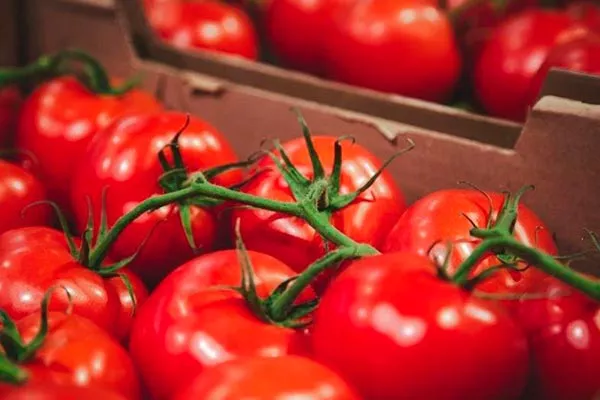
The ideal temperature for storing tomatoes is between 10 and 15°C. Vegetables should be stored in a well-ventilated area. Use baskets or place tomatoes on shelves, but do not overload them to prevent mechanical damage.
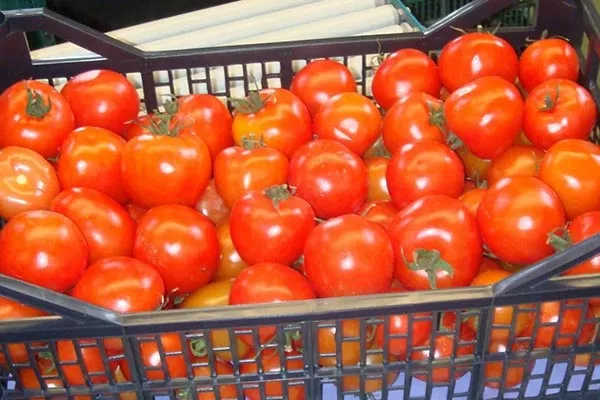
These vegetables are ideal for fresh consumption: they can be added to salads, sandwiches, appetizers, lecho, and sauces. The small fruits are eaten whole. This variety is suitable for commercial cultivation, as it tolerates storage and long-distance transportation well.
Advantages and disadvantages of the variety
It's important to carefully consider the positive and negative qualities of this crop before starting to grow it in your garden. The Ogorodnik variety has many advantages:
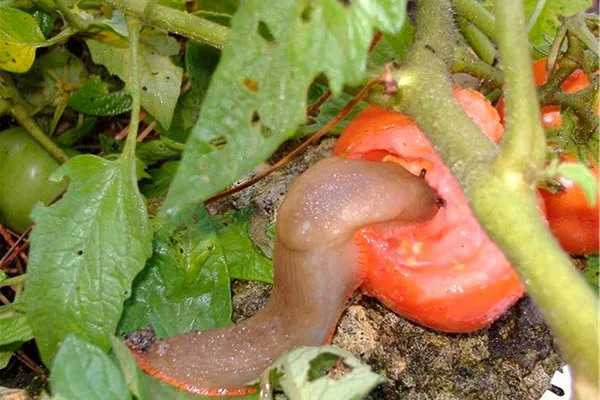
Among the disadvantages, some gardeners note only the risk of damage by slugs and rare attacks by nematodes.
Farmers' reviews
The Ogorodnik tomato is an excellent choice for those seeking a consistent harvest with minimal maintenance. Its disease resistance, high yield, and versatility make it indispensable in the garden or greenhouse. Although this variety is not without its challenges, proper care and preventative measures will help you grow strong plants with delicious fruit.