
The Pink Novice variety has gained popularity among gardeners due to its ease of cultivation, increased drought tolerance, and resistance to various diseases. It boasts uniform ripening of fruits that are not prone to overripening, making them ideal for transportation and long-term storage.
Description of the bush and fruits
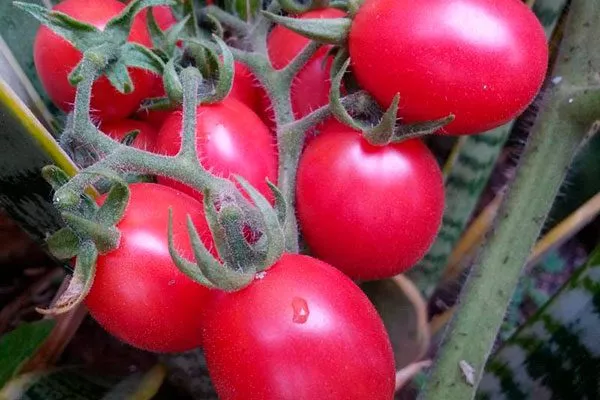
The variety's characteristics include a compact bush and large fruit. Plants reach no more than 80 cm in height, making them ideal for growing on balconies and loggias.
Key varietal characteristics:
- The bushes are small, ranging in height from 50 to 80 cm, with moderate branching and moderate foliage. Growth is determinate, usually trained into one or two stems.
- The leaves are small, juicy green, and tend to curl downward, and the inflorescences are simple and racemose. The first inflorescence appears after six leaves have grown above the third pair of leaves. During harvest, it is important to trim some of the leaves.
- Each cluster produces 5 to 6 tomatoes. There are no barren flowers.
- Pink Novice bushes don't produce many side shoots, and if they do, they're usually at the base of the stem. Staking the plants and installing small supports, if necessary, is recommended. Pink Novice is a heat-loving variety.
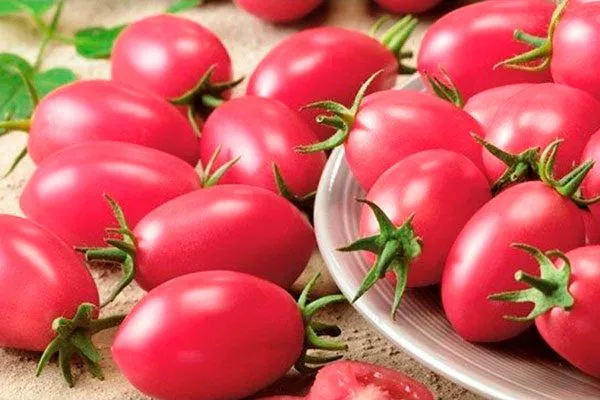
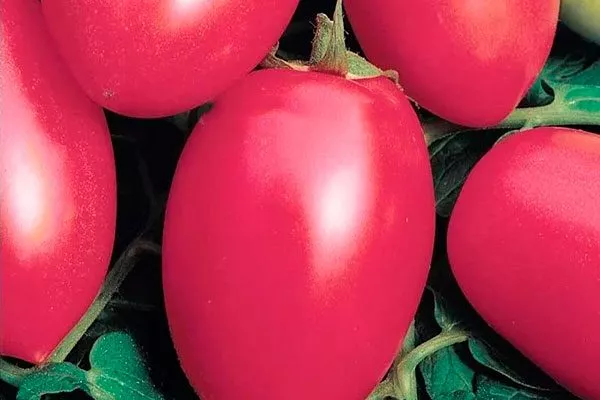
- The fruits are also characterized by their small size, elongated-oval (or plum-shaped) shape and weighing from 80 to 115 g, although sometimes they can reach 150 g. They are pink in color, have moderately juicy pulp, the skin is smooth and very dense, not susceptible to mechanical damage.
- Tomatoes are not prone to overripening and cracking, and are distinguished by good storage and transportability.
Main characteristics and history
The Pink Novice (a variety of the main Novice cultivar) stands out for its unusual hue. These tomatoes are characterized by good disease resistance, require little care, and thrive in any garden. The fruits are renowned for their vibrant aroma and flavor, making them the perfect addition to any holiday table.
Origin and growing regions
Novichok was developed in Volgograd at the State Breeding Station by Russian specialists N. I. Chulkov and L. N. Popova. This variety was included in the Russian Federation State Register in 1986.
The Pink Novice tomato, classified as a determinate variety, was approved for use in 2006. It was developed by breeders L. N. Popova and L. P. Arinina, based on the classic Novichok variety, which is recommended for cultivation in the Lower Volga region.
Ripening and fruiting, productivity
Pink Novice is a mid-late tomato variety, with the first fruits ripening 114-120 days after seedlings emerge. It boasts competitive productivity, and its ability to bear fruit simultaneously makes Pink Novice ideal for large farms.
Fruiting characteristics:
- With proper care, you can harvest over 2-2.5 kg of tomatoes from one plant;
- the yield of this variety is not inferior to Novichok, reaching 8-10 kg per 1 sq. m;
- A distinctive feature of the Pink Newcomer is its heat requirements: unlike the Pink Newcomer, which can be grown in open ground, the Pink Newcomer prefers greenhouses or cultivation in warmer climates.
Tomatoes ripen almost simultaneously, allowing for harvesting within two weeks. In industrial farming, this facilitates mechanized harvesting, allowing the entire area to be harvested simultaneously.
How to use?
Thanks to their firm skin, resistance to cracking, and small size, these tomatoes are ideal for canning. Gardeners prefer to pickle or marinate this variety, as it retains its attractiveness, firmness, and smoothness even after processing.
These tomatoes are also great for:
- making homemade ketchup, sauce and adjika;
- soaking in olive oil;
- consumption raw and in salads.
Ability to resist diseases and pests
When grown in greenhouses, tomatoes can be susceptible to late blight. The biological product Fitosporin is used to prevent and treat the disease in its early stages. Mulching the soil is an effective preventative measure.
If a plant is infected with late blight, the affected parts must be destroyed by burning. Afterwards, the soil in the bed should be treated with a copper sulfate solution. Disease prevention can also be achieved by planting green manure crops such as calendula and marigolds.
Briefly about pests:
- To combat aphids, it is recommended to spray with garlic infusion;
- To get rid of spider mites, the leaves and shoots are washed with a soap solution and then sprinkled with ash;
- Colorado potato beetles can be prevented by growing dill along the edge of the garden bed.
Growing seedlings
It's recommended to grow the Novichok Pink tomato variety from seedlings. Seeds should be sown 60-65 days before transplanting to their permanent location—a vegetable garden, a greenhouse, or under a temporary plastic cover.
Seed preparation
Responsible gardeners never use untested or untreated tomato seeds. Therefore, be sure to follow their recommendations for preparing planting material:
- First, prepare a 5% salt solution by adding 0.5 teaspoon of salt to 100 ml of water. Soak the seeds in the solution for 15 minutes. Healthy seeds will sink to the bottom. These seeds are then rinsed and dried.
- Next, soak them in a pink solution of potassium permanganate for 20 minutes, then rinse again. This disinfects the seeds, killing any potential disease spores, and stimulates germination.
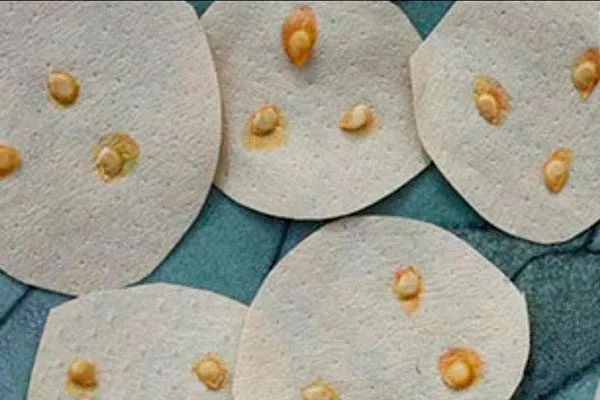
- You can sow the treated seeds directly or pre-germinate them before planting. To do this, place the treated seeds in a damp cloth and leave them in a warm place. When white roots appear, begin sowing.
Preparing soil and containers
Begin preparing the soil mixture a week before the expected sowing time. Most gardeners prefer to use commercially available seedling substrates, which already have an optimally balanced composition. If you're preparing your own, include turf, compost or humus, and sand in the mixture. Wood ash is also important.
To grow tomato seedlings, you can use wooden or plastic boxes or containers. Fill them with prepared soil and soak them in boiling water with potassium permanganate added.
Sowing seeds
Two days after preparing the substrate, begin sowing. Plant the seeds in moist soil, spacing them 1.5 cm apart and planting them about 2 cm deep. If desired, plant 2-3 seeds per hole to ensure germination.
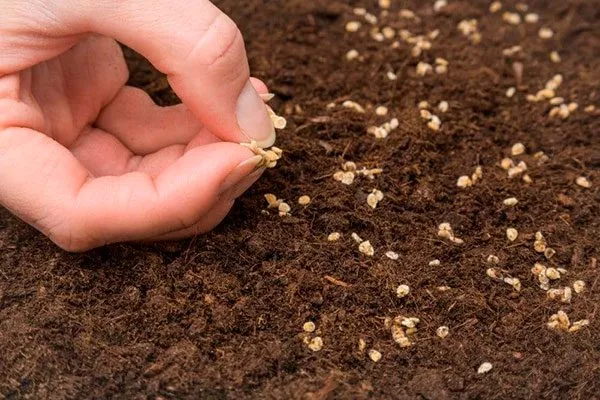
Algorithm of actions:
- Fill the prepared cups or boxes with soil and moisten it.
- Place the seeds.
- Sprinkle a layer of soil on top and compact it lightly.
- Place the containers in a dark place and cover with film or glass until the first shoots appear.
To create conditions as close to greenhouse conditions as possible, periodically open the cellophane for ventilation and water the plantings daily.
Features of seedling care
To support seedling growth during the initial period, maintain a temperature of 21-24°C. Then, lower it for three days: at night to 8-10°C and during the day to 15-16°C. Adequate lighting is essential to prevent the seedlings from becoming elongated and fragile.
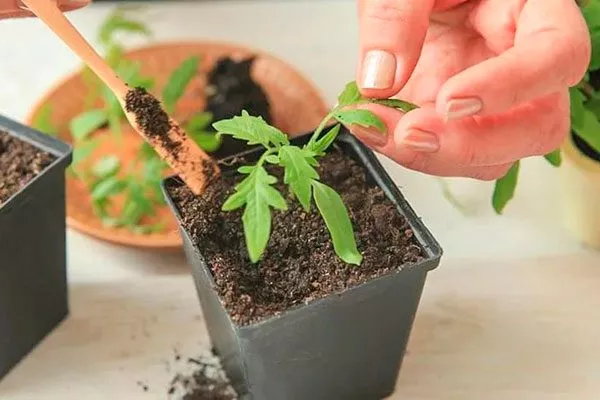
Growing features:
- Water when the top layer of soil is dry. Watering should be moderate to prevent standing water.
- When two or three true leaves appear, it's time to transplant the tomatoes. This step is critical. When transplanting, be careful not to damage the central root.
- No additional feeding is required if the soil is sufficiently fertile. Foliar feeding with wood ash is possible.
- To ensure uniform plant development, regularly rotate the containers with seedlings after placing them on the windowsill.
- Ten days before planting, acclimate the tomatoes outdoors. This should be done gradually, increasing the time the plants spend outdoors. This helps them adapt to the new conditions and reduces stress during transplantation.
Start with 1-2 hours in the shade, gradually increasing the time and moving the seedlings to a sunnier spot. After a week or two, the plants will be able to spend the entire day outdoors.
Planting seedlings in a greenhouse
By the end of May, tomatoes are planted in the greenhouse. They are not planted like seeds, but rather spaced approximately 30 cm apart and at a depth equal to the seedlings' root system. This allows for 4-6 plants per square meter of soil.
- ✓ The optimal soil temperature for planting seedlings should be at least 15°C.
- ✓ The distance between bushes when planting in open ground should be at least 40 cm to ensure sufficient ventilation.
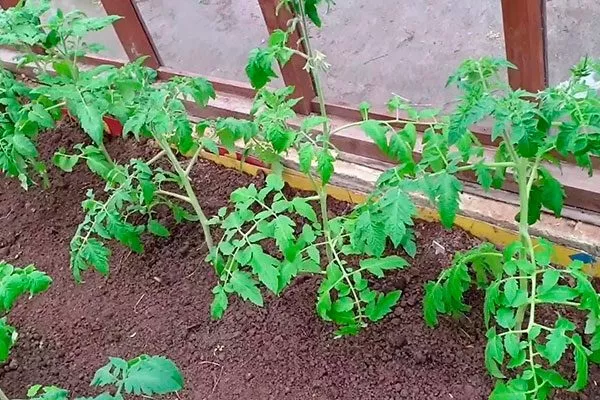
Despite its relatively short stature, the Novik Pink tomato variety produces large fruits and is highly productive, so avoid overcrowding between bushes.
Before transplanting the seedlings, dig the soil and create raised beds. A few days before planting, fertilize the soil. You can use either mineral or organic matter, such as humus, compost, or simply shredded grass. Fertilize the bushes once a month.
Plant care
Be sure to monitor the growth of the bushes and support them if necessary. The Novice Pink variety requires staking due to its large, heavy fruits. If you've chosen vertical staking in a greenhouse, create a support for the bush and attach a branch or stem to it with rope. This will help the plant support the fruit and grow without overload.
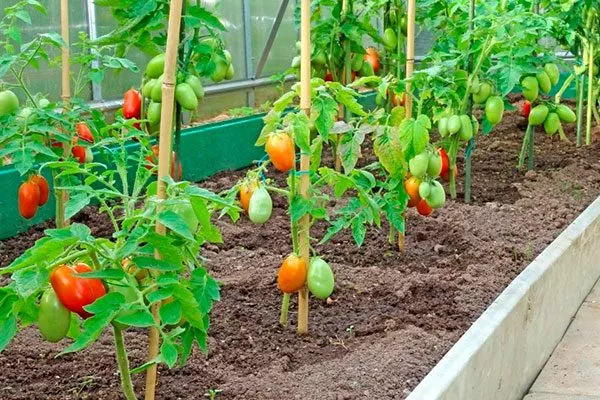
For a horizontal system in a greenhouse, a tightly taut wire or rope is used, stretched from one end to the other. Small ribbons are tied to it to support the stems and branches of the cultivated plants.
Watering features:
- use water at room temperature, watering the plants once or twice a week;
- in hot weather, the number of irrigations is increased to two or three times a week;
- When watering, try to avoid getting water on the leaves to avoid promoting the development of fungal infections and causing sunburn;
- The variety is highly drought-resistant and can survive without water in a greenhouse for up to two weeks.
After each watering, it's recommended to loosen the soil to allow the plant's root system to better oxygenate. This can be done with a hoe or garden tool, gently kneading the soil to a depth of approximately 5 cm.
It is necessary to distinguish between loosening and weeding;
- loosening of the soil should be done after watering;
- Weeding is done only as weeds appear.
Don't forget to promptly remove side shoots—young shoots from the main stem. This will allow the bush to take on a form consisting of a main stem with several branches, which will eventually bear fruit. This approach promotes proper plant development and regular fruiting.
Pest and disease control
Despite good disease resistance, this variety is susceptible to late blight, a fungal infection usually associated with overwatering. If the first symptoms are detected, it is recommended to reduce humidity. Infected leaves should be removed and destroyed to prevent further spread of the disease.
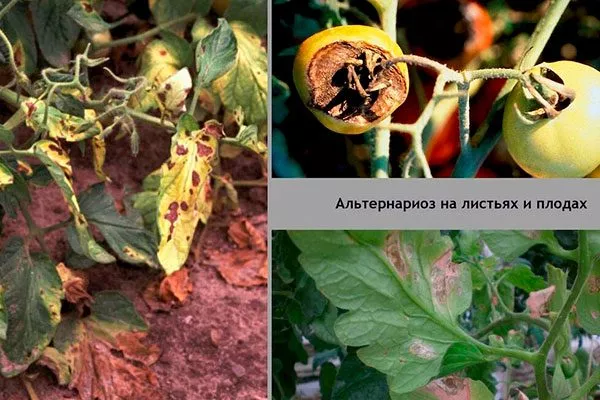
The second problem is mosaic disease, spread by aphids. Signs include the appearance of white or yellow spots on the leaves. If these symptoms are detected, the infected leaves should be removed immediately to prevent them from dying.
The May beetle is a prominent tomato pest. Its larvae damage the root system, which can lead to the death of the plant. Pest control is achieved through the use of specialized pest control chemicals.
The nuances of growing in open ground
The crop is ideal for outdoor cultivation. However, fruiting may begin a week or two later than tomatoes grown indoors.
There are certain factors that may hinder the healthy growth and development of this variety in an open area:
- If there is excess moisture due to rain, plants may develop a bending infection or die due to overwatering.
- Plants grown outdoors are more vulnerable to pests and diseases. For example, late blight can spread through wet leaves after rain.
The likelihood of an invasion of May beetles or aphids increases. - An unexpected cold snap can threaten the health of the Pink Novice and significantly reduce its yield.
Pros and cons
The pink novice has a number of advantages, among which the following stands out:
Some gardeners believe that the simultaneous ripening of fruits is more of a minus than a plus, since they would like a longer fruiting period.
Reviews
Novice Pink is a variety that has stood the test of time and deservedly earned its popularity. Its flavor and ease of cultivation make it an ideal choice for beginning gardeners, and its compact bushes make it suitable even for small spaces, such as a balcony. By following these general recommendations, you'll be able to reap a bountiful harvest of delicious tomatoes.