
Novichok is a mid-early tomato variety characterized by good productivity, excellent flavor, and strong immunity. The bushes are compact and easy to care for, and the fruits are versatile: they are ideal for salads, canning, and processing. The variety easily adapts to a variety of climates.
Breeding history
Novichok is the result of the work of domestic breeders from Volgograd: Chulkov N.I., Popova L.N., Arinina L.P. and Brezhnev D.D. It was officially recognized in 1986. It quickly became popular due to its good varietal characteristics.
The crop is especially popular in temperate latitudes: Eastern Europe, Northern Asia, and the southern regions of Russia. The plants are successfully grown in open beds, but in unstable climates, the crop also performs well in greenhouses.
Description of bushes and fruits
Determinate plants reach up to 80 cm in height. Although the lateral shoots are dense and dense, they are not considered standard varieties.
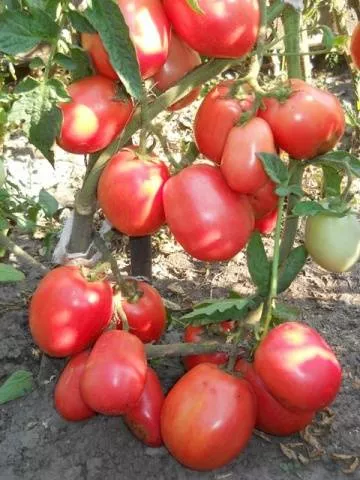
Distinguishing characteristics:
- The bushes are moderately branched and foliated, which requires tying to a support.
- The leaves are medium-sized and a classic green. The first fruit cluster appears after the sixth leaf, with subsequent clusters appearing one to two leaves later.
- Each brush produces 5-6 fruits.
- Ripe tomatoes take on a reddish-orange hue, depending on the variety and can be red or pink, unblemished. They weigh between 70 and 100 grams.
- The vegetables have an oval, plum-shaped shape with a smooth, dense skin that is resistant to cracking.
- There are 3 to 5 seed chambers in each tomato.
Taste properties, subtleties of use
Small, thick-skinned fruits are popular among gardeners. Ripe tomatoes have a classic tomato flavor without any pronounced characteristics. Their meaty texture is complemented by slightly acidic notes in the aftertaste.
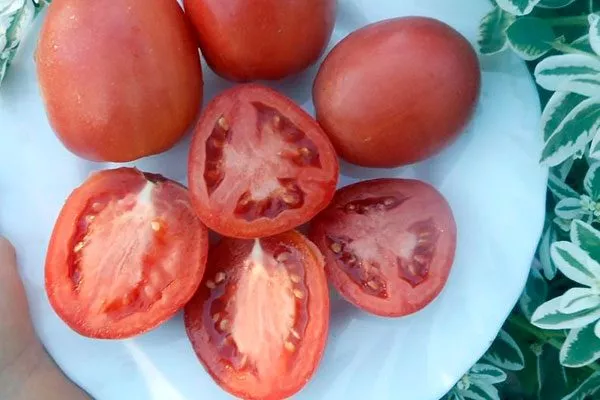
The harvest is ideal for fresh salads, canning, and especially whole preserves. Homemakers often use the vegetables for freezing, drying, and curing.
Ripening time, productivity
Novichok is a mid-season variety. Tomatoes ripen 114-127 days after germination. The harvest is typically ready in late August or early September, depending on the climate in the growing region.
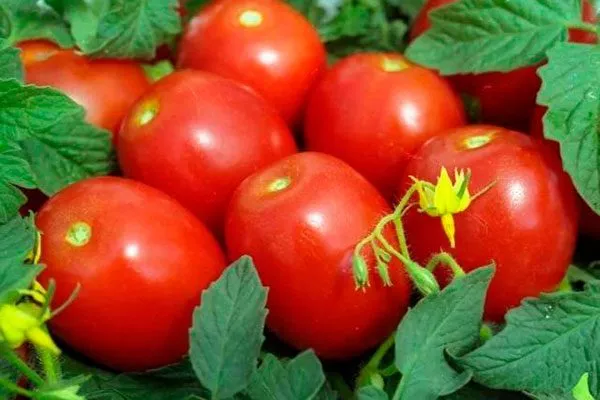
In industrial cultivation, yields reach 417-508 centners per hectare. Small farms can harvest 4.2 to 5.5 kg per square meter.
Varieties of the variety
Novichok has two subtypes with similar characteristics. Each has its own characteristics and advantages.
| Name | Ripening period | Disease resistance | Fruit color |
|---|---|---|---|
| Newbie pink | 114-127 days | High | Pink |
| Newbie de luxe | 114-127 days | Very high | Red |
Newbie pink
The variety was bred in 2003. Since 2006, it has been registered in the State Register of Breeding Achievements of the Russian Federation.
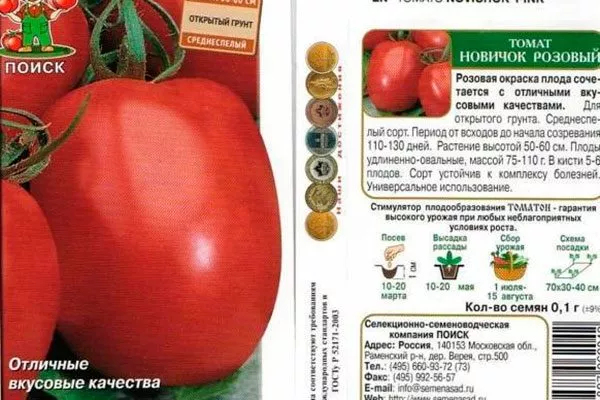
The fruits are large and pink in color. Tomato weights range from 80 to 113 g. The flavor is rated as good, and approximately 89% of the tomatoes retain their marketable appearance. One of the main advantages of the pink Novichok is its high drought tolerance.
Newbie de luxe
Tomatoes are versatile: they are added to fresh salads, canned, or processed into tomato products. The average fruit weight is 66-110 g, and their flavor is noted as excellent.
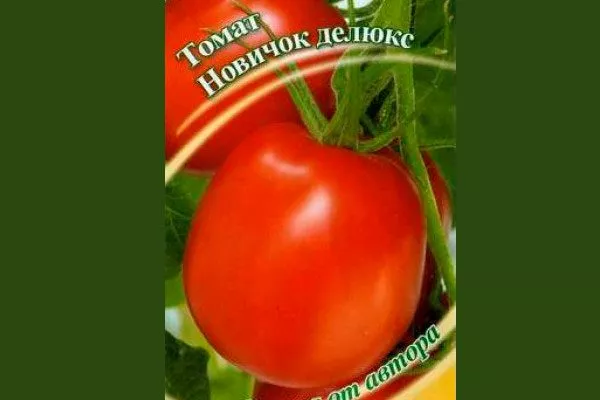
This variety is rarely susceptible to verticillium wilt and fusarium. Its strong immunity makes it a reliable choice for growing even in unfavorable conditions.
Growing seedlings
To ensure strong, high-quality seedlings, it's important to carefully follow the planting and care instructions. By following all the guidelines, you'll be able to grow seedlings that will reward you with bountiful harvests in the future.
Seed preparation
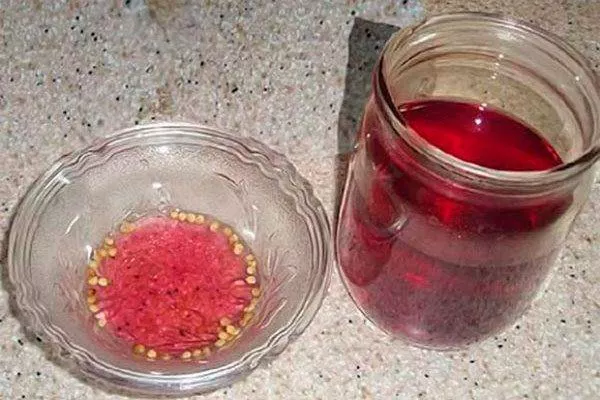
The first step in growing seedlings is preparing the seeds. The optimal time for sprouting them is the second half of March. Soak the seeds in hot water for 30 minutes to disinfect them. Then, begin sprouting: spread the seeds on a hard surface, covering them with damp cheesecloth.
- ✓ The water temperature for soaking seeds should be at least 50°C for effective disinfection.
- ✓ The distance between rows when sowing seeds should be at least 3 cm to ensure sufficient space for growth.
Preparing soil and containers
Begin cultivating the soil in advance, approximately five days before sowing. Follow these recommendations:
- Use ready-made seedling mixes that you can buy in the store, as they already contain a balance of all the necessary nutrients.
- You can prepare the soil yourself: mix turf, compost or humus, and sand. Add wood ash to the mixture to improve its composition.
- Do not use fresh manure on seedlings or in planting holes, as it can cause excessive growth of greenery and contribute to the spread of diseases.
Grow seedlings in wooden or plastic boxes and containers. Fill them with prepared soil and rinse with boiling water with potassium permanganate for disinfection.
Sowing seeds
Two days after preparing the soil, begin planting the seeds, but be sure to plant them in moist soil. Place the seeds in rows, leaving 1.5 cm between seedlings, and maintain a planting depth of approximately 2 cm. Sow 2-3 seeds per cell to ensure robust growth.
Features of seedling care
Until seedlings emerge, maintain a temperature of 21-24°C. After germination, lower the temperature for a few days: at night, it should be around 8-10°C, and during the day, no higher than 15-16°C. Lighting should be adequate to prevent the seedlings from becoming elongated and weakened.
Other care measures:
- Water the seedlings as the top layer of soil dries out. Water sparingly to avoid waterlogging.
- When the seedlings have 2-3 true leaves, transplant them. When transplanting, lightly pinch the central root to encourage the development of lateral roots.
- If the soil was nutritious enough, fertilizers are not required, but you can carry out foliar feeding by sprinkling the plants with wood ash.
- To ensure uniform growth, rotate the seedling containers regularly.
Ten days before planting, begin hardening off the seedlings, gradually increasing the time they spend outdoors.
Planting seedlings
Plant seedlings based on the region's climate, but always after the danger of frost has passed. Plant seedlings in a greenhouse at the end of May, and in open ground or under temporary plastic shelters no earlier than June 10.
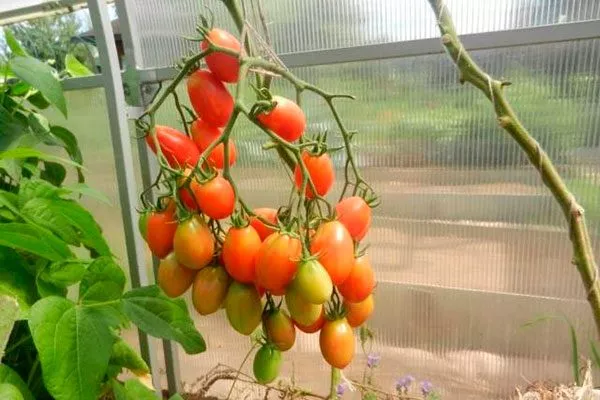
According to the variety description, the recommended planting pattern for pink or red Novichok tomatoes is 7 plants per square meter. A popular planting pattern is a staggered pattern.
The nuances of growing in open ground
The Novice variety is ideal for growing in garden beds. Keep in mind that the tomatoes will ripen several weeks later than those grown in a greenhouse.
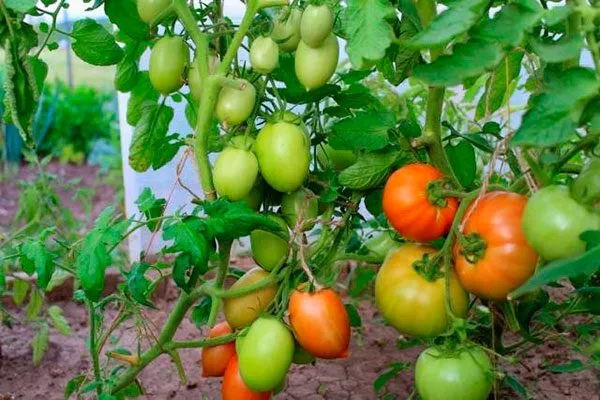
There are several factors that can negatively affect the health of bushes in open ground:
- Rains. Excess moisture can lead to fungal diseases or even death of the crop.
- Pests and diseases. Vegetable garden plants are more vulnerable to pest attacks and infections, including late blight, which can spread in damp environments, as well as attacks by cockchafers and aphids.
- Frosts. A sudden cold snap can cause serious damage to crops, significantly reducing productivity.
Keep an eye on the bushes and take timely measures to prevent possible difficulties.
Further care
To obtain a juicy and high-quality harvest, Novychok requires proper care. Follow standard agricultural practices:
- Water the bushes as needed with settled water, avoiding contact with the leaves and flowers. To simplify the process, install a drip irrigation system. Further reduce the frequency of watering by mulching the root zone.
- Fertilize the crop 2-3 times per season. At the beginning of the growing season, the fertilizer should be predominantly nitrogen, and at the end, potassium and phosphorus.
To prevent shoot deformation and tomato plant contact with the soil, install vertical supports and tie the shoots to them. Regularly loosen the soil and remove weeds.
Prevention of tomato pests and diseases
Despite the variety's strong immunity, plants can be affected by the fungal disease late blight. This often occurs due to overwatering, so at the first sign of the disease, reduce watering and remove and destroy all damaged leaves to prevent the spread of the infection.
The crop can be susceptible to mosaic disease, which is carried by aphids. If white or yellow spots appear on the leaves, this may be a sign of disease. Affected leaves will fall off, but to prevent this, remove them immediately.
Bushes can be attacked by pests, especially the cockchafer. Its larvae damage the plant's roots, which can lead to death. Remove the insects by hand or use chemicals.
Harvesting and storage of crops
Once the tomatoes are fully red and have acquired an elongated cylindrical shape, begin picking them from the bushes. They typically ripen in July and August.
Follow these recommendations:
- Pick the fruits carefully so as not to damage either the branch or the tomato itself.
- For storage, place the vegetables in a box lined with newspaper. Avoid stacking too many tomatoes in one box to avoid damaging the lower ones.
- Place the containers in a dry place, away from direct sunlight. The room temperature should not exceed 6°C, otherwise the tomatoes will spoil.
If you want to store vegetables for a long time (more than three weeks), pick them slightly unripe and put them in boxes to ripen.
Pros and cons
Novichok tomatoes, whether pink or red, have many qualities that are highly valued by gardeners. Among the advantages noted are:
- Mid-early ripening period: The fruits ripen quite early, and most of them can be picked at the same time.
- Low bushes: The variety has a compact form with a minimum number of side shoots, which makes plant care much easier.
- No need for a garter: Although staking the shoots is not necessary, using small stakes to support them will not hurt.
- Good productivity: A single plant yields over 2 kg of tomatoes. Up to 7 plants are planted per square meter, ensuring an impressive harvest.
- Excellent shelf life and high level of transportability: Vegetables retain their commercial and taste qualities even during long-term storage and transportation over long distances.
- Universal use: Tomatoes are suitable for a variety of purposes. They are not only eaten fresh but also used for winter preserves.
- Cold and drought resistance: The variety is successfully cultivated in various climatic conditions, both in open and protected ground.
- Disease resistance: Plants rarely suffer from diseases, so they are cultivated even without the use of chemical pesticides.
Overall, Novichok has no shortcomings. The only requirement for an excellent harvest is following all agricultural recommendations and care guidelines.
Reviews
The Novichok tomato is an excellent choice for gardeners looking for an easy-to-grow and productive variety. The plants rarely get sick, tolerate a variety of climates well, and offer a pleasant flavor. By following important cultivation guidelines, you can harvest high-quality tomatoes in large quantities.