
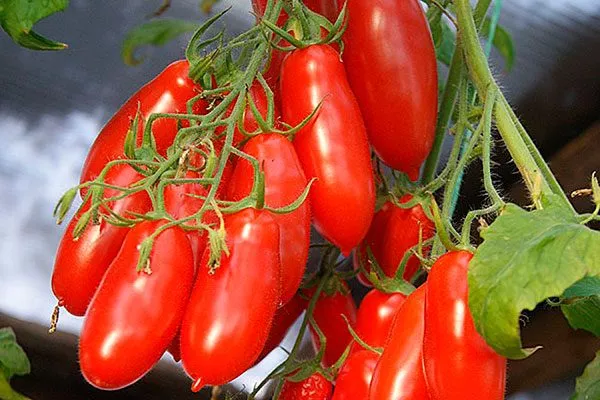
The Niagara tomato is a relatively new variety bred in Siberia, easily identified by its unusual fruit shape. Its plum-shaped fruits resemble a pepper. These tomatoes are ideal for whole canning, and the variety is easy to grow and requires little maintenance.
Who and when bred the Niagara tomato?
The Niagara variety was developed by A.A. Kaminin. The cultivar's originator is Agros, agrotechnological firm. It was approved for cultivation in 2010.
It is recommended for cultivation in the Northern, Northwestern, Central, Volga-Vyatka, Central Black Earth, North Caucasian and Middle Volga regions.
Description of the variety
Niagara tomato plants grow tall and are indeterminate. The leaves are medium-sized, green, and standard-shaped. The bushes reach a height of 1.8-2 m.

- ✓ The fruits have a unique pepper-shaped form with a spout, making them ideal for canning.
- ✓ The bushes reach a height of 1.8-2 m, which requires mandatory garter.
Fruit characteristics:
- Unripe fruit color: green.
- Color of ripe fruit: red.
- Form: elongated-oval, pepper-shaped, with a spout.
- Skin: smooth.
- Weight: 90-100 g
Taste and purpose of fruits
Niagara tomatoes have an excellent taste, rich and sweet, with a slight sourness that adds a piquant flavor.
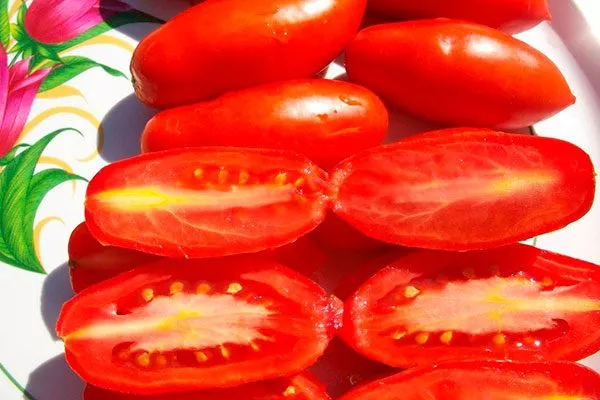
Elongated tomatoes are versatile—they're suitable for fresh consumption and whole-fruit canning. They can also be used in various culinary dishes, sauces, ketchups, tomato juice, and more.
Characteristics
The Niagara tomato is a mid-season variety. It takes 110 days from germination to the first fruits ripening. This variety is highly productive, yielding 8-9 kg of ripe fruits per square meter.
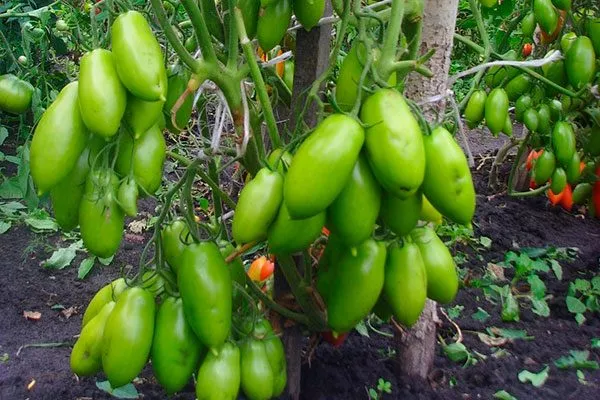
If you plant 3 or 4 bushes per 1 square meter (this is the number of plants per unit area specified by the variety's agricultural technology), the average yield of the Niagara tomato is 2-3 kg.
Pros and cons
The Niagara tomato boasts a long list of advantages that are sure to attract the attention of gardeners. However, this variety also has its drawbacks. To avoid disappointment, familiarize yourself with all the pros and cons of the Niagara tomato beforehand; this variety may not be suitable for your garden or your intended purposes.
Landing features
The Niagara tomato can be grown both in open ground and in plastic greenhouses. The latter option is preferable, given its tendency to fruit drop and its poor tolerance to damp weather.
How to choose a site?
Choose south-facing sites for planting. Niagara tomato plants require eight hours of daylight. Drafts and strong, gusty winds are undesirable, but good air circulation is beneficial, as it prevents the spread of late blight.
Good predecessors for the Niagara tomato include legumes, pumpkins, all types of cabbage, onions, and garlic. Tomatoes should not be planted for at least three years where nightshade crops such as peppers, potatoes, and eggplants were grown.
Soil preparation
The soil in the beds or under the plastic cover is prepared in the fall. The area is dug to a depth of 25-30 cm, after spreading fertilizer and other components. To improve fertility, organic matter such as humus, compost, and rotted manure are added to the soil.
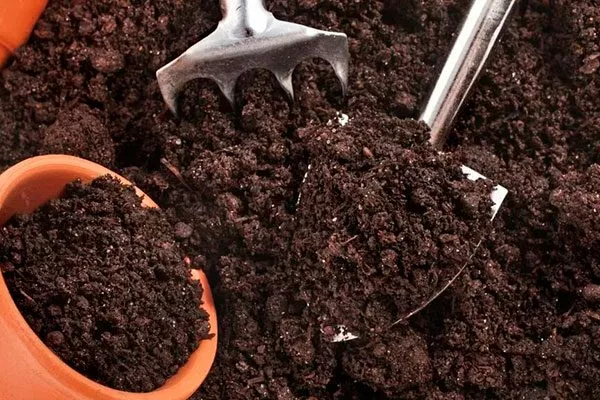
- ✓ The pH level must be strictly in the range of 6.0-7.0, otherwise the plant will not be able to absorb nutrients.
- ✓ The soil must be well-drained to avoid waterlogging and root rot.
Mineral fertilizers, such as superphosphate and urea, can also be added to the soil during digging, at a rate of 20 g and 10 g, respectively. The pH should be between 6.0 and 7.0. If the soil is highly acidic, add slaked lime; if it is low, add lowland peat.
Sowing for seedlings
Niagara tomato seedlings are sown in March—the exact timing depends on the regional climate. The seedlings grow for approximately 50-60 days.
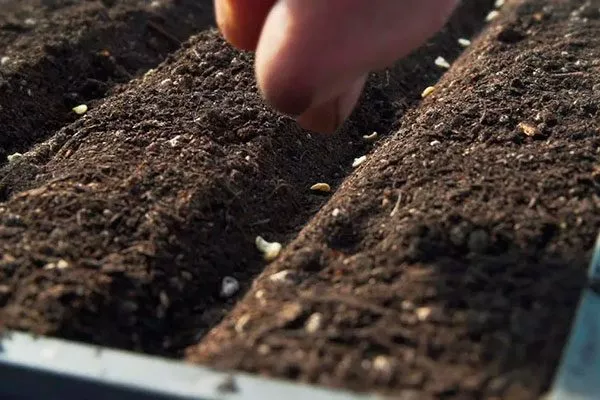
First, you need to prepare the seeds and containers for planting:
- The seeds are first disinfected in a potassium permanganate solution, then in a growth stimulant such as Epin, Zircon, or Heteroauxin. It is also recommended to warm the seeds, harden them in the refrigerator, and germinate them.
- Peat pots or regular containers filled with soil are used for growing. Empty containers are disinfected beforehand by dousing them with boiling water or treating them with disinfectants.
- To fill empty containers, cups, or pots, use ready-made, store-bought substrates. Specially designed tomato seedlings are available at garden centers, such as InHome Green, Morris Green, Veltorf, and others.
- Instead of store-bought substrates, you can use homemade potting mixes. However, they must be disinfected, for example, by baking them in the oven or soaking them in a potassium permanganate solution.
- The soil mixture can be prepared, for example, from peat, sand, and humus (compost), mixed in a 1:1:1 ratio. Wood ash and wood shavings are also added to the mixture for loosening.
- Another recipe for a soil mixture for growing tomato seedlings is to mix turf, peat, and humus (1:2:1). Add 3 tablespoons of superphosphate to 10 liters of substrate.
Once everything is ready, the pots are filled with potting soil, and the seeds have sprouted, you can begin sowing. You should also prepare the water in advance by letting it sit for 2-3 days.
Features of sowing Niagara tomatoes:
- The soil in containers or other planting containers is moistened with a spray bottle. Small furrows are then made in the soil at intervals of 3-4 cm. Seeds are placed in the furrows, spaced 2-3 cm apart. The furrows are 1 cm deep. The seeds are covered with a thin layer of soil.
- The seeds are sprayed again with water and then covered with plastic film to create a greenhouse effect and speed up germination. Larger containers can be covered with glass.
- The container with the seeds is placed in a warm room with diffused light. The optimal temperature is 23 to 25°C. The cover is removed daily to allow the seeds to air out. As soon as the seedlings begin to emerge, the film or glass is removed immediately. Otherwise, the emerging sprouts may be damaged.
Caring for seedlings
To grow strong and healthy seedlings, it is necessary to provide them with the appropriate temperature conditions. It is also important to maintain the required duration of light, water and fertilize, and monitor the health of the seedlings.
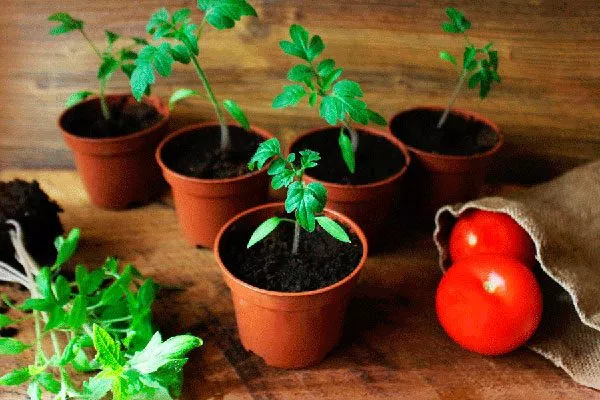
Features of caring for Niagara tomato seedlings:
- Immediately after germination, seedlings are provided with 24-hour light for 3-5 days. Lamps are turned on for this purpose. By the fourth or fifth week, daylight hours are reduced to 11-12 hours.
- After removing the cover, the temperature is lowered to 14–16°C. This helps slow the seedlings' growth and prevent them from stretching. After a week, the temperature is raised to 20–22°C.
- For the first three weeks, water the seedlings no more than 1-2 times a week. After picking and transplanting the seedlings into individual cups, watering is increased to 3-4 times a week.
Water is first sprayed from a spray bottle, but in such a way that it does not fall on the leaves. When the plants grow, they are watered from a watering can, also very carefully. Sprinkling is dangerous for tomato seedlings, it can provoke the development of fungal infections. - When the seedlings have 2-3 true leaves, they are pricked out. The central root is pinched back by 1/3. Two weeks after pricking out, they are fed with complex mineral fertilizers, such as Fertika Lux. Two feedings before planting the seedlings in the ground are sufficient.
Transplanting
Seedlings are planted outdoors in May or June, depending on the regional climate. Indoors, they are planted 2-3 weeks earlier. In both cases, the soil temperature should reach 12-14°C.

When planting outdoors, it's also important to wait for stable warmth—between 18 and 22°C. Furthermore, the threat of frost should have passed.
Features of planting Niagara variety seedlings:
- The optimal planting pattern in open ground is a staggered pattern. Space adjacent holes 40 cm apart, and rows 120 cm apart. In a greenhouse, seedlings are planted in rows, using a ribbon pattern.
- The size of the holes depends on the size of the root ball—it should fit comfortably. Typically, the holes are 15 cm deep and 20 cm in diameter.
- Fertilizers are added to the holes—rotted manure, wood ash, and superphosphate. Then, water is added—3-5 liters. Wait about an hour for the soil to settle. Then, the seedlings are planted and watered again.
The next watering is done in about 10 days to help the seedlings establish themselves more quickly. However, if there is unusually hot weather, the plants will need watering.
Care Features
The Niagara variety, like the crop in general, requires specific care. To obtain the best possible harvest, standard care is required, including watering, fertilizing, loosening the soil, and other plant maintenance.
Watering and loosening
Niagara tomatoes are watered 1-2 times a week. If it's hot, watering increases to 3-4 times a week; in damp weather, water less frequently. The best time to water outdoors is morning or evening.
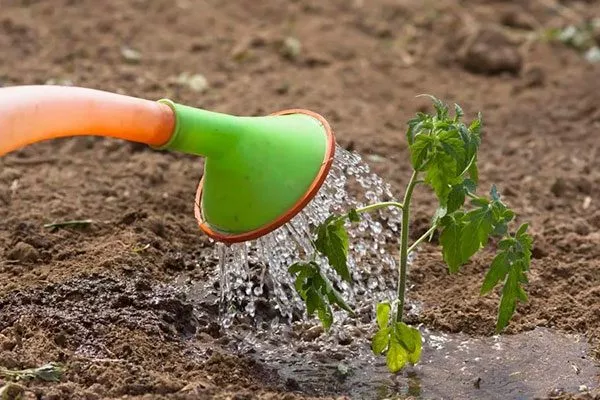
In greenhouses, tomatoes are watered in the morning. The watering rate depends on the age of the tomato plants and the weather, and ranges from 2 to 8 liters per plant.
Fertilizing
Niagara tomatoes require fertilization at least three times per season. Fertilizer composition varies depending on the growing season. It is recommended to alternate between organic and mineral fertilizers.
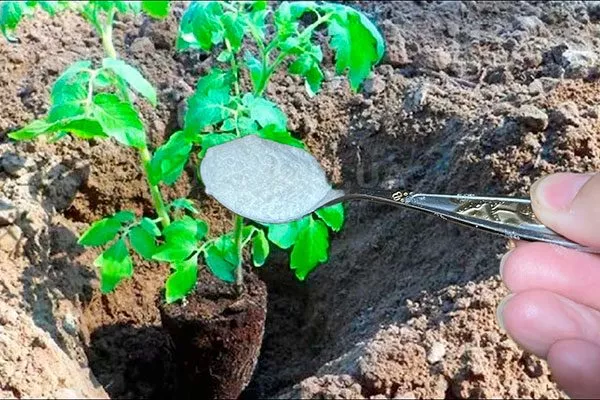
Approximate feeding regime:
- Fertilizer is applied for the first time two weeks after planting the seedlings. At this stage, tomatoes require nitrogen-containing fertilizers. For example, you can apply chicken manure infusion, urea, or potassium sulfate.
- The second feeding is done when the first ovaries are forming. During this period, tomatoes require phosphorus and potassium, as well as various micro- and macroelements: boron, calcium, sulfur, magnesium, etc. Fertilizers can be supplemented with potassium monophosphate, Kemira-Lux complex, or a wood ash solution with added iodine and boric acid.
- The third feeding is done during the fruit ripening stage. The bushes again require potassium and phosphorus, as well as calcium and boron.
Shaping and garter
Niagara tomato plants are trained with 2-3 stems. Side shoots are removed when they reach 4-5 cm in length. To increase yield, side shoots are removed every 2 weeks.
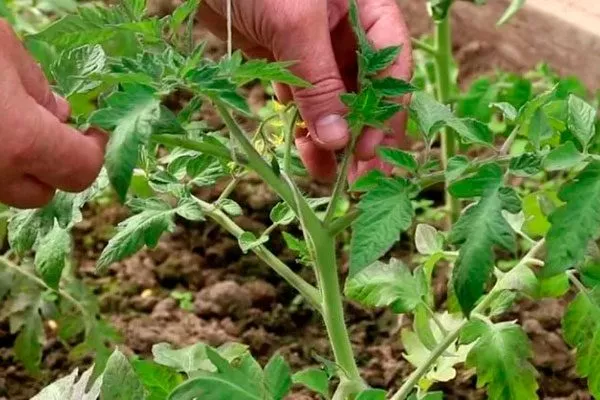
Staking is essential for the Niagara variety, as its bushes are very tall and require support. When growing this tomato in a greenhouse, trellises are used; in open ground, vertical supports are more convenient.
Diseases and pests
The variety is resistant to many diseases, provided proper agricultural practices are followed. Failure to follow these practices, especially when combined with unfavorable weather conditions (high humidity, rain, cool temperatures, etc.), can lead to blossom-end rot. Rainy summers also increase the risk of late blight.
Various biological preparations (Fitosporin, Trichoderma veride) are used to prevent and treat fungal and bacterial infections, as ripening tomatoes should not be eaten after chemical treatment. Folk remedies such as a milk-iodine solution, potassium permanganate, and the like can also be used.
The Colorado potato beetle is the most dangerous pest for the Niagara variety. Control agents such as Aktara, Decis, Inta-Vir, and Karbofos are used. Bushes can also be attacked by aphids, spider mites, and whiteflies if they infest. To combat these and other pests, use products such as Batrider, Biotlin, and Kleschevit.
Harvesting
In a greenhouse, harvesting occurs in late July and August; in open ground, it occurs a couple of weeks later. The Niagara variety's fruiting period is extended and can last until late autumn.
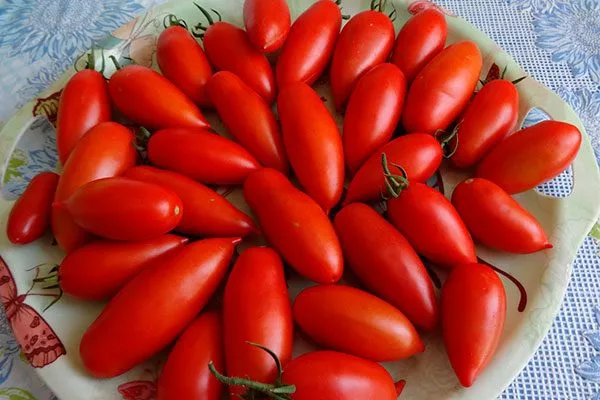
The fruits are picked carefully, keeping in mind their tendency to fall off. It is recommended to pick the first 3-4 bunches when they are fully ripe.
Reviews
The Niagara tomato is a productive and easy-to-grow variety, making it an excellent choice for home canning enthusiasts. With proper care, its vigorous and robust plants will be covered in elongated fruits, ideal for pickling.