
The No Worries, No Fuss tomatoes are small and elongated. These vibrant tomatoes boast excellent flavor and versatile uses. Their compact bushes don't take up much space, even in small gardens. With proper cultivation, this variety will reward you with generous harvests of high-quality vegetables.
Breeding history, growing regions
Developed by Russian breeders with the goal of creating tomatoes that would meet the basic requirements of gardeners: good productivity, protection from late blight, and no need for pinching.
It is not included in the State Register. The crop is grown in regions with a temperate climate, including the Central, Volga, and Southern regions of Russia.
Description of the bush and fruits
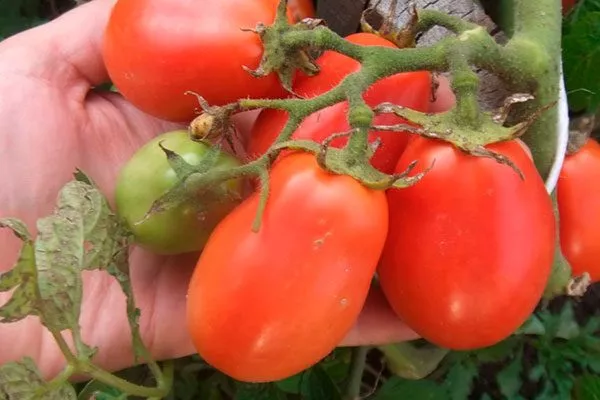
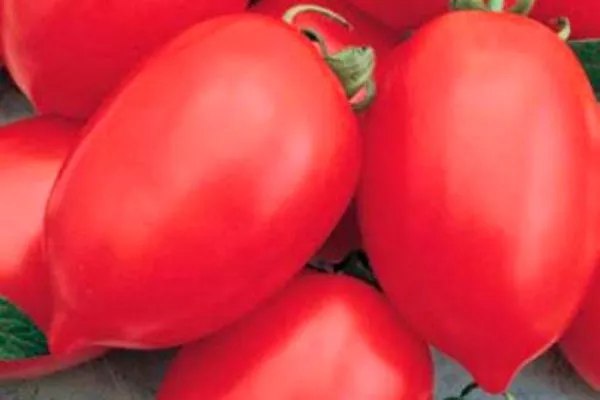
The plants are short, never exceeding 50 cm. This is convenient because there's no need to tie the stems. The shoots produce fleshy, oblong tomatoes, bright red in color. They have a slightly elongated tip and thick, smooth skin.
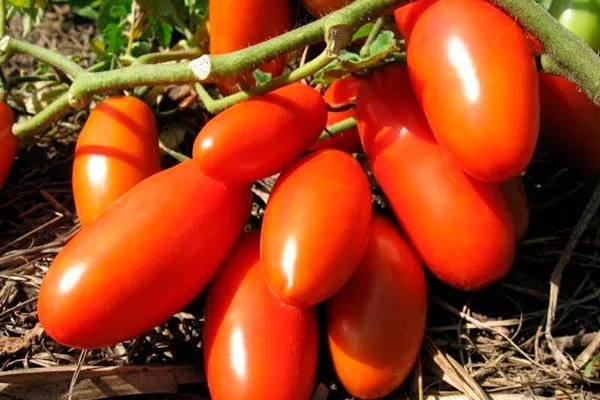
Tomatoes grow in clusters, each containing 5-6 fruits. Each fruit weighs between 50 and 55 grams.
Main characteristics
No hassle, no fuss—a great choice for beginning gardeners. These versatile vegetables will delight the whole family, as they can be added to a variety of dishes.
The variety attracts attention with the following qualities:
- Purpose and taste. Tomatoes are ideal for salads and canning. They have a slightly tart flavor, but the main note is sweet. Sauces and tomato paste are made from the fruits.
- Productivity, ripening time. This is an early-ripening variety—from germination to ripening, the vegetables take only 95 days. The yield is high—approximately 5 kg per square meter. The vegetables are fully harvested by early August.
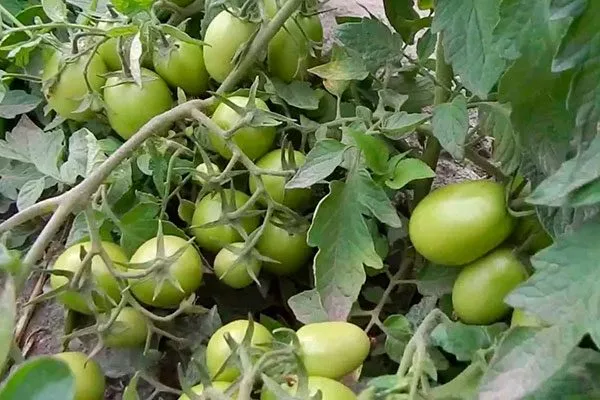
Features of cultivation
The event doesn't require any special skills, so even a beginner can easily handle it. It's important to adhere to certain requirements.
- ✓ The optimal soil temperature for sowing seeds should not be below +15°C.
- ✓ The distance between bushes when planting in open ground should be at least 40 cm to ensure sufficient aeration.
Sowing for seedlings
Sow seeds 50-60 days before transplanting seedlings into the ground. Treated seeds require no further treatment. Disinfection is only necessary for hand-harvested seedlings:
- Soak the grains in a solution of potassium permanganate (1 g per 100 ml of water) for 15-20 minutes to disinfect them. This will help prevent disease.
- To increase germination, harden the seeds. To do this, first place them in the refrigerator (at a temperature of about +3-5°C) for 1-2 days, then in a warm place (up to +25°C) for 24 hours.
- Germinate the planting material. Place the seeds on a damp cloth and leave at 20-25°C until small roots appear.
- Use biostimulants – Epin or Zircon.
These steps will help increase the likelihood of uniform germination and strengthen the plants from the very beginning of their development.
Next, follow the instructions:
- Fill the prepared container with soil mixture, make furrows at a distance of 1 cm from each other and place the seeds at intervals of 1-1.5 cm.
- Cover the top with a 0.5-1 cm layer of soil and moisten.
- Cover the container with film and place it in a warm room with a temperature of at least +20˚C.
After the seedlings appear, remove the cover and reduce the temperature to +15˚C.
Picking, transplanting into the ground
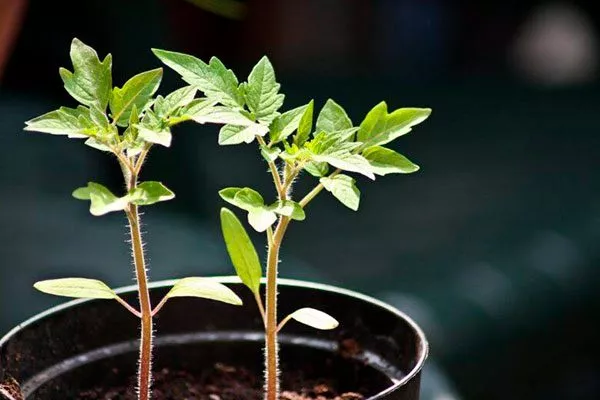
Move the plants to individual pots when the seedlings have two true leaves. Gently firm the soil around the seedlings, then water. To develop a strong root system, transplant the seedlings when they have two true leaves.
Hardening off seedlings is an important step that helps them adapt to external conditions and reduces stress. Follow these recommendations:
- Seven to ten days before transplanting into the soil, begin exposing the seedlings to fresh air. Initially, leave them outside for 1-2 hours in the shade, gradually increasing the time spent outside and exposing them to sunlight. This will help them adapt to temperature fluctuations and daylight.
- During the first few days, avoid exposing the seedlings to strong winds or rain. Place them in a protected area to prevent damage. During this period, the air temperature should be between 15-20°C during the day and no lower than 8°C at night.
- Maintain moderate soil moisture in containers while hardening off. Overwatering can lead to root rot, while dry soil can lead to desiccation.
- Once the seedlings are strong and adapted to the outdoor conditions, transplant them into open ground. Water them thoroughly the day before.
Carry out the event on a cloudy or rainy day to minimize stress on the plants and facilitate their adaptation to the new location.
Watering and fertilizing
Water the plant with warm, settled water in the morning or evening, when the sun is not shining brightly. Apply the water at the roots to prevent drips from falling on the leaves. Watering once a week is sufficient. The recommended dosage per plant is 5 liters.
Fertilize tomatoes three times per season:
- 7 days after transplantation. For the solution, take 10 liters of water, 20 g of nitrophoska, and 500 ml of liquid mullein. Pour 500 ml of the mixture under each bush.
- During the flowering period. Dissolve 20 g of superphosphate, 5 g of potassium sulfate, and 500 ml of bird droppings in 10 liters of water. Use 1 liter of the solution per plant.
- After fruit set. Mix 1.5 liters of ash, 10 ml of iodine, and 10 g of boric acid in 10 liters of water. Apply 1 liter of the solution per bush.
Soil care
Hill up tomatoes twice during the growing season: when the first roots appear on the stem after transplanting and when the lower part of the stem begins to darken. Follow other important agricultural practices to ensure healthy growth of the plants and vegetables.
Care procedures:
- Weeding. Remove weeds that compete with crops for water, light, and nutrients. Do this regularly to prevent them from taking over the area and weakening the plants. Pay special attention to weeding during the active growth period, before weeds have a chance to develop well.
- Loosening. After watering or rain, the soil surface can become crusty, impeding air and water penetration to the roots. Fluffing the soil breaks up the crust, improving root aeration and stimulating growth.
- Mulching. Covering the soil with a layer of organic material (straw, compost, sawdust, grass) helps retain moisture, preventing evaporation and reducing weed growth. Mulch maintains a stable soil temperature, preventing it from overheating in the summer and freezing in the winter.
Comprehensive care helps maintain optimal conditions for plant growth, ensuring they are well-nourished and protected from adverse factors.
Pest and disease control, prevention
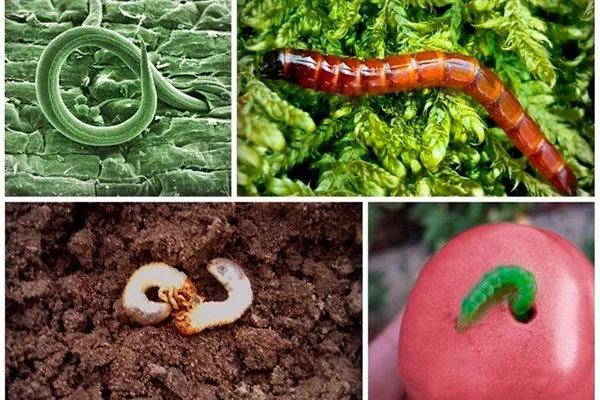
Early detection of problems will help preserve the harvest. Regularly inspect the bushes for diseases. To prevent them, treat the beds with fungicides such as Radomil or Acrobat.
| Method | Efficiency | Period of application |
|---|---|---|
| Manual collection | Low | All season |
| Insecticides | High | Before flowering |
Please adhere to the following rules:
- Practice crop rotation: plant the same crop in the same place no more than once every 3-4 years.
- Carry out pre-sowing soil cultivation and apply fertilizers.
- Disinfect seeds before sowing for seedlings.
- Maintain a watering regime and mulch the beds.
Manual pest control is limited in effectiveness. Before flowering, spray plants with insecticides. The following products are suitable for killing the Colorado potato beetle: Komandor, Iskra, and Zubr. For whitefly protection, use Actellic or Aktara.
Pros and cons
Carefully examine the advantages and disadvantages of each variety to prevent potential problems in the future. Key advantages include:
The variety does have a few drawbacks. For a normal yield, seedlings are essential. At temperatures above 30°C, tomatoes will not set fruit. Growing the bushes in a greenhouse wastes valuable planting space.
Reviews
The "No Worry, No Fuss" tomato provides gardeners with excellent results without any extra effort. Its early maturity, versatility, and resistance to external factors make it popular and in demand. It's ideal for both open ground and greenhouses, delivering a consistent harvest with minimal labor.