
Nepas is a low-growing variety that appeals to vegetable growers because it eliminates the need to remove side shoots. Its numerous varieties are ideal for gardeners who don't have much time to devote to gardening. These bushes produce abundant fruit in greenhouses and open ground, but also thrive indoors.
General description and history of selection
The variety's name was not accidental. It doesn't require pinching or shaping, making it much easier to care for. Domestic breeders developed Nepas in 2017. Over the years, many gardeners in our country have come to love it. Lukyanenko A. N., Dubinin S. V., and Dubinina I. N. worked on its creation.
Main characteristics:
- Bushes. Determinate, low-growing (usually up to 50 cm), compact. They do not require shaping or staking.
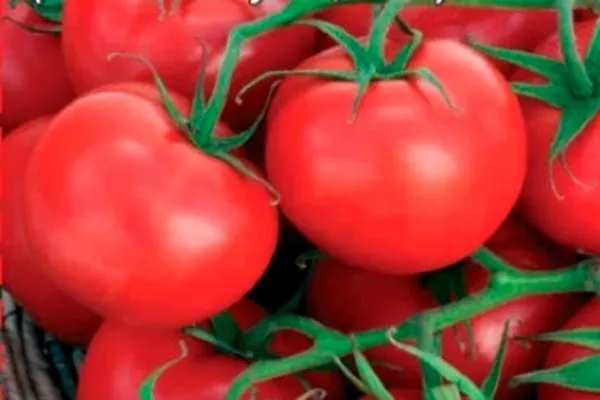
- Tomatoes. A variety of shapes and colors: from classic red to yellow, striped, and even cherry. Weight varies by variety, but averages between 50 and 150 grams. The dense skin ensures resistance to cracking.
- Productivity. Average, stable yield, depending on the specific variety. Fruit forms uniformly, making it convenient for mass harvesting.
- Application. Versatile: suitable for fresh consumption, canning, juice and paste making.
Characterized by high resistance to most tomato diseases and tolerates a variety of weather conditions.
Types of line
Breeders have developed several subspecies of the Nepas tomato. All have unique qualities, allowing you to choose the perfect variety for your garden. The varieties differ in size, skin color, and flavor. Each variety has its own distinct advantages.
| Name | Ripening period | Bush height | Fruit color |
|---|---|---|---|
| Nepas 1 early ripening | early | 50-60 cm | bright red |
| Nepas 2 | mid-early | 60-70 cm | crimson |
| Nepas 3 | early | up to 50 cm | pink |
| Nepas 4 | average | up to 50 cm | bright orange |
| Nepas 5 | average | 50-60 cm | orange |
| Nepas 6 | early | up to 50 cm | red |
| Nepas 7 | mid-early | up to 80 cm | bright purple |
| Nepas 8 | average | 60-70 cm | bright red |
| Nepas 9 | early | up to 75 cm | bright red |
| Nepas 10 | early | up to 70 cm | pink |
| Nepas 11 | ultra-early | up to 35 cm | bright red |
| Nepas 12 | early | up to 50 cm | red |
| Nepas 13 | average | up to 50 cm | red |
| Nepas 14 | average | up to 80 cm | bright red |
Nepas 1 early ripening
A determinate plant with a strong, stable stem, devoid of lateral shoots that usually require removal. Distinguishing characteristics:
- The height of the bush reaches 60 cm, but usually does not exceed 50 cm.
- The plant has moderate foliage. The leaves are medium-sized and a rich, dark green color.
- It belongs to the early or mid-early varieties and is characterized by resistance to adverse weather conditions and ease of care.
- It has high immunity and is suitable for cultivation in all regions of Russia.
- The tomatoes are round, slightly flattened, bright red in color, and weigh between 50 and 80 g.
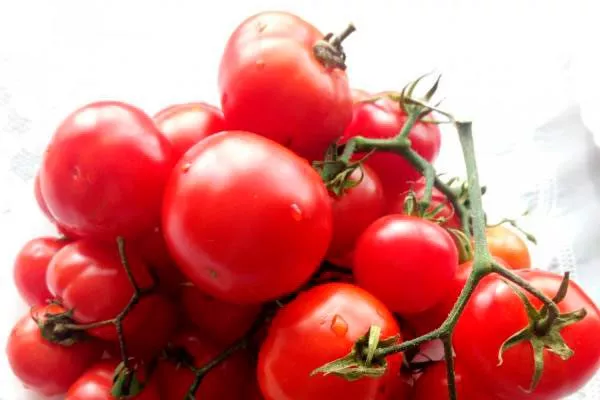
The fruits are versatile in use: suitable for fresh consumption, cooking and seasoning, and for preserving whole or as snacks.
Nepas 2
The bush reaches 60-70 cm in height, is compact, and doesn't take long to ripen. Distinguishing characteristics of the fruits:
- Form - rounded.
- Peel - smooth, raspberry.
- Weight - varies from 40 to 110 g.
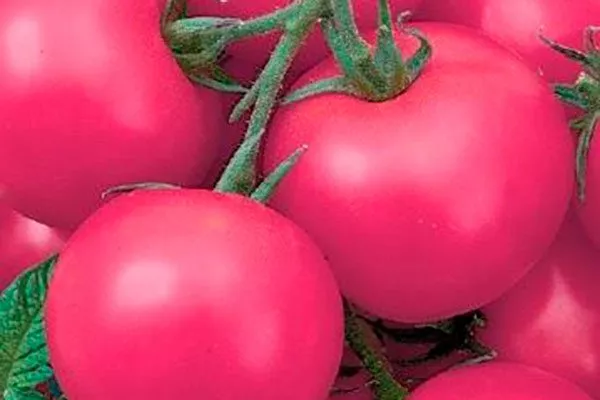
High yields can be achieved in regions with hot climates, provided regular watering is provided. The variety is resistant to weather fluctuations, and the average yield is approximately 5 kg per square meter. A distinctive feature of this variety is its excellent taste when pickled, making it an ideal choice for canning.
Nepas 3
This is one of the earliest subspecies, with a maturation period of approximately 90 days. Its main characteristics:
- Bushes – compact, not exceeding 50 cm in height.
- Fruits – round, juicy and fleshy, with pink skin.
- Weight - varies from 100 to 140 g.
- Taste - It has a pleasant sweetness.
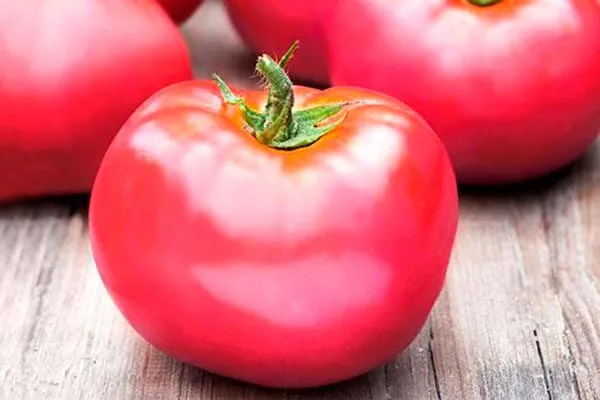
The variety is highly resistant to weather fluctuations, allowing it to be grown in a wide range of climates. The tomatoes ripen uniformly, yielding up to 7 kg per square meter.
Nepas 4
Characterized by increased productivity. Although the tomatoes weigh only 70-80 grams, up to 10 kg of high-quality harvest can be collected per square meter. The tomatoes are heart-shaped and have bright orange skin when ripe. The flesh is dense, juicy, and has a pleasant flavor.
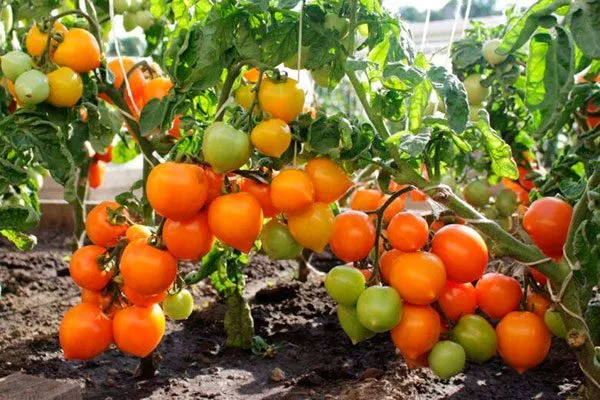
Main advantages of the variety:
- ideal for winter preparations due to its dense structure;
- resistant to late blight and gray mold.
To maintain yield, it is recommended to apply fertilizer several times per season.
Nepas 5
It belongs to the standard low-growing varieties, with a bush height of 50-60 cm. The vegetation period is 105 days.
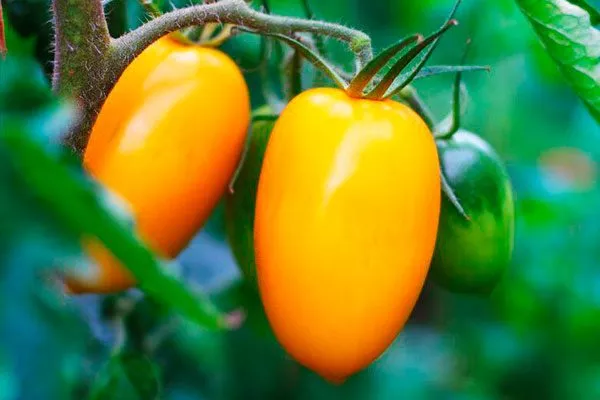
Distinctive features of tomatoes:
- Coloring – orange.
- Form - slightly elongated with barely noticeable ribs and a characteristic “nose.
- Weight - varies from 60 to 80 g.
Thanks to their thick skin, these tomatoes store well and withstand long-distance transportation without losing quality. This variety is ideal for whole-fruit canning, making it a versatile choice for preserves.
Nepas 6
The crop is distinguished by its low maintenance and strong immunity to fungal diseases, heat, and cold. The plants grow equally well in both greenhouses and open ground.
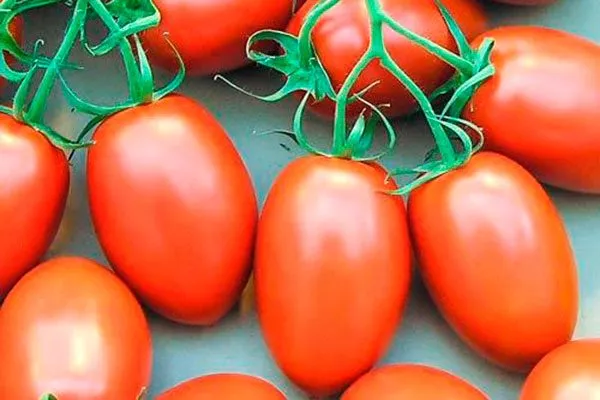
Main characteristics:
- The tomatoes are oval in shape, red in color, and have a small “nose.”
- Each brush produces up to six tomatoes weighing about 80 g.
- Thanks to the dense structure of the peel, the fruits do not crack even with changes in temperature and air humidity, making this variety a reliable choice for any region.
The yield reaches up to 9 kg per 1 sq. m.
Nepas 7
This variety attracts attention with its large vegetables, which, when mature, reach a weight of up to 200 g. Description of the plant and fruits:
- The bushes reach a height of 80 cm.
- The tomatoes are round and smooth in shape, with bright purple, dense skin and a shiny surface.
- The flavor of ripe tomatoes combines sourness and sweetness, making them an excellent choice for fresh consumption and cooking.
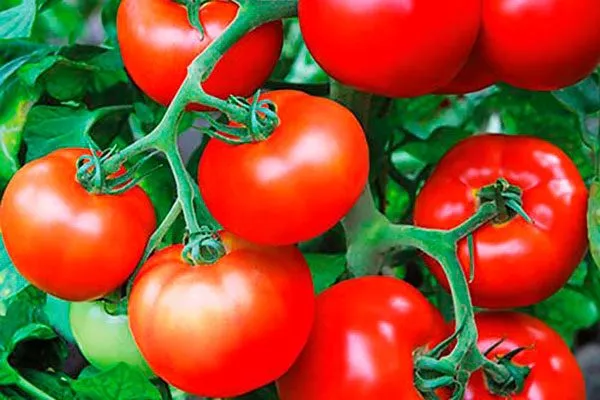
Productivity is 7-8 kg per 1 square meter. It belongs to the mid-early subspecies: the first harvest can be collected 3.5 months after planting.
Nepas 8
The plant is determinate, reaching a maximum height of 60-70 cm. Harvesting takes 3-4 months from planting.
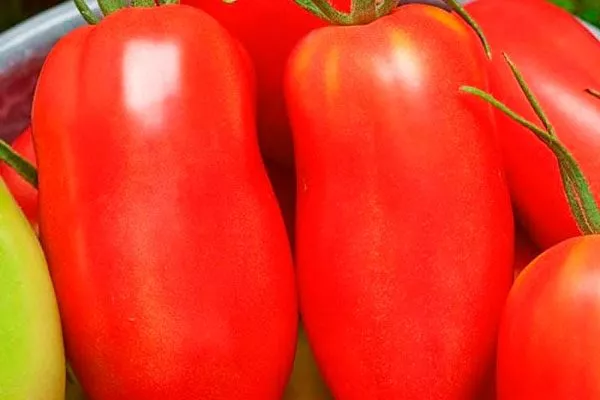
Main qualities:
- The yield of the variety is 6-7 kg per 1 sq. m.
- The weight of plum tomatoes with a pointed nose varies from 55 to 60 g.
- The skin is bright red with an orange tint when fully ripe.
- Each brush produces up to six vegetables.
This variety adapts well to both dry and rainy conditions and is resistant to most fungal diseases.
Nepas 9
The bushes are compact and low-growing – up to 75 cm. The tomatoes are elongated, each weighing approximately 50 g. They are bright red in color and have a dense flesh structure, making them suitable for a variety of uses.
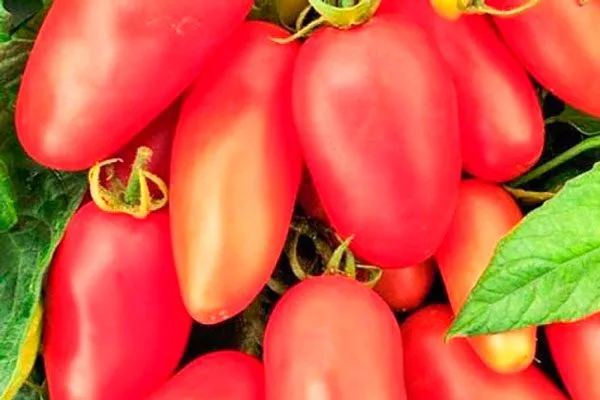
This early-ripening variety takes no more than 115 days from germination to harvesting ripe tomatoes. It is prized for its high yield, early maturity, immunity, and versatility.
Nepas 10
The crop is characterized by excellent early maturity – vegetables mature in 100 days. Distinguishing features:
- Tomatoes - When ripe, they are small (about 75 g), round in shape, with pink skin decorated with yellow stripes.
- Pulp – sweet and sour, juicy.
- Bushes – low (up to 70 cm), which allows them to be used as a decorative element to decorate the area.
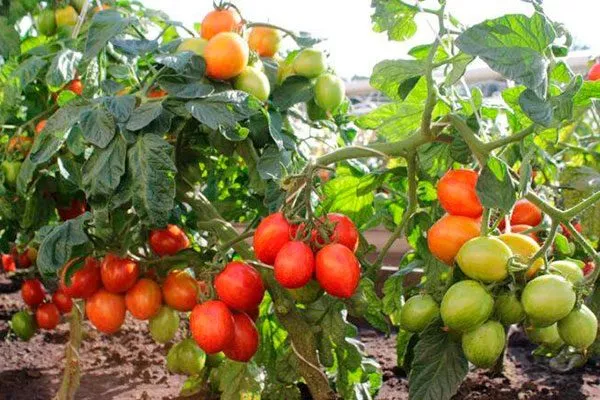
The average yield of the variety is 6 kg per 1 sq. m.
Nepas 11
This subspecies is ideal for growing in pots on a windowsill, as its bushes reach only 35 cm in height. The fruits are numerous, bright red, weighing no more than 20 g. One of its main advantages is its ultra-early ripening period—up to 95 days.
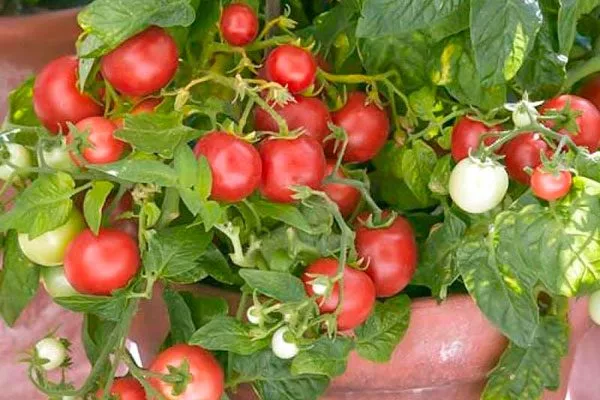
The plant tolerates low light levels well and can grow in partial shade. These qualities make it an excellent choice for apartments and spaces with limited sunlight.
Nepas 12
It's characterized by its low maintenance and rapid maturation—approximately 95 days—which allows it to be sown directly into the soil without the need for seedlings. The plants are short, reaching up to 50 cm, yet the fruits can reach a weight of up to 150 g.
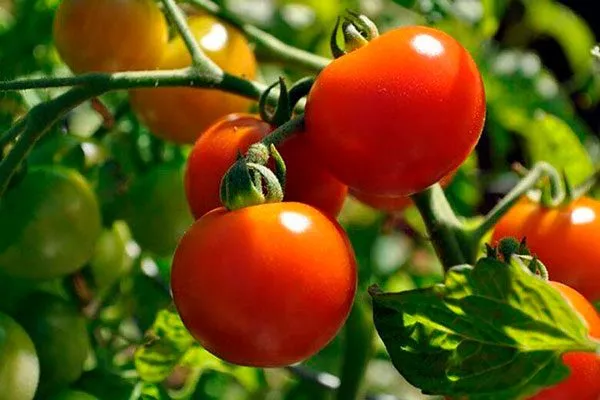
The variety yields 7-8 kg per square meter. It easily tolerates harsh weather conditions and is immune to major diseases, making it an excellent choice for a variety of climates and regions.
Nepas 13
This variety stands out among other subspecies for its sweet, rich taste, excellent shelf life, and ability to withstand long-distance transport.
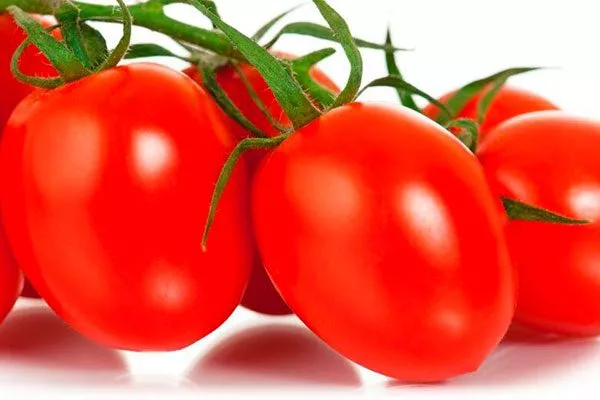
Distinctive features:
- The tomatoes are plum-shaped.
- The peel is red.
- The weight of tomatoes reaches up to 90 g.
- Fruiting is abundant, reaching 5-6 kg per 1 sq. m.
Nepas 13 has proven itself particularly well in southern regions, where it exhibits high heat tolerance – making it an ideal solution for growing in open ground.
Nepas 14
The bushes are medium-sized, reaching 80 cm in height. This is a mid-season variety, with the vegetables ripening 100 days after germination.
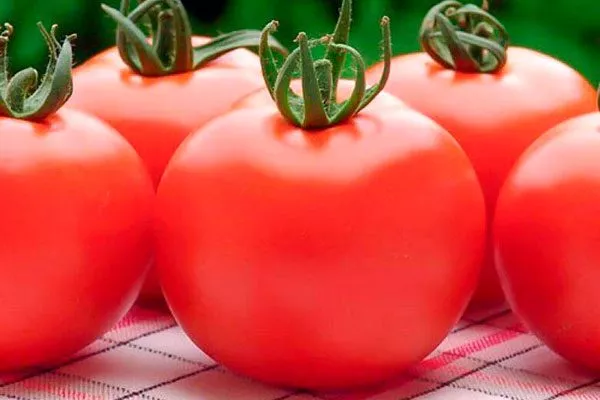
Characteristics of tomatoes:
- Shade – bright red.
- Weight - about 100 g
- Taste - sweet.
- Aroma – saturated.
The bushes adapt well to weather changes and unfavorable climatic conditions.
Other subspecies
There are several varieties that are no less popular and in demand than the main Nepas varieties. The following varieties are distinguished:
- Nepas Bema. The plant reaches a height of about 1.5 meters and produces large, bright red tomatoes. The tomato flesh is firm, juicy, and has a pleasant, sweet flavor. This variety is highly resistant to temperature fluctuations and retains its freshness for a long time after harvest.
- Nepas Lastik. Characterized by compact growth and a small height, reaching approximately 60 cm, the tomatoes have a rounded shape and weigh between 90 and 100 g. The tomato flesh is juicy and sweet, with few seeds. The crop is rarely susceptible to diseases and pests.
- Nepas Ultra. This is an early-ripening variety. The tomatoes begin to ripen just 75-80 days after planting. The tomatoes are round and an unusually beautiful orange color. The flesh is juicy and sweet, with a rich aroma. The bushes are disease- and weather-resistant.
Each subspecies has its own specific characteristics, but their good characteristics attract the attention of even novice gardeners.
Features of tomatoes that do not require pinching
Varieties that don't require side shoot removal are an ideal solution for growers who can't spend much time shaping their plants. This is convenient for large-scale cultivation.
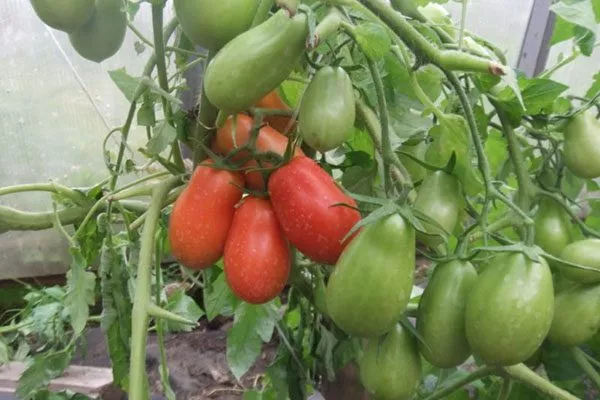
Peculiarities:
- If you choose a low-growing variety with a sturdy bush 40-50 cm tall, it will be able to support the weight of the harvest. These tomatoes can even be grown on a windowsill.
- If you don't have a greenhouse, standard varieties are ideal for open ground or greenhouses. For indoor planting, it's best to choose compact varieties with sparse foliage.
- The plants are resilient to low temperatures. Many gardeners plant them directly in the ground, without first growing seedlings.
- Seedlings are planted in late April, and seeds in mid-May. Before planting, it's best to soak the seedlings in wet cheesecloth for 3-4 hours.
Low-growing varieties that do not require side shoots are rarely affected by late blight, which usually attacks plants at the end of August, when the crop has already produced almost its entire harvest.
Characteristics
The tomatoes have a rich tomato flavor with a slight tartness. They are ideal for commercial cultivation due to their excellent transportability and shelf life.
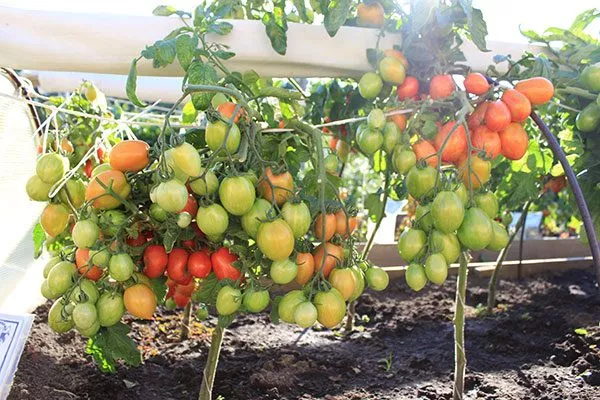
The variety's ripening period ranges from 105 to 110 days. The crop is characterized by good productivity, with an average yield of 6.3 kg per square meter.
The Nepas variety is resistant to diseases and pests, making it an ideal choice for beginning gardeners. It grows successfully both in the open ground and in a greenhouse.
How to grow Nepas series varieties?
Varieties are cultivated in a variety of ways, allowing you to find the best option for any conditions. They are traditionally grown using seedlings or directly sown in open ground. It's important to choose the most suitable solution.
Methods
Some gardeners, who prefer minimal effort, grow Nepas series tomatoes without seedlings, sowing seeds directly into the soil. Since tomatoes thrive in warmth, the seeds are placed in pre-prepared, warm furrows, raised beds, or even buckets.
Growing Tomatoes in Buckets
This method has been widely used since the mid-20th century. It's not only simple and convenient, but sometimes even yields a better harvest than traditional ground planting.
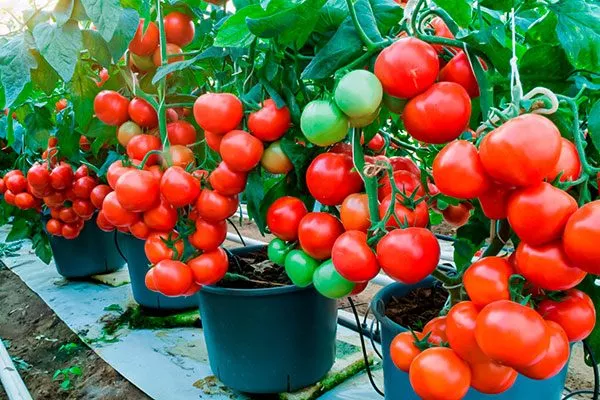
Advantages of the method:
- Mobility: The containers are easy to move depending on weather conditions. In case of frost, they can be moved to a greenhouse or indoors.
- Rapid soil warming: It is especially effective in metal or black buckets, which promotes accelerated growth of tomatoes.
- Economy: Water and fertilizers are used rationally, providing maximum nutrition to plants.
- Minimum care: Rare weeding and good conditions for sunlight.
- Aesthetics: Buckets can be used as decorative elements in the garden.
To fill the containers, prepare a soil mixture of equal parts turf and humus. Add 300 g of wood ash to each bucket. To improve the soil structure, add peat or sawdust. Steam the mixture over an open fire and treat it with a solution of potassium permanganate (1 g per 10 liters of water).
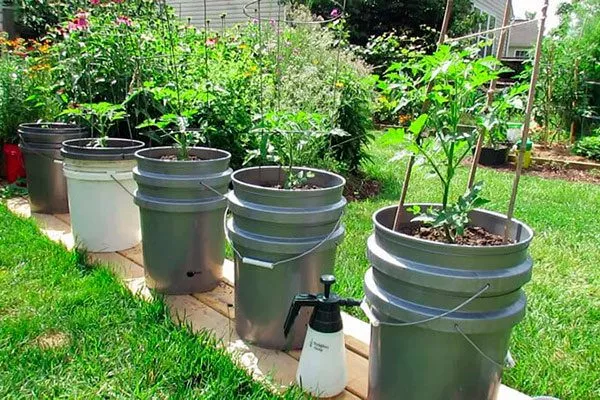
Preparing containers:
- If the bucket has a bottom, make holes in it to drain excess water. To prevent the liquid from draining too quickly, line the bottom with a drainage layer (broken brick or expanded clay) and cover it with non-woven fabric.
- An alternative option is to use buckets without a bottom, which allows the plants to take root in the soil.
This method provides excellent conditions for tomato growth even in unfavorable climates, and its simplicity makes it popular among gardeners.
In box beds
It consists of a raised bed enclosed by frames made of wooden planks or rods. The optimal dimensions for such structures are 6 m long and 1.2 m wide, although these dimensions can be adjusted depending on available space.
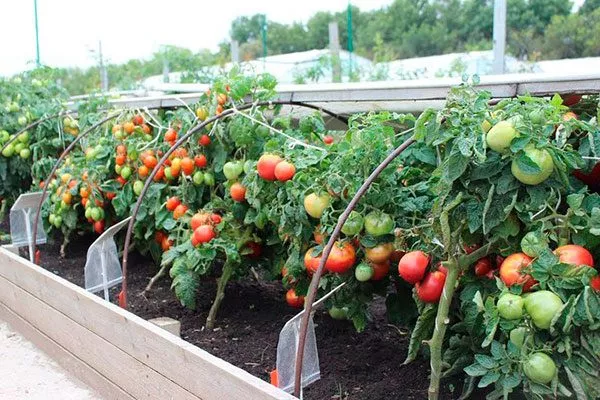
To extend the growing season and speed up the ripening of the crop, as well as to protect plants from adverse weather conditions, install arches on the beds and stretch covering material over them, such as film or non-woven fabric.
Create a box-shaped garden bed using plant scraps and food waste, which generate heat as they decompose. This allows you to successfully grow tomatoes in these "containers," starting right from sowing seeds.
Sowing seedlings and transplanting
Growing seedlings for subsequent transplantation into the ground is a more complex task, but it can be accomplished by following certain rules.
Preparing seeds, soil and site
Before sowing, treat the seeds to improve germination and prepare the seedbeds. Follow these recommendations:
- Harden the seeds by placing them in a potassium permanganate solution for several hours to disinfect them. Then place them in warm water for 24 hours to swell. Dry the seeds on a paper towel to prevent them from sticking to your fingers.
- For sowing, prepare light, nutritious, well-drained soil. A mixture of peat, humus, and turf is ideal. Add a little sand to improve drainage. Pre-treat the soil with a weak solution of potassium permanganate or Fitosporin to prevent diseases.
- If you plan to transplant seedlings into open ground, the area should be well-lit and protected from cold winds. Fertilize the soil with compost or humus and dig it to a depth of 20-25 cm.
- ✓ Optimum soil temperature for planting seeds: +18-25°C.
- ✓ Seed planting depth: 1-2 cm.
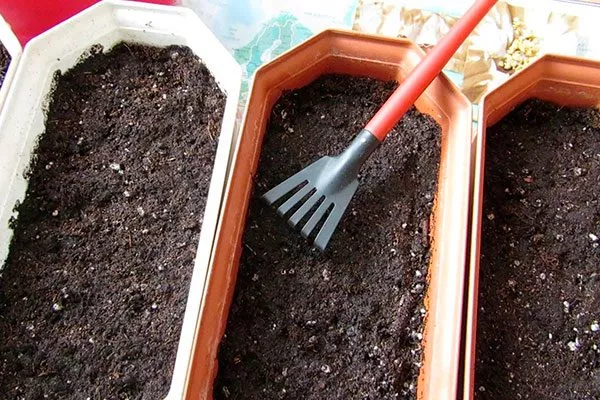
Sowing and growing conditions
Use small containers or trays with individual cells. Plant the seeds 1-2 cm deep in the soil, leaving about 2-3 cm between them. After sowing, cover the containers with plastic or glass to create a greenhouse effect.
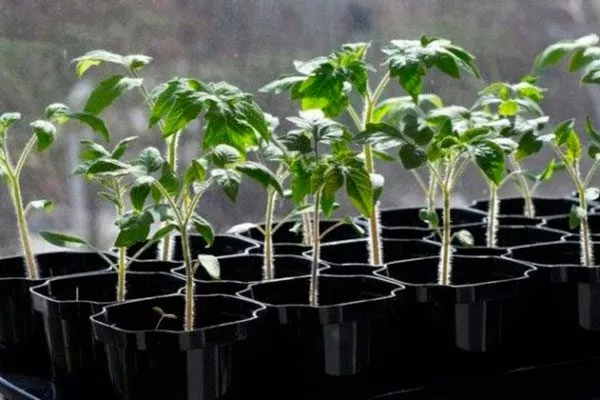
After sowing, keep the seedlings in warm conditions (18-25°C), providing adequate light. If light is insufficient, use supplemental lighting. When the first shoots appear, reduce the temperature to 18-20°C to prevent the seedlings from stretching. Water the seedlings regularly with warm, settled water.
Seedling care and replanting
When tomato seedlings begin to grow vigorously, provide them with fertilizer to stimulate growth. Use organic fertilizer or a solution of complex mineral compounds. Fertilize the seedlings 1-2 times a month, starting two weeks after germination.
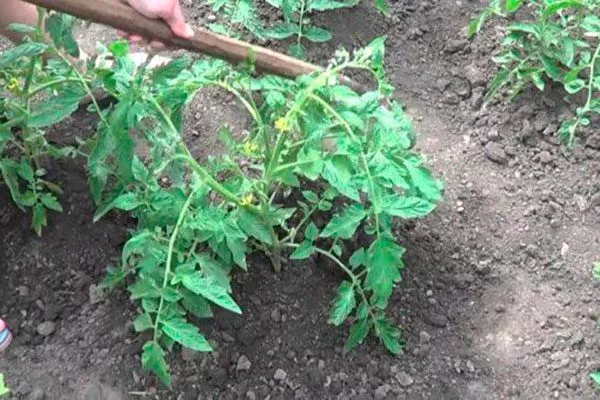
Monitor soil moisture, avoiding overwatering, and ventilate seedlings to prevent diseases.
Follow the rules:
- Transplant the seedlings into open ground when the threat of frost has passed and the soil temperature has warmed up to +15°C.
- Harden off the seedlings first by gradually exposing them to fresh air.
- In open ground, move the plants at a distance of 40-50 cm from each other so that the bushes can develop freely.
After planting, water the plants and cover them with film to protect them from the cold during the first days.
Recommendations for further care
Once tomatoes have successfully adapted to open ground or a greenhouse, regular care of the bushes becomes an important step to ensure optimal conditions for growth and fruiting.
Follow standard agricultural practices:
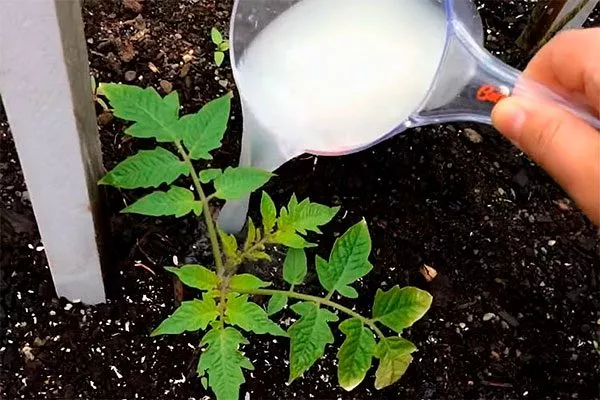
- Watering. Water the plants regularly—at least once every 4-5 days. Initially, use warm, settled water, pouring it under the roots. Once the plants are established, use water that's cooler than room temperature.

Tomatoes prefer infrequent but abundant watering, which promotes the development of healthy roots and accelerates the ripening process of the fruit. - Fertilizers. During the budding stage, a yeast fertilizer is effective (20 g dry yeast and 60 g sugar per 10 liters of water); let it steep for 2 hours. Dilute the solution 1:10 and pour it under the roots. Additionally, add wood ash – it will enrich the soil with calcium and potassium.
- To promote fruit formation, use two fertilizing options: dissolve 20 g of nitrophoska and 5 g of dry sodium humate in 10 liters of water, or add 20 ml of liquid sodium humate and 40 g of superphosphate to 10 liters of water. Pour the solution under the roots at a rate of 5 liters per square meter.
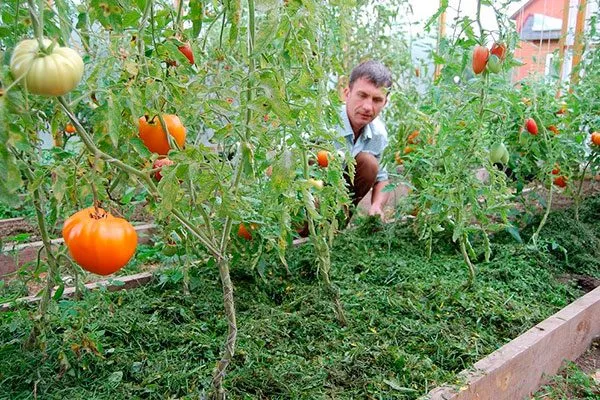
- Mulching. To conserve moisture and prevent weed growth, cover the beds with a layer of mulch made from hay, straw, peat, or compost. This helps maintain a stable soil temperature, protects the roots from overheating, and reduces the need for frequent watering.
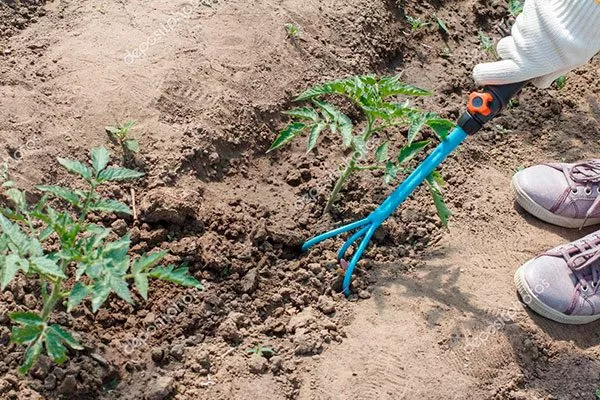
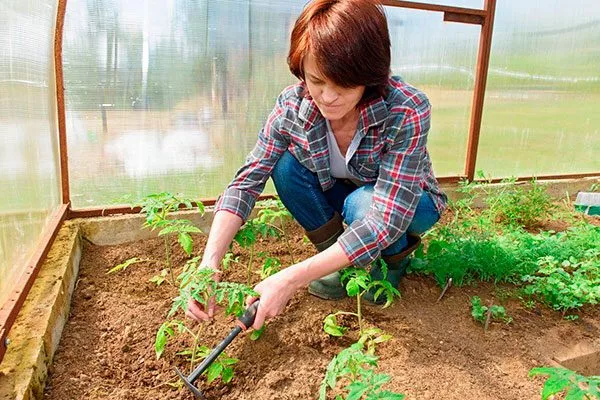
- Loosening. After each watering, loosen the soil to provide oxygen to the roots and prevent a hard crust from forming. Loosen the soil to a depth of no more than 5-7 cm to avoid damaging the root system.
- Weeding. Remove weeds regularly, especially during the first weeks of growth, as they rob tomatoes of nutrients and moisture. Weeding is easier after rain or watering, when the soil is softer.
- Formation of bushes. Although Nepas is considered a non-suckering variety, to speed up the ripening of tomatoes, it is recommended to remove shoots that form in the axils. Remove shoots that are up to 3 cm long, leaving a 0.5 cm stump. This will help the plant focus its energy on growing vegetables.
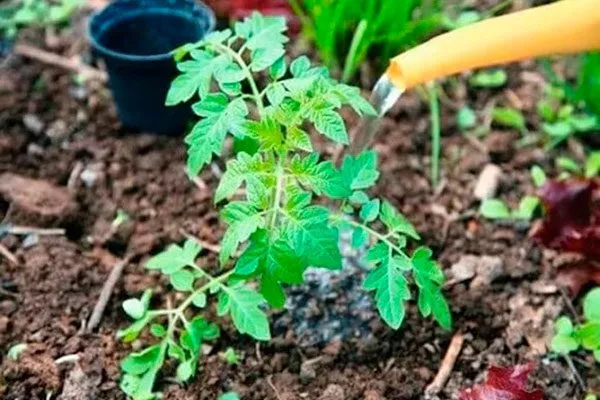
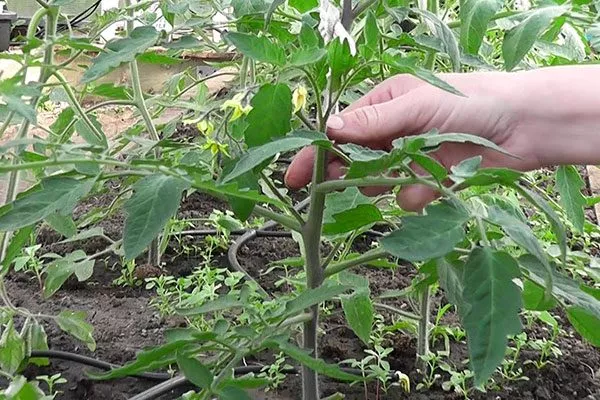
The plant doesn't require staking, but you can do so to facilitate harvesting and improve aeration. Place a stake nearby and secure the plant with twine, using a figure-eight technique, but don't tighten too tightly.
How to choose?
Choosing a tomato variety for growing in your garden depends on your taste preferences and goals. For fresh consumption, choose the following Nepas varieties:
- 2;
- 3;
- 7;
- 14.
These subspecies not only have an attractive appearance but also a pleasant, sweet flavor. Nepas 7 stands out in particular, with its large tomatoes.
Tomatoes with firm cores and tough skins that are resistant to cracking are ideal for canning. Nepas 4 and Nepas 6 are excellent for this purpose, as they have a bright orange and rich red color.
Tomatoes grown on a windowsill in winter are often used as a garnish. Nepas 9 and Nepas 10 are prized for their attractiveness and are therefore popular in cooking, especially for creating elegant salads. Nepas 5 stores well and is suitable for long-distance transport.
Treatment and prevention of diseases and pests
Tomatoes of the Nepas series are characterized by good resistance to late blight and white rot. However, prolonged rainfall and low temperatures increase the risk of fungal diseases. To prevent and control these diseases, spray the foliage with copper sulfate.
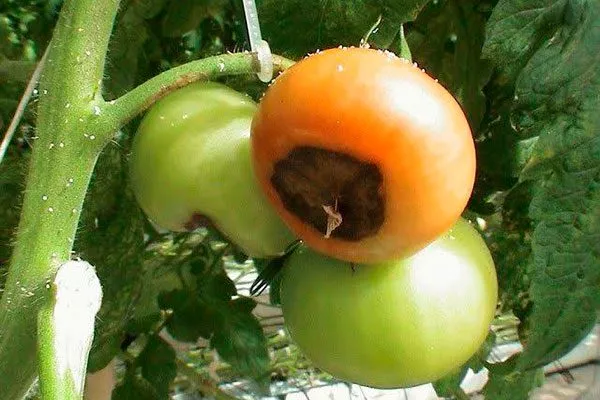
If the first signs of rot appear, remove and dispose of the affected bushes, and treat the remaining plants with a solution of potassium permanganate.
Pests that can damage tomatoes include mole crickets, Colorado potato beetles, and whiteflies. To control them, use insecticides such as Karate and Grom. For safety, use these chemicals only during the first half of the growing season.
Pros and cons
The Nepas tomato has a number of obvious advantages, including its self-forming bush, which significantly saves gardeners time by eliminating the need to frequently remove side shoots. These and other qualities make it a popular choice. Under optimal growing conditions, the crop produces a good harvest.
Among the negative qualities, some vegetable growers note the small size of the vegetables and insufficiently rich taste.
Reviews
The Nepas tomato has a large number of subspecies, attracting the attention of gardeners across the country. This popular variety is characterized by its compact bushes and resistance to environmental conditions. It requires minimal care, but with proper cultivation techniques, it can yield good yields of high-quality tomatoes with excellent flavor.