
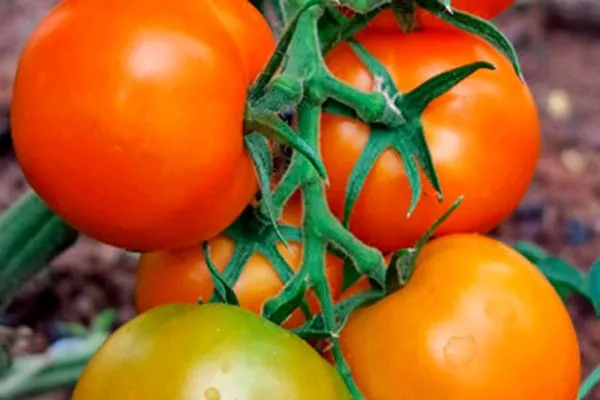
Naslazhdenie is an early-ripening variety characterized by high yields and disease resistance. The round tomatoes are medium-sized and turn a bright orange when ripe. They have firm flesh and a sweet, rich flavor. These tomatoes are ideal for salads, processing, and winter preserves.
Description of the bush and fruits
The Naslazhdenie hybrid was bred by specialists from Agrosemtoms Research and Production Company and approved for use in 2018. It is an indeterminate variety.
Key Features:
- Plants reach 1.5-1.8 m in height and are characterized by moderate branching. The leaves are small and a rich, dark green.
- The vegetables are round in shape, medium in size, and weigh between 120 and 140 g. Unripe tomatoes are green in color, but when fully ripe, they turn bright orange.
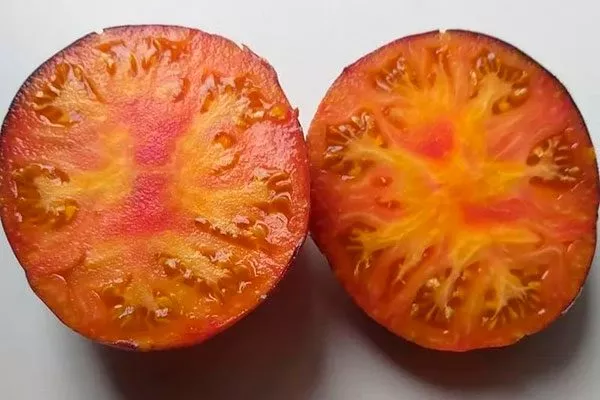
- Four to six seed chambers form inside tomatoes. The fruits have dense, juicy flesh, and are sweet and rich.
Vegetables are used for fresh consumption, preparation of salads and sauces.
Main characteristics
The crop is distinguished by its early ripening—the first fruits are ready for harvesting within 100-110 days of germination. With proper care, yields reach 16.6 kg per square meter.
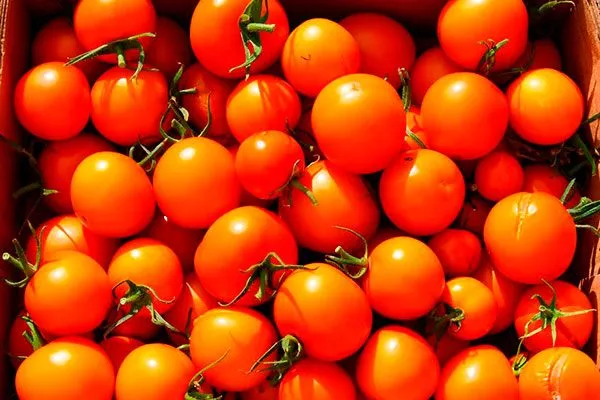
The tomatoes rarely crack, and the bushes are resistant to the tobacco mosaic virus, making the hybrid less susceptible to disease and helping to maintain the quality of the tomatoes.
Growing and care
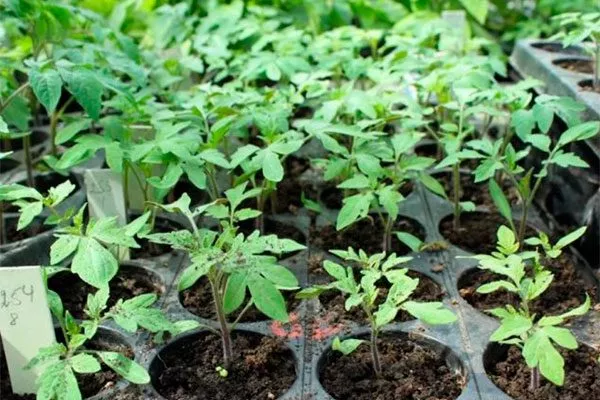
For an early harvest, sow seeds for seedlings approximately 55-60 days before planting. The optimal time for sowing is late February to early March.
Follow these recommendations:
- Soak the seeds in a growth stimulant (Epin or Zircon) for several hours. To prevent disease, soak them in a weak solution of potassium permanganate for 20-30 minutes, then rinse with clean water.
- Use a loose, fertile mixture of garden soil, humus, and peat (2:1:1). To disinfect, bake the soil in the oven at 100°C for 20 minutes or treat with Fitosporin.
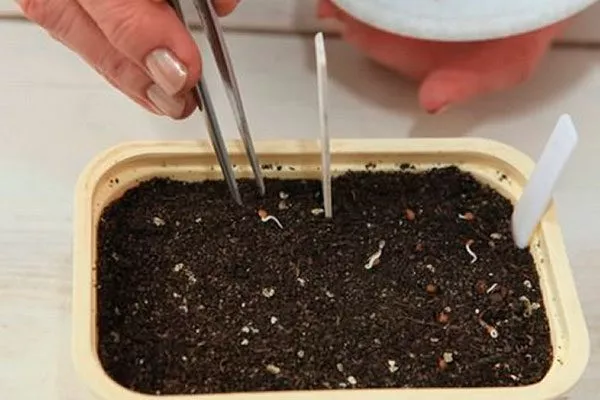
- Plant the seeds 1-1.5 cm deep in moist soil. Cover the containers with plastic wrap or glass and place them in a warm place with a temperature of 24 to 26°C.
- Once the seedlings emerge, remove the cover and reduce the temperature to 18–20°C. To prevent the seedlings from stretching, provide 12–14 hours of light per day.
- Ten to fourteen days after true leaves emerge, transplant the seedlings into individual containers of at least 500 ml capacity. Two weeks before planting, harden off the seedlings by placing them outdoors for several hours a day.
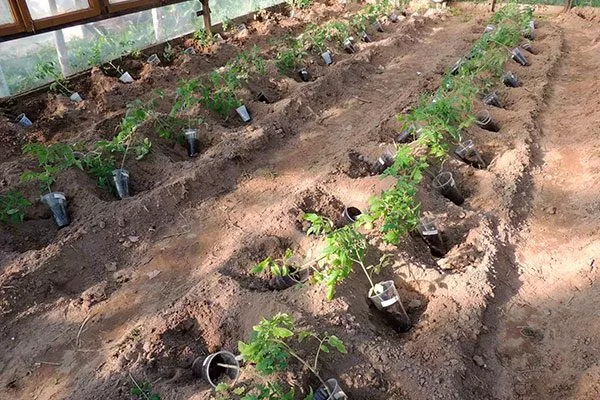
Transplant to a permanent location when temperatures reach a stable temperature above 12°C, usually in mid- to late May. The site should be well-lit and protected from drafts.
Follow these steps:
- Dig up the garden bed, add 4-5 kg of humus and 200 g of ash per 1 sq. m.
- Dig holes at a distance of 40-50 cm from each other, add a handful of compost and ash to each.
- Place the seedlings vertically, planting them up to the first true leaves. Water generously with warm water.
To obtain a rich and bountiful harvest, it's important to provide the crop with proper care. Follow these simple agricultural practices:
- Water moderately, 1-2 times a week, avoiding drying out or overwatering. The water should be warm (20…22°C), applied to the roots in the morning or evening.
- 10-14 days after planting, feed the plants with a mullein infusion or a complex fertilizer. During flowering, apply phosphorus-potassium fertilizers, and at the beginning of fruiting, use ash and potassium solutions.
- Train the bushes into 1-2 stems. Remove side shoots every 7-10 days. Tie the plants to a trellis or support.
- After watering, loosen the soil to prevent crusting. To retain moisture and reduce weed growth, mulch the beds with straw, peat, or rotted sawdust.
Pros and cons
The variety is characterized by numerous features, due to which it is successfully grown not only by experienced gardeners, but also by beginners.
The main advantages of the Naslazhdenie tomato:
Negative qualities include the need for shaping and tying up bushes, the need for additional feeding, sensitivity to lack of moisture, and a possible decrease in yield with dense plantings.
Reviews
Naslazhdenie is a promising variety for growing in greenhouses and open ground. Good productivity, resistance to cracking, high disease resistance, and a long fruiting period make this variety an excellent choice for gardeners and farmers. These tomatoes are versatile, store well, and withstand long-distance transport.