
The Carrot tomato is an early-ripening, determinate variety with high yields and low maintenance. The tomatoes ripen in 85-95 days, boasting a rich orange color, firm, juicy flesh, and a sweet, slightly tart flavor. This versatile variety is suitable for salads, appetizers, canning, and processing.
Growing regions and origin
The originator and exact date of the Carrot variety's development remain unknown. One of the distributors of the planting material is the Gavrish agricultural firm. The seeds have a high germination rate and produce a good harvest.
This early-ripening variety is suitable for greenhouse cultivation throughout Russia. In the southern and central regions, it is successfully grown in open ground. It is popular in Ukraine and Moldova.
Description of the bush and fruits
This determinate, low-growing plant reaches 80-90 cm in height, but with good care and regular fertilizing, this figure can increase by several centimeters.
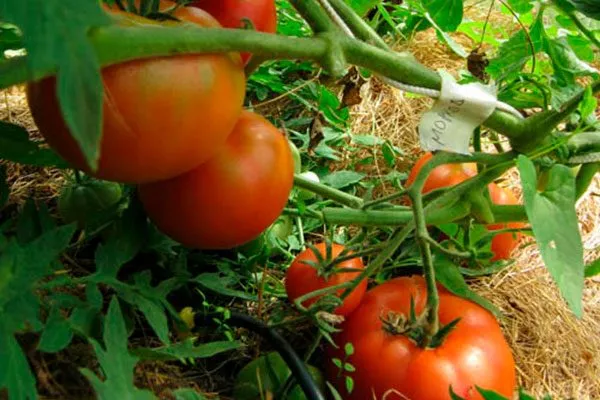
Distinguishing characteristics:
- The leaves are deeply dissected and resemble carrot leaves, hence the variety's name. Each cluster produces 6-7 ovaries.
- Fully ripe tomatoes are orange-red in color, but their shape is more like a flat circle than a carrot.
- The tomatoes have a slightly ribbed surface. When cut, the seed chambers are visible.
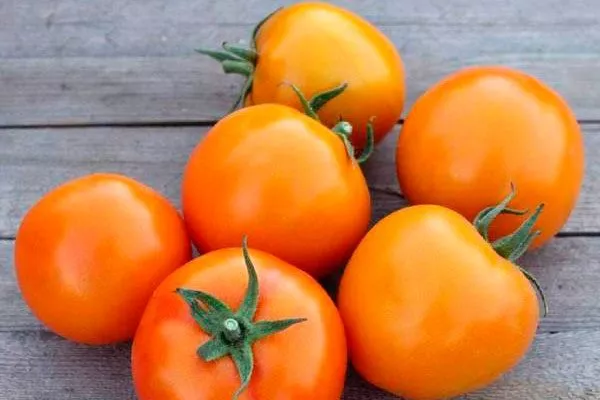
The weight of each vegetable varies from 100 to 150 g, and the largest specimens can reach 220 g.
Characteristics of tomato varieties
This variety has gained popularity among gardeners due to its early maturity, low maintenance, and good productivity. The variety's key qualities and the nuances of its cultivation are described below.
Ripening period, yield
Carrot is an early-ripening variety. Orange fruits ripen within 85-95 days of germination, and harvesting begins in mid-June. The bushes continue to bear fruit until almost the end of September.
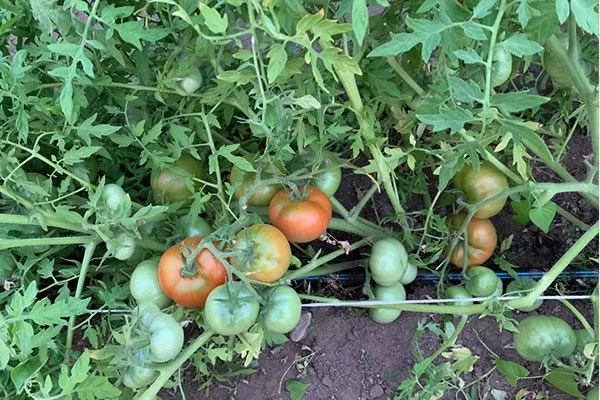
The crop is characterized by excellent productivity. Gardeners can harvest up to 9 kg of tomatoes from a single plant, and up to 12 kg from a square meter. The harvest stores well, and the vegetables retain their fresh appearance.
Purpose and application
These tomatoes have juicy, sweet flesh with a distinctive flavor and a slight tartness. They are considered a salad variety, but the vegetables are used in a variety of ways: they are used to make holiday appetizers, winter preserves, and other dishes.
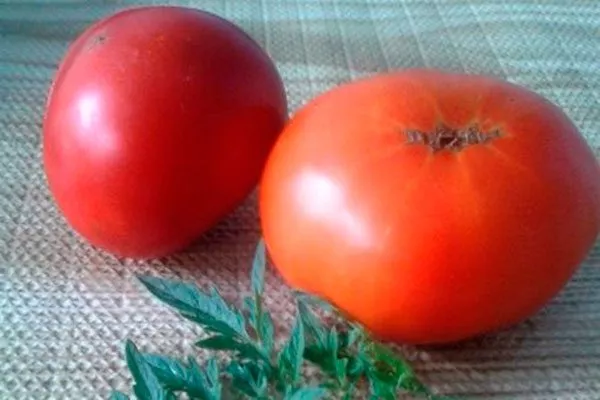
Orange fruits are suitable for canning. They make delicious tomato paste, puree, and juice. They are rich in vitamins, so daily consumption is beneficial for health.
Planting dates and scheme
Place tomato beds in sunny areas protected from drafts. Choose level or slightly elevated locations without stagnant water. Loose, nutritious, and breathable soil with a neutral pH is ideal. Loam and sandy loam soils are suitable.
- ✓ The soil pH level should be strictly within 6.0-6.8 for optimal nutrient absorption.
- ✓ The soil organic matter content should be at least 4% to ensure the necessary nutrition and structure.
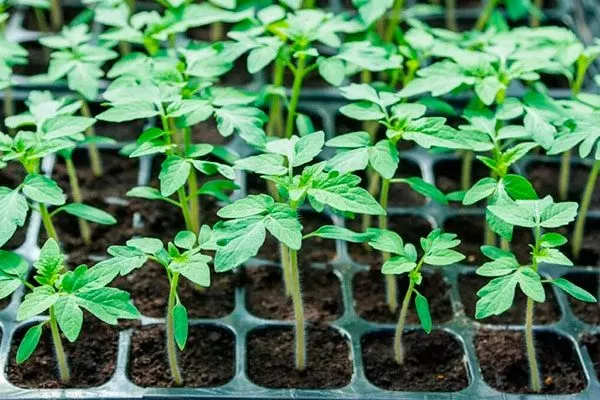
Practice crop rotation: the best pre-planting crops are carrots, zucchini, parsley, dill, cauliflower, and cucumbers. Then follow these recommendations:
- Two weeks before planting, dig the soil to the depth of a spade, removing weeds. Add river sand to compacted soil.
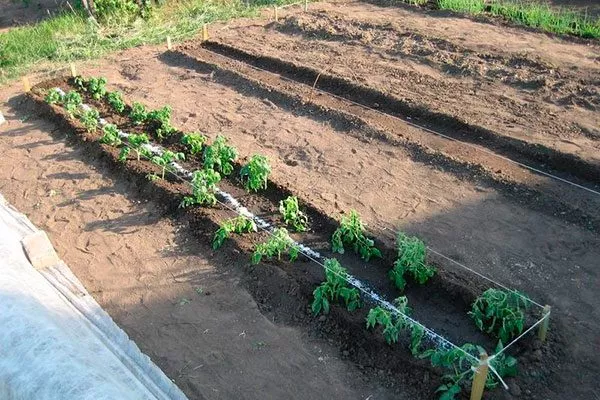
- Prepare the holes 2-3 days before planting, making them 25x20 cm in size and 15 cm deep. Leave a distance of 50 cm between plants. Line the bottom of the holes with crushed eggshells, peat, and compost.
- The optimal time for planting is the end of April - beginning of May, when the threat of night frosts has passed and daytime temperatures have stabilized.
Step-by-step instructions:
- Carefully straighten the roots of the seedlings and, if desired, soak them in a solution of the growth stimulator Epin for two hours.
- Place the seedlings in the center of the hole, fill with soil and compact the soil at the base.
- Water the bushes with 1.5 liters of settled water, if necessary, add a weak solution of potassium permanganate.
Care instructions
With proper care of your tomato plants, you'll achieve the highest quality vegetables and abundant harvests throughout the season. Follow standard agricultural practices:
- Watering. Don't allow the top layer of soil to dry out. Water the tomatoes 2-3 times a week, and up to 4-5 times during hot weather. Each mature plant requires 4 liters of settled water. Excess moisture can lead to root rot and fungal diseases.
- Top dressing. After transplanting the seedlings, apply nitrogen fertilizer to promote active growth. After 2-3 weeks, during flowering, add potassium and phosphorus. Subsequently, use complex fertilizers containing all the necessary elements for full development.
- Loosening and weeding. After each watering, gently rake the spaces between the rows. This helps retain moisture, improves aeration, and oxygenates the roots. Additionally, remove any weeds. Be careful not to damage the root system.
- Formation of bushes. The plant doesn't require structuring. You can pinch off the tops if desired, using disinfected garden shears.
If you follow these simple rules, the Carrot tomato variety will delight you with a bountiful harvest and high-quality tomatoes.
Treatment against diseases and pests
If the bushes are affected by late blight or rot, spray them with biofungicides. Effective products:
- Profi Gold;
- Fast;
- Gamair;
- Fitosporin.

To control pests, use insecticides such as Captan, Cuprozan, Polymarcin, and Bordeaux mixture. Alternatively, you can use traditional methods of protection.
Pros and cons
The Carrot tomato variety has many advantages, but it is important to study other characteristics of the crop to avoid possible consequences.
Key benefits:
The main drawback of this variety is poor plant growth when not properly cared for. The plant has no other negative qualities.
Reviews
Carrot is an excellent choice for those looking for early-ripening, low-maintenance, and productive tomatoes. The bushes are compact and stable, requiring no pinching, and the fruits store well without losing their flavor or appearance. This variety is characterized by strong immunity and good productivity. With simple cultivation practices, this crop will delight you with high-quality vegetables.