
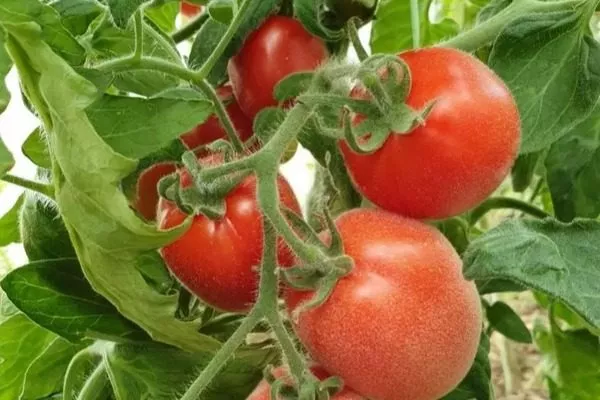
Shaggy Bumblebee is the name of a remarkable tomato variety with velvety, peach-like skin. It is characterized by mid-early ripening and excellent cold tolerance. It is suitable for both open-air and protected cultivation.
History and regions
The vegetable variety was bred by Siberian gardeners representing the agricultural firm "Semena Altaya" (Barnaul):
- Fotev Yu. V.;
- Kotelnikova M.A.;
- Kondakov S. N.
In 2010, the original variety was added to the Russian Federation State Register and approved for cultivation in open-air beds, under temporary film cover, and in greenhouses in the following regions of the country:
- Northern;
- North-West;
- Central;
- Volga-Vyatka;
- Central Black Earth Region;
- North Caucasian;
- Middle Volga;
Lower Volga; - Ural;
- West Siberian;
- East Siberian;
- Far Eastern.
Features and specifications
If you're interested in growing this Siberian miracle in your own backyard, first familiarize yourself with its botanical description and key technical characteristics.
Appearance of the bush
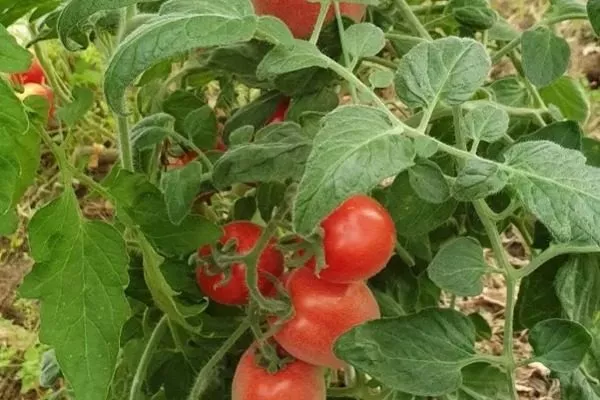
Plants of this varietal type are determinate. They belong to the standard type. They are distinguished by their neat appearance, low growth, and compactness. The bush description includes the following external characteristics:
- the average height is 0.35-0.4 m (its maximum value is 0.6 m);
- moderate spreading;
- compact arrangement of stems, strong and durable, covered with hairs;
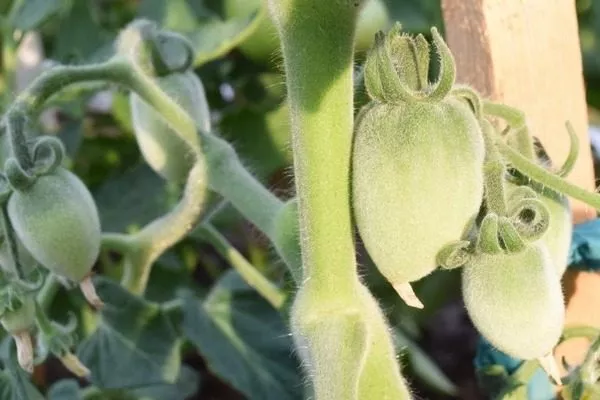
- foliage: medium-sized, malachite-green with a bluish tint, densely pubescent;
- fruit clusters consisting of 5-7 fruits.
The plants fully live up to their name, "Shaggy Bumblebee," thanks to their abundant down. They are easy to care for: they don't require any formal training or tying to supports. However, to achieve maximum productivity, gardeners plant them in 3-4 trunks and pinch out side shoots.
Description of fruits
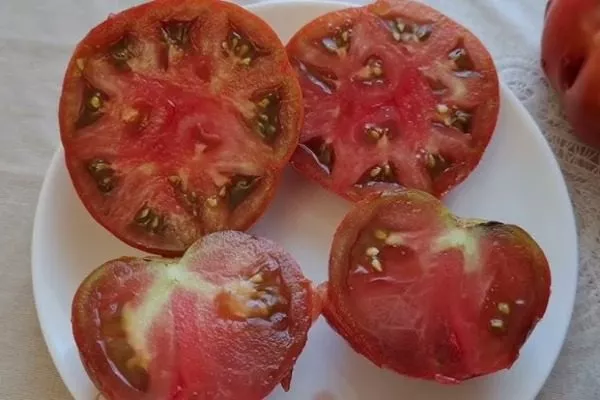
The harvest of this original Siberian variety is beautiful and somewhat unusual. Vegetable growers call these fruits "peach tomatoes" for their fuzzy skin. They have the following characteristics:
- size: small or medium (length does not exceed 8-12 cm);
- weight: 100-140 g (the maximum weight can reach 200 g).
- form: plum-shaped with a small nose;
- colors: rich, orange-scarlet;
- skin: not thick, strong, not prone to cracking, densely covered with villi;
- pulp: dense, fleshy, medium-juicy, with 3-4 seed chambers, without voids.
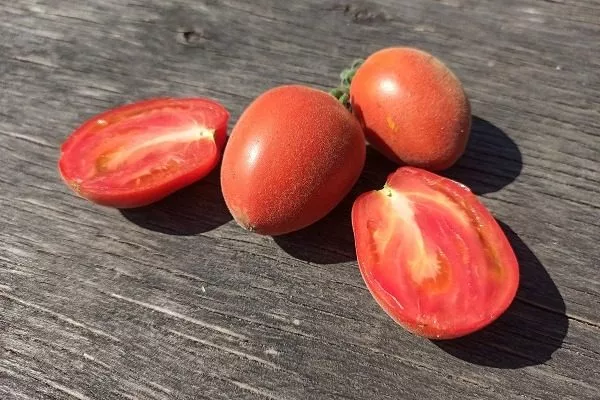
The fruits, ripening in clusters, appear calibrated (they are all uniform in size and shape). They tend to separate easily from the stem when ripe. They are characterized by a good marketable appearance (first-grade product), shelf life, and transportability. They do not wrinkle or burst during transportation.
The Shmel harvest has excellent tasting qualities. It's sweet with a slight tartness and a wonderful spicy-fruity note. Tomatoes grown in warm, sunny summers tend to be higher in sugar. Cold, damp weather increases the acidity in their pulp. You can learn about other sweet and delicious tomato varieties here. Here.
Productivity and fruiting of the Shaggy Bumblebee tomato
The Siberian variety is classified as a mid-early vegetable crop. Its key technical characteristics are as follows:
- fruit ripening time is 95-105 days after germination;
- the period for harvesting tomatoes is from July to September;
- productivity of 1 bush is 2-3 kg;
- Yield: 5-7 kg per 1 sq. m. in open-air garden plots, up to 9 kg in greenhouse conditions.
Peach tomatoes tend to ripen evenly and uniformly, with whole clusters. Harvesting unripe tomatoes is also acceptable. They are ripened at home.
Resistance to diseases and pests
The hairy bumblebee has a strong immune system. If proper agricultural practices are followed and the planting is provided with favorable growing conditions, it will not suffer from infections, particularly fungal diseases, or pest infestations. To prevent this problem, the following treatments are recommended:
- boric acid solution, ash infusion, Fitosporin-M - against late blight;
- insecticides and folk remedies - against insects.
Application of fruits
The hairy tomato crop is versatile in its uses. Its dense flesh, small size, and neat shape make it ideal for pickling and whole-fruit canning. It's also eaten fresh, added to salads and various dishes, and used to make ketchup and sauces.

These tomatoes are not very good for processing into juice due to the low liquid content in their pulp.
Planting and care features
Grow hairy tomatoes from seedlings to speed up ripening and protect plants from frost. In cold climates, transplant the mature and strengthened seedlings to a greenhouse; in moderate to warm climates, transplant them to an open bed (in May, after the soil has warmed).
Read on to learn how to properly grow vegetables in open ground. Here.
Planting conditions and terms
Begin sowing in March. The exact timing depends on the climate of the growing region:
- in the first days - in the south of the country;
- in the second half of the month - in the central and northern regions.
When growing peach tomato seedlings at home, adhere to the following conditions and rules:
- use loose, fertile soil mixture with neutral acidity;
- Cover the boxes with seedlings with film to create a greenhouse effect for better germination of the sprouts (after the sprouts appear, the covering material will need to be removed);
- moisten the soil under the plants using the aerosol method, avoiding stagnant water;
- maintain the correct temperature regime (before emergence - +23-25°C, after emergence - +18-20°C);
- Transfer the plants to the garden after they have 5-7 true leaves (by this time they will be 60 days old).
How to plant seedlings?
Use a planting container with drainage holes in the bottom to grow young tomatoes. It should be a box that fits on a windowsill. Treat the inside with a disinfectant solution. Fill it with a store-bought all-purpose potting soil.

It's possible to make your own potting soil. It should be loose, permeable to air and water, nutritious, and free of pathogens and parasites. To make it, combine the following ingredients in equal proportions:
- turf soil;
- peat;
- sand;
- humus.
Sow the Hairy Bumblebee seeds for seedlings, following the following sequence of actions:
- Level and moisten the soil in the box.
- Make grooves in it. Their depth is 1 cm. The distance between them is 4-5 cm.
- Place the seeds in the furrows, spacing them at least 2 cm apart. Cover them with soil.
- Moisten the planting with lukewarm, settled water using a spray bottle.
- Cover the box with film and leave in a warm place.
Once the sprouts emerge (this will happen in about a week), remove the covering material. Move the seedlings to a window so they receive plenty of light.
Carefully care for your hairy tomato seedlings. Water them regularly and moderately at the roots. Avoid overwatering the soil in the container. If lighting is insufficient, use grow lights to prevent the plants from becoming leggy.
Picking
Once the Shmel seedlings have developed 2-3 true leaves, transplant them into individual containers—pots or cups—each with a capacity of 0.5 liters. Follow the step-by-step instructions:
- Fill the container with fresh potting soil.
- Carefully remove the seedlings from the seedling box using a fork, being careful not to damage their roots. Stop watering them two days before transplanting.
- Make a hole in the soil (one per cup). Place the plant in it.
- Deepen the seedling up to the cotyledon leaves.
- Water the planting with water with a few crystals of potassium permanganate added to it to prevent black leg.
- Treat the seedlings with Epin or Megafol to help them cope with stress and take root faster.
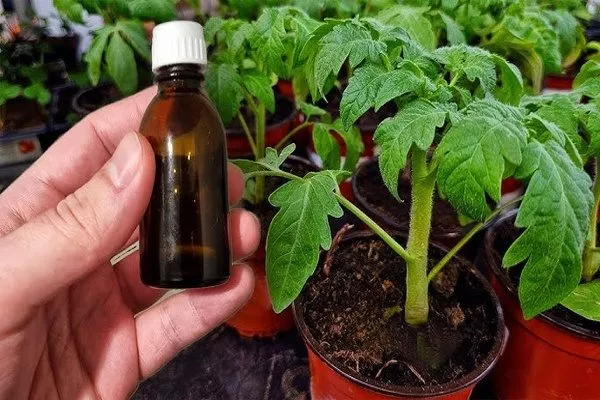
Ten days after transplanting the tomatoes into individual pots, fertilize them. Use a mineral fertilizer, nitrophoska, Fertika, Agricola, or ash infusion. Learn more about fertilizing tomato seedlings. Here.
Transplantation into open ground
Select an open, wind-free, and sunny spot in your garden for planting the Shaggy Bumblebee. Ensure the soil is well-drained. Avoid standing water.
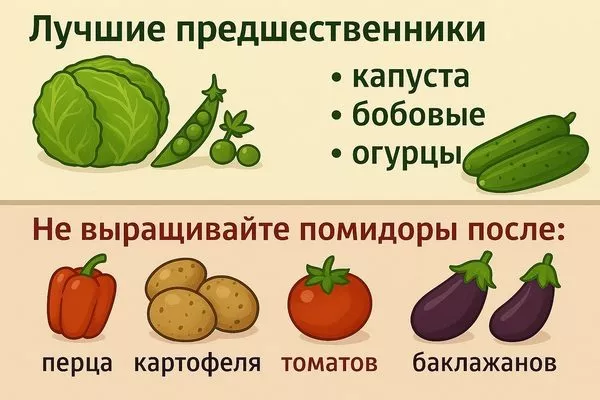
The vegetable crop will grow well and bear fruit where you grew the best nightshade predecessors last season:
- cabbage;
- legumes;
- cucumbers.
Do not plant tomato-peach crops in areas previously used for growing tomatoes, peppers, eggplants, potatoes and physalis.
In the fall, dig up the soil in the chosen location and remove weeds. Enrich the soil with compost. In the spring, loosen it again and water it generously with boiling water.
Move tomato seedlings to an open bed in May, once warm weather sets in. By this time, there should be no threat of frost. Plant the plants in the holes, following these steps:
- Pour a mixture of humus and ash into each hole.
- Place the seedling in the hole at an angle (1/3 of the length of the main shoot should lie on the ground.
- Cover the stem with soil up to the lower leaves.
- Water the bed.
Follow the 50x50 cm planting pattern. Place no more than 4-5 seedlings per square meter.

Care for Hairy Bumblebee tomatoes
When growing this original Siberian variety in your garden, adhere to standard vegetable growing practices. Follow these care guidelines for peach tomatoes:
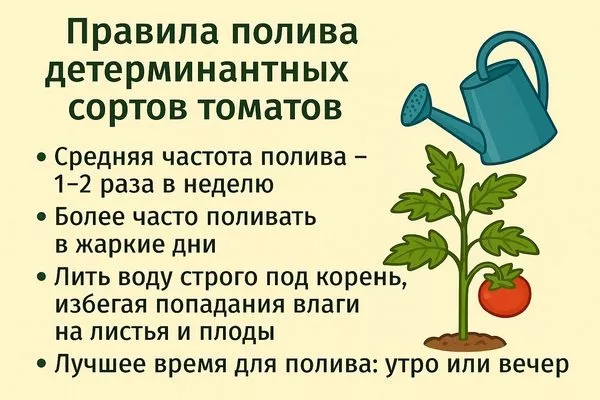
- WateringRegularly and moderately moisten the soil under your tomato plants. Water at least once a week (more frequently in hot weather). Apply 4-5 liters per plant. Don't allow the topsoil to dry out significantly between waterings.
Irrigate in the morning or evening. Try to avoid dripping onto the greenery. Use settled water heated by the sun in tanks.
- Weeding and looseningAfter watering and rain, loosen the soil in the bed to prevent a dense, air-tight crust from forming. At the same time, remove weeds from the bed, as they rob the tomatoes of nutrients and prevent them from developing properly. You can also hill the plants if desired.
- MulchingA layer of organic matter under tomato plants will not only help retain soil moisture but also eliminate the need for frequent tilling and weeding and protect the roots from overheating. Well-rotted mulch will enrich the soil with nutrients, providing an additional source of nutrition for the plants.
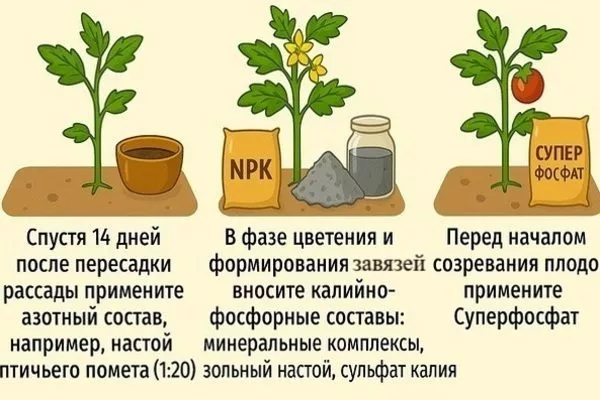
- Top dressingHairy tomato varieties require monthly feeding. Apply nitrogen-rich fertilizer 14 days after transplanting the seedlings into the garden bed. Use a 1:20 solution of bird droppings.
During flowering, fruit set, and ripening, apply fertilizers containing high amounts of potassium and phosphorus. These may include mineral complexes, superphosphate, potassium sulfate, or ash infusion.
The advantage of standard Shaggy Bumblebee tomatoes is that they require no shaping, pinching, or staking. These procedures are optional and beneficial for plant productivity.
Methods of pest and disease control
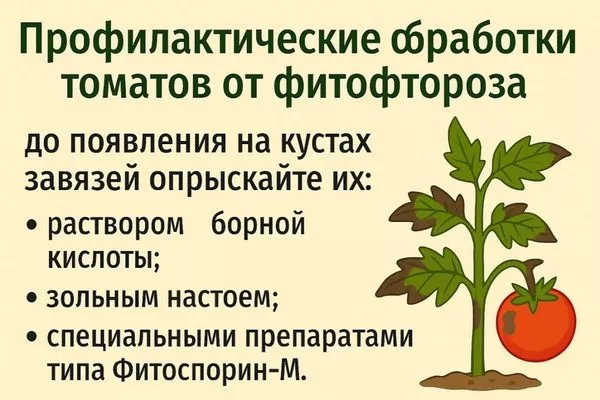
The hairy bumblebee is characterized by good resistance to most infections, but it can be affected by a disease that is dangerous for all nightshades - late blightTo prevent this problem, carry out preventative treatments of seedlings and plants in the beds (before the ovaries appear) with the following:
- boric acid in the form of an aqueous solution;
- ash infusion;
- special preparations (for example, Fitosporin-M).
To prevent fungal or viral diseases in peach tomato plants, follow proper cultivation practices. Pay particular attention to:
- compliance with crop rotation standards on your plot;
- planting bushes in a bed with the required density to prevent the planting from becoming too dense;
- removal of lower leaves;
- compliance with the irrigation regime and fertilizing schedule;
- inspection of bushes to identify the first signs of their ill health;
- preventive treatment of plantings.
To combat insect pests that may attack Siberian bushes if they are poorly cared for, use folk remedies (infusions of wormwood, garlic, tobacco), bioinsecticides (Aktofit, Fitoverm, Planriz) or chemicals (Confidor, Actellic).
Pros and cons
Vegetable growers have fallen in love with this original variety thanks to its extensive list of positive characteristics. It fully justifies the effort spent on its cultivation. Gardeners list the following advantages of the Siberian peach tomato:
The Shaggy Bumblebee also has a few minor drawbacks that gardeners planning to grow should take into account:
Reviews
Shaggy Bumblebee is an original Siberian tomato variety, classified as a mid-early variety. Gardeners appreciate its neat, standard bushes with pubescent stems, foliage, and fruit. The harvest impresses with its attractive appearance and wonderfully sweet flavor, has a long shelf life, and tolerates transportation well.