
Minusinsky Medved is a tomato that wins the hearts of lovers of sweet and juicy vegetables. This variety is characterized by competitive productivity, pleasant flavor, and versatility. It is adapted to harsh climates, allowing it not only to withstand significant temperature fluctuations but also to produce a bountiful harvest both in the field and indoors.
Description of the bush and fruits
The plant is distinguished by its robust structure, reaching a height of up to 200 cm and developing a wide, spreading crown. The leaves are dark green, glossy, and medium-sized. The flowers are white, adding to the plant's decorative appeal during budding.
Fruit:
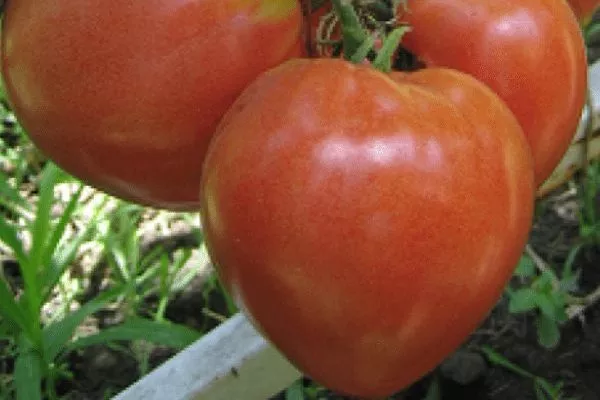
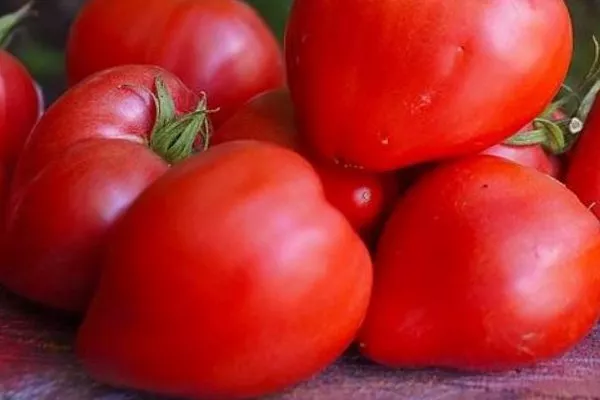
- bright red with a small green spot at the base;
- the shape is round, with a small elongated nose at the top;
- each brush contains 5-6 ovaries;
- each vegetable can weigh up to 800-1000 g;
- The tomato pulp is juicy, sweet and aromatic, and contains a minimal amount of seeds.
The Minusinsk bear tomato is ideal for fresh salads, juices, ketchup, and tomato paste, as well as for eating raw. Its versatility and high quality make it a top choice for tomato lovers.
Main characteristics
The Russian tomato variety Minusinsky Medved is suitable for both outdoor and greenhouse cultivation. It is renowned for its impressive yield—a single plant can yield up to 5.5-6 kg of vegetables.
- ✓ Ability to withstand sudden temperature changes.
- ✓ High yield: up to 5.5-6 kg from one bush.
This variety can easily withstand sudden temperature fluctuations, but requires careful care. The average time to fruit ripening is 100-110 days from the formation of the first shoots.
Growing seedlings
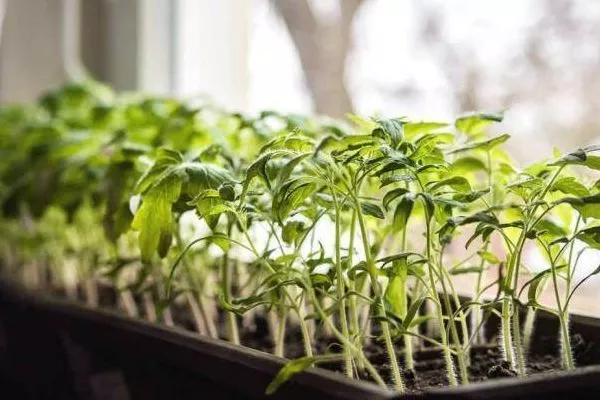
Planting tomatoes requires careful consideration. First, prepare a suitable container with a minimum capacity of 400-500 ml, with drainage holes to prevent the soil from becoming too waterlogged. Tomatoes can grow in various types of soil, but light loam or a mixture of sand, soil, and peat are most suitable.
The ideal composition of the soil mixture includes:
- 20% sand;
- 30% turf;
- 20% peat;
- 30% humus.
There are two options for sowing seeds: with and without subsequent picking:
- In the first case, fill a small container with soil without lumps and chips, moisten it and draw a grid with a cell of approximately 1-2 cm.
Then, place the seeds at the intersections of the lines, sprinkle with soil, and water again with warm water. To prevent the surface from drying out, you can cover the container with a plastic bag or place it directly in one. - In the second case, fill a separate pot about 2/3 full with potting soil, moisten it, and make a small hole for the seed. Then, cover the planting material with soil and moisten it.
To prevent drying out, cover the glass with cling film.
After germination, it is recommended to provide 24-hour lighting for 3-5 days, then reduce it to 18-20 hours per day. By the fourth or fifth week, supplemental lighting can be further reduced to 11-12 hours per day.
Watering should be done 1-2 times a week for three weeks, then increase to 3-4 times a week. Try to sprinkle the plant 2-3 times a week using a regular sprayer.
Planting and further care
To cultivate this variety, it needs to be provided with light and warmth. When choosing a location for outdoor cultivation, it's best to choose a sunny, sunlit spot. Proper soil preparation before planting is equally important—it should be nutritious and well-drained.
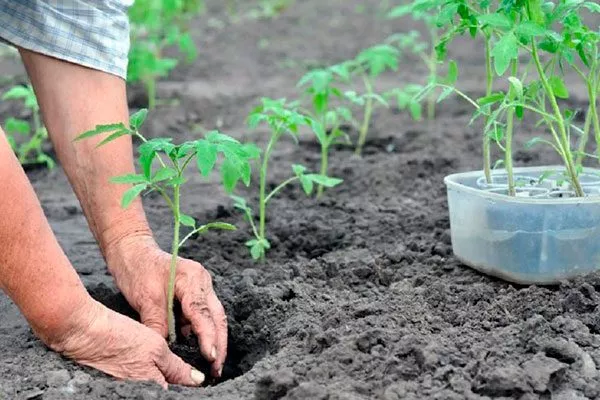
The transplant procedure is simple and standard:
- Make a hole and water it thoroughly with warm water (3-5 l) so that the soil is saturated and compacted.
- Then carefully remove the seedling from the glass without damaging the roots, after moistening the substrate in the pot.
- Place the plant in the hole and compact it lightly, creating a small depression around the trunk so that in the future you can water the plant under the root system, and not from the sides.
- After planting, water the soil again and do not water for 10-12 days unless there is extreme heat.
- ✓ Optimum soil temperature for planting seedlings: +10°C at a depth of 10-15 cm.
- ✓ Distance between plants: 50-55 cm, between rows: 70-75 cm.
During the growing process, it is necessary to pay attention to proper care:
- The plant requires regular watering, especially during budding and fruit ripening, but at the same time, excessive moisture should be avoided to prevent root rot.
Water in such a way that water does not get on the leaves and stems, perform rare but abundant watering - usually 1-2 times a week, during hot periods - 2-3 times. - Don't forget about fertilizing your plants. Use complex fertilizers that contain all the necessary elements for healthy growth and development of tomatoes. Therefore, choose store-bought mineral fertilizers.
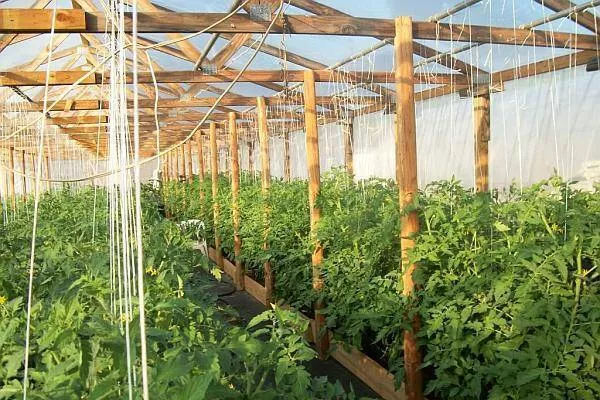
- For tall bushes, it is optimal to grow them in a single-stemmed form with a narrow spacing, or in a double-stemmed form with the obligatory removal of excess greenery.
Quite often, beginners make mistakes when caring for crops. These can include:
- Overwatering can cause fruit to crack, so watering should be done in moderation, especially in rainy weather.
- Insufficient light can interfere with the formation of the main fruits and their uniform coloring, so the variety must be provided with a sufficient amount of sunlight.
- In spring, make sure the soil is well warmed before planting seeds or seedlings, using mulch to maintain optimal moisture and protect the roots.
- In summer, it is necessary to regularly inspect plants for pests such as aphids and whiteflies, using biological products to get rid of them.
- In the fall, the last fruits should be collected before the cold weather sets in, and the plant remains can be used to create compost for the next season.
Pros and cons
Gardeners did not notice any critical shortcomings, except perhaps the need to tie up the bushes and form them into 1 or 2 stems.
Reviews
The Minusinsky Bear tomato is the fruit of years of breeding, based on a unique cultivar—the Minusinsky tomato. The tomato's flesh is distinguished by its exceptional juiciness, richness, and sweet, sugary texture. Caring for this variety is not particularly difficult; the main thing is to follow the standard instructions for indeterminate varieties.