
Minusinsk tomatoes are a reliable choice for those who value quality and taste. Despite their demanding care, this variety repays the effort, rewarding a bountiful harvest of large, juicy tomatoes. Thanks to its disease resistance, versatility, and excellent flavor, it is deservedly popular among gardeners.
Country of origin and growing regions
The Minusinskie Staksany variety has been known for many years and is the result of amateur selection. It was developed not in scientific laboratories under the supervision of specialists, but directly in the garden. According to one theory, it was created by a self-taught gardener named Starukhin, and its creation dates back to the 19th century.
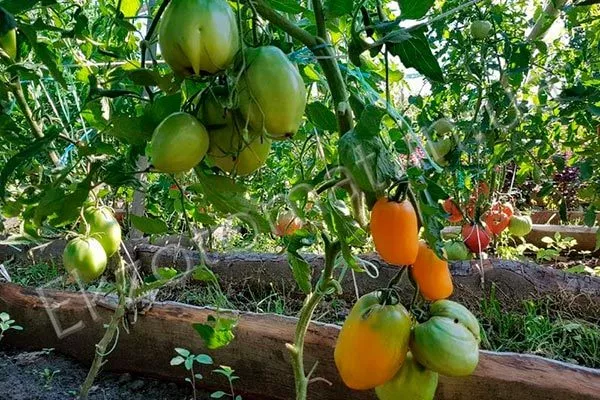
The tomato was named after the city where it was first bred—Minusinsk, located in Siberia. Thanks to its resilience to the harsh local climate, it has become popular in other regions of Russia. In milder climates, it is grown in open ground, while in northern regions, it is cultivated in greenhouses.
Description of the Minusinsk Glasses tomato variety
This is a hybrid crop, indeterminate, mid-season, and versatile. Distinguishing characteristics:
- The plant is tall (150-180 cm). The bushes have medium foliage, thin but strong stems, and shoots that require support. They form numerous side shoots that need to be removed regularly. To produce large vegetables, the plant is trained into a single stem.
- The bush has a robust root system, including a main central root and numerous superficial shoots. The leaves are large, characteristic of tomatoes.
- Tomatoes vary in size. The average weight of one tomato is about 200 g, but with proper care it can reach 300 g. Fruits from the lower clusters are usually smaller, weighing 100-150 g.
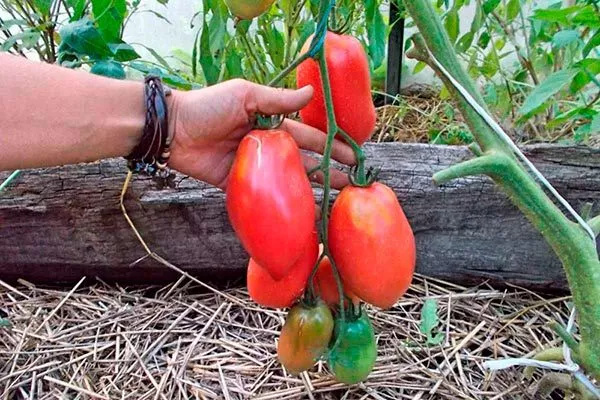
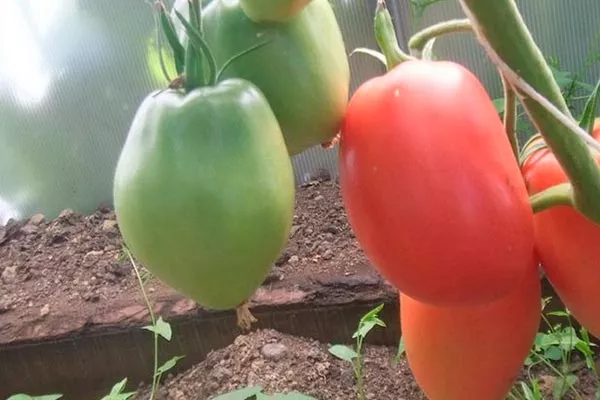
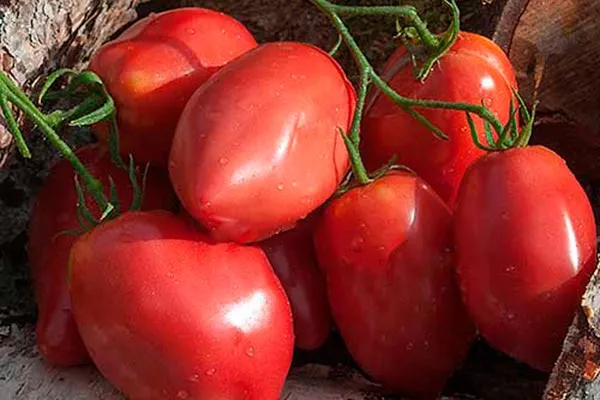
- The tomatoes are plump, without any cavities, and have minimal juice. They have a plum-shaped form, firm pink skin, and a sweet and sour flavor with a distinctive aroma. The flesh is firm and virtually seedless.
Varieties of the variety
Minusinskie glazy tomatoes come in several subspecies, each with a different fruit color. You can choose a variety with red, orange, or pink fruit—all have an elongated, plum-shaped shape.
| Name | Fruit color | Average fruit weight (g) | Bush height (cm) | Disease resistance |
|---|---|---|---|---|
| Minusinsk pink cups tomato | pink | 100-300 | 150-180 | high |
| Minusinsk tomato orange glasses | orange | 200-350 | 150-180 | high |
| Minusinsk red tomato cups | red | about 200 | 200-250 | high |
Minusinsk pink cups tomato
A mid-season variety with large tomatoes – weight varies from 100 to 300 g. Characteristic features:
- The bushes are tall, indeterminate, and require mandatory garters and regular removal of side shoots.
- To achieve the best results, it is recommended to form the plant into 1-2 stems.
- The pulp of tomatoes is dense and fleshy, containing some seeds and juice.
- The skin is bright pink.
- The taste is rich, with pronounced sweetness and slight sourness.
Minusinsk tomato orange glasses
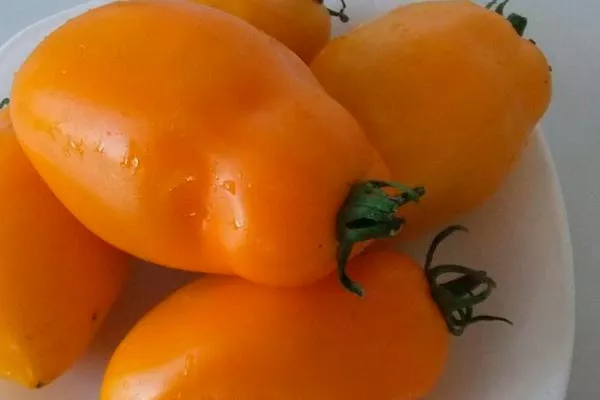
The fruit has dense, fleshy, void-free pulp, few seeds, and a sweet taste. Characteristics:
- The weight of one vegetable varies from 200 to 350 g, and on the upper brushes – from 100 to 200 g.
- Small tomatoes are canned whole, while large ones are used to prepare salads, hot dishes, sauces and pastes.
- The variety is especially suitable for people suffering from allergies due to its hypoallergenic properties.
The plant is resistant to diseases, but requires regular feeding, good lighting and sufficient watering to ensure high yields.
Minusinsk red tomato cups
Belongs to the salad variety and is known for its mid-season ripening. Features and differences:
- The plants are tall, reaching 2-2.5 m in height.
- The fruits are plum-shaped, bright red, with excellent taste.
- The average weight of tomatoes is about 200 g.
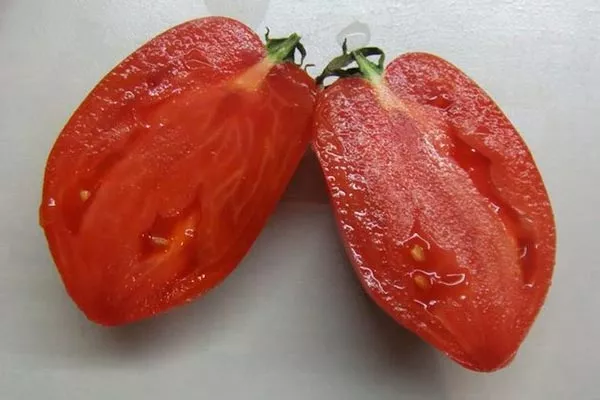
The variety is suitable for growing in greenhouses, and in the southern regions – in open ground.
Main characteristics
The Minusinskie Staksy tomato variety is a mid-season variety. It has many positive qualities:
- In unheated greenhouses, the first harvest appears in July. Vegetable growers can harvest 3.5-4 kg from a single plant.
- The crop is disease-resistant, and with proper agricultural practices, including proper watering and fertilizing, it demonstrates active growth and stable yields.
- The fruits do not crack.
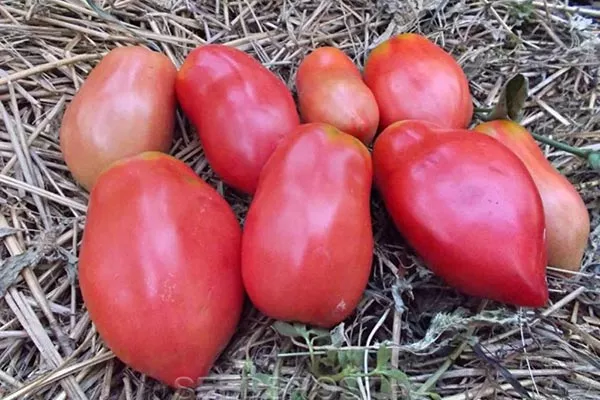
One of the variety's significant advantages is its rich content of vitamins (A, B, C, K, and others) and minerals, including high levels of iodine, calcium, and potassium. Eating just two tomatoes a day fully meets the body's daily requirement for these beneficial elements.
Planting and care rules
To grow tomatoes in an unheated greenhouse, sow seeds in late February or early March. For outdoor cultivation, plant seedlings in late March or early April.
- ✓ The optimal soil temperature for sowing seeds should not be below +24°C to ensure rapid germination.
- ✓ To prevent seedlings from stretching after emergence, the temperature must be reduced to +16°C for 5 days.
Sowing seeds for seedlings
Pre-sort the seeds. Soak suitable seeds in a 3% salt solution (1 tablespoon of salt per 1 liter of water), then rinse them under running water and soak them for 20 minutes in a 1% potassium permanganate solution, then rinse again.
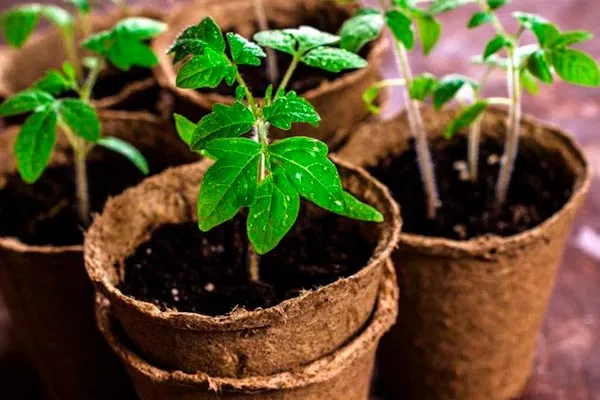
Prepare the sowing soil from equal parts turf, humus, and peat. For lightness, add 1/5 of river sand and a handful of wood ash. Disinfect the soil mixture by steaming or calcining, then water it with a fungicide solution: Fitosporin, Fundazol, or Trichodermin.
The procedure for sowing and growing seedlings:
- Place the seeds in a row at a distance of 1 cm from each other or place them in separate cups.
- Pour a 0.5-1 cm layer of soil on top and cover with film.
- Place the containers in a warm place with a temperature of +24°C. Sprouted seeds should germinate in 3 days, unsprouted seeds in 5-6 days.
- Remove the cover and move the containers to a light windowsill or under additional lighting.
- Reduce the temperature to +16°C for 5 days, then increase to +20-22°C.
- Moisten the soil as it dries. When the seedlings have two true leaves, transplant them into individual containers.
Three weeks after the first transplant, when the roots completely fill the containers, carry out a second transplant into larger containers, adding a tablet of biological fungicide to each container to prevent root rot.
Transplanting seedlings
When the seedlings have eight true leaves, 60 days after sowing, move them to their permanent location. By this time, the soil and air temperature should have reached 18°C.
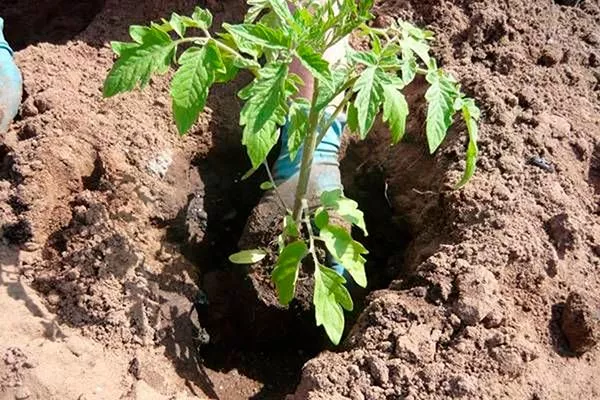
Follow the recommendations:
- In the prepared bed, dig holes 12 cm deep at a distance of 50 cm from each other.
- Place 3-4 plants per 1 square meter, planting them in a row or in a checkerboard pattern.
- Transplant seedlings with a lump of earth.
Moisten the seedlings and mulch the soil around them with peat, straw, or grass clippings. After watering, apply compost mixed with turf and a handful of ash as mulch.
Caring for tomatoes
To get a good harvest of Minusinskie Stakany tomatoes, several key factors must be considered. Pay attention to the following criteria:
- temperature;
- soil and air humidity;
- top dressing;
- formation of bushes.
Provide the crop with comprehensive care. Follow simple agricultural practices:
- One important step is regularly removing side shoots. Without this, tomatoes can become overgrown, as new shoots will grow from the axils of each leaf, preventing proper fruit development.
- This indeterminate variety has unlimited growth, so form it into a single stem by removing all side shoots and tying it to a trellis.
- The plant requires constant moisture in the root zone. Ensure regular watering, especially during flowering, fruit set, and fruit formation. Water the bushes 2-3 times a week, using 5 to 15 liters of water per square meter. In cloudy weather, reduce the amount or frequency to once a week.
If there's insufficient moisture, flowers and ovaries begin to fall off. Nitrogen and phosphorus fertilizers are necessary to initiate flower bud formation. A deficiency of these elements can lead to weak flowering and a lack of ovaries. Apply a complete fertilizer every two weeks, consisting of:
- urea (5-10 g);
- Superphosphate (20-30 g);
- potassium sulfate (15–20 g) per 10 l of water.
Maintain humidity levels between 50-70%. Too little humidity can sterilize pollen, while too much can render it incapable of fertilization. Even if self-pollination is successful, high temperatures or lack of water can cause fruit to drop before they ripen.
Pest and disease control
This variety is resistant to most diseases common to nightshade crops. However, if improperly cared for, there is a risk of developing diseases and pest attacks:
- Blossom-end and root rot pose a threat to bushes. To combat these diseases, use Fitosporin. Begin treatment by removing the affected bushes, then spray the remaining plants.
- Plants can be affected by late blight. Copper-containing products are effective in combating the disease. Remove and burn any bushes infected with late blight, as they are untreatable.
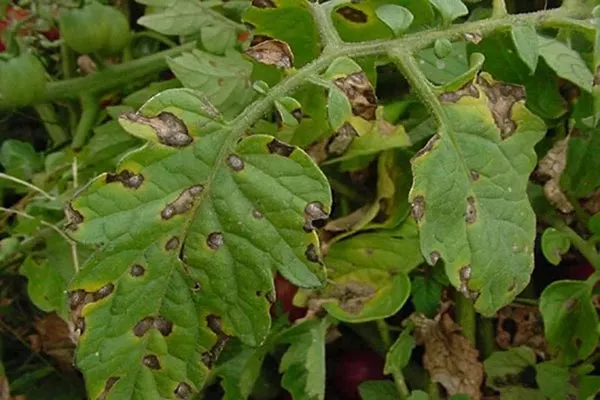
Whiteflies, spider mites, mole crickets, and slugs are particularly dangerous pests for tomatoes. To get rid of them, spray the plants with a weak solution of potassium permanganate. Use insecticides before flowering.
Pros and cons
The Minusinskie Stakany tomato variety has many advantages that are important to consider before planting seedlings in your garden.
Cultivation of the crop requires the mandatory removal of side shoots, which requires some experience, but even beginners can handle this task.
Reviews
Minusinsk tomatoes are a popular variety, attracting gardeners with their low maintenance and excellent taste. Large tomatoes with firm, plump flesh have a sweet, slightly tart flavor. They are ideal for salads, preserves, and sauces. They are productive and resilient to adverse weather conditions.