
Honey Heart attracts attention not only because of its large, juicy tomatoes, but also because of its high disease resistance. It is characterized by good productivity, pleasant flavor, and adaptability to various climatic conditions. This variety is ideal for those seeking a decent harvest with minimal effort.
History of creation
This tomato variety was developed by Elena Evgenievna Kandoba and Aleksey Viktorovich Kandoba, breeders at Premium Seeds LLC. The company applied for registration and approval for its use in December 2014.
Features of the bush and fruits
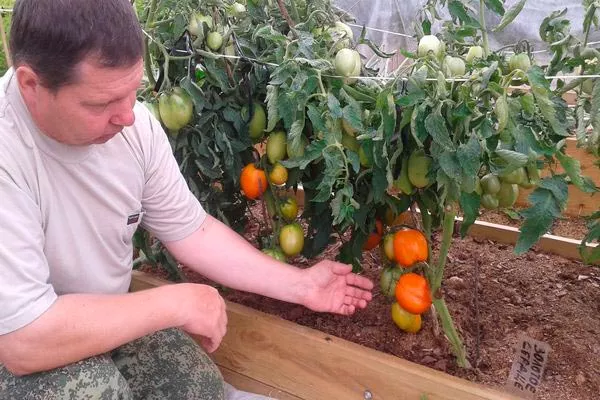
The Honey Heart tomato is a determinate variety and is suitable for both open field and plastic greenhouse cultivation. The bushes are low-growing, reaching a height of no more than 70 cm. The leaves are medium-sized and green.
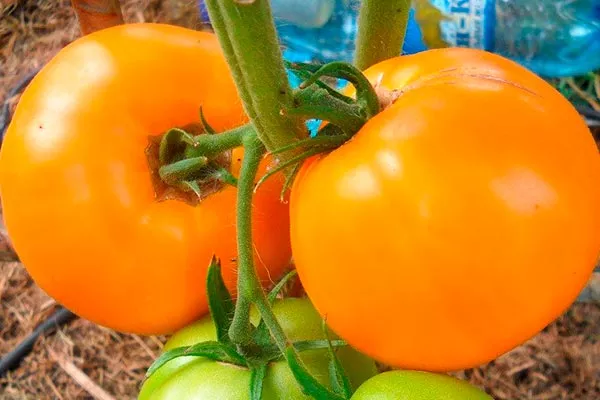
At the initial stage of ripening, tomatoes are greenish in color, but upon reaching technical maturity, they turn bright orange. The tomatoes are medium-sized, weighing between 100 and 150 grams. Their shape is slightly heart-shaped.
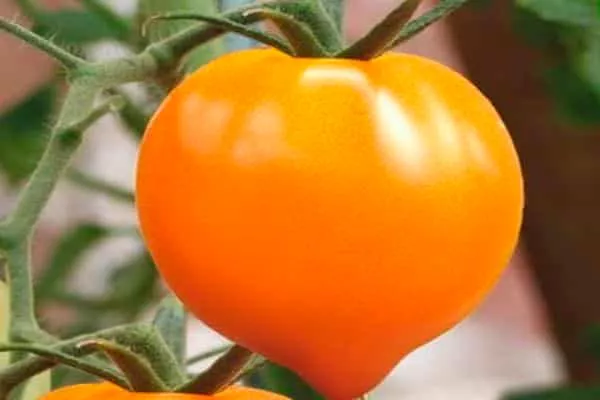
The fruit's skin is smooth, and the flesh is dense and fleshy. These characteristics prevent cracking and maintain their commercial and flavor qualities for a long time.
Taste and uses of tomatoes
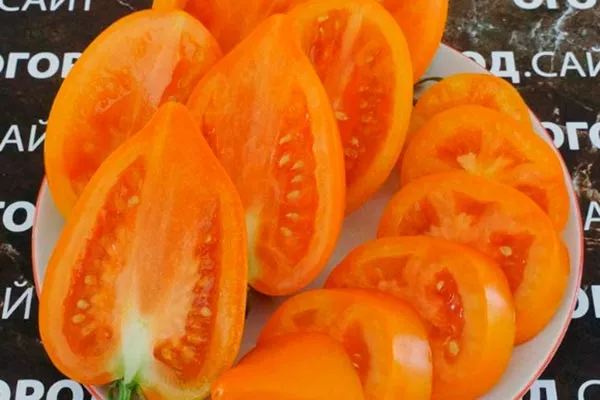
A distinctive feature of the Honey Heart tomato variety is its high nutrient content. They are characterized by their meatiness, juiciness, and distinct sweetness, reminiscent of honey.
Their primary use is fresh consumption, but they are also ideal for salads, various dishes, and canning. They are often included in dietary meals.
Ripening, fruiting and productivity
Honey Heart is an early-ripening variety: it takes approximately 90-94 days from the first shoots to full ripening. A single bush yields 3-4 kg of fruit, and the average yield per square meter is 10 kg.
With optimal care, including regular fertilizing and watering, yields can reach 15 kg per square meter. However, with inadequate care, yields drop to 8-10 kg. On average, a single bush yields about 3.5 kg of tomatoes per season.
Growing rules
Basic care guidelines for this crop are similar to those for other varieties. However, this variety has its own unique characteristics that should be considered to ensure a bountiful harvest of delicious, high-quality fruit.
- ✓ Optimum soil temperature for sowing seeds: not lower than +15°C.
- ✓ Distance between bushes when planting in open ground: at least 50 cm to ensure sufficient ventilation and lighting.
Seed treatment
Before sowing, carefully prepare the seed. If you're using home-grown seeds or the packaging doesn't indicate factory processing, process them yourself.
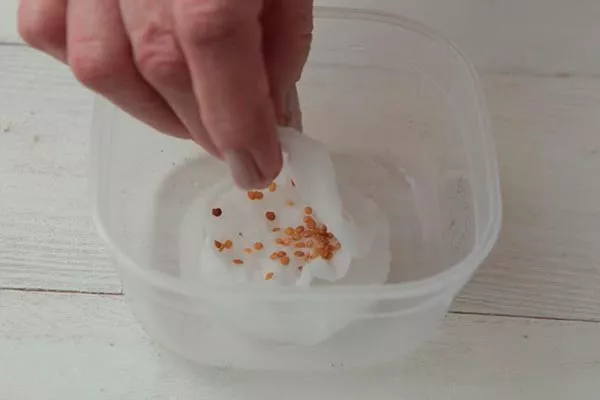
Follow these steps:
- Sort out the seeds, remove damaged or darkened ones.
- Soak the seeds in a salt solution (1 teaspoon per cup of water). Those that sink to the bottom are suitable for planting; discard those that float.
- Soak the planting material for 20 minutes in a light pink solution of potassium permanganate, hydrogen peroxide liquid, aloe juice or soda (1 teaspoon per 200 ml of water).
- After processing, rinse the seeds under running water.
- To accelerate growth, soak the seeds in stimulant solutions such as Epin, Zircon, Sodium Humate, or aloe vera juice. Alternatively, soak them in the refrigerator for three days, then in a cloth soaked in warm water for two days.
A little about containers and soil
If you plan to grow a large number of seedlings, it's easiest to first sow the seeds in a common container. Boxes, trays, cake or processed food packaging, or cut-down plastic bottles are all suitable. Once the seedlings emerge and grow, transplant them into individual pots with a minimum capacity of 300 ml.
Preparing containers and soil:
- Before planting, disinfect the containers. Treat the pots or cups with boiling water, a solution of copper sulfate (0.5 teaspoon per 2 liters of water), or dark pink potassium permanganate.
- Use a ready-made soil: specially for tomatoes or a universal one for seedlings. If desired, prepare your own soil by mixing equal parts black soil and peat with 0.5 parts sand. Add a cup of wood ash to a bucket of this mixture.
These measures will ensure healthy growth of seedlings and high yields.
Sowing and growing seedlings
Fill the container with potting soil, moisten it, and warm it slightly. Plant the seeds 1 cm deep, spacing them 1.5-2 cm apart. Water regularly, avoiding overwatering to prevent waterlogging.
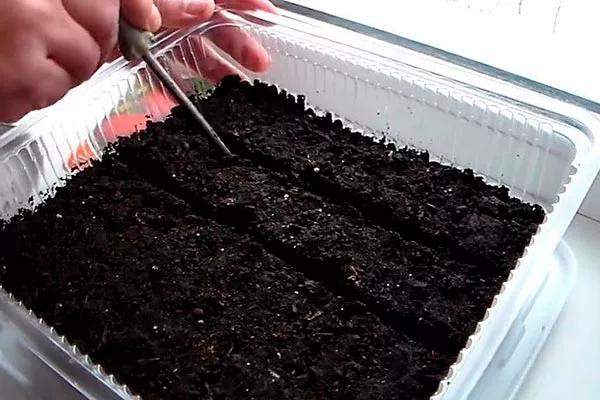
Once the sprouts emerge, place the box on a windowsill, providing good light and cool air from the window. The optimal temperature for growing seedlings is 22°C during the day and a couple of degrees cooler at night. These conditions will ensure strong, healthy seedlings for subsequent transplantation.
Don't fertilize the seedlings before transplanting. About a week after the first two true leaves appear, transplant:
- Prepare individual cups or pots.
- Fill them with fertile soil and lightly moisten it with warm water.
- Select the strongest stems. Carefully separate them from the rest of the stems using a spatula or fork.
- Transplant the plants into separate containers.
- Place the cups in a shady spot for 3 days to allow the seedlings to acclimate. Begin feeding the seedlings 7-10 days after transplanting.
If you don't plan to transplant the seedlings, leave at least 8 cm between them when sowing the seeds to ensure the growing bushes have enough space.
Tomato transplant
When the seedlings are 60-65 days old and nighttime temperatures are consistently above 15°C, you can begin transplanting them to open beds. Before planting, dig the area, mixing the soil with compost, humus, or fertilizer.
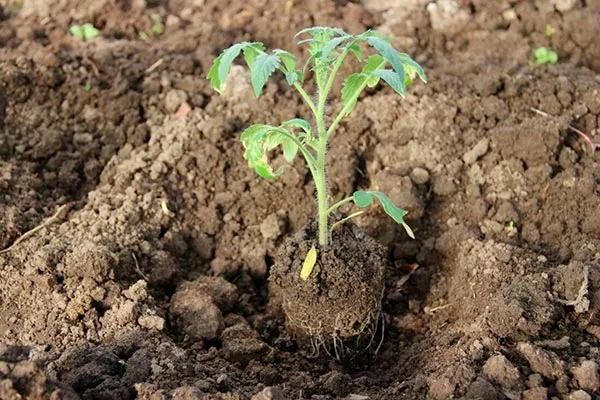
Add wood ash to improve the soil composition. Plant tomatoes at 3-4 plants per square meter. Install supports immediately for easy tying of the plants.
Aftercare of tomatoes
To ensure successful crop growth, it's important to adhere to several key conditions. Follow these simple care steps:
- Water the bushes twice a week until fruiting begins, then increase the frequency of watering.
- Provide plants with good light throughout the day. Temperatures should range from 15°C to 30°C.
- Periodically feed tomatoes with complex fertilizers.
- Mulch the soil to a height of about 10 cm to retain moisture and protect from overheating.
- Perform side shoot pruning every week, removing excess shoots.
- Regularly tie up the stems and brushes to maintain the correct shape of the bushes.
Once the bushes reach the desired size, remove the lower leaves around the fruit to allow more light. In some cases, gardeners pinch off the tops and remove any blossoms that won't produce fruit. In southern regions, do this in early August; in northern regions, at the end of the month.
Fruit harvesting and storage
Honey Heart tomatoes begin to ripen 90-94 days after germination. Harvest when they reach the desired ripeness—orange color and a firm, fleshy texture.
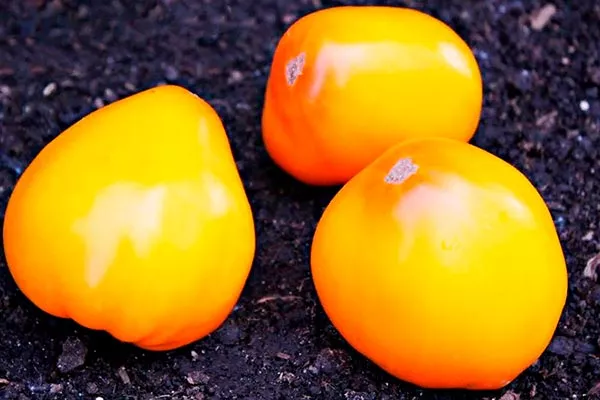
Carry out this process in the morning or evening when temperatures are cooler to avoid damaging the skin. For long-term storage, pick tomatoes slightly underripe so they ripen indoors.
Helpful tips:
- Store the harvest at a temperature of 10°C to 15°C in a cool, dry place. Place the tomatoes in boxes with small holes for air circulation. Avoid direct sunlight.
- Store any fruit that hasn't ripened yet on the bush in a cool, dark place. After a while, they'll ripen and become sweet and fragrant.
For canning and preserving, choose only firm, ripe fruits. They are perfect for making sauces, juices, marinades, and preserves.
Prevention of diseases and pests
The plant has a strong immune system, but in some cases, plantings can be susceptible to certain problems. If not properly cared for, the bushes can become diseased or attacked by pests:
- Late blight. A dangerous disease that can damage leaves and fruit. To prevent this, treat the bushes with Bordeaux mixture or copper sulfate. Maintain a proper watering schedule to avoid overwatering.
- Powdery mildew. To prevent the disease, use copper-containing fungicides, such as copper sulfate, and maintain good ventilation in the greenhouse.
- Blackleg. The disease can occur due to excess moisture. Avoid overwatering the soil and do not use contaminated planting materials.
- Root rot. Use well-prepared and disinfected soil. Proper watering helps reduce the risk of root diseases.
- Aphid. To prevent pests, inspect your plants regularly. As a preventative measure, use an infusion of garlic, tansy, or tobacco dust.
- Spider mite. The insect prefers dry air, so maintain optimal humidity in the greenhouse or open beds. Treat with insecticides or use folk remedies, such as an infusion made from tomato or potato leaves.
- Colorado beetle. Collect pests by hand or treat with chemicals. For prevention, spray with natural insecticides such as tobacco infusion or tar soap.
- Whitefly. To prevent the problem, keep the greenhouse clean and remove affected leaves. Various insecticides are suitable for control.
| Disease | Variety resistance | Recommended preventive measures |
|---|---|---|
| Late blight | High | Treatment with Bordeaux mixture before flowering |
| Powdery mildew | Average | Ensure good ventilation and treat with fungicides |
General recommendations:
- To prevent diseases and reduce pests, practice crop rotation and do not grow tomatoes in the same place for several years in a row.
- The best predecessors are onions and garlic, root vegetables (beets, carrots), cabbage, legumes (peas, beans) and green crops (spinach, arugula, lettuce).
- Do not grow tomatoes after potatoes, peppers, eggplants, or cereals.
- Regular treatment of plants with preventative agents (for example, ash solutions or garlic infusion) will help prevent infection by various diseases.
- If you find diseased or pest-damaged plant parts, remove them immediately to prevent the problem from spreading.
Humidity and temperature play a crucial role. Ensure proper watering, avoid excess moisture, and regularly ventilate the greenhouse.
Pros and cons
Before growing a crop in your garden, carefully consider its advantages and disadvantages to avoid potential difficulties. Honey Heart has many advantages:
Gardeners note the need for staking, shaping, and removing side shoots as disadvantages. Furthermore, due to their large size, tomatoes cannot be used for whole pickling or freezing for the winter, limiting their harvesting options.
Reviews
The Honey Heart tomato is an excellent choice for gardeners and homesteaders who value not only delicious but also high-yielding varieties. Its low maintenance, disease resistance, and excellent flavor make it one of the best options for growing in both greenhouses and open ground. However, without proper care, maximum productivity will not be achieved.