
Honey Drop is a mid-season cherry tomato variety. Domestic gardeners love it for its interesting fruit shape, beautiful yellow color, and amazingly sweet flavor. Those choosing this variety for their garden will also appreciate its high yield, low maintenance, and resistance to late blight.
History of creation and regions of cultivation
The Honey Drop tomato is a new Russian-bred variety. It was developed by scientists representing the Gavrish seed company:
- Gavrish S. F.;
- Morev V.V.;
- Amcheslavskaya E. V.;
- Degovtsova T.V.;
- Voloku O. A.;
- Vasilyeva M. Yu.
Their creation successfully passed variety testing and was added to the Russian Federation State Register in 2019. It was approved for cultivation in the following regions of the country:
- Northern;
- North-West;
- Central;
- Volga-Vyatka;
- Central Black Earth Region;
- North Caucasian;
- Middle Volga;
- Lower Volga;
Ural; - West Siberian;
- East Siberian;
- Far Eastern.
This tomato variety was developed by breeders for cultivation in closed ground conditions, but it also grows well in open beds in the south.
In areas with a temperate climate, greenhouse cultivation is recommended, since the formed ovaries do not have enough time to fully ripen.
Description of the bush and fruits
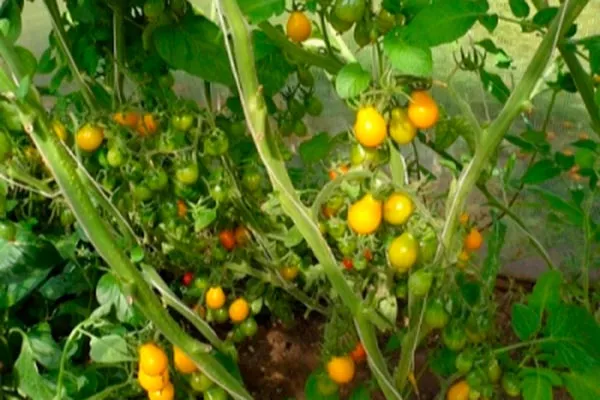
Honey Drop plants are indeterminate. In a greenhouse, their height is approximately 2 meters. Without bush training, they grow significantly taller. Outdoor growth ranges from 1.5 to 1.8 meters. A description of the tomato's appearance and variety includes:
- powerful liana-like structure;
- great growth force;
- foliage: medium-sized, potato-shaped; green:
- Fruit clusters: large, broom-like, consisting of 15-25 miniature tomatoes.
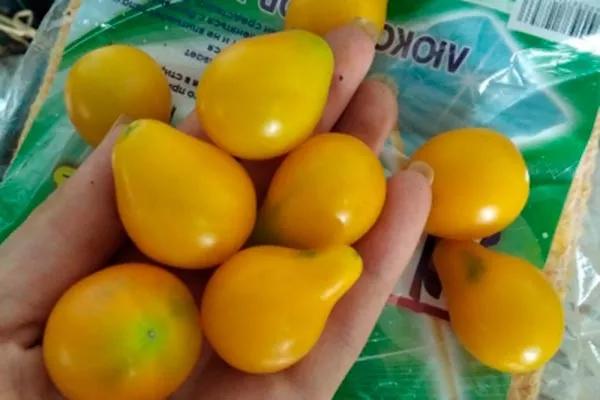
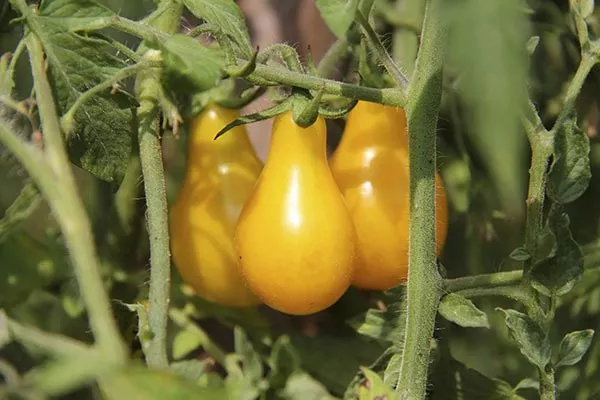
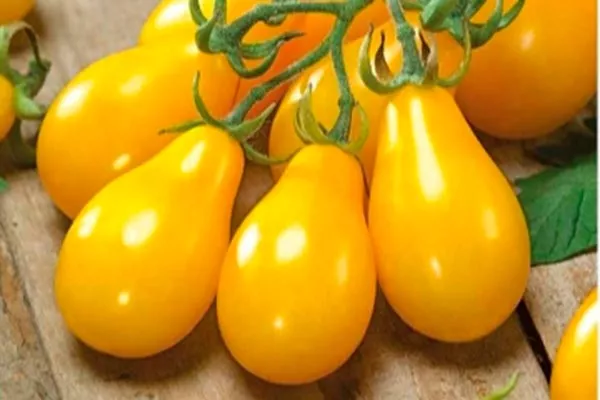
The fruits of the Honey Drop have an unusual and very attractive appearance. Visually, they resemble small amber pears, possessing the following characteristics:
- weight - 20-40 g;
- thin but strong skin, smooth, not prone to cracking;
- yellow, medium-dense flesh with 3 seed chambers, quite juicy and aromatic;
- small seeds that easily separate from the pulp.
A distinctive feature of cherry tomatoes is that they can be ripened at home if picked from the vine while still green. They also have a good shelf life (up to 1.5 months if harvested before ripening).
- ✓ High resistance to fruit cracking and blossom-end rot.
- ✓ The ability of fruits to ripen at home after harvesting.
Key characteristics of the variety
This vegetable variety is gaining more and more fans among domestic gardeners and farmers every day thanks to its many excellent characteristics: good yield, resistance to fruit cracking, blossom-end rot, viruses, and Alternaria.
Taste and uses of tomatoes
This variety lives up to its name. Its fruits delight the eater with their juiciness and very sweet taste, due to the high sugar content in the pulp, and hints of honey. They are a favorite among both adults and children.
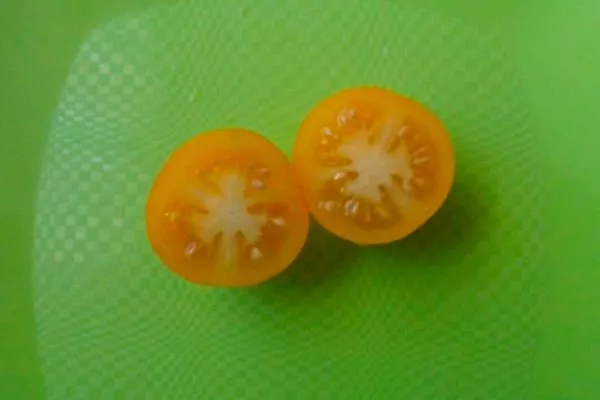
The primary use of the Honey Drop harvest is fresh consumption. Without any processing, yellow pear-shaped tomatoes make an excellent summer dessert, equally delicious as the fruit itself. They are also suitable for home cooking. Homemakers use them in the following ways:
- added to salads;
- used to decorate holiday dishes;
- marinated and salted.
Their miniature size and beautiful shape make cherry tomatoes ideal for canning for the winter. A jar holds a generous amount of them. Canned tomatoes look festive and unusual, more reminiscent of a fruit compote than pickled tomatoes.
Ripening, fruiting and productivity
This vegetable variety belongs to the mid-season cultivars and hybrids. Its harvest matures in 90-110 days after germination. In July and August, gardeners harvest ripe clusters of amber-colored tomatoes.
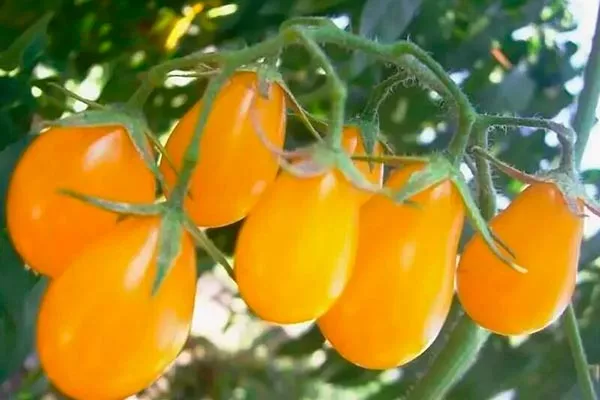
The variety is considered high-yielding. Its characteristics are as follows:
- 6-7 kg per 1 sq. m of tomato planting (average);
- Up to 9.5 kg per 1 sq. m (maximum productivity).
Features of growing Honey Drop
Gardeners cultivate yellow cherry tomatoes in two ways: with seedlings and without seedlings, which involves sowing the seeds in open soil in a garden bed. Experienced gardeners prefer growing the Honey Drop from seedlings, which ensures an earlier harvest.
This method is suitable for regions with moderate and cold climates. Following this method, seeds are sown in the first ten days of March, and then the 55-60-day-old seedlings are transplanted to the garden in May.
Seed preparation
Seeds of this variety have excellent germination rates, reaching 96%. Honey tomato seeds retain their germination rate for the first 2-3 years. Germination then begins to decline sharply, reaching its lowest point in the 5th-7th year.
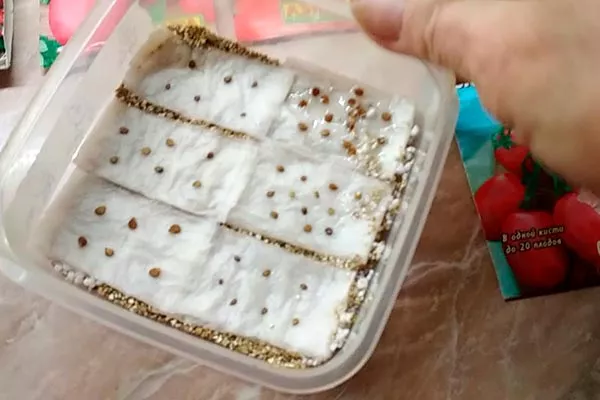
Experienced gardeners, especially if the planting material is old, soak it in a 1-2% potassium permanganate solution to improve germination. This also prevents the crop from becoming susceptible to disease.
To obtain uniform early shoots, other pre-sowing procedures are also applicable:
- warming up;
- soaking in Epin or Zircon (growth stimulants);
- bubbling (oxygen saturation);
- hardening with temperature changes (summer residents alternately leave seeds, wrapped in cloth and plastic, in the refrigerator for 8 hours 5-6 times, and then bring them into a warm place for 8 hours);
- germination on a saucer with moistened gauze at a temperature of +25°C.
By following these steps, you'll increase seed germination by at least 30%. Before you begin, sort through your seedlings. Remove any empty, small, or damaged seeds.
Container and soil
Use wooden or plastic boxes or 10x10 cm cups to grow amber tomato seedlings. Peat pots are especially good. Seedlings grown in such containers can be transplanted into the garden bed along with the containers (without removing them).
Buy seedling substrate at a flower shop. It has the right structure (loose, lightweight, permeable to air and water) and is already enriched with all the nutrients necessary for normal seedling growth and development.
It is also possible to make your own soil mixture from the following components:
- peat - 7 parts;
- sawdust - 1 part;
- garden soil - 1 part.
There are also other recipes for obtaining a nutritious substrate for growing tomato seedlings:
- garden soil, humus, peat, sand (2:1:1:1);
- garden soil, mature compost, cow dung or bird droppings, sand (1:1:1:1).
It's a good idea to enrich your homemade soil with mineral fertilizers. Use superphosphate. Apply 25 g per 10 kg of homemade soil mixture.
Sowing seeds and caring for seedlings
Sow cherry tomato seeds in a tray with soil, using furrows. Plant them 1 cm deep, leaving 3-4 cm between them. Finally, spray the seeds with warm, settled water. Cover them with plastic wrap to create a greenhouse effect. Keep them in a warm place (22-25°C).
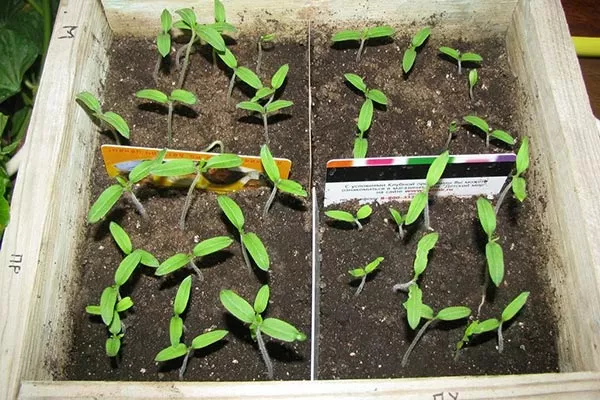
Once the sprouts emerge, remove the film. Place the seedling tray on a sunny windowsill in a cooler room (+20°C). Provide the seedlings with proper care:
- water them moderately;
- gently loosen the soil underneath them;
- fertilize (the first time, fertilize them with a solution of fertilizer for nightshade crops 14 days after picking, the second time, apply Superphosphate after another 2 weeks);
- Provide additional light with a phytolamp to prevent them from stretching.
Picking and hardening
Transplant the grown seedlings, which have developed their first true leaf, into separate containers. Perform this procedure after a thorough watering. Use a chopstick or toothpick to help. When transplanting, pinch off a third of the seedling's root. Plant the sprouts deep down to the cotyledon leaves.
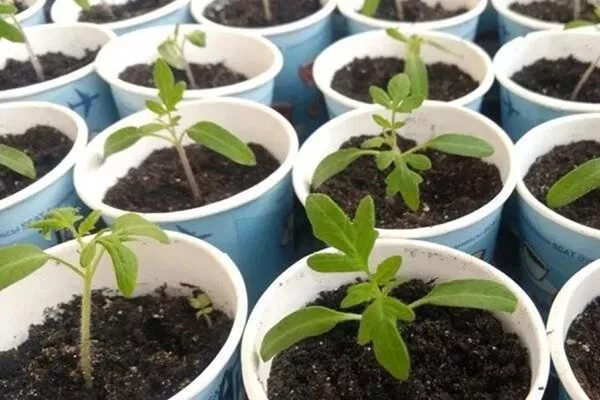
Ten to fourteen days before transplanting the seedlings to their permanent location, begin increasing their cold tolerance. Harden them off by gradually lowering the room temperature to 13°C. You can also take the seedlings out onto the balcony. Leave them there for three hours the first time. Then, add an hour each day to their time outside.
Planting plants in the ground
Transplant the mature honey tomato seedlings into the garden in the first weeks of May. If you plan to grow them outdoors rather than in a greenhouse, select a sunny, wind-free spot that's not prone to flooding, with loose, organically fertilized soil. Replace the topsoil in the sheltered bed.
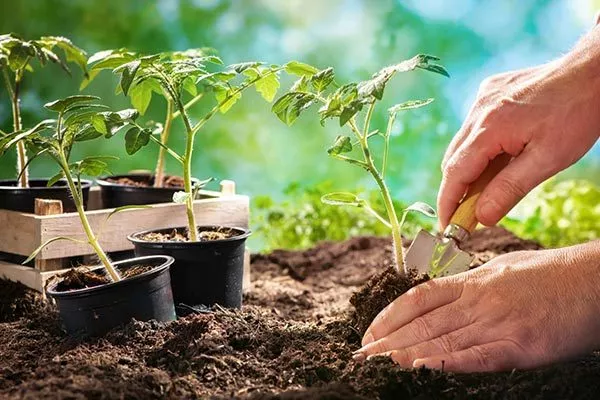
To ensure the variety produces a good yield, grow it after the right predecessors:
- legumes;
- pumpkin;
- root vegetables;
- green crops.
Do not plant a tomato bed where you grew potatoes, peppers, eggplants, tomatoes, or physalis last season.
Transplant Honey Drop seedlings into the garden using one of the seed manufacturer's recommended spacing schemes: 50x50 cm or 40x60 cm. Space 3-4 seedlings per square meter of soil. Avoid dense planting. Failure to do so will increase the risk of disease and reduce yield.
Regular and proper care of tomatoes
The health and abundant fruiting of Honey Drop tomato plants depend on proper agricultural practices. Pay special attention to watering, fertilizing, shaping, and staking.
Watering
Water the vegetable bed as the top layer of soil dries out. Do this in the morning. Use settled, sun-warmed water to moisten the soil under the plants. Avoid waterlogging, as this can lead to root rot. Maintain a watering schedule:
- Water tomatoes growing in a greenhouse once every 3-4 days, and in an open garden bed - based on the amount and frequency of precipitation (at least once a week);
- use 8-10 liters of water per 1 bush;
- In hot weather, water the tomato planting once every 2 days or daily.
Top dressing
Fertilize Honey Drop tomato plants every two weeks. Use different nutrient solutions based on the plant's growth stage:
- nitrogen (a solution of mullein or bird droppings, saltpeter, urea) - before the tomato bushes begin to bloom, to stimulate the growth of foliage;
- potassium-phosphorus (superphosphate, potassium sulfate) in the form of a solution prepared in the proportion of 40 g of fertilizer per 10 liters of water - after the appearance of the fruit ovary, during its ripening.
Some gardeners claim that Honey Drop plants produce abundant fruit without the need for fertilizing. Simply plant the seedlings in well-fertilized soil in the fall.
Shaping and tying up bushes
Provide sturdy support for the tall, vine-like amber cherry tomato plants. Otherwise, the unsupported plant will lie flat on the bed, and the ripening fruit will be in contact with the ground. Staking will make caring for the plant much easier and prevent spoilage.
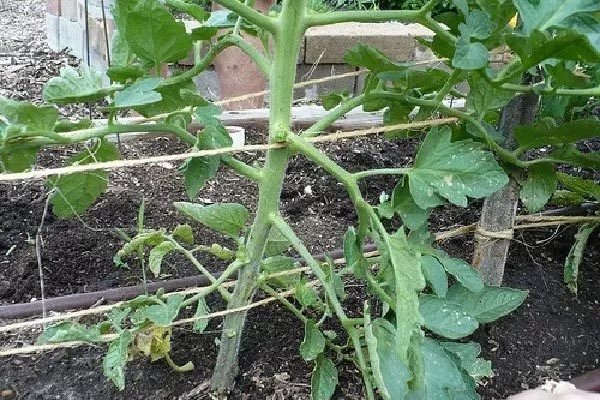
When transplanting vegetable seedlings into a garden bed, make sure they have support:
- Drive a wooden stake at least 1.5 m high next to each seedling;
- build a trellis in the greenhouse.
Honey Drop bushes grow vigorously. They require shaping and pinching to ensure maximum productivity. Experienced gardeners train them into two or three trunks.
Soil care
After watering the Honey Drop bushes, follow the soil care procedures in the area around the trunk:
- loosening (gently loosen the soil, trying not to damage the roots of the crop, to ensure better oxygen supply to them);
- weeding (get rid of weeds in a timely manner, as they take away nutrients from tomato bushes, interfere with their proper development, and are a favorable habitat for pathogens and pests);
- mulching (to reduce watering and weeding, cover the soil under the plants with a layer of organic matter).
Features of cultivation and possible difficulties
Experienced gardeners note that the specifics of cultivating this vegetable variety include the need for its bushes to be tied, shaped, and pinched. Ignoring these procedures often leads to the following difficulties:
- Uncontrolled growth of plantings, their thickening and decline in yieldHoney Drop bushes are characterized by aggressive growth not only upwards but also outwards. Regular pruning of excess shoots is necessary to prevent them from becoming overgrown, continuing until August.
Don't rely on planting yellow cherry tomatoes to regulate vegetative growth and achieve balance. Don't neglect measures to combat overcrowding. These will not only improve productivity but also maintain the health of the plant. - Unripe cropsThis problem is often observed in regions with temperate and cold climates, such as the Moscow region. It is caused by failure to remove side shoots. Neglecting this procedure leads to delayed plant development and fruit ripening.
- Cracking of fruits that are overripe or have reached the stage of full maturityThe complication is caused by excessive moisture, which is often observed when tomato plants are planted too densely, as well as when they are overwatered.
To prevent this, apply monopotassium phosphate as a fertilizer during the ripening period of tomatoes. This is especially beneficial for Honey Drop plants during rainy and cold summers.
Also adjust the frequency of watering the bed, monitor the humidity levels of the air and soil in the greenhouse (they should be within 60-70% and 70-75%, respectively).
The nuances of growing in open ground and in a greenhouse
Experienced gardeners prefer to grow tomato varieties in greenhouses. Outdoor gardening carries a high risk of the crop not ripening. This problem is especially acute in the central and northern climates of the country.
- ✓ Optimum soil temperature for planting seedlings: +10°C in a greenhouse, +15°C in an open bed.
- ✓ Recommended air humidity in the greenhouse: 60-70%, soil: 70-75%.
Growing honey cherry tomatoes outdoors is only recommended in the south. In warmer climates, ripening problems are not a problem.
If you plan to grow this variety in your garden, consider other nuances:
- Plant the seedlings in the garden 50-60 days after sowing the seeds. Plants transplanted to the garden in southern regions should only have leaves. Seedlings transplanted to a greenhouse in cooler regions should already have their first flowering clusters.
- Transfer the seedlings to the garden after the soil in the greenhouse has warmed up to +10°C, and in the open garden bed – to +15°C.
- Pay attention to improving soil fertility in your garden and greenhouse. Remember that this variety is very demanding regarding soil composition.
In the fall, enrich the soil in open areas with humus and manure, and in the spring, add superphosphate.
In the greenhouse, replace the topsoil. If this is not possible, amend the soil with organic matter (manure, compost) and mineral fertilizers (ammonium nitrate, superphosphate, potassium magnesium sulfate). - When planting honey tomato seedlings in an open garden bed, keep them under plastic for the first few days. Be sure to provide temporary cover at night if there's a risk of cold weather.
- If cherry tomatoes are growing in a greenhouse, be sure to ventilate it to prevent the development of fungal infections.
Fruit harvesting and storage
Gardeners harvest the Medovaya Kaplya vegetable variety in July and August. Although ripe fruits are highly resistant to cracking, it's best not to leave them on the vine for too long. These tomatoes can be picked while still green. They ripen well indoors.
Fruits harvested at the technically ripe stage have a long shelf life. They retain their firmness and attractive appearance for up to 1.5 months if provided with the right conditions:
- temperature range: +7-14°С;
- air humidity - 80%.
Treatment and prevention of diseases and pests
The Honey Drop cherry tomato was bred to be resistant to pathogens common to nightshade crops. Despite its strong immunity, its plants require preventative treatments against late blight.
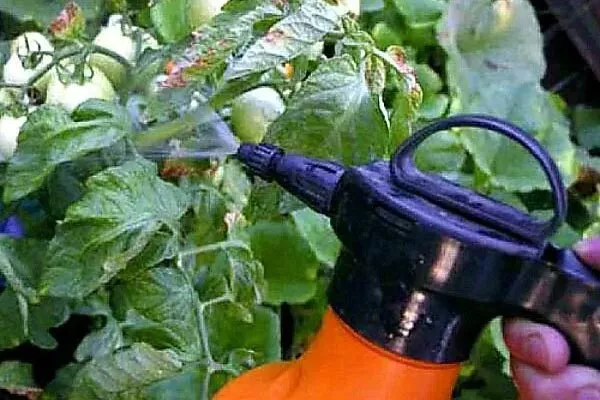
In unfavorable years and with poor care, the risk of disease increases due to the crop's late maturing. Preventative spraying with Fitosporin-M once every 10 days will help prevent late blight. If signs of disease appear, apply a copper-based fungicide.
The following insects are a nuisance to the amber cherry tomato planting:
- scoop;
- tomato moth.
Their larvae chew holes in the fruit, ruining the harvest. The best way to control them is to treat the Honey Drop planting with the biopreparation Bitoxybacillin-BTU.
To prevent pest infestations, regularly weed your tomato beds. Remember that cotton bollworm moths often lay eggs in weeds. Also, try folk remedies for pests, such as garlic tea. They're effective in preventing the problem.
Pros and cons
This varietal variety of the vegetable has become a favorite among gardeners and has taken root in garden plots across our country thanks to its many inherent advantages:
Reviews
Honey Drop is a new variety bred in Russia, a favorite among gardeners who appreciate miniature cherry tomatoes. The striking pear-shaped fruit, amber color, and nectar-like sweetness of this variety are sure to captivate. They thrive in both open garden beds and greenhouses, rarely suffer from disease, and produce high yields.