
The Marselon tomato is a high-yielding and easy-to-grow variety, ideal for both greenhouses and open ground. The plants are disease-resistant and produce large, fleshy tomatoes with excellent flavor. The tomatoes are suitable for fresh consumption, canning, and processing. Plant care is minimal, but it significantly impacts productivity.
Description of the bush and fruits
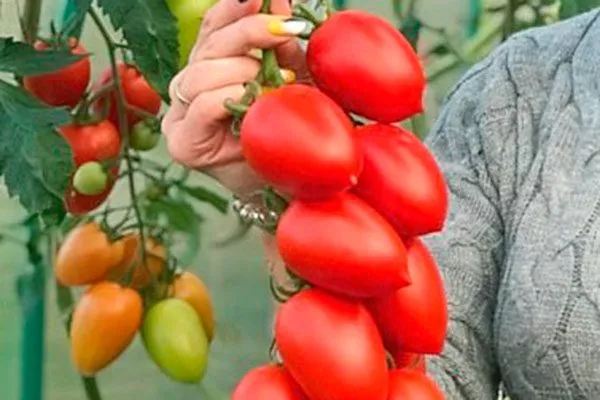
Marselon is an indeterminate hybrid. Each cluster produces 8 to 10 tomatoes. Distinguishing features:
- The plant reaches a height of approximately 1.5 m. It is characterized by a powerful root system and wide, dark green leaves. The first cluster appears above the 8th to 10th leaf, and the next ones appear 2-3 times a year.
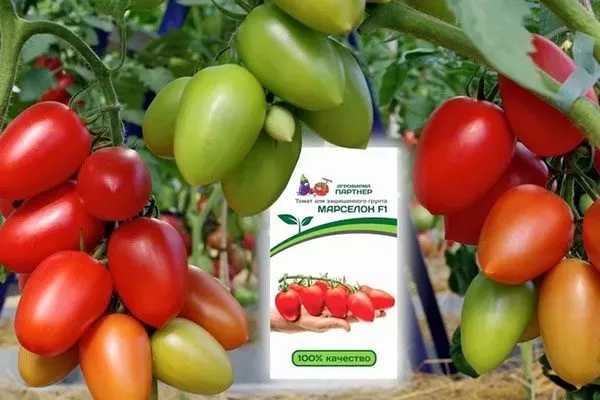
- Ripe tomatoes are a rich red color and have an elongated oval shape with a distinct nose.
- The weight of each vegetable varies from 90 to 130 g.
Main characteristics
The Marselon tomato ripens in approximately 100-105 days. This allows the first tomatoes to be harvested as early as midsummer and continues until the autumn frosts.
This variety is characterized by good resistance to fungal diseases, tobacco mosaic virus (TMV), and fusarium wilt. These qualities allow the Marselon tomato to be grown in high-humidity conditions.
- ✓ Optimum soil temperature for planting seedlings: not lower than +15°C.
- ✓ Recommended soil pH level: 6.0-6.8.
Growing and care
To successfully grow tomatoes, it is important to adhere to a number of agronomic requirements, including the treatment of planting material and proper care of the plants at all stages of their growth.
Seed preparation:
- To increase germination and protect against diseases, immerse the seeds in a solution of potassium permanganate or use fungicides for this purpose.
- Wrap the seeds in a damp cloth or soaked cheesecloth and leave at 20-25°C. This will speed up germination and ensure uniform germination.
Helpful tips:
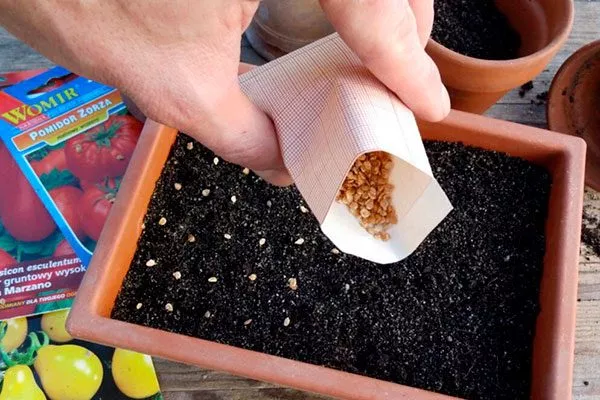
- Place the seeds 1-2 cm deep and cover with plastic wrap or glass until germination occurs. The optimal temperature for germination is 25-28°C.
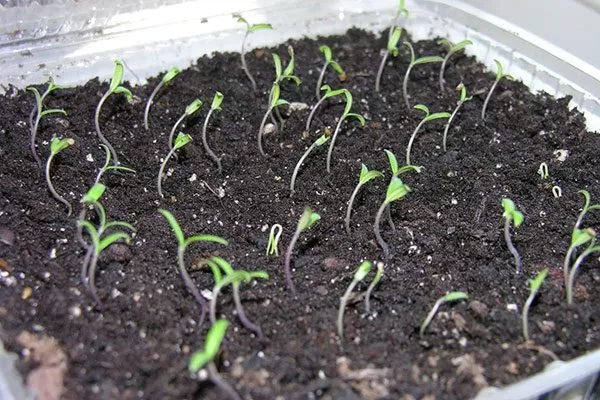
- When sprouts appear, provide the seedlings with good lighting, otherwise they will stretch out.
- As soon as the seedlings have 6-8 true leaves and the frost has passed, transplant them into a greenhouse or open ground.
- The distance between plants should be about 40 cm, and between rows – 50 cm. It is important that the soil is well fertilized and drained.
- First feeding: 2 weeks after planting the seedlings, use nitrogen fertilizers.
- Second feeding: during the flowering period, use potassium-phosphorus fertilizers.
- Third feeding: during fruiting, re-use potassium-phosphorus fertilizers.
Provide your seedlings with comprehensive care. Follow standard agricultural practices:
- Watering. Marselon tomatoes prefer regular, but not excessive, watering. Avoid overwatering, as this can lead to disease and rot. Water at the roots, using only warm, settled water.
- Top dressing. At the beginning of the growing season, apply nitrogen fertilizers to promote vigorous plant growth. During flowering and fruit formation, apply potassium and phosphorus fertilizers to stimulate ovary set and improve the quality of the fruits. Fertilize the plants 3-4 times per season.
- Loosening. Loosen the soil to improve its aeration and permeability, preventing surface crust formation. This process helps loosen the topsoil, which promotes the consistent penetration of water and nutrients to plant roots.
- Weeding. Remove weeds that compete with your main crops for moisture, light, and nutrients. Regular weeding prevents pest growth and keeps your beds clean. Weed by hand or with tools, and use specialized weed control products to minimize vegetation.
- Mulching. Cover your garden beds with organic or inorganic materials: straw, hay, sawdust, or agrofibre. Mulch helps retain moisture in the soil, reduces weed growth, and protects roots from overheating. It improves soil structure and decomposes over time, releasing nutrients.
- Garter. Secure shoots and stems to vertical supports as the plants grow tall. This will prevent branches from breaking and improve air circulation.
- Formation and pinching out stepsons. Since Marselon is an indeterminate variety, the bushes require proper structuring. Train the plants in 1-2 trunks and regularly remove side shoots, which positively impacts yield. Trim the lower leaves to prevent disease and improve ventilation.
- Protection from diseases and pests. The crop can be susceptible to late blight, powdery mildew, and other problems. For prevention, use Bordeaux mixture or copper sulfate. Treat the plantings with fungicides as needed, at the first sign of infection.
To prevent parasite attacks, spray the bushes with Aktara or Fitoverm.
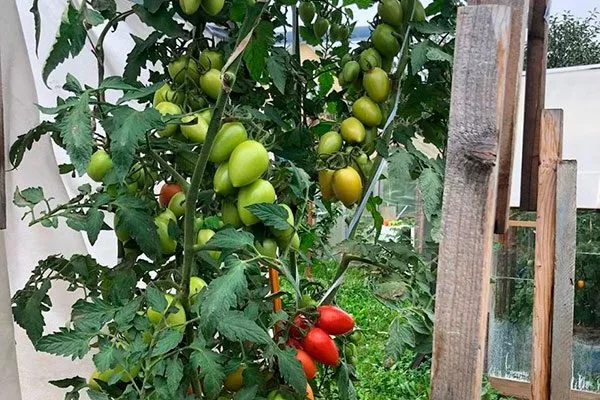
Tomatoes ripen 80-100 days after planting, depending on weather conditions. Harvest the fruits when they are fully ripe, usually in midsummer or early fall. Pick unripe tomatoes for longer storage – keep them in a dark place.
Reviews
The Marselon tomato is an excellent choice for those who value a reliable harvest and excellent flavor. It requires little maintenance, yet performs well even in variable weather conditions. By following the right agricultural practices, you can reliably obtain generous harvests throughout the season.