
The Marochka tomato stands out for its compact, standard bush, making it easy to care for and plant. This mid-early variety produces attractive fruits with a vibrant, sweet-and-tart flavor and versatile use. This variety is highly resistant to disease and drought, and the plants require no structuring.
Description of the variety
The bushes have strong stems and reach a height of 40-45 cm, making them compact and easy to care for. The optimal planting pattern is 40x40 cm, allowing for efficient use of space in a garden or greenhouse.
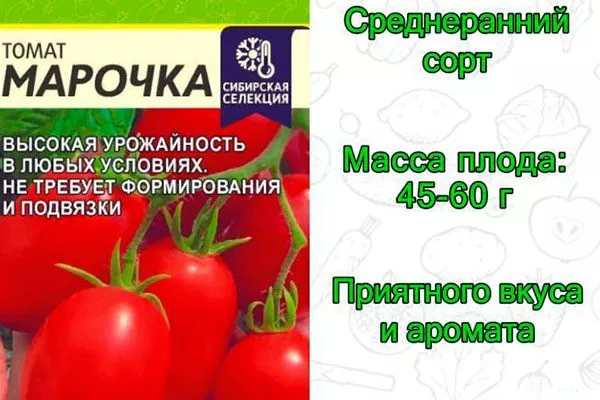
Distinguishing features:
- leaves - medium size, rich green color;
- flowering – begins several weeks after emergence, usually in late March or early April;
- ovaries – formed in clusters of 5-8 fruits each, ensuring high yields;
- tomatoes – they have an oval shape with a slight point at the end, and the weight of one fruit is 45-60 g;
- taste - The pleasant, medium-dense flesh makes these vegetables suitable for both fresh dishes and preserves.
The variety is versatile in use: the tomatoes are delicious in salads, and thanks to their small size, they fit perfectly in jars for pickling and canning.
Main characteristics
Marochka is a mid-early variety: the fruit ripens 90-110 days from sowing. The first tomatoes can be harvested as early as July, and depending on the region and planting date, until August or September.
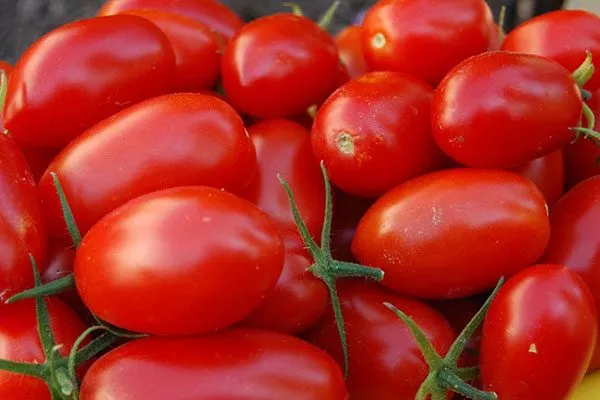
Ripening occurs quickly and evenly, so it is convenient to harvest twice a day – in the morning and in the evening.
Harvest tomatoes carefully: use sharp pruning shears to cut the tomatoes off, including part of the stem, while holding the fruit from underneath. Immediately after harvesting, place them in bags and store them on the top shelf of the refrigerator.
Features of landing
Marochka is most often grown in the Volzhsky, South Ural, and Central districts. The best planting location is a southeast-facing, sunny location. This variety prefers fertile, black soil.
Working with a garden bed
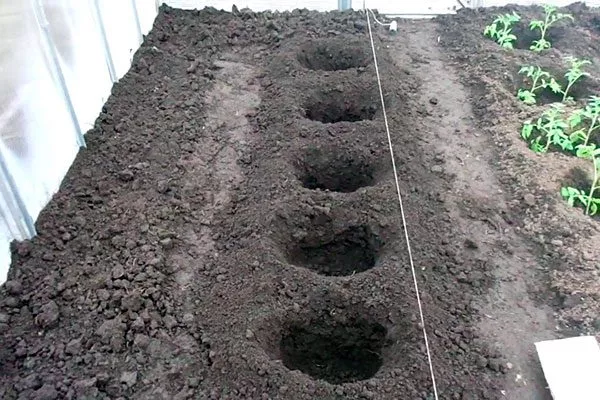
Begin preparing the plot for the Marochka variety in early autumn. Follow these steps:
- Dig the soil to a depth of about 50 cm, carefully removing any remaining weeds;
- to improve the soil composition, add wood ash;
- in the spring, 3-4 days before planting, loosen the soil again to a depth of 25 cm and additionally fertilize with a mixture of peat, humus and charcoal;
- A day before planting, water the bed with a warm solution of copper sulfate and cover with film for disinfection and warming.
Growing seedlings
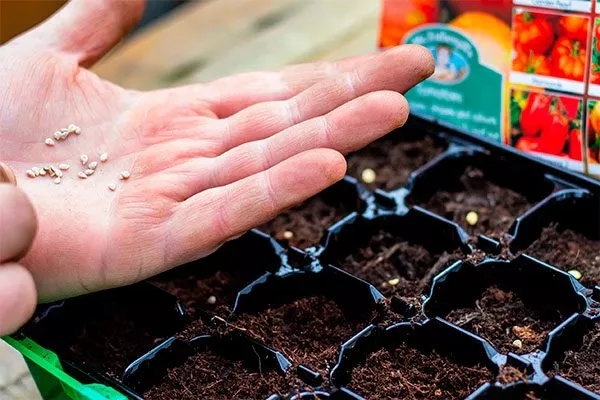
Start sprouting Marochka tomato seeds in the second half of March. Step-by-step instructions:
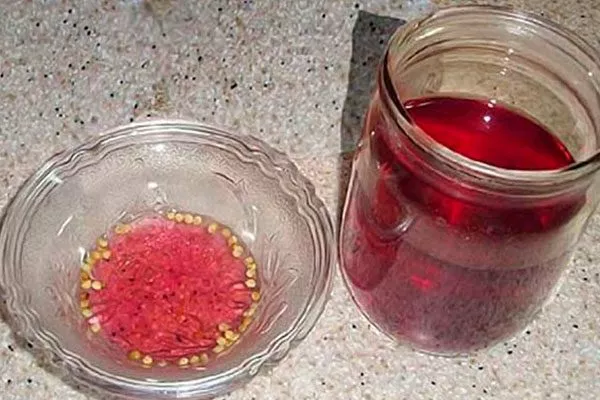
- First, soak the seed material for 30 minutes in a saturated solution of potassium permanganate, then rinse and leave for 12 hours in warm water.

- Plant the seeds 1-1.5 cm deep in a soil mixture consisting of turf soil, ash, sand and peat, with an interval of about 3.5 cm between plantings.
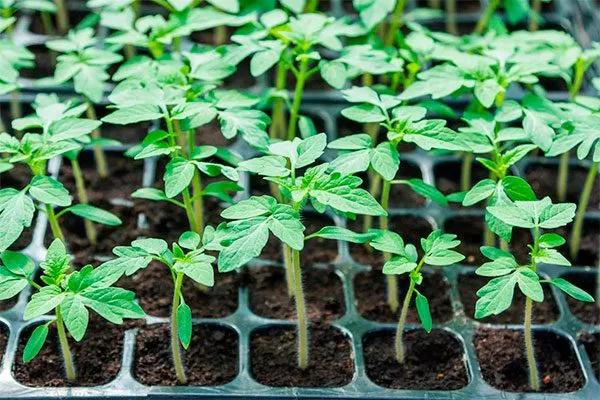
- Place the boxes with seedlings in a shaded area, maintaining a temperature of around +27°C until the seedlings appear.
- Once the sprouts appear, move the containers to a windowsill and keep them at 15°C for five days. Later, increase the temperature to 22°C to ensure the seedlings develop fully.
Numbers and landing techniques
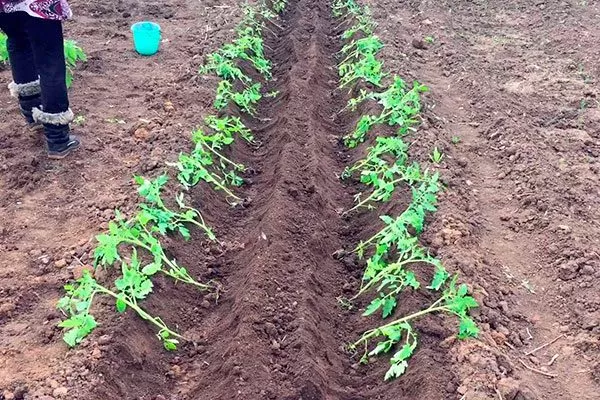
Transplant the seedlings outdoors in the second half of May, when they are approximately 60 days old and have developed up to seven true leaves. Before planting, ensure the soil has warmed to 11°C at a depth of 13-14 cm.
Basic requirements:
- The optimal depth of planting holes is 19-21 cm.
- Place the seedlings vertically, deepening them 2.4-2.6 cm above the level of the scion.
- For proper planting, leave 55 cm between rows, and maintain a distance of 32-35 cm between the bushes themselves.
Care nuances
For successful cultivation of the Marochka tomato, abundant watering and regular but moderate fertilizing are especially important. Staking the shoots is only necessary in greenhouse conditions to prevent them from touching the soil. Timely implementation of these agricultural practices will ensure a good harvest.
Irrigation order
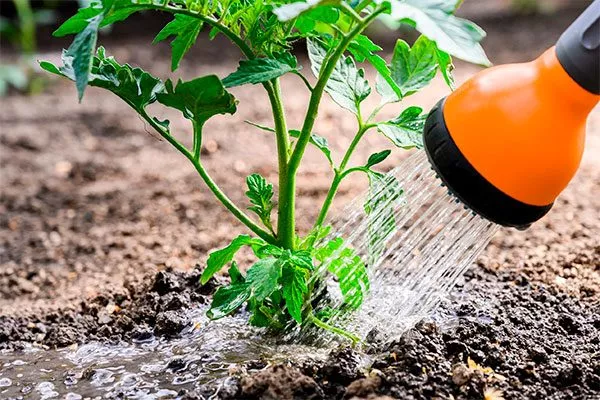
Starting from the second week after planting and until fruit sets, water the bushes every eight days. Once fruiting begins, increase the frequency to once every three days, pouring 2.5-3 liters of water under each bush.
Make-up system
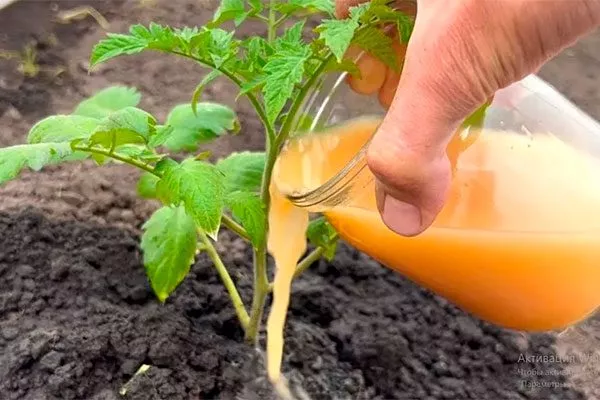
For a bountiful harvest, fertilize your plants up to four times per season. Use the following fertilization schedule:
- three weeks after transplanting to a permanent location - add liquid mullein enriched with 100 g of nitroammophoska;
- in the flowering phase – use an infusion of bird droppings with the addition of potassium monophosphate and potassium salt;
- with the beginning of the reddening of the first fruits - Feed with a solution of wood ash and diluted potassium humate;
- during active fruiting – Use a mixture of potassium monophosphate and boric acid.
Diseases and pests
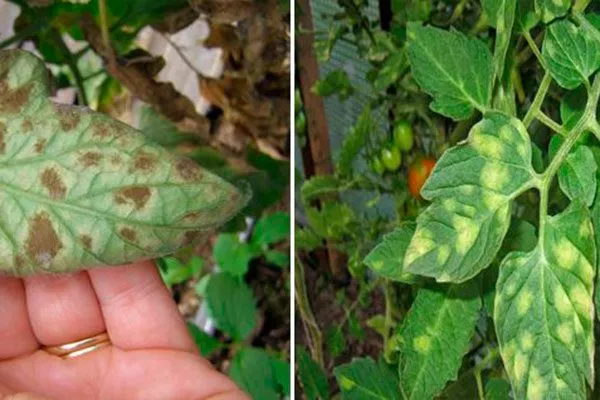
This variety is characterized by strong immunity and is rarely susceptible to disease. However, cold rains are particularly dangerous for it, as they increase the risk of olive spot. The bushes can also attract insects that damage the plants, reducing yield.
The main problems of the Marochka tomato:
- Cladosporiosis. Damp and cloudy weather combined with high temperatures create favorable conditions for fungal growth on plants. Greenish-beige spots appear on the leaves, which eventually rot and cause the foliage to wilt. For treatment, use Zineb or Poliram.
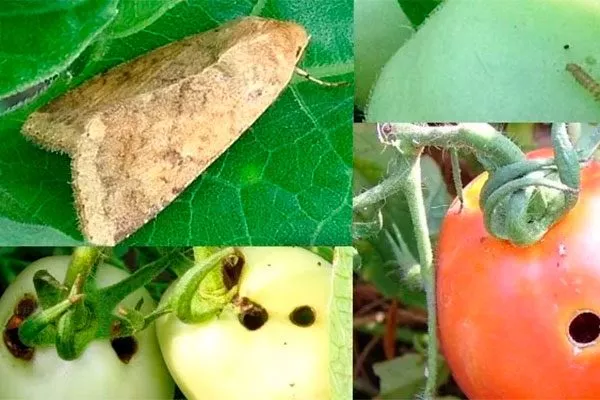
- Scoop. The pest is especially common on plants planted in shaded areas—it damages large leaves, leaving them in tattered, ragged shapes. Spray the beds with Voliam or Kinfos insecticides.
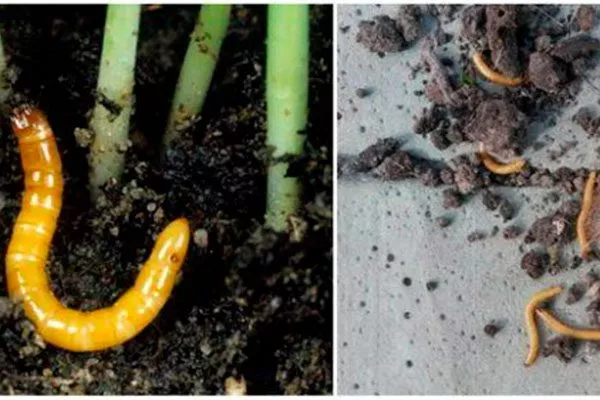
- Wireworm. The sandy-orange larvae of the click beetle, a large reddish-brown beetle, often infest shrubs grown in dense and waterlogged soils. The insects gnaw at the roots of plants, causing them to weaken and wither.
To combat larvae, treat the soil around the bushes with Provotox, and the damaged shoots with Bazudin.
Pros and cons
Marochka is a very young variety, and not much is known about it. However, it has already gained popularity among gardeners in our country. This is due to its low maintenance, striking appearance, and refreshing, piquant aroma.
Reviews
Marochka is the best choice for gardeners who value high productivity and ease of cultivation. Compact bushes with strong stems resist breaking, and the juicy and tasty vegetables are perfect for salads and preserves. Resistant to adverse conditions and diseases, this variety is successfully cultivated in various regions of our country.