
The Marmeladny tomato is an unusual variety from Russian breeders. The yellow tomatoes are very attractive, reminiscent of oranges, have a pleasant flavor, and are popular with Russian gardeners.
Description of the Marmalade variety
The Marmeladny tomato has low-growing, determinate bushes. Plants reach a height of 60-80 cm. Branching is moderate. Ovaries form every 1-2 leaves. Although considered a standard variety, when grown indoors, its bushes can reach 1.5 m in height. The fruits of the Marmeladny tomato are medium-sized.
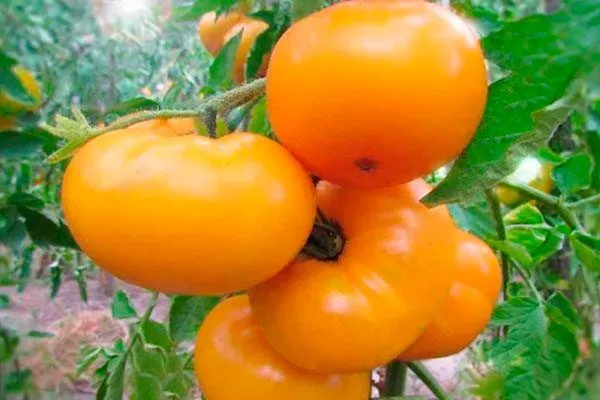
Brief description of fruits:
- Colour of ripe fruit: red-orange.
- Shape: flat-round.
- Pulp: dense, fleshy, juicy.
- Skin: dense, glossy.
- Weight: 100-150 g.
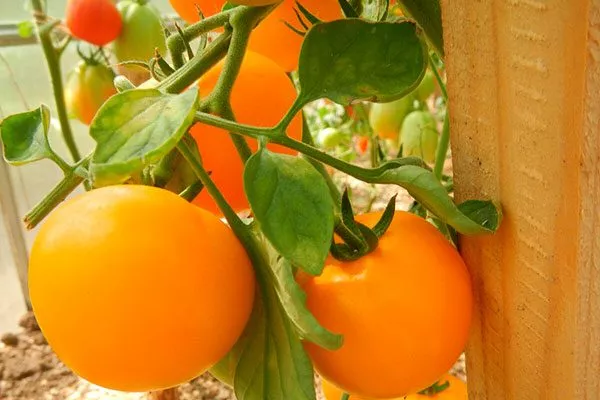
The Marmeladny tomato was developed by Siberian breeders about 10 years ago. The originator of the Marmeladny variety is the Russian company "Uralsky Dachnik."
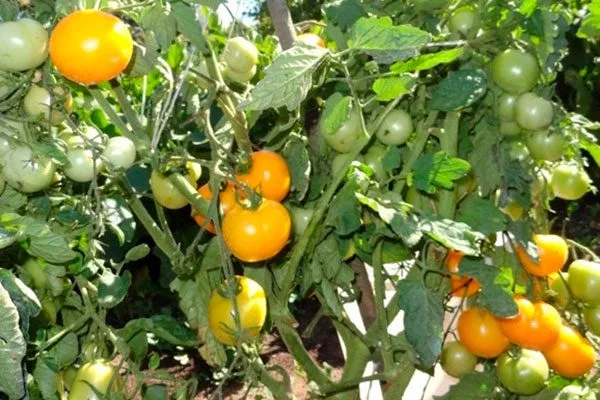
The yellow fruits have a very pleasant, sweet flavor, somewhat reminiscent of marmalade, hence the variety's beautiful name. Ripe "marmalade" tomatoes are versatile. They are eaten fresh, used in salads, pickled, and preserved.
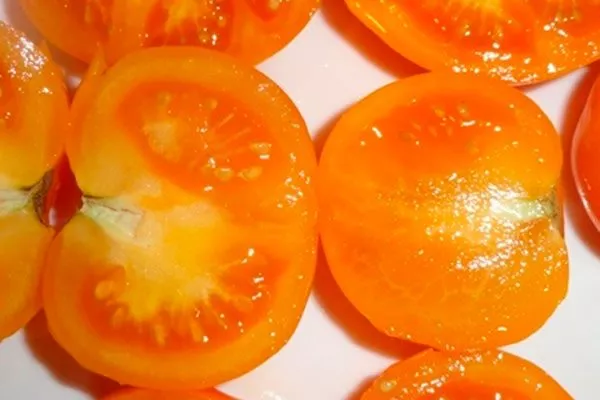
The Marmalade tomato is a mid-early variety. It takes 90-100 days from germination to ripening. This tomato yields 4-5 kg per plant. It has good immunity, and its drought and cold tolerance are on par with the average for the variety.
Pros and cons
Before planting a yellow tomato variety in your garden, it's helpful to familiarize yourself with all its advantages and disadvantages. Perhaps this peculiar variety isn't suitable for your intended purposes, and you'll have to look for another one.
Landing
The Marmalade tomato, like most varieties, is grown from seedlings. These can be purchased or grown independently over a period of 60-65 days.
How to prepare seeds for sowing?
To grow high-quality and healthy seedlings and ensure 100% germination, seeds must be prepared for sowing.
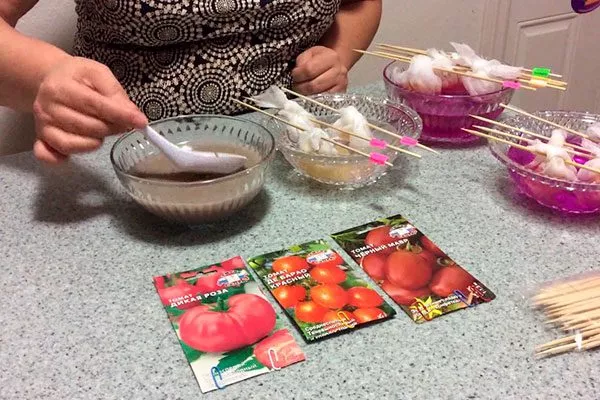
Preparation of seed material:
- Disinfection. To kill pathogens, you can use a 1% solution of potassium permanganate or hydrogen peroxide. Afterwards, rinse the seeds thoroughly under running water.
- Warming upThe seeds will germinate evenly if you keep them in a warm place for a month (before sowing) - near a radiator or a heating device.
- Processing in a stimulatorFor this purpose, you can use Epin and Zircon, as well as microelement complexes such as Aquamix.
- Germination. Place the seeds in a damp cloth, place them on a saucer, and periodically check to make sure the cloth hasn't dried out. As soon as sprouts appear, sow the seeds immediately.
Selecting a site
Marmalade tomatoes are planted in open, sunny areas. Tomatoes grown in open ground should avoid drafts and strong winds, and they should also not be planted in low-lying areas where water accumulates. The soil should be loose, fertile, and well-drained. Tomatoes grow best in sandy loam and loamy soils. Optimal pH: 6.2 to 6.8.
Preparing the beds
Before preparing a site for planting, its pH must be determined. Depending on the results, as well as the soil's structure and fertility, the necessary fertilizers and components are applied.
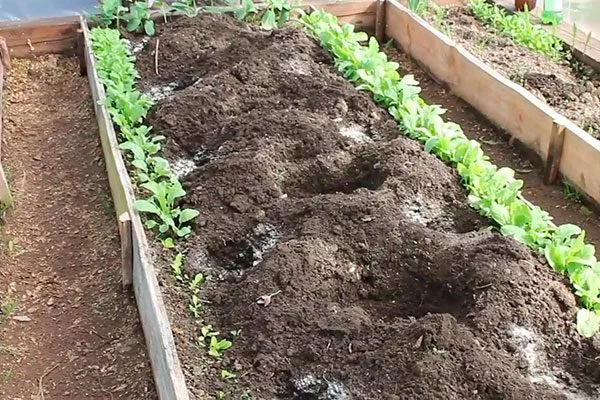
The soil is dug over in the fall, adding humus or compost, and rotted sawdust, sand, or peat for loosening. It is also recommended to add mineral fertilizers: ammonium nitrate, superphosphate, and potassium sulfate (20 g, 50 g, and 15 g each per square meter).
If the soil is too acidic, add wood ash or dolomite flour at rates of up to 1 kg and 500 g per square meter, respectively. The soil is also treated with antifungal and antibacterial agents; for disinfection, you can use, for example, Fitosporin.
Growing seedlings
Marmalade tomato seedlings are sown in March to early April. They can be grown in heated greenhouses or indoors on a windowsill.
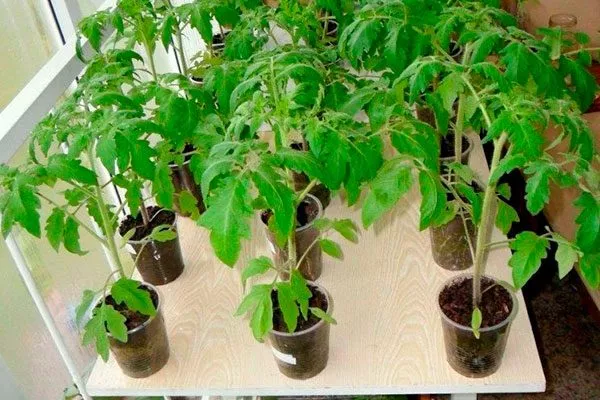
Features of growing seedlings:
- A variety of containers can be used as planting containers. Tomato seeds can be sown in a large container or in cups. In either case, the seeds are transplanted into individual containers.
- All containers must have drainage holes in the bottom.
- Before filling with soil, planting pots and containers are thoroughly washed, and if they have already been used for growing seedlings, they are disinfected.
- Empty containers are filled with ready-made (store-bought) substrate or homemade potting soil. This can be prepared using various recipes, for example, using two parts garden soil mixed with one part each of peat, humus, and river sand.
- The soil is leveled and moistened with warm, settled water. For example, you can spray it with a spray bottle.
- Then, make furrows in the ground if you are planting in a container, or simply press them down to a depth of 1 cm.
- In rows, seeds are planted at intervals of 2 cm, with intervals of 3 cm between rows.
- The seeds are sprinkled with a thin layer of soil, covered with film and placed in a warm room.
- Optimum temperature: +22…+25 °C. Diffused lighting.
Once the seedlings emerge, remove the plastic wrap immediately. Place the seedlings closer to the light, and lower the temperature to 14°C to 16°C. At night, lower the temperature to 10°C to 12°C. If this isn't done, the plants will grow tall and stretch, and the seedlings will be weak. After a week, raise the temperature back to the previous levels. The rest of the time, until planting, the seedlings need almost daily care.
Features of caring for Marmalade tomato seedlings:
- Water the seedlings according to their age. Until they are three weeks old, watering is minimal—once a week is sufficient. After transplanting, water the seedlings 2-3 times a week. The day before planting, water the seedlings generously. Water only with warm, settled water, pouring it under the roots from a watering can with a thin spout.
- When the seedlings have formed 2 or 3 true leaves, they are pricked out and planted in large cups, pinching off a third of the central root.
- After transplanting, the seedlings are fed with complex fertilizers. There are commercially available formulations specifically for seedlings. A total of three feedings are performed: 2-3 weeks after transplanting, and then at two-week intervals thereafter.
If seedlings are to be planted outdoors, they need to be hardened off. This will help them establish themselves more quickly and adapt better to their new location. Hardening off involves placing the seedlings outside, initially for half an hour, then gradually increasing the time spent outside to several hours.
Transplanting
Planting Marmeladny tomato seedlings outdoors should be done no earlier than May, once the risk of frost has passed. Each region (and climate) has its own planting time.
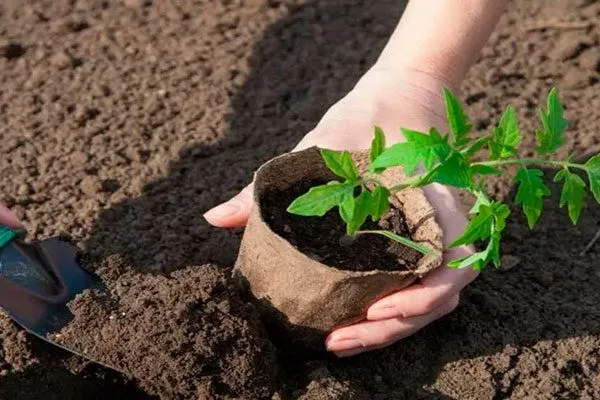
- ✓ Optimum soil temperature for planting seedlings: +12..+14 °C.
- ✓ The need to harden seedlings before planting them in open ground for better adaptation.
Before planting tomatoes in the ground, check how warm it is. The temperature shouldn't fall below 12°C to 14°C, and the air should warm up to 18°C to 20°C. Tomatoes are planted in greenhouses approximately two weeks earlier.
Features of planting Marmalade tomato seedlings in the ground:
- By the time of planting, seedlings should have 6-7 true leaves and at least one flower cluster.
- Dig 15 cm deep holes for planting, either in rows or in a staggered pattern. The optimal planting pattern is 30 x 50 cm.
- Place a small amount of wood ash and humus in each hole, add 20 g of superphosphate, and sprinkle the fertilizer with garden soil. Then add 3-5 liters of water. Wait half an hour for the soil to settle.
- The seedlings are placed in the holes along with a lump of soil. The empty space is filled with soil, compacted, and watered. The tomatoes are then not given water for 10 days, unless unusually hot weather occurs.
Care Features
The Marmeladny variety, despite its unusual fruit appearance, requires very basic care—regular watering, loosening, and other standard maintenance. The yield directly depends on the quality and consistency of care.
Watering and loosening
Avoid allowing the soil to dry out or become overwatered. Tomatoes are typically watered 1-2 times a week if the weather is favorable. In hot weather, watering frequency will approximately double; in damp weather, on the other hand, tomatoes do not require additional moisture.
For watering mature plants, as with growing seedlings, use warm, settled water. It should be applied at the roots. Avoid allowing water to come into contact with the leaves and stems. The optimal watering option today is a drip irrigation system.
After heavy rains and watering, the soil in the beds (between rows) is loosened. Weeds are removed at the same time. To reduce the need for watering and loosening the soil, it is recommended to mulch the soil with peat, straw, hay, etc.
Top dressing
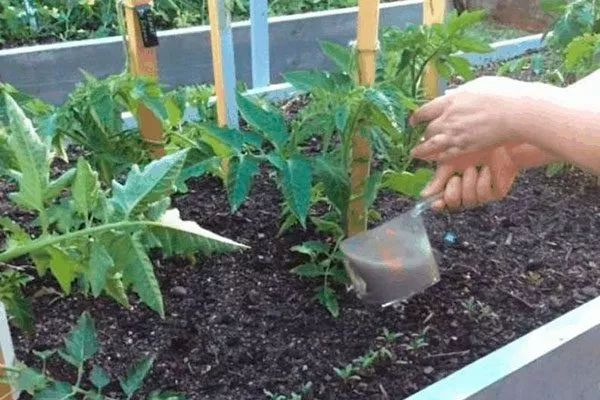
Fertilize the Marmalade tomato 4-5 times during the season. Use organic fertilizers, such as diluted chicken manure or cow dung, as well as mineral fertilizers.
Helpful tips:
- Ten days after planting the seedlings, tomatoes can be watered with a yeast solution (100 g per 10 liters of water) - it promotes the growth of the bushes.
- Potassium sulfate is useful for good tomato set (1 tbsp. per 10 liters of water).
- When the 3rd cluster begins to bloom, tomatoes need to be watered with calcium (1 tbsp. per 10 liters of water).
- Several times during the season, tomatoes are sprinkled with wood ash.
- In general, it's recommended to fertilize determinate tomatoes every two weeks. Nitrogen is only needed at the beginning of the growing season; later, select fertilizers with a lower nitrogen content.
Shaping and garter
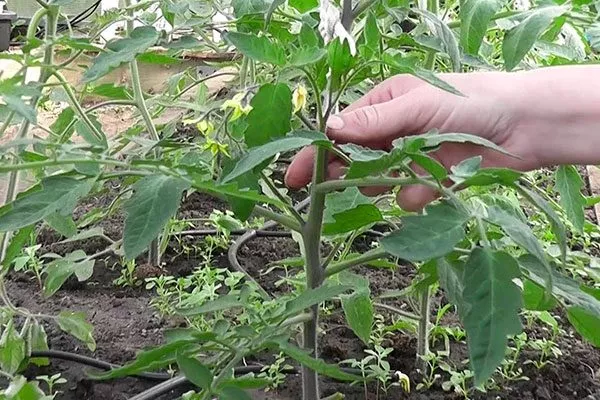
It's recommended to tie the bushes to trellises or other supports to prevent the stems from breaking under the weight of the fruit. Training involves removing side shoots—those that grow in the leaf axils.
Diseases and pests
The Marmalade tomato has excellent immunity to most tomato diseases, including late blight and powdery mildew. However, for prevention, it is recommended to spray the bushes with copper-containing products such as Bordeaux mixture, copper oxychloride, or other folk remedies.
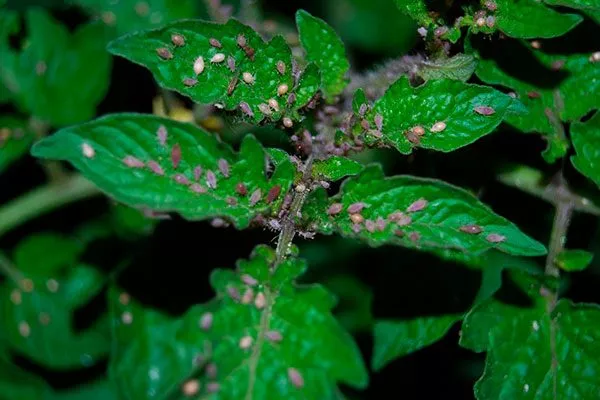
Potential pests that attack the Marmalade tomato include aphids and spider mites. The latter are controlled with Kleschevit, a biological product against mites. Biotlin, Batrider, and similar products are effective against aphids, thrips, whiteflies, and other pests.
Harvesting
Marmalade tomatoes are harvested in July and August. This is done in dry, warm weather. Mornings are best. In the greenhouse, tomatoes can be harvested at any time. The fruits are not picked, but cut with garden shears.
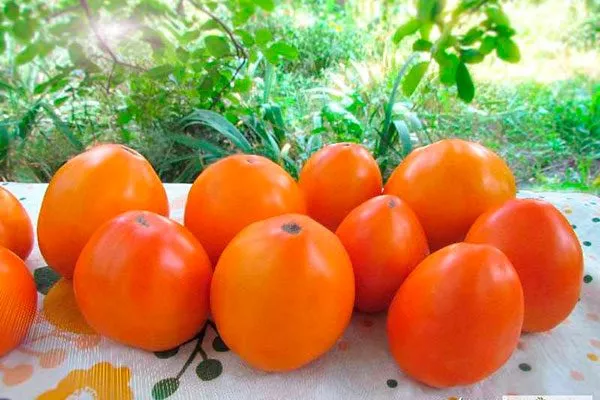
The harvested tomatoes are placed in wide containers in a single layer. This ensures safe storage and ripening. The tomatoes are not washed; they are simply wiped with a soft cloth to remove any dirt.
Reviews
The Marmalade tomato is a wonderful choice for those who love unusual varieties. These yellow tomatoes will add a fresh, sunny touch to your preserves, add variety to your salads, and, most importantly, delight you with delicious fruits and a bountiful harvest.