
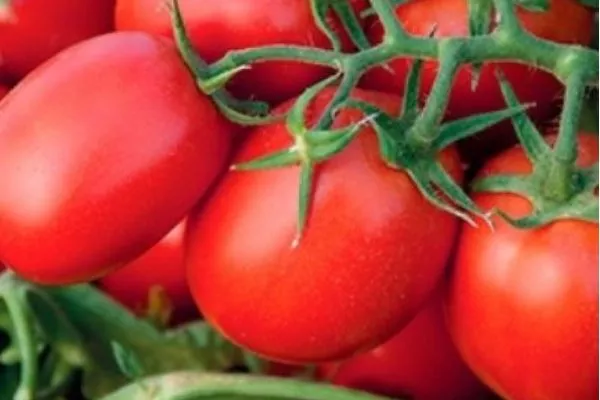
Marina tomatoes are characterized by a beautiful, uniform shape, vibrant color, and medium size. Their firm skin maintains its shape during canning, and their classic sweet and sour flavor makes them versatile for salads, juices, and preserves. Thanks to their disease resistance and ease of care, this variety is suitable for greenhouse cultivation.
Description of the plant and fruits
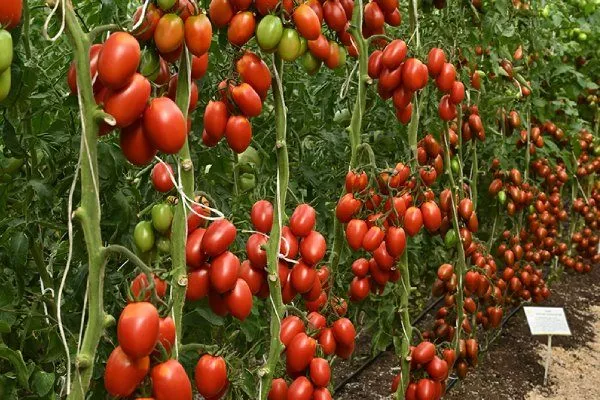
The bushes are highly productive, forming dense clusters with 10-13 tomatoes each. The tomatoes ripen almost simultaneously, allowing for large harvests at one time, which is especially convenient for those who enjoy large-scale canning.
Distinguishing characteristics:
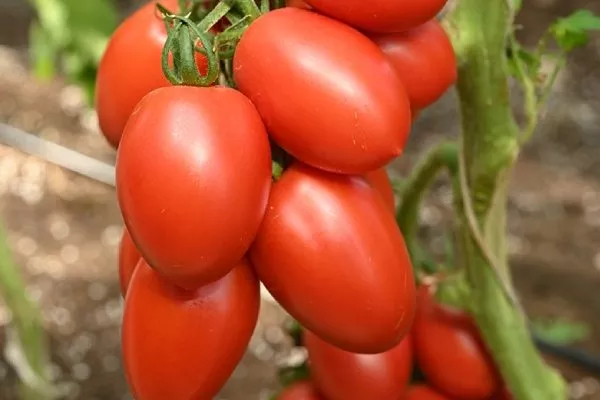
- The tomatoes are smooth, oval-shaped, and rich red in color with a glossy sheen.
- The dry matter content is high, the seed chambers are small, and the average fruit weight is 70-80 g.
Characteristics and history of the variety
This cultivar was included in the State Register of the Russian Federation in 2019 for cultivation in plastic greenhouses and under plastic shelters in private gardens. The cultivar was developed by Agrofirma Poisk LLC. Authors: Egorova A. A., Klimenko N. N., Korchagin V. V., Maksimov S. V., Tereshonkova T. A., and Khovrin A. N.
The variety is approved for cultivation in the following regions:
- Northern;
- Northwestern;
- Central;
- Volga-Vyatka;
- Central Black Earth;
- North Caucasian;
- Middle Volga;
- Lower Volga;
- Ural;
- West Siberian;
- East Siberian;
- Far Eastern.
Marina is a mid-season variety: the tomatoes ripen 115-117 days after germination. One of its key features is the uniform ripening of the tomatoes, allowing for harvesting from mid-July to late August. Marketable fruit yields in plastic greenhouses range from 9.5-10.2 kg per square meter.
Marina tomatoes: benefits and harms, purpose
This versatile variety combines excellent flavor and rich nutritional content. These tomatoes are very healthy thanks to their unique composition:
- Vitamin C – strengthens the immune system.
- B vitamins – improve metabolism.
- Potassium – good for heart health.
- Lycopene – has antioxidant properties.
The vegetables are used in fresh salads, sandwiches, and sliced dishes. They are ideal for whole-fruit canning due to their thick skin and heat resistance. They also make flavorful juices, sauces, and pastes.
It is important to consider possible allergic reactions and increased acidity, which is why it is not recommended to eat tomatoes if you have gastritis or ulcers, as well as if you have an individual intolerance.
Growing and care
Marina is a hybrid suitable for most regions of Russia and demonstrates high yields when cultivated according to proper guidelines. It is grown from seedlings.
- ✓ Check the expiration date of seeds, as old seeds may have low germination rates.
- ✓ Pay attention to the seed producer; give preference to proven agricultural firms.
Follow these steps:
- Seed preparation. Pre-treat the seeds in a weak solution of potassium permanganate or a special fungicide to prevent disease. Soak them in a growth stimulator to speed up germination.
- Sowing for seedlings. Sow the seeds 55-60 days before transplanting into the greenhouse. The optimal planting depth is 1.5-2 cm. The soil mixture should be light and nutritious, with added peat and humus. Place the seedling containers in a bright location at a temperature of 22-25°C.
- Picking. When two true leaves appear, transplant the plants into individual pots. During this period, feed them with a weak solution of a complex fertilizer.
- Preparing the greenhouse. Before planting, dig over the soil in the greenhouse and fertilize it with humus or compost. For disinfection, use a weak solution of copper sulfate.
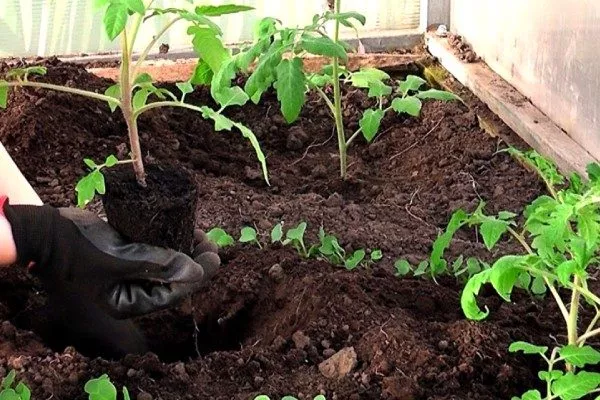
- Planting in the ground. Plant the seedlings when they reach a height of 20-25 cm and have 5-7 true leaves. Plant them 40-50 cm apart and 50-60 cm apart in rows. Moisten the holes with warm water, place one plant at a time, cover the root system with soil, and lightly compact the soil.
The Marina tomato requires comprehensive care, including several important maintenance measures. Key agricultural practices:
- Water the plants with warm, settled water 1-2 times a week, avoiding overwatering. Apply water at the roots, avoiding wetting the leaves, to reduce the risk of disease.
- Fertilize tomatoes 10-14 days after transplanting with organic fertilizers such as mullein or bird droppings. During flowering and fruiting, add phosphorus and potassium fertilizers.
- Train the bushes into 1-2 stems, promptly removing side shoots and lower yellowed leaves. This procedure will improve ventilation and speed up the ripening of tomatoes.
- Tie the shoots to supports or trellises to prevent the plants from lodging and to improve access to light.
- Loosen the soil after each watering and rain, mulch the beds to retain moisture and prevent weed growth.

Reviews
The Marina tomato combines high yield, excellent flavor, and versatility. Its firm, flavorful tomatoes are ideal for fresh dishes and winter preserves. Due to its compact size, this hybrid is an ideal solution for planting in small spaces. It can be grown by both novice gardeners and experienced agronomists.