
The Mango Django tomato has gained popularity thanks to its attractive appearance and incredible flavor. Its bright, juicy fruits with a tropical flavor and sweet flesh are suitable for fresh consumption but are not canned. This variety is characterized by excellent productivity and disease resistance.
Description of the bush and fruits
The plants are tall, reaching 1.6 m in open ground and up to 1.8 m in a greenhouse. Distinguishing features:
- The shoots are covered with elongated, slightly drooping green leaves.
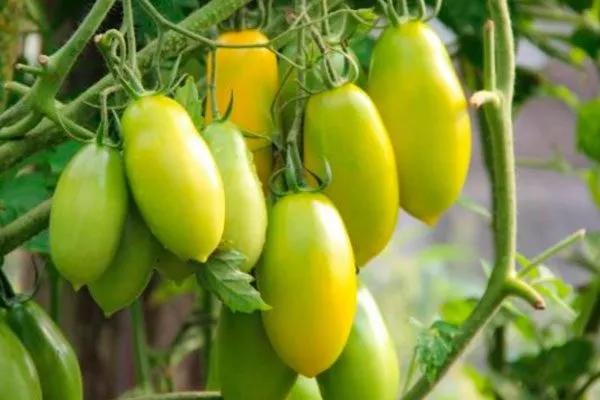
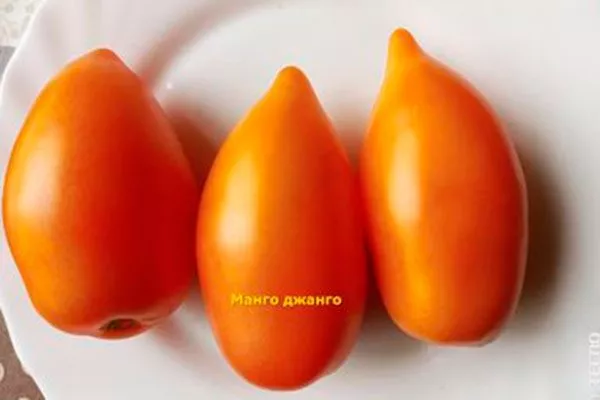
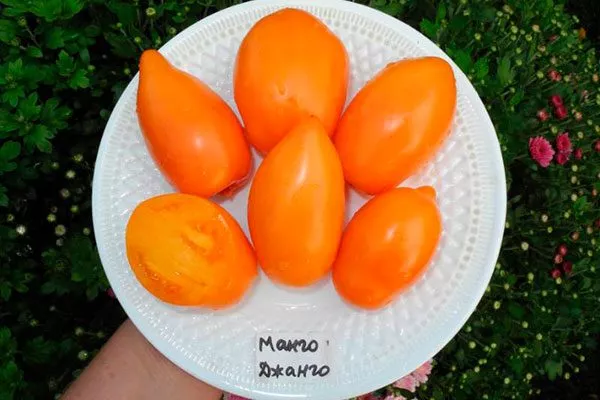
- Ripe tomatoes are yellow-orange in color. They are large, averaging 250-260 g.
- Tomatoes have an elongated oval shape, with a slight point at the bottom.
- This variety is generally considered an orange one. A single cluster produces 5 to 7 fruits. They have a high sugar content and almost no acidity.
- The skin is glossy. As it ripens, the lower tip becomes less pointed.
Main characteristics and history
The Django mango is an indeterminate, cluster-type variety. It is successfully grown in greenhouses, but in the southern regions of Russia, it also performs well in open ground.
Ripening and fruiting, productivity
This mid-season variety takes 110-120 days from the first shoots to harvest. With proper care, a single plant can yield up to 5 kg, and with a planting density of 3-4 plants per square meter, productivity reaches 20 kg per square meter.
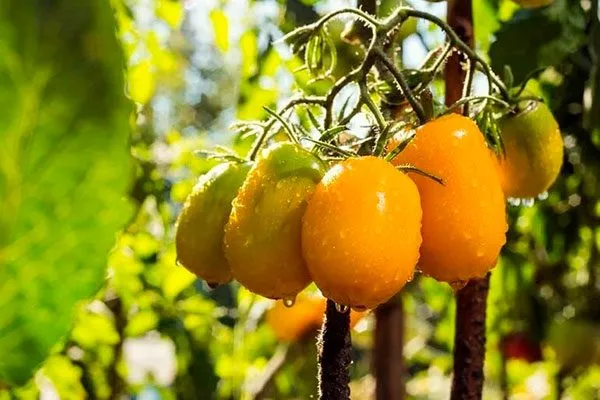
Insufficient care reduces yields. For maximum results in greenhouse conditions, it is recommended to train plants into two main stems.
Scope of application
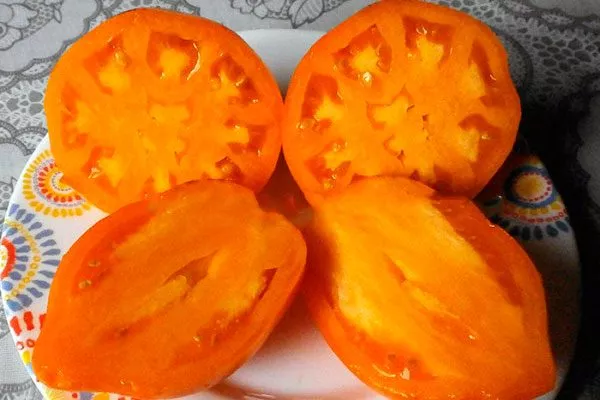
The flesh is bright orange, tender, and slightly sweet, without the characteristic sourness, with an almost tropical flavor. Seed chambers are virtually absent, and the fruit consists of a solid, sugary, and juicy pulp.
- ✓ High content of sugar and carotene in fruits.
- ✓ Seed chambers are practically absent.
- ✓ Not suitable for canning due to the structure of the pulp.
Due to its high sugar and carotene content, this variety is ideal for desserts. These tomatoes are suitable for baby and dietary nutrition, and are recommended for people with allergies to red vegetables and high gastrointestinal acidity.
One of the negative qualities of this variety is its limited use – the fruits are mainly eaten fresh in salads, as they are not suitable for processing or canning.
Growing regions, origin
The crop was developed by specialists at Biotekhnika and only began to be actively distributed in 2020. Vegetable growers immediately took an interest in the variety and began cultivating it in their garden plots.
The bushes thrive in all regions of our country. However, the highest yields are observed in Siberia, the North Caucasus, the Moscow region, and the Volga region.
Resistance to diseases and pests
The Django mango boasts strong immunity to most diseases common to the nightshade family. The plants are virtually immune to late blight and downy mildew, provided proper cultivation practices are followed.
Features of planting and growing tomatoes
To ensure a bountiful harvest, it's important to select high-quality, strong seedlings and plant them in the ground promptly. Healthy seedlings establish themselves more quickly, resist disease better, and thrive. Following all preparation steps ensures excellent fruit quality.
Planting seeds for seedlings
The future harvest depends on this event. To grow strong and healthy plants, properly prepare the planting material, choose high-quality soil, and maintain optimal germination conditions.
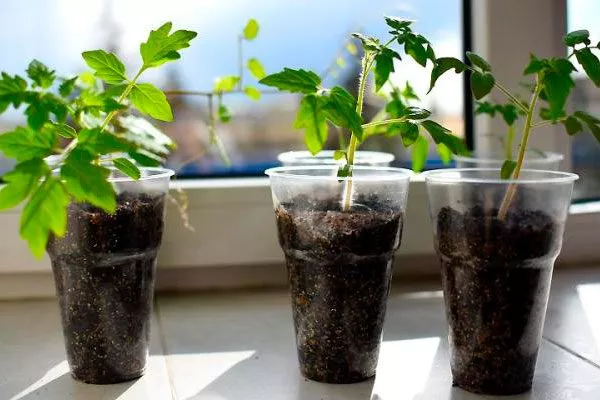
Follow these recommendations:
- Select large, dense seeds. Disinfect them in a weak solution of potassium permanganate, then rinse with clean water and soak in a growth stimulator. To increase resistance to temperature fluctuations, harden the seeds by keeping them in the refrigerator for 24 hours.
- Prepare a light and nutritious soil, such as a mixture of garden soil, humus, and peat in equal proportions. Soak it in hot water with potassium permanganate or bake it in the oven to kill any potential pathogens.
- Sow the seeds in boxes or containers, cover with soil to a depth of 0.5-1 cm, moisten with a spray bottle and cover with film to create a greenhouse effect.
- Until seedlings emerge, keep the crops at a temperature of 24 to 26°C. When the first shoots appear, remove the cover and reduce the temperature to 18 to 20°C to prevent the plants from stretching.
- Water the seedlings moderately, avoiding overwatering. When the first pair of true leaves appears, transplant them into individual pots, ensuring each has enough space to grow.
- ✓ Optimum soil temperature for planting seeds: +24…+26°C until seedlings appear, then decrease to +18…+20°C.
- ✓ Required seeding depth: 0.5-1 cm.
- ✓ The need to harden the seeds before planting: 24 hours in the refrigerator.
Ten to fourteen days before transplanting into the garden, begin hardening off the seedlings, gradually acclimating them to fresh air and sunlight. This preparation will help grow strong, healthy plants that will produce a bountiful tomato harvest.
Transplanting seedlings into a greenhouse or open ground
Once the plants have grown and become stronger, you can begin moving them to their permanent location. To ensure the best conditions for growth and fruiting, follow a few simple rules:
- Make sure the soil has warmed to 15°C and the risk of frost has passed. Choose a sunny planting site protected from strong winds.
- Before the event, prepare the beds: dig the soil and add the necessary fertilizers, such as compost or humus. If the soil is too acidic, add lime or wood ash.
- Transplant the seedlings without burying them too deeply in the soil—the root collar should be level with the soil surface. Afterward, water them thoroughly with warm water to speed up establishment.
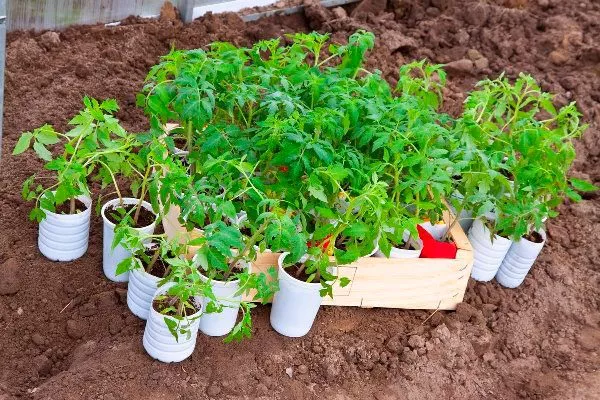
During the first few days, protect the seedlings from direct sunlight with a special net to reduce stress. Plant the seedlings in the greenhouse at the optimal spacing for growth: 3-4 per square meter.
Further care
Caring for the Mango Django tomato variety requires attention and regularity. To ensure the best conditions for growth and fruiting, follow these simple agricultural practices:
- Watering. Water your tomatoes frequently but sparingly. Use only warm, settled water, applying it to the roots to avoid getting wet on the leaves.
In hot weather, increase watering, especially if the bushes are growing outdoors. Be careful not to let the soil dry out, as this can lead to reduced productivity. - Top dressing. The plant requires constant fertilization for good growth and fruit formation. Add organic matter, such as a mullein solution, to the soil 14 days after transplanting.
After 3-4 weeks, use a complex mineral mixture with phosphorus and potassium to improve root development and stimulate fruiting. Repeat feeding every 2 weeks throughout the season, alternating organic and mineral fertilizers. - Weeding and loosening. Regularly remove weeds, which can drain nutrients and moisture from tomatoes. Do this carefully to avoid damaging the plant's roots. Fluff the soil after watering or rain to improve aeration of the roots and prevent crusting on the soil surface.
- Mulching. Cover the beds with straw, grass clippings, dried leaves, or compost. This helps retain moisture in the soil, reduces the frequency of watering, and prevents weed growth.
- Pinching out stepsons. Every two weeks, pinch off any side shoots (suckers) that appear between the trunk and leaves. This improves air circulation and allows the plants to focus their energy on developing the main stems and fruit, which increases yield.
- Garter. The Django mango is a tall variety, so secure shoots and trunks to supports (trellises or stakes). This will help protect them from mechanical damage and improve air circulation, reducing the risk of disease.
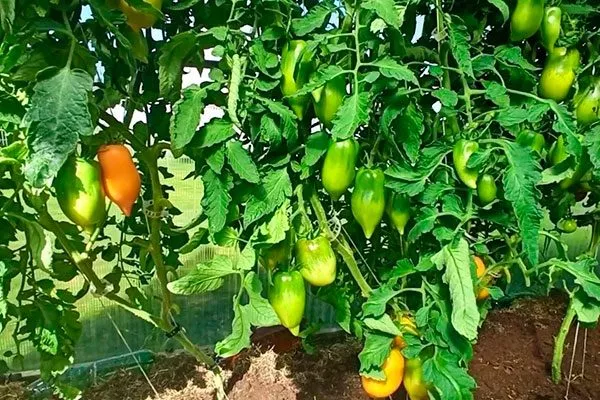
By following these simple guidelines, you can ensure healthy growth and abundant fruiting of your tomatoes, enjoying a bountiful harvest.
Mistakes when growing
Gardeners often use untreated soil. Biotekhnika disinfects the seeds before selling them, so all that's left to do is to heat the soil and spray it with a potassium permanganate solution (20 g per 10 liters of water) a few hours before sowing.
Another common mistake is ignoring plant care rules. Many forget the importance of pruning and pinching bushes. Failure to do so will result in all the nutrients being wasted on foliage growth rather than fruit formation. This can ultimately lead to reduced yields.
Pest and disease control
This variety is characterized by strong immunity. However, it is important to take preventative measures and respond promptly to potential threats.
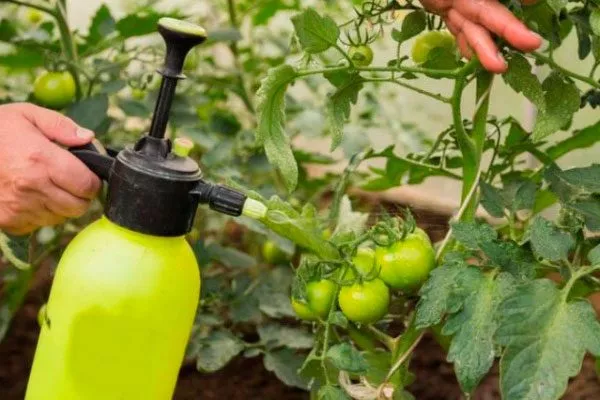
Common diseases and pests of the Mango Django tomato:
- Late blight. It appears as spots on leaves and stems, which gradually darken and begin to rot. To combat the disease, use fungicides such as Ridomil Gold or Metaxil. Practice crop rotation and avoid planting tomatoes in the same spot for several years in a row.
As a preventative measure, treat the bushes with a solution of copper sulfate or Bordeaux mixture. - Downy mildew. A fungal disease that causes a whitish coating on leaves and stems, causing plants to wilt. Oxychom and Topaz are effective treatments. Apply during dry weather to prevent rapid reinfection.
- Anthracnose. A disease that manifests as black spots on leaves and stems. Spray plants with copper-containing products, such as Cuproxate or Bordeaux mixture.
- Root rot. A disease characterized by wilting and brown spots on the roots. It most often occurs due to overwatering and stagnant soil. To prevent root rot, avoid overwatering and treat the plant with fungicide solutions, such as Fundazol. Avoid planting in areas with deep groundwater.
- Colorado beetle. This pest can cause significant damage to plants by eating leaves. Experienced gardeners recommend using Aktara or Confidor against it. Regularly inspect your plants to detect signs of insects early. Treat at the early stages of infestation.
- Slugs. They can damage not only leaves but also fruit. To control them, use traps filled with beer or special pellets. An equally effective method is loosening the soil and removing vegetation where slugs can hide.
To prevent diseases, inspect your plants, prune away diseased leaves and stems, and spray them with fungicides, such as Bordeaux mixture, as a preventative measure. Additionally, treat the soil in the greenhouse and around the plants with disinfectants.
Pros and cons
Before growing the crop, carefully study its advantages and disadvantages to avoid potential problems. The Django mango variety has many advantages:
Among the crop's drawbacks, gardeners note that it can only be grown in open beds in southern regions. The bushes require training to maintain good productivity, and seed production can be difficult due to the paucity of seeds in tomatoes.
Reviews
The Mango Django is a tomato variety that can rightfully be called a true gem of the garden. These vibrant tomatoes, with their superb flavor and high sugar content, are ideal for fresh salads and other dishes. Despite their heat-loving nature and the need for structured growth, they remain one of the most popular varieties.