
The Mamontyonok tomato is a low-growing Siberian variety with excellent flavor and growing characteristics. This variety was developed quite recently, but has already gained popularity among amateur gardeners and summer residents.
The History of the Mammoth Tomato
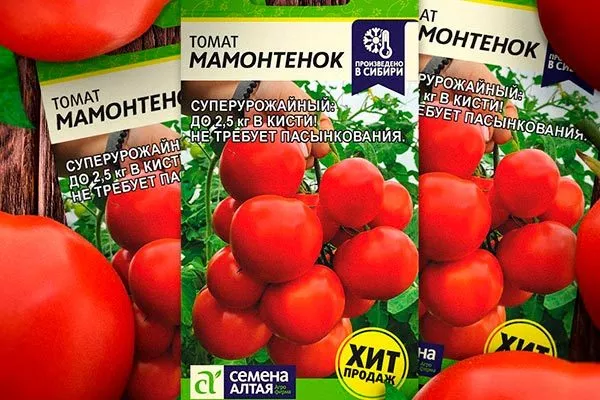
The Mamontyonok variety was developed by Siberian breeders specifically for Siberia's challenging climate. The new variety was introduced in 2022 by the well-known agricultural firm Semena Altaya.
The variety is suitable for growing in any region; it tolerates both cool and hot temperatures well.
Description of the plant
The Mamontyonok tomato plant has medium-sized, compact bushes, belonging to the determinate (low-growing) subgroup. The bushes reach a height of 60-80 cm. In greenhouses, they can grow up to 1.2 m. The plant stops growing after six fruit clusters have formed.
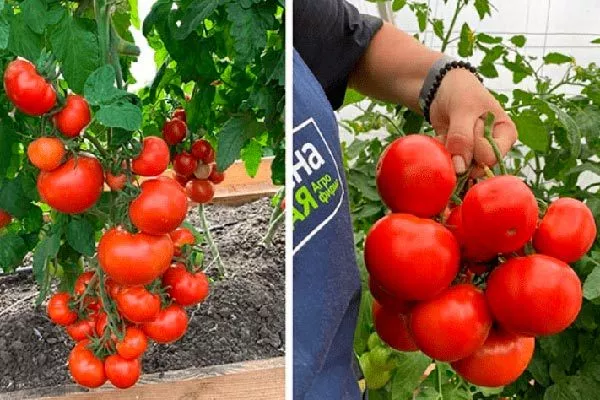
The leaves are large, wide, and classically shaped, protecting the fruits and stems from ultraviolet rays. The bushes produce vigorous fruiting clusters, which typically bear only 2-4 flowers.
Description of fruits
The Mamontyonok variety produces medium-sized fruits of a classic shape and color. Their size depends largely on growing conditions and care. In greenhouses, fruits grow much larger than in the open field.
Brief description of fruits:
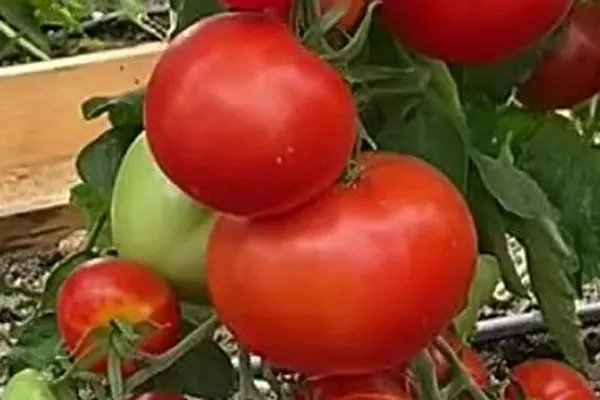
- Colour: deep red.
- Skin: glossy.
Shape: round, slightly flattened. - Weight in open ground/in greenhouse: 120-170/300-350 g.
Taste and purpose of fruits
The fruit has a harmonious flavor, with a hint of sweetness and tartness. The pulp is juicy, meaty, and aromatic, with a few seeds.
The fruits are ideal for baby food. They have a versatile use: they are used in salads, canned and pickled, dried and frozen, and used to make sauces and juices.
Main characteristics
The Mamontyonok tomato not only has excellent taste and presentation, but also excellent agronomic characteristics, allowing it to be grown in the most challenging climatic conditions.
Yield of the variety
The Mamontyonok variety is a high-yielding variety. A single cluster, of which there are usually 5-6 per bush, produces up to 2.5 kg of fruit. With proper care, a single tomato plant can yield approximately 15 kg of ripe tomatoes.
Ripening time
The Mamontyonok tomato belongs to the mid-early group. It takes 100-105 days from germination to the ripening of the first fruits. Tomato seedlings (before planting in the ground) develop in approximately 55-60 days.
Frost and drought resistance
This variety tolerates temperature fluctuations and direct sunlight well. The bushes can easily withstand both sudden cold snaps and intense heat. Their leaves do not curl even at temperatures of 45°C. The variety is also resistant to drought and other stressful situations.
Immunity to diseases
The Mamontyonok variety has a relatively high immunity; it is rarely attacked by pests and is fairly resistant to most diseases that affect the crop. However, it requires preventative measures against late blight and cladosporiosis.
Pros and cons
The Mamontyonok tomato is rightfully popular among our gardeners; it has many remarkable advantages and few drawbacks. However, before planting this variety in your garden, it's recommended to familiarize yourself with all its pros and cons.
This variety has no serious drawbacks, as the plant's need for care and preventative treatments cannot be considered a drawback. Some gardeners also note that the Mamontyonok tomato is difficult to preserve whole, but this complaint is also insufficiently substantiated.
Landing features
Growing the Mamontyonok tomato directly into the ground is not recommended; it is grown from seedlings. It is important to grow good planting stock and select a suitable site.
Selecting a site
Tomatoes are planted in level, well-lit areas free from standing water. They grow best in sandy and loamy soils with a high humus content and permeable air and moisture. The optimal soil pH is between 6.0 and 6.8.
The best predecessors for tomatoes are considered to be onions, carrots, cabbage, and cucumbers. It is not recommended to plant tomatoes after nightshades such as potatoes, eggplants, and peppers. The best neighbors are garlic, carrots, basil, and radishes; poor neighbors include kohlrabi, cauliflower, and corn.
Soil preparation
The soil is dug deep in the fall, to the depth of a spade. To loosen the soil, rotted organic matter (compost or humus) is added. If the soil is too acidic, wood ash, dolomite flour, and slaked lime are added.
Growing and planting seedlings
Tomato seedlings are sown in March and planted in May-June. The timing of sowing and planting depends on specific climate conditions and varies by region. In the south, seedlings are grown even earlier—in February.
Features of growing Mammoth tomato using seedlings:
- Sow seeds in containers or individual cups. Fill them with a ready-made (store-bought) substrate or a homemade soil mixture, such as peat, compost, and coarse river sand.
- The seeds are pre-prepared, soaked, and treated with a growth stimulant. If they are not pre-treated by the manufacturer, they are disinfected. They are then sown at a depth of 1 cm. If planting in containers, space the seeds 1.5 cm apart.
- The seeds are placed in a warm, well-lit room, covered with plastic film. As soon as the first shoots appear, the covering material is removed.
- The seedlings are watered regularly, but without excessive zeal, as overwatering can lead to the development of a dangerous fungal disease - black leg.
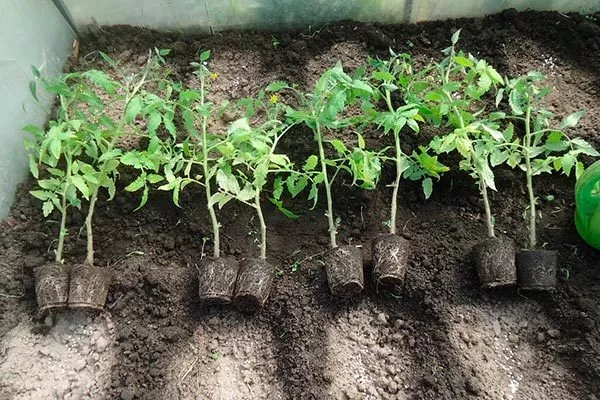
- After two months, the seedlings are ready for planting in open ground or a greenhouse. They should reach a height of 25-30 cm, have 6-7 leaves, and one flower cluster.
- The seedlings are planted according to a 40x40 cm pattern, watered with warm, settled water and the root zone is mulched.
Care
The Mammoth tomato is easy to grow and doesn't require much time or effort from gardeners. However, to ensure a bountiful and high-quality harvest, it does require some care.
Watering mode
Water the bushes approximately every 5 days, depending on weather conditions. The soil should be moist to a depth of about 10 cm. If it's hot, water every 2 days. The best option is drip irrigation, which uses water sparingly and prevents the leaves from getting wet.
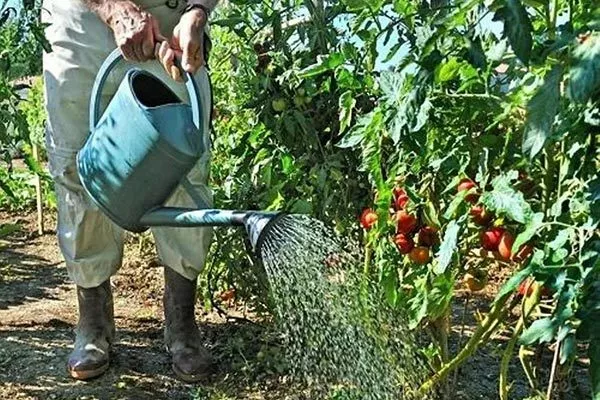
The recommended watering rate for one bush is 5 liters. Apply it at the roots. Use warm water to prevent the development of fungal diseases. To slow down the evaporation of water from the soil, mulch it with compost mixed with straw and/or pine needles. Apply a 5-6 cm thick layer.
Top dressing
The Mamontyonok variety responds very well to fertilizing. In the spring, nitrogen and phosphorus fertilizers are applied to the bushes, and in the summer, potassium-rich fertilizers are used to ensure high-quality fruiting.
Loosening and weeding
The soil around the bushes is regularly loosened to prevent a hard crust from forming and to allow air to reach the roots. Weeds are removed simultaneously with loosening, as they interfere with tomato growth, absorb nutrients from the soil, and can attract insect pests.

Garter and shaping
In open ground, unlike in a greenhouse, staking the bushes is not necessary. However, since this tomato plant produces very heavy clusters, there is always a risk of stem breakage, so it is recommended to use staking. It is advisable to place a support near each bush.
The stem is tied at its thickest point, where its diameter reaches 1 cm. No side shoots are required for Mamontyonok tomato plants. During shaping, only unnecessary (excess) branches are removed. Shaping is performed in a greenhouse and in the open ground, with 3-4 stems and 1-2 stems, respectively.
Diseases and pests
The Mamontyonok variety is characterized by a relatively high immunity to most common diseases. Under unfavorable conditions and improper cultivation practices, there is a risk of brown spot and mosaic.
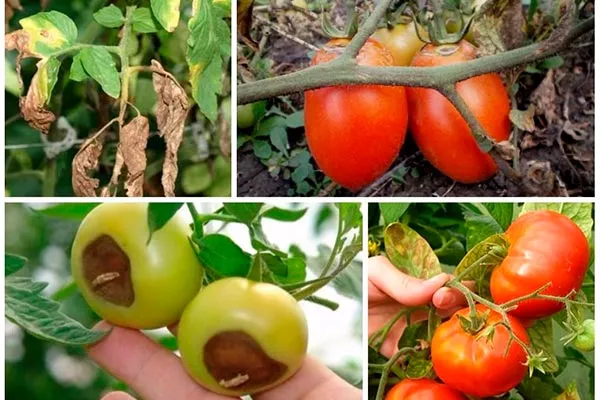
When growing Mamontyonok tomatoes in greenhouses, plants are susceptible to powdery mildew and black spot. The risk increases with high humidity and poor watering practices. Preventative spraying with Fitosporin, three weeks after planting, can help prevent the disease.
Tomato plants can be damaged by mole crickets, wireworms, whiteflies, cutworms, thrips, and other nightshade pests. Biotlin, Kleschevit, and other effective insecticides are used to control these insects.
Harvesting and storage
Tomato harvesting begins in mid-July and continues until September. At the beginning of the fruiting period, it is recommended to pick tomatoes every 4-6 days. At the peak of the harvest, pick them daily. It is best to pick the fruits with the stems attached, as this improves their shelf life.
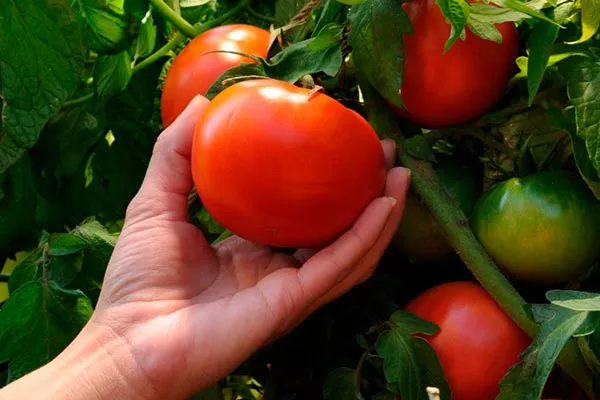
Fruits free from defects and signs of disease are dried and placed in wooden crates, no more than two layers deep. The room where the tomatoes ripen is maintained at a temperature of 23–25°C and humidity of 80–85%. It should also be well ventilated.
Reviews
The Mamontyonok tomato is a very interesting and promising variety, especially for Siberian conditions. It's a true stalwart, capable of withstanding the most challenging weather conditions. With its exceptional hardiness, the Mamontyonok tomato rivals the best tomato varieties in flavor.