
The Mamina tomato is captivating with its large size, fleshy flesh, and exquisite flavor. This cultivar is suitable for both open-field and greenhouse cultivation, demonstrating good productivity and resistance to adverse conditions. Its honey-colored, red blush and rich sweetness make it an excellent choice for salads, juice, and preserves.
Description of the bush and fruits
This variety was developed in the USA. It's an indeterminate cultivar. The plant grows to 1.5-1.8 m in height. It has many distinctive features:
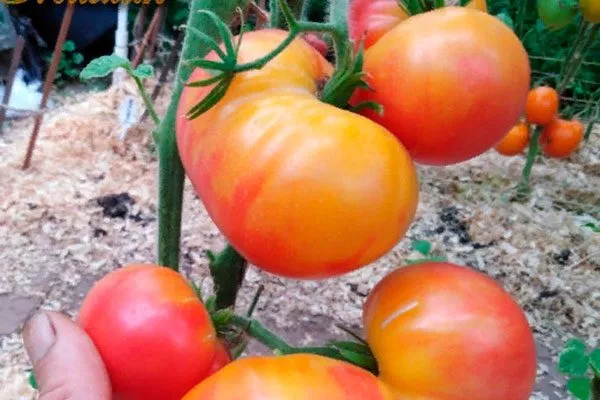
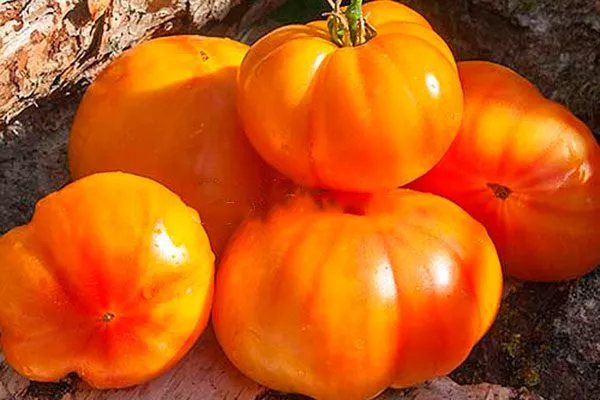
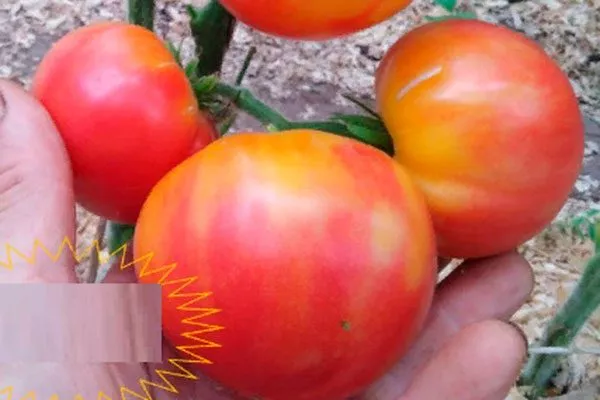
- Ripe tomatoes are honey-colored with a pink-red blush and a bright red "cap."
- The tomatoes have a flat-round shape and their weight varies from 200 to 350 g.
- Each brush produces three to six fruits.
- The taste of the vegetables is very sweet with a pleasant fruity aftertaste.
Main characteristics
This mid-early variety matures in 100-110 days from germination to harvest. It is highly productive, yielding 4-6 kg of vegetables per bush, depending on growing conditions and agricultural practices.
Distinguishing qualities:
- The variety demonstrates good resistance to major tomato diseases, including late blight, cladosporiosis, and verticillium wilt. For additional prevention, regular greenhouse ventilation and treatment with biopreparations are recommended.
- The cultivar has average resistance to pests, but to protect against aphids, spider mites, and whiteflies, gardeners use folk remedies such as garlic infusion or soap solution.
The bushes exhibit high drought tolerance, making this variety suitable for hot climates. However, regular, moderate watering with warm water is recommended for maximum yield.
Growing and care
Grow tomatoes using seedlings. To obtain high-quality seedlings, prepare the planting material:
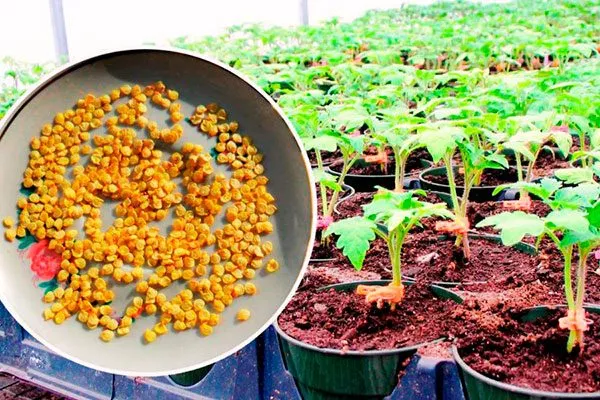
- Selection. Select large, full-bodied seeds. To check their quality, soak them in a salt solution (1 teaspoon of salt per 200 ml of water). Remove any that float to the surface, rinse and dry any that settle.
- Disinfection. Soak the seeds in a solution of potassium permanganate (1%) for 20-30 minutes, then rinse with water.
- Soak. Place the grains in warm water or a growth stimulator solution, such as Epin or Zircon, for 6-8 hours.
- Germination. Wrap the seeds in a damp cloth and leave in a warm place (22-25°C) for 1-2 days. Maintain humidity.
Follow these recommendations:
- Use a mixture of garden soil, humus, and peat in a 2:1:1 ratio. To improve the structure, add a little river sand and wood ash. Bake the soil in the oven at 100-120°C or pour boiling water over it to kill pathogens.

- For sowing, choose individual cups, peat pots, or shared containers 8-10 cm high. Place a drainage layer (such as fine expanded clay) on the bottom of the containers.
- Sow the seeds 55-60 days before you plan to plant the seedlings in the ground (usually in March). Place them in furrows 1.5-2 cm deep, spaced 2-3 cm apart. Moisten them generously with warm water from a spray bottle.
- Cover the containers with plastic wrap or glass and place them in a warm location with a temperature of 25°C. Once the seedlings emerge, remove the cover and move the seedlings to a bright location with a temperature of 18-20°C.
- Caring for seedlings is easy: provide moderate and regular watering, transplanting them into individual pots when 2-3 true leaves appear. 10-12 days after transplanting, feed the plants with a complex fertilizer—nitrophoska is effective.
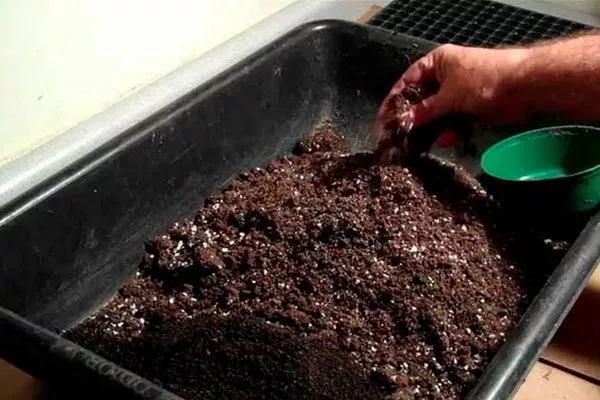
- Dig up the soil, remove weeds, add humus, superphosphate (30-40 g per 1 sq. m) and ash.
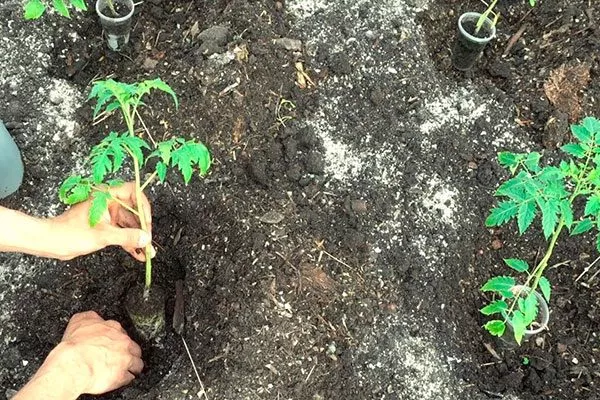
- Plant bushes at intervals of 50-60 cm between bushes and 60-70 cm between rows.
- Plant the seedlings deep down to the first leaves to stimulate the formation of additional roots.
- After planting, water the plants with warm water and mulch the soil with peat or straw.
Provide the crop with comprehensive care. Follow standard agricultural practices:
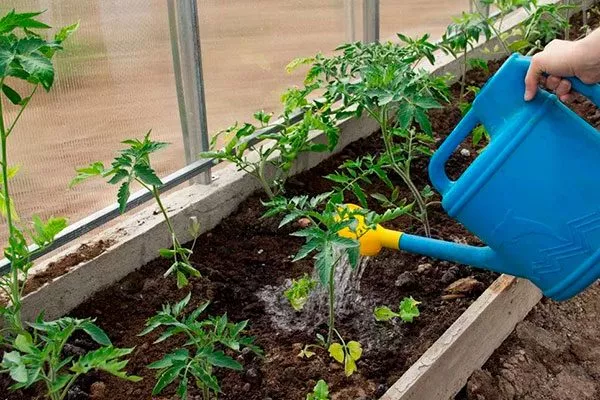
- Watering. Water tomatoes moderately, avoiding overwatering. Water for the first time 5-7 days after planting. Water every 5-7 days in cool weather, and every 3-4 days in hot weather. Use warm, settled water (20-25°C), watering just at the roots to avoid wetting the leaves.
During the flowering and fruit formation stages, the need for water increases, but excess moisture can cause vegetables to crack.
- Fertilizers. 10-14 days after planting, apply a solution of mullein (1:10) or chicken manure (1:15). During the flowering phase, use a complex mineral fertilizer with potassium and phosphorus, such as superphosphate and potassium sulfate.
During fruit formation, feed the plants with wood ash (1 cup per 10 liters of water). Total number of applications per season: 3-4 times, 2-3 weeks apart. - Pinching out stepsons. Remove side shoots (side shoots) to direct the bush's energy toward fruit formation. Remove side shoots regularly, leaving the main stem and 1-2 additional branches (depending on the bush's training pattern).
Carry out the procedure in the morning in dry weather, leaving a “stump” of 1-2 cm in length to avoid rotting. - Soil care. Loosen the soil to a depth of 5-7 cm after each watering or rain to improve oxygen access to the roots. Regularly remove weeds, which compete with tomatoes for moisture and nutrients.
Mulch the soil around your plants with straw, peat, or well-rotted compost. Mulch retains moisture, prevents weed growth, and improves soil structure. The layer should be 5-7 cm thick and should be renewed periodically.
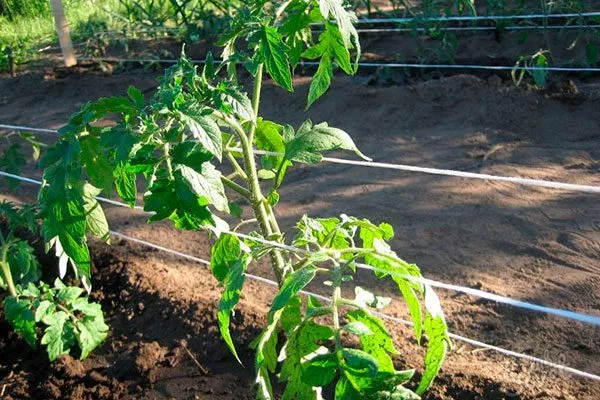
Since the Mamina variety is tall (150-180 cm), be sure to tie the plants to supports or trellises. This will prevent the stems from breaking under the weight of the fruit. Spray the bushes every 10-14 days with biological preparations, such as Fitosporin or a solution of wood ash and soap (100 g of ash per 10 liters of water).
Reviews
Maminy is a versatile tomato variety that combines beautiful appearance, excellent flavor, and ease of care. It is characterized by high yields, disease resistance, and tolerance to temperature fluctuations. It is an ideal choice for both experienced gardeners and those just beginning to garden.