
Raspberry Empire tomatoes attract both novice and experienced gardeners because they require minimal care. The fruits have an interesting shape—sometimes round, some heart-shaped. All are large and have a juicy, pleasant flavor with a rich aroma. They are grown in many regions of our country because they are resilient to climate change.
Characteristics, origin and description of the variety
The "Raspberry Empire" variety was developed by O.D. Kiramov, a breeder representing the young and promising company "TK Lider." The hybrid was included in the State Register of the Russian Federation in 2017. It is suitable for growing under plastic, and in southern regions, it thrives in open ground.
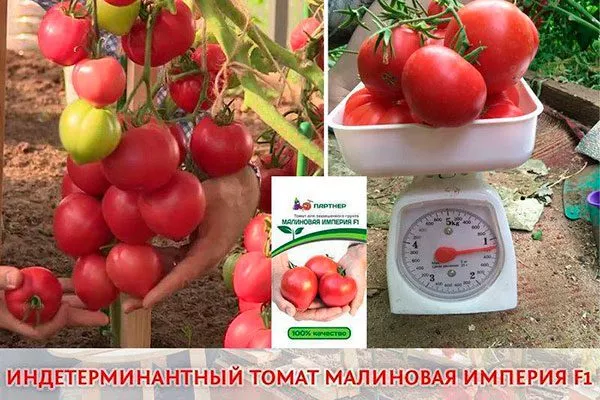
Distinctive features of the plant and fruits
| Name | Growth type | Fruit color | Fruit shape |
|---|---|---|---|
| Raspberry Empire | Indeterminate | Crimson | Heart-shaped |
| Scarlet Sails | Semi-spreading | Red | Flat-round |
| The Beauty of Siberia | Indeterminate | Pink | Heart-shaped |
| Peter the Great | Indeterminate | Red | Elliptical |
| Diana | Tall | Pink | Rounded |
Belongs to the indeterminate variety. The bushes are tall, have a robust structure, and reach heights of 2 m or more.
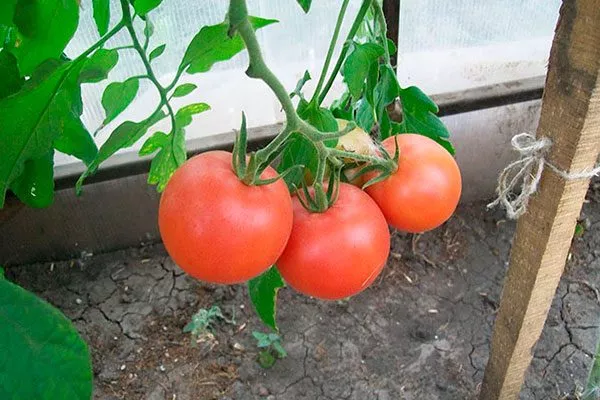
Other cultural features:
- Leaves are medium-sized, inflorescences are of intermediate type.
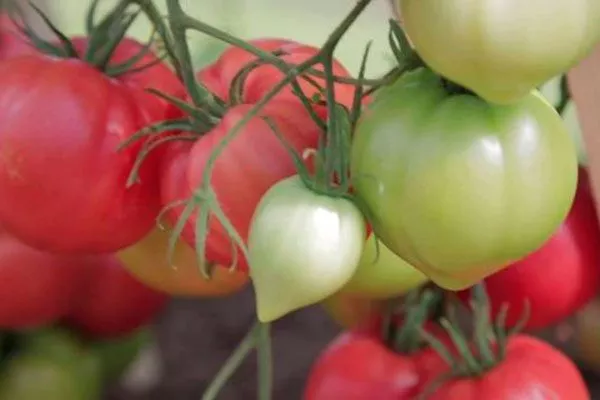
- Unripe tomatoes are light green in color, but as they ripen they acquire a rich crimson color.
- The weight of tomatoes varies from 150 to 200 g. They are heart-shaped with moderate ribbing.
- Up to four vegetables are formed on one brush.
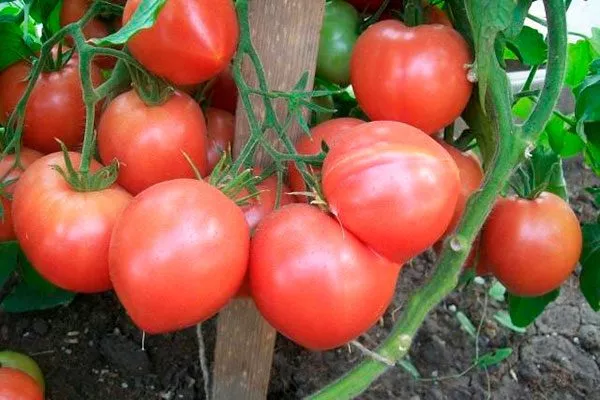
Taste and uses of tomatoes
Beneath the thin but firm skin lies medium-dense flesh with a sweet, slightly tart flavor. It's moderately juicy, and contains no more than three seed chambers.
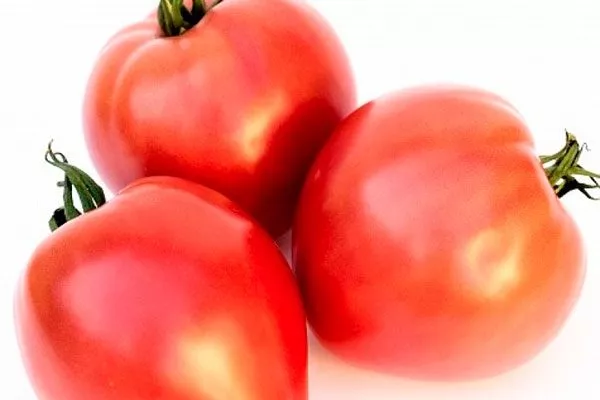
Raspberry Empire tomatoes are versatile. Their sweet flavor and meaty texture make them an excellent choice for fresh salads, appetizers, and sandwiches. They are also ideal for pickling, marinating, juicing, and pastes.
Ripening, fruiting, productivity
This early-ripening variety ripens as early as 95 days after germination. Thanks to its short growing season, the bushes are successfully cultivated even in northern regions of Russia with cool, short summers.
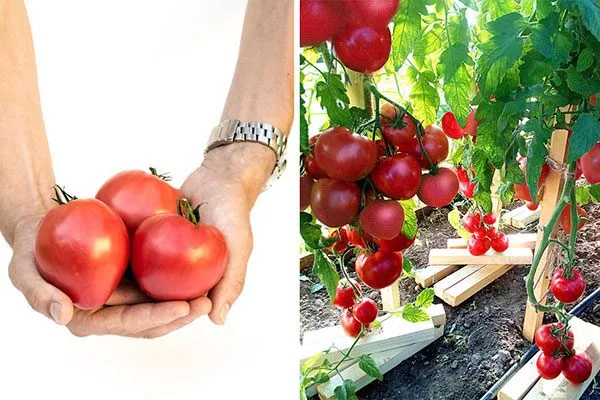
This variety is characterized by high yields, reaching approximately 20 kg per square meter of planting. However, when grown in open beds, productivity may decrease by approximately a third.
Required climatic conditions and regions
The Raspberry Empire hybrid is adapted to a variety of atmospheric conditions, making it suitable for cultivation in most regions of our country. Ideal growing conditions include a stable temperature of 20°C to 26°C, protection from sudden temperature fluctuations, and adequate light.
In regions with harsh climates, it is important to use shelters or film greenhouses to protect plants from frost and cold winds.
The main stages of cultivation
Seeds for seedlings are sown 60-65 days before transplanting into a greenhouse or open beds. The exact sowing time depends on the regional climate and the availability of supplemental lighting. On average, sowing occurs in mid-March.
Soil mixture and container for sowing
A wide selection of ready-made soil for growing seedlings is available at shopping centers and garden centers. When preparing your own soil mix, disinfect it first to eliminate potential sources of disease and pests.
Please select one of the most suitable methods:
- treat the soil with a solution of potassium permanganate;
- steam it in a water bath for 7-8 minutes, then let it cool;
- heat in the oven at a temperature of +70…+90°C for 30 minutes;
- Freeze at -15…-20°C, then defrost over 3-5 days. Repeat the procedure 2-3 times.
For seedlings, use soil free of clay, roots, and branches. The optimal soil composition includes equal parts cultivated soil, peat, rotted sawdust, and humus. Add the following to the prepared mixture:
- 5 g urea;
- 20 g potassium sulfate;
- 60 g Superphosphate.
- ✓ Soil pH should be between 6.0-6.8 for optimal nutrient absorption.
- ✓ The soil must be well-drained to avoid waterlogging and root rot.
Mix the resulting soil thoroughly and compact it lightly.
To fill the potting mix, use plastic or peat containers with a transparent lid that doesn't touch the soil surface. This creates a greenhouse-like microclimate that promotes successful seed germination. If you don't have a lid, glass or plastic will do.
Seed preparation and germination
Hybrid seeds from trusted producers have already undergone the necessary pre-sowing treatment, including disinfection, so you can begin sprouting them immediately.
Complete several important activities:
- Check the seeds for germination.
- Select the most viable specimens.
- Provide a good start for further plant growth.
Next, follow a few steps:
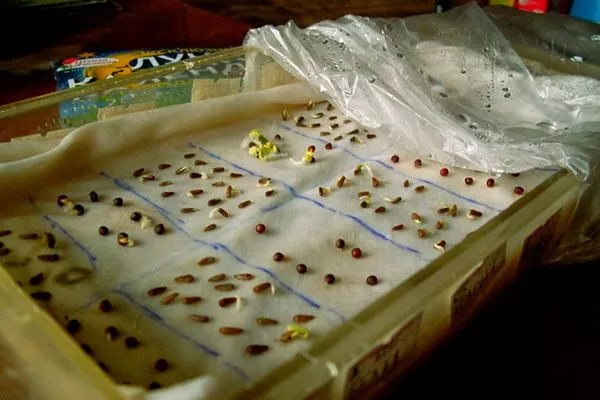
- To germinate, soak the seeds in water for 12 hours.
- Place gauze soaked in warm water, folded in several layers, into a small food container.
- Spread the seeds evenly on the cloth, then cover the container with a lid or use film.
Make sure there's no excess water in the container and that the seeds aren't completely submerged in liquid, as this can cause them to rot. Germination is complete when white sprouts emerge. Depending on the temperature, this process takes 3-5 days.
Sowing seeds and further care of seedlings
Sow the seeds using the standard pattern at a depth of 1-1.5 cm. Then, mist them with warm water from a spray bottle, being careful not to wash them away. Cover the container with a lid and place it in a warm place.
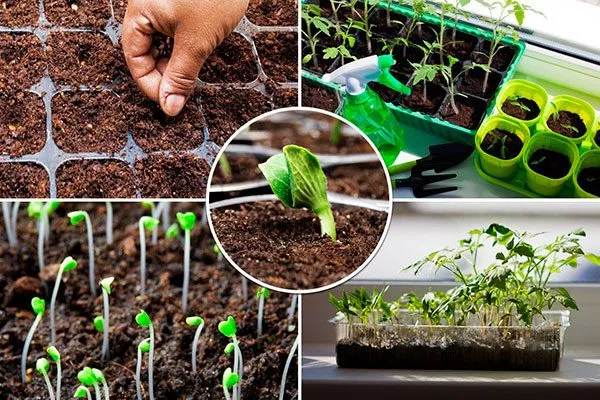
Seedlings should appear in 7-10 days. Until then, open the lid only to mist the dried soil. If condensation appears on the sides of the container, remove it. After germination, move the seedlings to a well-lit area with a temperature of 15°C, then gradually increase the temperature to 22°C.
For healthy seedlings, provide suitable conditions:
- Gently moisten the roots with warm water by spraying.
- Avoid overwatering.
- Make sure there is sufficient lighting; if necessary, use phytolamps for additional illumination.
When the seedlings have two true leaves, transplant them to a new location. Replanting by trimming the main root by one-third stimulates lateral root growth, improving plant nutrition. When transplanting into a new container, plant the plants deep down to the cotyledons. Afterward, provide moderate watering.
Fertilize your seedlings whenever they show signs of nutrient deficiency. This can be determined by the plants' appearance:
- Potassium deficiency is accompanied by wrinkling of leaves.
- Phosphorus deficiency shows up as purple veins on the stem and underside of the leaves.
- Yellowing and falling of lower leaves indicate a lack of nitrogen.
The first feeding should be carried out 10 days after picking, and the next one – after 2 weeks.
Hardening off seedlings
To ensure minimal stress when transplanting seedlings to their permanent location, prepare them for the new conditions in advance. Begin hardening them off 7-10 days before transplanting.
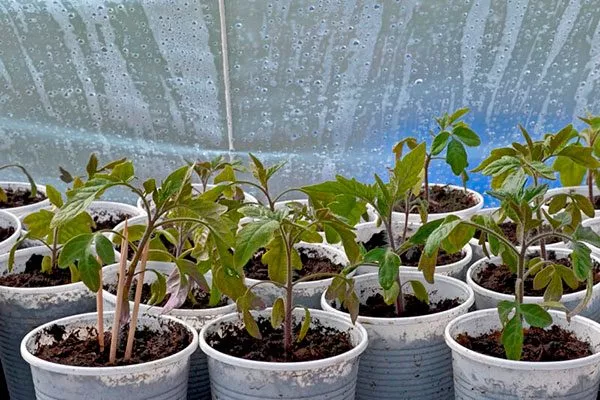
Follow the recommendations:
- Place plants outdoors for 30 minutes at first, gradually increasing the time until they receive full daylight.
- Monitor the temperature: minimum – +8°C.
- The hardening area should be protected from drafts and direct sunlight.
If you are growing seedlings indoors, a balcony with open windows is suitable for hardening off.
Planting seedlings in a permanent location
Strong plants that have reached a height of about 22 cm are suitable for planting. The optimal time for transplanting into open ground is determined by weather forecasts and usually falls in mid- to late May, after the threat of spring frosts has passed.
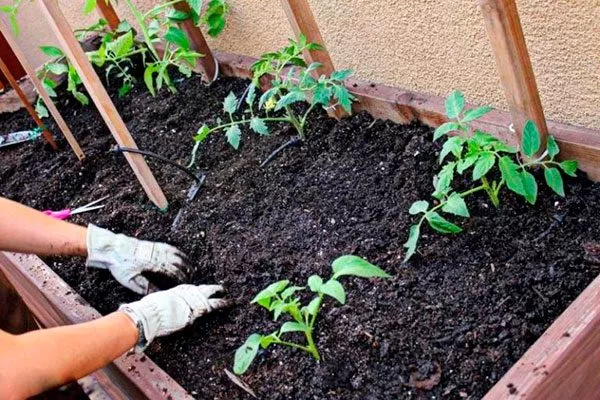
If necessary, cover the plants with plastic or agrofibre. Transfer the seedlings to the greenhouse earlier. To ensure the bushes receive sufficient nutrition, avoid overcrowding. The optimal planting density is 2-3 bushes per square meter.
Plant care
Caring for your crop plays a key role in ensuring a good harvest. Adhering to important agricultural practices not only promotes plant health but also improves the quality of your tomatoes. It's important to begin these maintenance activities promptly.
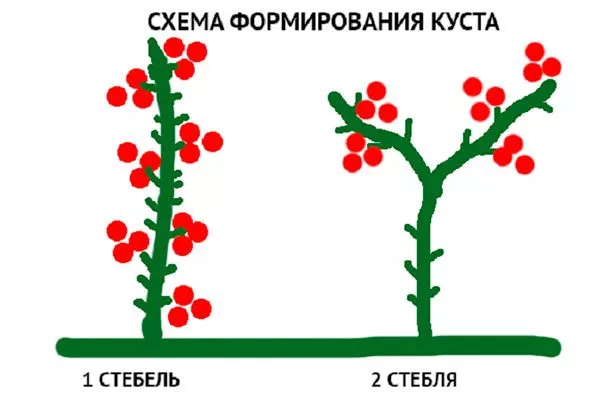
Rules for shaping into one or two stems
To increase the yield of sweet tomatoes of the Raspberry Empire variety, it's important to remove side shoots in early June. Follow these recommendations:
- Remove excess shoots from the stems, leaving three leaves above the last inflorescence. Repeat this procedure every 10-12 days. If you plan to leave only the main stem, remove all side shoots.
- When training a double-stemmed bush for fruiting, leave a strong lower shoot. This timely procedure helps speed up fruit ripening by two weeks earlier than usual.
Watering
Raspberry Empire tomatoes are sensitive to excess moisture, especially when it comes into contact with the leaves and stems. Therefore, they should be watered only at the roots. The optimal irrigation method is a drip system, which prevents overwatering.
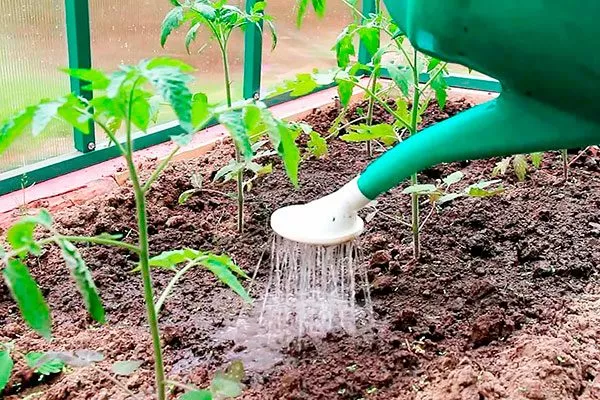
For regular watering, use a watering can without a strainer to distribute the water evenly. During flowering, water once a week, using 12 liters of water per square meter.
What and when to feed?
Fertilize your plants three times a season. Follow this schedule:
- At the beginning of active plant growth Feed them with a solution of 20 g of urea, 40 g of superphosphate, and 15 g of potassium sulfate, dissolved in 10 liters of water. You can replace the urea with organic matter, such as mullein or bird droppings.
- During flowering and fruit formation Apply a mixture of 15 g of potassium sulfate and 50 g of superphosphate per 10 liters of water. Repeat this feeding when tomatoes begin to form on lateral shoots.
Pest and disease control
The Raspberry Empire tomato hybrid is susceptible to late blight, which can be controlled with folk remedies and fungicides. Excess nitrogen in the soil and uncontrolled watering can lead to reduced yields.
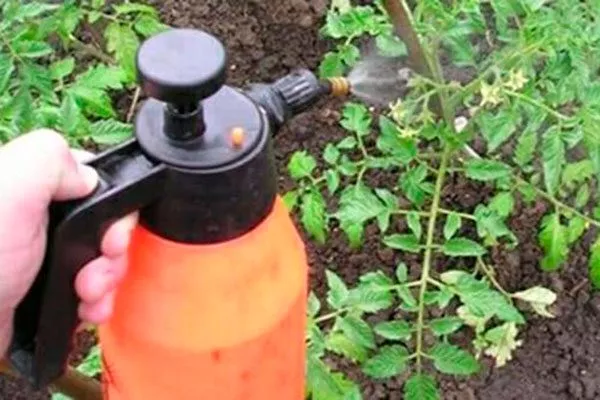
In addition, the crop is often attacked by various pests: aphids, mole crickets, cockchafers (larvae), midges, and worms. To combat them, set traps and treat them with a solution of potassium permanganate or garlic:
- Peel the garlic and press it through a garlic press.
- Fill with water in equal proportions.
- Let it sit for two weeks.
- Before spraying, strain the infusion and add water in a ratio of 1:5.
Confidor Extra insecticide is effective against pests. If whiteflies appear, water the soil with this solution, as the tiny butterflies lay their eggs in the soil.
Analogues
In addition to the Raspberry Empire hybrid, there are other early-ripening varieties with good yields and richly flavored fruit. Similar varieties are available on the market:
| Name | Description and characteristics |
| Scarlet Sails | The bushes have a semi-spreading habit, moderate branching, and medium foliage. The leaves are large, dark green, slightly wrinkled, with characteristic stipules.
The tomatoes are flat-round in shape and weigh between 164 and 186 g. Each fruit contains 4 to 5 nests. |
| The Beauty of Siberia | A tall, indeterminate plant that can grow up to 2 m in height. Its stems are slender, and the leaves are narrow and green. The tomatoes are large, fleshy, weighing up to 300-400 g, although the first ones can reach 1 kg. The shape is heart-shaped, smooth or with weak ribs, pink in color with a yellowish spot near the stalk. Harvesting begins in late July or early August, 95-110 days after germination. This is an early-ripening variety. |
| Peter the Great | The bushes have unlimited growth and can reach 200 cm in height in greenhouses, and somewhat lower in open ground. The fruits are elliptical and oblong, weighing 100-130 g. Ripe tomatoes are red or raspberry-red, while unripe ones are light green. This variety has a medium ripening time of 105-110 days after fruiting. Depending on the region, fruiting begins in early July and continues for a long time. The yield is 8.5 kg per square meter. |
| Diana | The plants are tall, reaching 150 cm in height, while maintaining a compact form. The leaves are medium-sized and dark green.
The tomatoes are round in shape and weigh up to 128 g. Unripe tomatoes are light green, while ripe ones are pink. They have a good flavor and firm flesh. This early-ripening variety begins bearing fruit in just 90-95 days after germination. It boasts a high yield of approximately 17.9 kg per square meter, making it attractive for commercial cultivation. |
Pros and cons
Before growing a crop, it's important to carefully study its characteristics, including any negative qualities. Raspberry Empire has many advantages:
Among the disadvantages of this variety, gardeners note the need for regular shaping, high soil nutritional requirements, and abundant watering, as well as the inability to make tomato juice. The crop is relatively cold-sensitive, limiting its outdoor cultivation in northern regions.
Reviews
Raspberry Empire is a popular tomato variety that impresses with its high productivity and fruit quality. This hybrid is characterized by excellent flavor, a sweet aroma, and impeccable disease resistance. The bushes bear fruit until late fall, making it an ideal choice for long-term cultivation.